



News
Breaking: Court grants Kanu’s request for medical care



In the suit marked FHC/ABJ/CS/ 2341/2022, Kanu through his legal team led by Mike Ozekhome and Ifeanyi Ejiofor said he needed an independent medical examination to ascertain his health condition.
After hearing an ex-parte application filed by the IPOB leader, Justice Binta Nyako, directed Kanu’s legal team to serve all the relevant processes on both the DSS and its Director General, who were cited as 1st and 2nd Respondents in the matter.
The IPOB leader said he would require from the DSS his admission records, medical and clinical notes, nursing notes, observation charts and documentation during treatment or stay-in-hospital, laboratory test results, pharmaceutical records, radiological scans, images and reports, blood transfusion records, physiotherapy and rehabilitative treatment records, clinical findings, as well as diagnosis and treatment prescribed records.
He pointed out that on October 21, 2021, Justice Nyako had ordered that he should be allowed access to three persons of his choice, including his medical doctors.

Specifically, he is praying to the court for an order, granting him leave to, “apply for judicial review in the form of an order of Mandamus, compelling the Respondents to allow the Applicant unhindered access to his medical doctors to enable them to conduct an independent examination of his present deteriorating health condition, as earlier ordered by the Federal High Court, Abuja, Coram, Hon. Justice B.F.M. Nyako, on the 21st day of October 2021; and as required by the express provisions of section 7 of the Anti-Torture Act, 2017.
“An order of this Honourable Court granting leave to the Applicant to apply for judicial review in the form of an order of Mandamus, compelling the Respondents to avail the Applicant with all his medical records, from the 29th day of June 2021, till date.
Contending that section 7 of the Anti-Torture Act, 2017, provided that a person arrested, detained or undergoing, custodial investigation, shall have the right to demand a physical and psychological examination by an independent and competent doctor of his own choice after interrogation, which shall be conducted outside the influence of the Police or security forces.
“The Respondents have repeatedly denied the Applicant access to medical doctors of his choice to independently examine him, contrary to the order of the court made on the 21st October 2021; and the express provisions of Section 7 of the Anti-Torture Act, 2017.”
He also alleged that his health condition has worsened following his ordeal detention where he was subjected to torture, inhuman treatment and degradation and that he suffered a mild cardiac arrest before he was “smuggled back into Nigeria”.
“Medical Reports containing the medical history of the Applicant as was issued by medical specialists managing the Applicant before his abduction in Kenya and extraordinary rendition to Nigeria are hereby attached and variously marked as Exhibits MNK 3, MNK 4 and MNK 5.
“That notwithstanding the fact that the Applicant has been discharged by the appellate court and his further detention prohibited, the Applicant is still being held in solitary confinement in the custody of the Respondents, where he is exposed to daily mental and psychological torture and degradation of his human person.
“The Applicant’s health condition has continued to take a downward spiral since then.
“That various medical personnel that attended to the Applicant whilst in custody had repeatedly informed him that they could not ascertain the reason for the depletion of potassium in the Applicant’s blood.
“That on various occasions, the medical personnel brought by the Respondents took the Applicant’s blood sample and allegedly transported the same to South Africa for screening and up till the present, there is no end in sight for their trial-and-error medicare.
“That all medical experts that have so far attended to this complex health situation of the Applicant failed to medically fathom the explanation for the continued failure of various treatments so far given to the Applicant, hence their inquiries as to whether the Applicant may have been injected with a dangerous substance by those that abducted him in Kenya before being forcibly smuggled into Nigeria.
“That the medical personnel attending to the Applicant in the custody of the Respondents are oblivious of the cause of the Applicant’s health condition and are basically using the Applicant as a guinea pig while carrying out a trial-and-error exercise, as they keep changing his drugs and increasing the dosage without any improvement whatsoever in his health condition. Attached and marked as Exhibit MNK 6 is a copy of the Applicant’s medical report issued by the Respondents.
“That the full medical history of the Applicant as contained in his Medical file with the detaining authority were deliberately suppressed, as the facts of the speedy depletion in his potassium content was clearly deleted from the medical report which the Respondents issued to the Applicant”.




By Chinedu Sabastine
Mainpower Electricity Distribution Limited (MEDL) has announced a planned power outage in Nsukka and surrounding communities from November 5 to 10, 2026, to enable the Transmission Company of Nigeria (TCN) to carry out maintenance work on equipment at its Nsukka station.
The outage, scheduled to run daily from 9 a.m. to 5 p.m., will affect electricity supply to customers served by the University of Nigeria, Nsukka (UNN), SUMAS and Orba 33kV feeders.
The announcement comes amid a current reduction in electricity supply across Enugu State, which MEDL has attributed to a drop in energy generation and low system frequency, forcing TCN to implement load shedding.
In a public notice issued on Monday, MEDL’s Head of Communications, Emeka Ezeh, said the planned maintenance was necessary to improve electricity supply in the affected areas.
“The planned outage is to enable the TCN technical team to carry out maintenance work on some equipment at the station,” Ezeh said.
He added that the exercise was aimed at improving the reliability and quality of electricity supply to customers.
The communities expected to experience interruptions include Ukopi, Opi Agu, Eha-Alumona, Orba Town, Obollo-Afor, parts of Obollo-Eke, Enugu Ezike, Ibagwa, Nkalagu Obukpa, Okpaligbo, Iheaka, Edem Ani, Agbani, Uzo-Uwani, Obimo, Nkpologu, Lejja, Nguru, Aku and Ogbede.
Other affected locations are Odim Gate, Nkpor, UNN, Nru, Ede Oballa, El Tabera Estate, Ikenga Estate, Wilson Company, Umakashi, Isiakpu, G.R.A. and Ogige Main Market, alongside surrounding communities.
MEDL apologised to customers over the anticipated inconvenience and appealed for their patience and understanding during the maintenance period.
“The exercise is necessary to facilitate essential technical work aimed at improving the reliability and quality of electricity supply to customers,” the company said.
Why electricity supply has dropped
In a separate public notice issued on Monday, the company explained that the current reduction in electricity supply across Enugu State resulted from a decline in energy generation, which had affected the stability of the power system.
MEDL said the situation had resulted in low system frequency, prompting TCN to ration available electricity through load shedding.
“The current reduction in power supply availability is due to a drop in energy generation, which has resulted in low system frequency,” the company stated.
It added that the situation had necessitated TCN’s decision to implement load shedding of the available energy.
“Consequently, the energy allocation to MEDL has been affected, limiting its ability to meet the daily service-level commitments,” the statement said.
The company, however, assured customers that it was monitoring the situation and distributing the available electricity allocation across its network.
“MEDL wishes to assure its customers that it is closely monitoring the situation and will continue to distribute the available energy allocation fairly across its network,” Ezeh said.
The company expressed optimism that normal electricity supply would soon be restored, while regretting the inconvenience caused by the reduction in supply.
It also thanked customers for their patience, understanding and continued cooperation.
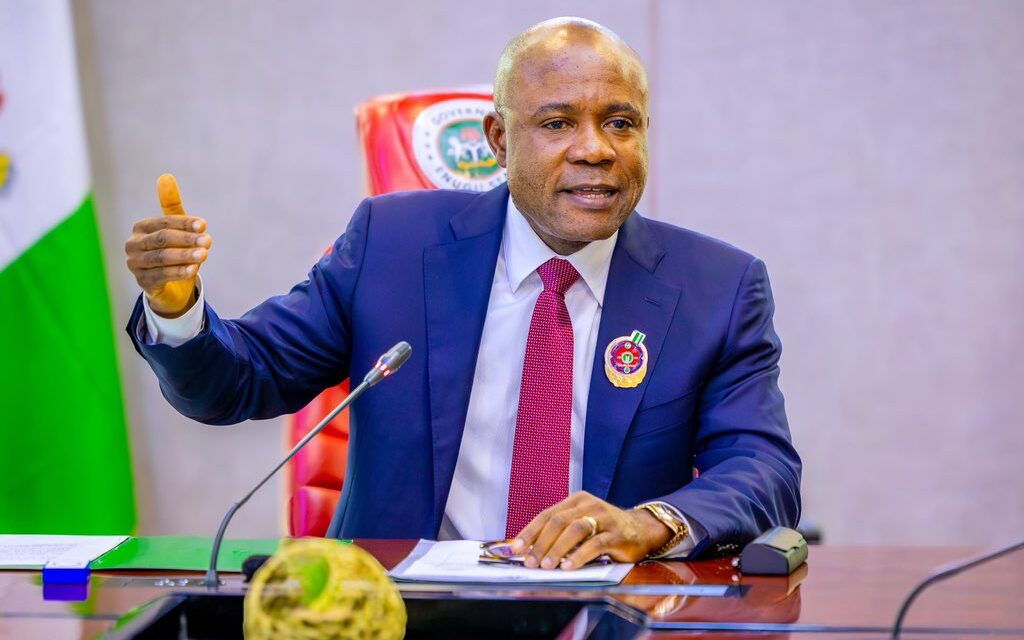
Enugu State Governor, Dr. Peter Mbah, has taken steps to address the rising cost of renting accommodation in the state by forwarding an executive bill to the State House of Assembly seeking to regulate agency and legal fees charged by property agents and lawyers.
The proposed legislation seeks to amend the Landlord and Tenant Law, Cap. 101, Revised Laws of Enugu State, 2004, with a view to protecting tenants from excessive charges while ensuring fairness and transparency in the property market.
Speaker of the Enugu State House of Assembly, Rt. Hon. Uche Ugwu, disclosed this in a statement posted on his Facebook page on Monday, October 26, 2026.
Ugwu explained that the executive bill would complement an earlier legislative proposal sponsored by the member representing Nkanu East State Constituency, Hon. Anthony Okey Mbah, which had already passed first and second readings and undergone a public hearing.
According to the Speaker, the proposed amendment would introduce measures to regulate estate agents, place limits on agency and legal fees, and establish clear procedures for the collection and refund of caution fees.
The legislation also seeks to check arbitrary rent increases and minimise disagreements between landlords and tenants over property damage through joint inventories and professional valuations where necessary.
Ugwu noted that the Assembly would harmonise the proposals to produce comprehensive legislation that addresses longstanding concerns in the state’s housing sector.
“When we are done with dotting the i’s and crossing the t’s, we shall have a document that shall make tenancy-related charges more transparent and predictable, control and limit agency and legal fees, establish a formal regulatory framework for agents,” he stated.
He added that the proposed law would provide a structured mechanism for handling caution fees and refunds while creating an enabling environment for investors in the housing sector.
The development comes amid growing concerns among residents over the financial burden associated with securing rented accommodation, particularly agency commissions, legal charges and other tenancy-related payments.
The Speaker maintained that the initiative was consistent with Governor Mbah’s broader development agenda of positioning Enugu as an attractive destination for investment, business, tourism and residential living.
“According to the Governor’s vision, indeed we can make Enugu the preferred destination for business, investment, tourism and living,” Ugwu added.
The proposed amendment, when passed into law, is expected to provide a clearer legal framework governing the relationship between landlords, tenants and property agents across the state.
By Okey Maduforo, Awka
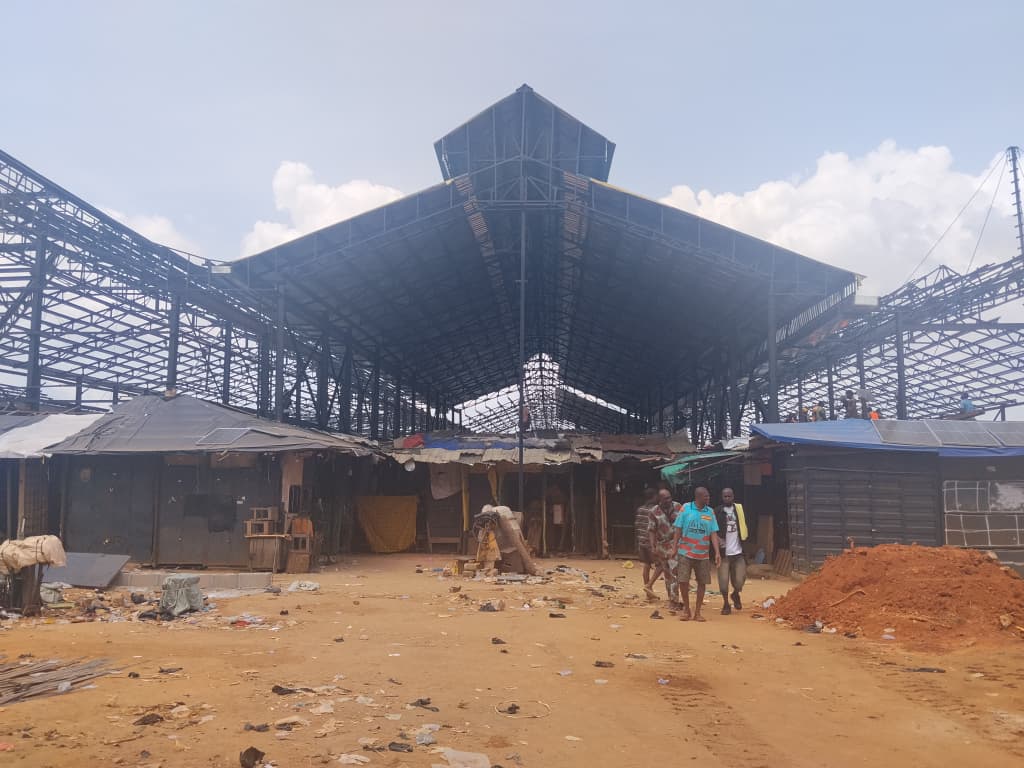
The ongoing modernisation of the Onitsha Main Market in Anambra State is expected to be completed ahead of the Christmas festivities, with over 6,000 shops and modern facilities designed to boost commercial activities in the historic market.
The project, which commenced two months ago, has reached 90 per cent completion and is being executed on a 24,000-square-metre expanse of land, with an Independent Power Plant (IPP) designed to provide uninterrupted electricity to the market and its environs.
Other facilities include five additional boreholes to complement the existing one, a health centre, modern toilet facilities, a motor park, solar-powered streetlights, CCTV surveillance cameras and four access roads.
The market will also feature three major entrance gates, eight minor gates and a dedicated firefighting station to enhance security and emergency response.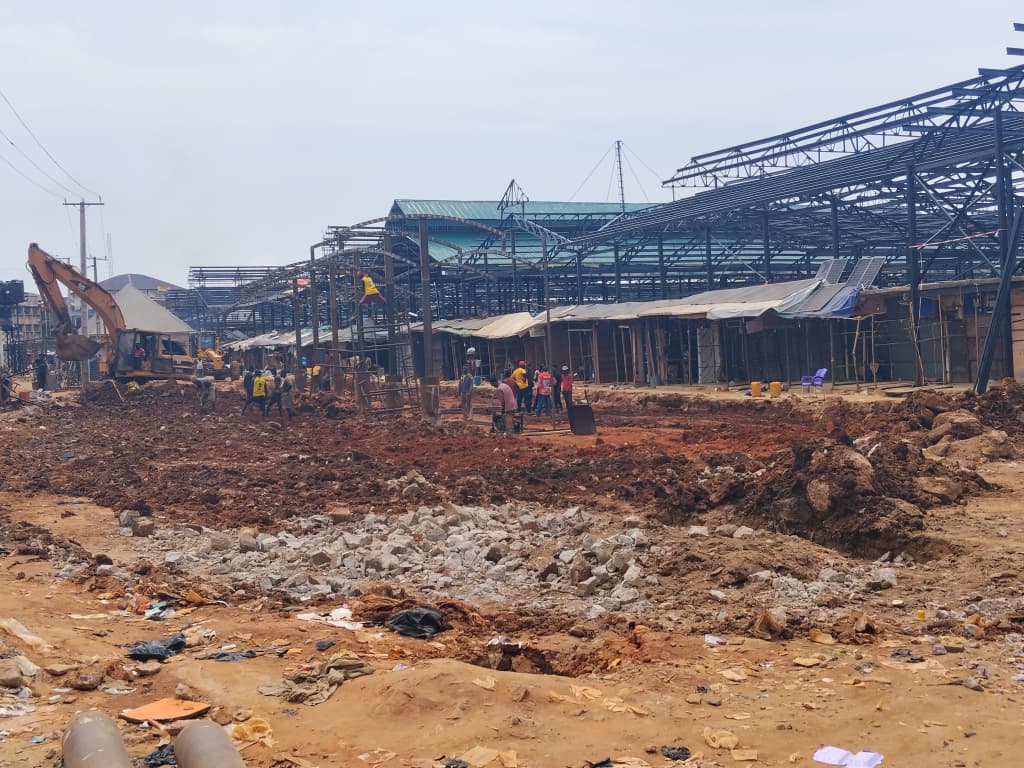
Speaking during an inspection of the project, the Commissioner for Housing, Arc. Henry Arinze, said the initiative was designed to provide a conducive business environment for traders and their customers.
“The project is aimed at providing ease of doing business for both traders and their customers, and with over 6,000 shops in the market, we are good to go,” he said.
Arinze explained that the project forms part of Governor Charles Soludo’s urban regeneration programme, adding that the provision of an Independent Power Plant would enable traders to extend commercial activities from the current closing time of 5 p.m. to 10 p.m.
“We did not demolish the market shops. What we are carrying out is part of the urban regeneration programme of the state government. With the new facilities, the market will remain open until 10 p.m. as against the present 5 p.m. closing time,” he stated.
He further disclosed that construction activities were deliberately restricted to nighttime and Sundays to minimise disruptions to trading.
“We would have gone farther than this, but we work only at night and on Sundays so that traders can continue their businesses while construction is ongoing,” he explained.
Also speaking, the Special Adviser to Governor Soludo on Projects Monitoring, Prof. Ebuka Nwankwo, recalled that the market had not witnessed any major government-led modernisation since its post-civil-war reconstruction in 1971 under the administration of the then Sole Administrator of East Central State, the late Ukpabi Asika, with assistance from the Federal Government.
According to him, the market has experienced four major fire incidents since its reconstruction, with affected traders largely undertaking the rebuilding of their shops themselves.
“Since 1971, when the market was reconstructed after the war, there have been four fire incidents, with traders carrying out the reconstruction of their affected shops. The state government is not only desirous but deliberate about restoring the past glory of the market,” Nwankwo said.
The Head of Civil and Structural Engineering, Prof. Henry Aginam, commended the Anambra State Government for embarking on the project, describing it as a bold intervention in the redevelopment of the commercial hub.
He expressed satisfaction with the quality of construction materials and the calibre of professionals engaged in executing the project.
Similarly, the representative of the Council for the Regulation of Engineering in Nigeria (COREN), Engr. Prof. Akaolisa Ezeadi, gave the project a positive assessment, noting that the construction work complied with professional standards and engineering best practices.
Ezeadi said the regulatory body was satisfied with the quality of work so far and would continue its monitoring visits until the project was completed.
In his remarks, the Commissioner for Commerce and Industry, Mr. Nonso Ebonwu, described the market modernisation as a major step towards reviving the commercial fortunes of Onitsha and attracting increased patronage from within and outside Nigeria.
He disclosed that a similar redevelopment initiative was also being undertaken at the Nkwo Nnewi Auto Parts Market.
The Chairman of the Onitsha Main Market Traders Association, Chief Chijioke Okpalaugo, expressed satisfaction with the transformation of the market, noting that patronage had continued to increase despite the ongoing construction.
He reaffirmed the traders’ support for the Soludo administration and expressed optimism that the completed project would further strengthen Onitsha Main Market’s position as one of the leading commercial centres in West Africa.

ENUGU, October 25, 2026 — A new association, Online Media Professionals (OMP), has been established to unite online media practitioners, protect their interests and promote professionalism in Nigeria’s media industry.
The association, according to a communiqué issued in Enugu on Sunday, aims to provide a common platform for practitioners to collaborate, share ideas and address challenges affecting their work and welfare.
OMP said the growing influence of online publications in informing the public, shaping public discourse and holding public officeholders accountable had made it necessary for practitioners to organise under a recognised professional body.
The association will bring together individuals who own or work with online media platforms, providing opportunities for cooperation, professional development and engagement with relevant institutions and stakeholders.
It also plans to establish working relationships with government officials, security agencies, educational institutions, corporate organisations and other bodies whose activities affect the media industry and society.
According to the communiqué, OMP is beginning its activities in the South-East, with plans to expand into a national organisation representing online media professionals across Nigeria.
The association said its long-term objectives included building a credible professional body capable of giving practitioners a collective voice, promoting responsible journalism and providing a platform for addressing issues affecting members.
It added that the growth of online media must be accompanied by professionalism, accountability and respect for the responsibilities associated with informing the public.
OMP also pledged to encourage cooperation among practitioners and promote standards capable of strengthening public confidence in online publications.
The association noted that achieving its objectives would require the commitment of members, a clear sense of purpose and programmes designed to address their needs.
It therefore called on online media practitioners across the South-East and other parts of the country to identify with the initiative and contribute to building a strong professional association.
Membership, according to the communiqué, is open to professionals who own or work with online media publication platforms and are willing to support the association’s objectives.
The communiqué was signed by Jude Chinedu and Chukwumerije Aja on behalf of the Communiqué Drafting Committee of Online Media Professionals.
The emergence of OMP marks an effort to strengthen the professional identity of online media practitioners and create opportunities for collaboration and growth within Nigeria’s evolving media landscape.
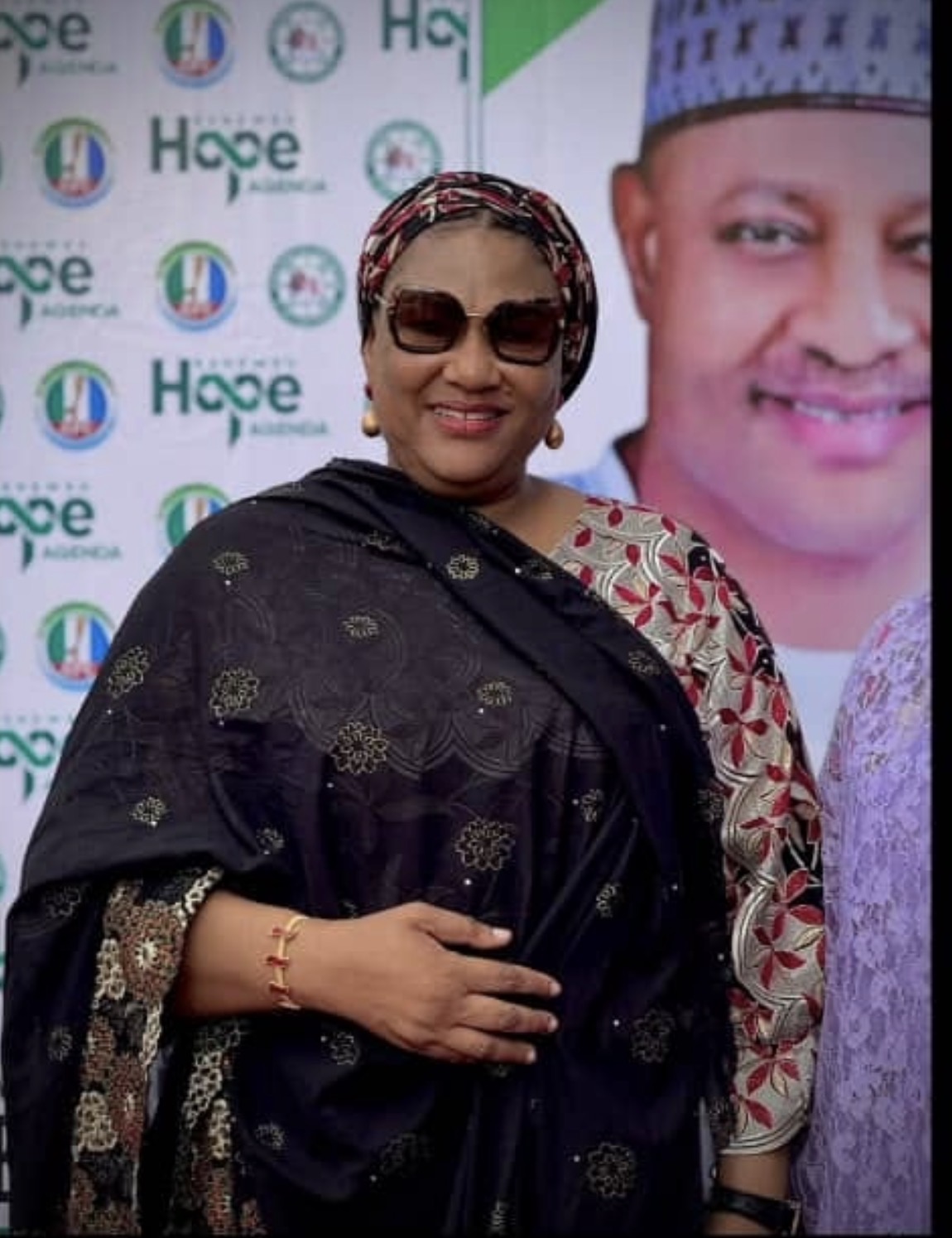
The Federal Commissioner representing Kaduna State at the National Population Commission (NPC), Hon. Sa’adatu Garba Dogonbauchi, has presented letters of permanent and pensionable appointment to three youths drawn from different local government areas of the state.
The presentation, according to a statement issued by Dogonbauchi, is aimed at expanding employment opportunities for young people and supporting youth empowerment in line with the Federal Government’s development objectives.
The beneficiaries are Shamsuddeen Abdulaziz Bagi from Igabi Local Government Area, Abdulfatah Abdulwakil from Kaduna South Local Government Area, and Aisha Adamu from Birnin Gwari Local Government Area.
Speaking during the presentation, Dogonbauchi described the appointments as more than an administrative exercise, saying they provide beneficiaries with an opportunity to build sustainable careers in public service while improving their economic prospects and contributing to national development.
She said the initiative aligns with President Bola Ahmed Tinubu’s Renewed Hope Agenda, which prioritises employment generation, economic empowerment and improved living standards for Nigerians.
The NPC commissioner expressed appreciation to President Tinubu for the opportunity to serve and represent Kaduna State, pledging to continue supporting programmes that create opportunities for young people and strengthen public institutions.
She also acknowledged Kaduna State Governor Uba Sani, Speaker of the House of Representatives Abbas Tajudeen, and Hon. James Abiodun Faleke for their support, which she said contributed to her appointment and service.
Dogonbauchi urged the new employees to discharge their duties with discipline, integrity and professionalism, while adhering to public service rules and serving as worthy representatives of their communities.
She congratulated the beneficiaries and encouraged them to justify the confidence reposed in them through excellence, accountability and dedication to public service.


-
 Politics5 days ago
One Feared Dead, Several Injured as Thugs Attack Ebonyi NDC Assembly Candidate, Burn Campaign Vehicle
-

 Health5 days ago
Nigeria’s Ebola Patient Identified as Wife of Swiss Diplomat, Infection Traced to Uganda
-

 News5 days ago
Onitsha North LG Boss Reads Riot Act to Traders, Residents Over Poor Sanitation
-
 Entertainment5 days ago
Nollywood Thrown Into Mourning as Veteran Actor Francis Duru Dies at 57
-
 Politics5 days ago
2027: APGA, APC Set for Joint Meeting in Anambra to Mobilise Support for Tinubu’s Re-election
-
 Politics5 days ago
2027: It’s Not South-East’s Turn, Obi Not Our Best Presidential Candidate – Umahi
-
 Politics5 days ago
2027: Minister Udeh to Unveil ‘ATM’ Political Group for Tinubu, Mbah’s Re-election
-
 News4 days ago
National Assembly Receives Proposals for New LGAs as Lagos Seeks 37, Akwa Ibom Missing from Lis