



Features
Obi: The ‘trader’ who changed the game



Not many gave him a chance when on May 24, 2022, he communicated to the leadership of Nigeria’s largest opposition party, the Peoples Democratic Party, his intent to resign his membership in pursuit of a presidential ambition on the platform of another party.
For Peter Obi, the enigmatic political figure loved by the young and the old in equal measure, the move meant it was time to unchain himself from the shackles of politics of the old order.
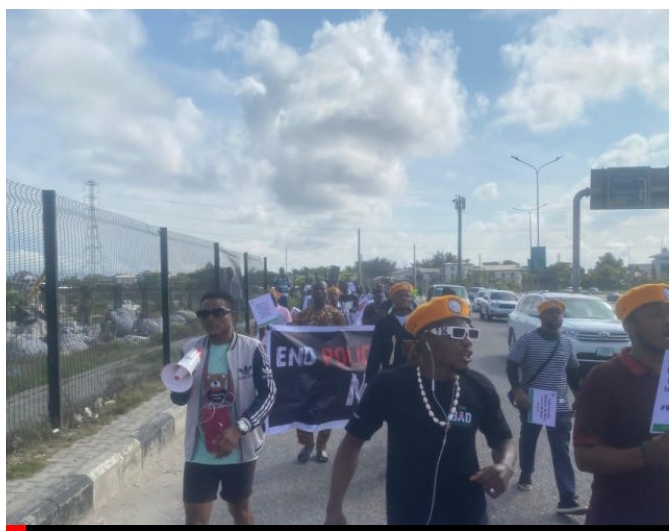
Riding on the wave of mass support, symbolised largely by youths tired of the system that had seen them toil for years with little to show for it, Obi, presidential candidate of the Labour Party in the just-concluded poll, has demonstrated the inelastic power inherent in true love. Spending less than a fraction of what the President-elect, Bola Tinubu of the All Progressives Congress and Atiku Abubakar of the Peoples Democratic Party spent during the campaigns, Obi won in 12 states including Lagos and the Federal Capital Territory.
A few weeks before election, many pundits wrote him off, citing his “no shishi” (a candidate not given to monetary inducement) disposition as the reason only a few would eventually vote for him. How wrong they were!

His “no shishi” political philosophy singlehandedly changed the national campaign landscape where hitherto politicians used to shamelessly share money, foodstuffs, clothing, etc. Every politician became extremely careful not to be caught dolling out cash or gift of any kind to persuade voters to support him.
Born on 19 July 1961, Peter is partly Okonkwo, the main character in Chinua Achebe’s Things Fall Apart as his fame “rested on solid personal achievements.” At a relatively young age of 61, Obi has brought honour to the nation’s politics through a combination of hard work, honesty and records uncommon with politicians in this part of the world. Obi is integrity personified.
An alumnus of the prestigious Christ The King College, Onitsha, Obi studied at the University of Nigeria, Nsukka, bagging a degree in Philosophy in 1984.
His quest for more academic laurels further took him to the London School of Economics and Columbia Business School, earning postgraduate degrees in Financial Management/ Business Policy and Marketing Management respectively.
Obi’s resignation from the PDP and pitching tent with a less fancied, less respected and less formidable Labour Party saw a meteoric rise in his political fortune. Few politicians and naysayers gave him a chance given the popularity of the two candidates of the political behemoths, the All Progressives Congress and the Peoples Democratic Party.
To worsen matters, Obi’s home state governor, Charles Soludo, came short of writing the former Anambra State governor off when he declared the race a two-horse contest between Tinubu and Atiku.
Obi’s huge support base derives in part from the sundry youth groups made up of artisans, students, musicians, entertainers and social media influencers who deployed their mastery of social media to drum up support for him.
Unlike the support base of Atiku and Tinubu who were waiting for “logistics” to hit the streets to mobilise for their candidates, Obi’s supporters who dubbed themselves as ‘Obi-dients” used their personal resources to sell the LP’s manifesto to Nigerians.
On Twitter and Facebook, Obi-dients held several educational sessions, enlightening Nigerians on the dangers of pitching tents with the old order. Many heeded the message, which culminated in his impressive outing on Saturday.
Peter Okoye, one half of the P-Square musical group literally put his life into the Obi project, earning himself commendation and condemnation in the process. His fallout with Seun Kuti, a fellow musician and son of late Afrobeat founder Fela Kuti, readily comes to mind.
Worthy of mention too is Mr Macaroni, skit superstar, who never hesitated to remind anyone who cared to listen that he was for Obi in rain and shine.
With the political stage set, Obi kept his eyes on the ball towards the goalpost. He had garnered a worthwhile experience as a two-term governor of Anambra State. He was not a neophyte in the management of political stardom.
Peter Obi had contested the governorship election in Anambra state in 2003 on the platform of the All Progressives Grand Alliance and ‘lost’ to PDP’s Chris Ngige. He challenged the victory in court and almost three years later, he was declared the authentic winner of the poll.
Seven months in the saddle, he was impeached in controversial circumstances. Not one to give up without a fight because of his belief in the rule of law, the soft-spoken Philosopher-King sought legal redress in court, leading to the nullification of the impeachment by the Court of Appeal on 9 February 2007.
In 2010, he won a second term in office beating PDP’s Charles Soludo (incumbent Anambra state governor).
Questions have been asked about who truly is the authentic political leader of the Igbo nation after the demise of Chukwuemeka Ojukwu. With many Ndi Igbo laying claims to that title, it was to Obi that Atiku Abubakar turned to in 2019 for his choice of running mate when he ran against Muhammadu Buhari in the presidential election of that year.
Full of experience and hindsight, as skeletal preparations for the 2023 presidential election began, Obi was quick to realise that the process for the selection of the party’s candidate would be anything but transparent in the PDP.
As a result, he communicated his intention in writing to the Iyorchia Ayu-led National Working Committee to resign from the party. He subsequently joined the Labour Party in a defection that can be described as one of the smartest political moves in Nigeria’s recent political history. Soon after joining, highly respected Pat Utomi, a Professor of Political Economy perished his presidential ambition for Obi, a huge testament to the latter’s rising popularity.
It is shocking that the so-called behemoths, Tinubu and Atiku, barely managed to win the same number of states.
Obi’s 25 per cent score of total votes cast has been interpreted as a statement of intent as many see him as a future president if he sustains the tempo.
Meanwhile, the Vice presidential candidate of the Labour Party, Datti Baba-Ahmed, who worked tirelessly with Obi with the aim of changing the face of governance in the country one and for all, has vowed to seek legal means to contest the electoral process that produced the president-elect, Asiwaju Bola Tinubu.
Baba-Ahmed made the pledge at a press conference held at the party’s national headquarters in Abuja on Wednesday.
A livid Baba-Ahmed stated that LP was determined to fight the injustice that dashed the hope of distraught Nigerians through all legal and peaceful means.
This is even as the LP presidential campaign council claimed that the manner the Independent National Electoral Commission hurriedly announced the results and gave out Certificates of Return to both Tinubu and his running mate, Senator Kashim Shettima, reeks of collusion.
The development is coming barely 24 hours after Tinubu was announced as the winner of Saturday’s presidential poll.
The APC standard bearer polled 8,794,726 votes to defeat his closest rivals, Atiku Abubakar of the Peoples Democratic Party and Labour Party’s Peter Obi by 6,984,520 and 6,101,533 votes respectively.
Baba-Ahmed decried that the election did not meet the minimum standard as prescribed by INEC guidelines and the Electoral Act 2022.
He said, “It is our position that the purported result did not meet the minimum criteria of a transparent, free and fair election. In addition to the most condemnable attacks, violence, voter intimidation and suppression, the election was conducted in clear violation of agreed and promised INEC rules and guidelines, the Electoral Act 2002 as amended, and indeed the Nigerian Constitution. As evident, the institutions of the state and leaders that were supposed to ensure the sanctity of the election, again and as in the past, collaborated and colluded to subvert the will of the good people of Nigeria.
“Please be assured of our determination to fight the injustice that has been perpetrated on Nigerians through all legal and peaceful means. While painful, we implore you to please remain peaceful and calm. As our fight and determination for a New Nigeria is just beginning, we equally encourage you all to continue with the campaigns and vote massively for Labour Party in the forthcoming governorship and states house of Assembly election on Saturday 11th March 2023.
“Our Principal, His Excellency, Mr Peter Obi, will in due course speak to you all and indeed the nation.”
In a related development, the Chief Spokesman for the LP Presidential Campaign Council, Yunusa Tanko, said the drama leading to the presentation of a certificate of return to Tinubu was a well-rehearsed script
“It was pre-planned. But, of course, we have just concluded a meeting with His Excellency Peter Obi and we are moving in our legal team who are compiling our pieces of evidence and results.
“There are other Civil Society Organisations planning to go on civil disobedience to show their displeasure in terms of seeking a political solution to the problem.
“The truth is that we are fighting the process and not necessarily those who have already been elected. The process must be fought to give resilience to those who hope to contest future elections. This level of impunity and shenanigans cannot be allowed to continue in our country. This is why this battle must be fought to a logical conclusion,” he stated.
On a call for a unity government in the new administration, Tanko said that the party was not interested in any of such moves.
He said, “We said that we are going to court. We are not interested in discussing anything on a government of national unity. What we have so far resolved is to head to the court for redress.”
Tinubu may have won the poll but there is no gainsaying that the President-elect is fated to live henceforth in fear of the “little boy” from Anambra who exposed his vulnerability in Lagos for the first time since the return to democracy. He beat the famous Jagaban in Lagos, his hitherto fortress.
That’s not all. The man who prides himself as the landlord of the FCT, Senator Philip Aduda, lost his tenancy of the Senate to Mrs Ireti Kingibe of the LP. Mrs Kingibe, a serial contestant of the FCT seat won only because Obi made it easier for voters to vote for anyone on the ballot on the platform of the Labour Party.
In the South-East, the quest of Governors Ifeanyi Ugwuanyi and Okezie Ikpeazu to retire to the Senate after two terms in their respective Government Houses hit an impregnable wall as LP candidates won convincingly. The same for Abia State where the LP candidates had a field day by riding on the Obi fame.
In the South-South, Governor Ben Ayade’s impeccable English was not enough to win him a seat in the Senate. He lost to the Obi factor as were the likes of Tanko Al-Makura and Ndudi Elumelu amongst others.
He may have lost the election but only a political greenhorn will write off Obi going forward. Nigerians can’t wait for too long for this philosopher-king to take over the saddle at the centre to showcase the true essence of governance.
PUNCH



Features
New Cement Factory: Is Ebonyi Governor Misleading the People Over Proposed Nkalagu Project?

By Okey Maduforo
From the boundaries of Awka and Enugu State across the Ezu River, through the swamp rice fields of Awba–Ofemili, and from the borders of Igbariam in Anambra East to Achalla, the headquarters of Awka North Local Government Area, the story was once the same: ten communities largely abandoned and resigned to fate.
Predominantly agrarian, Awka North for decades presented the picture of rustic settlements struggling for basic infrastructure. Before the creation of the old Anambra State, many communities could not boast of electricity, while pockets of development recorded in a few areas were largely due to their proximity to Awka, the state capital.
Successive administrations at the local government level made attempts to stimulate development, but the scale of neglect meant that critical projects continued to beg for attention.
The ThankGod Anagu Intervention
In just 14 months since the emergence of the Mayor of Awka North Local Government Area, Chief ThankGod Anagu, the narrative has begun to change. His administration has pursued what many describe as a coordinated and people-centred delivery of social infrastructure, repositioning the once-forgotten council area and highlighting its vast socioeconomic potential.
Under his watch, a total of 39 classroom blocks have been renovated and fully equipped, significantly improving the learning environment across communities. In addition, more than 12 roads have either been constructed or attracted through his administration, easing movement and boosting economic activities.
To address insecurity, the Anagu administration installed security surveillance cameras across strategic communities, a move that has strengthened crime prevention and enhanced public safety.
The Achalla Local Government Secretariat, previously a shadow of itself, has also received a comprehensive facelift. Renovation works covered the main administrative building, the conference hall, and the Rt. Hon. Justice P.K. Nwokedi Hall, restoring dignity and functionality to the council complex.
Tackling Flooding and Erosion
Communities along river lines that had long suffered perennial flooding and erosion have not been left out. Erosion control projects executed in Ebenebe and neighbouring towns have helped protect over 36,000 buildings and vast farmlands, preserving livelihoods and preventing further environmental degradation.
Agricultural Outreach and Empowerment
As an agrarian society, Awka North has also benefited from targeted agricultural interventions. Through collaboration with the Anambra State Government, farmers have been empowered via outreach programmes such as the Farming to Feed initiative and the Palm Revolution, both of which have accelerated agricultural productivity and rural economic growth.
As Chief ThankGod Anagu continues to chart a new course for Awka North, many indigenes believe that with more time, the council area could fully consolidate its developmental gains and evolve into a modern, smart local government with agriculture, security, and infrastructure as its pillars.

On Sunday, the 4th of April, history stirred quietly beneath the ancient hills of Nike as we — alongside the CEO of Landmark Africa, Dr Paul Onwuanibe and others ; the custodians of the iconic Nike Lake Resort — stepped into a journey that promises to reshape the landscape of tourism in Enugu State.
Guided by the visionary momentum of His Excellency, Governor Peter Ndubuisi Mbah, we traced the green spine of the Nike-Ohum Tourism Corridor — a corridor not merely of geography, but of destiny. From the rhythmic whispers of the Nike caves to the majestic gaze of the Udi escarpment, the land told stories waiting to be heard by the world.
This wasn’t just a site visit. It was a pilgrimage into promise, a handshake between heritage and opportunity. It signaled that Mbuluoweje, once a hidden jewel in the hills, is now poised to become a beacon of eco-tourism, cultural revival, and sustainable prosperity.
We went, not just with eyes open — but with hearts aligned to a future already unfolding. For indeed, tomorrow is no longer a distant horizon. It has arrived, dressed in the colors of innovation, investment, and inclusive growth.
The Governor’s transformative tourism blueprint — forged with intentionality earlier this year — is no longer ink on paper. It is spirit on terrain. And in that spirit, we walked. We envisioned a world-class tourism ecosystem — resorts nestled in nature, trails that tell stories, and villages turned vibrant through the power of shared culture and commerce.
This visit will be remembered not just as a meeting of minds, but as a turning of keys — unlocking Mbuluoweje Zone to the world.
To the people of Nike, to the youth, to investors, and to dreamers across Nigeria: prepare for the unveiling. The world is coming to Enugu, and the hills are ready to sing.
Ozo Ossy Onuko the MD Awka Capital Territory Development Authority ACTDA writes from China where he is currently on a working visit and takes a look of ine the hospitalities and culture of the Asian Tiger.
As I sit calmly in my 26th-floor hotel room, overlooking the beautiful city of Changsha, glancing through my new book – Chimamanda’s masterpiece, “Dream Count,” I’m immersed with thoughts, kind thoughts I must say about the emerging new world order – CHINA. I’m reminded of China’s remarkable journey. Some 45 years ago, China opened itself to the rest of the world, ready to deal. After undergoing significant disruptive economic and administrative reforms, a new China emerged from the rubble of numerous wars including the 2nd World War and the Cold War that followed.
I was shocked to learn that in 1839 Britain/Europe brutalised China in a war for refusing the sale of opium to its citizens by the British government in a bid to balance China/Europe’s trade deficit… opium a hard drug with strong addiction tendencies impacted the youth population of China, in other words, Britain was pushing hard drugs to China – keep pondering on that as I continue.
The superior military advantages enjoyed by European forces led to several easy victories over the Chinese military, with the consequence that China was compelled to sign unequal treaties to grant favourable tariffs, trade concessions, reparations and territory to Western powers. One of which was ceding Hong Kong to Britain.
China a poor country, now with a 1.4 Billion population, almost negligible in global affairs then contributed less than 1% to global GDP and in 1978, the year China began to open and reform its economy its GDP increased to 149.5 billion dollars, accounting for 1.7% of the world economy.
Since then, GDP growth has averaged over 9 per cent a year, and almost 800 million people have been lifted out of poverty.
Today, China’s GDP stands at 18.5 trillion US dollars accounting for 19.6% of the global economy. Generally far higher than the contribution of the entire European countries and particularly a far cry from the UK’s 2.0% contribution to global GDP.
China is projected to contribute 22.5% of the global GDP by 2030 and “economic marabouts” prophesy that China will surpass the United States in ten years to become the world’s largest economy and that if that happens, it will be impossible for the US to catch up given the speed of their growth.
Now one wonders less why Donald Trump shouts America First at the top of his voice…it could be that the marabouts have also leaked these things to him. His man Friday, Elon Musk was once amazed at China’s growth, so astonished that he tweeted thus, “China’s progress in advanced infrastructure is more than 100 times faster than the US” – Elon Musk, 27th Feb 2018.
The US is the world’s economic powerhouse, with a GDP of 29 trillion US dollars, contributing approximately 26.3% of the global GDP, its continued economic dominance is threatened by this emerging new world order…the future of the United States lies solely on the ongoing economic reforms under President Trump. While various opinions continue to trial Trump’s reforms, the global magazine The Economist published an article on April 10th, 2025, with the topic “Trump’s incoherent trade policy will do lasting damage”. Whichever way it goes, the jury is out.
Still savouring the bliss of Changsha – the Capital City of Hunan Province of China. Changsha has a population of 10 million people and occupies 11,819 km² space, which is more than five times the size of New York.
This morning, I flew for two hours from Beijing to Changsha, my guide, the delightful and ever-smiling Vivi ( not her real name, you know Chinese names rumple tongues), told me a lot about the history and development of Changsha especially the fact that it is the shoppers delight, as it’s notable amongst many guides they emphasize on shopping areas believing that foreigners have a lot of shopping appetite.
If she had not told me the City was more than 3,000 years old, I would have passed it as a newly emerging green city of China, I was thrilled by the urban regeneration that has transformed a 3000-year-old city into a modern infrastructural masterpiece, the type I have not seen anywhere else.
Can one ever overemphasize the friendly nature of the Chinese, especially those not familiar with blacks? When we walk the streets of urban areas of China, we can be called celebrities. Chinese – couples, students, old and young grapple to either say a cheering and sincere “Ni hao” (hello or hi China), or a selfie photo with you.
We don’t often get that treatment in the West where there’s an overbearing sense of dominance of whites over blacks. Permit me to posit a hypothesis and let our scholars put it to the rigourous test…” blacks are tolerated in the West but celebrated in China”.
As I retire to sleep tonight, it will be unfair not to mention a young Chinese I met at one of the Macdonalds in Chengsha.
When I rushed to grab lunch today, I was greeted with so much warmth and given endearing attention by this McDonald’s staff in a manner I have not experienced anywhere else, regardless of the language barrier between us, we related seamlessly. He would bring out his translator to interpret every word I speak or translate his. But mentioning him here is simply to highlight the National Culture Consciousness I observed in China amongst its teaming youth population.
Because of how cordial the young man was with me, I mistook him for an adult and asked him for a pub where I could ease off. The young man cheerful replied to me and said he’s a minor and by law, he’s not allowed to have such discussions with me…I froze, I just had to.
To make my new foreign friend happy, I would in his shoes simply point at the bars around, but that was not him, he knew the law and didn’t want to flout it. Then again I offered him a tip after my meal, tips elsewhere are a ritual almost like a compulsory part of a bill, he also declined and told me in clear terms that in China, my satisfaction mattered more to him than my tip, that it is their culture.
While I cannot generalise with this isolated case in McDonald in Changsha, it is a strong indication of a strong national orientation anchored on shared values and rooted in excellence where hard work and diligence take priority over rent-seeking and frivolity, a similar social orientation promoted in Nigeria by Prof. Charles Chukwuma Soludo CFR, Executive Governor of Anambra State.
Did I mention that there’s an emerging zinger in China now? Your guess is as good as mine…”America second!”
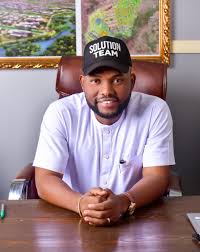
Ozo Ossy Onuko the MD Awka Capital Territory Development Authority ACTDA, wrote from China.
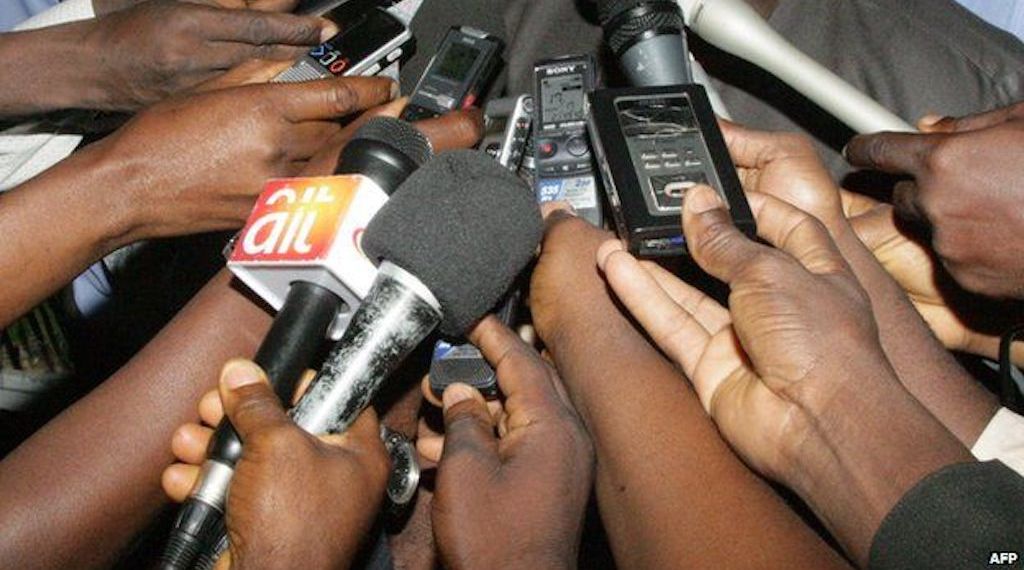
By Shu’aibu Usman Leman,
As we commemorate the 70th anniversary of the Nigeria Union of Journalists – NUJ from 15th March 1955 to 15th March 2025, it is imperative that we pause to acknowledge and honour our fallen colleagues, tragic victims of impunity. Every act of violence against journalists – be it intimidation, harassment, or murder – constitutes a fundamental assault on the very principles of democracy and freedom of expression that we hold dear.
As the esteemed journalist and advocate for press freedom, Anna Politkovskaya, astutely observed, “Without journalism, there are no freedoms.” The courageous pursuit of truth by journalists, alongside their unwavering commitment to exposing corruption and injustice, must not be forgotten or overlooked.
The deafening silence surrounding these appalling acts emboldens those who seek to suppress dissent and obscure the truth. Therefore, we stand resolutely in solidarity with the families of those who have lost their lives in the line of duty, and we must collectively demand justice. Our commendation also extends to the fortitude of survivors, who bear the scars of impunity yet continue their vital work.
It is crucial that we advocate for enhanced protections, accountability, and a culture of safety for journalists. Unless we confront and dismantle this culture of impunity, the future of journalism in Nigeria hangs precariously in the balance. We must remember the sacrifices made and reaffirm our unwavering commitment to upholding their legacy in the fight for truth and justice.
According to the report “State of Media Freedom in Nigeria” by the Media Foundation for West Africa and the Nigeria Union of Journalists, for the period from 2016 to 2020, Nigeria recorded some of the highest levels of violence targeting journalists. These statistics serve as an indictment of the deficient record on democracy and the rule of law in Nigeria, where a lack of transparency, corruption, and the politics of exclusion frequently culminate in frustrations and violent rivalries, creating perilous environments in which journalists become easy targets for powerful forces intent on suppressing dissent.
Acts of impunity against journalists in Nigeria manifest in diverse forms, from murder to harassment and intimidation. The following outlines some of the most concerning instances of acts of impunity perpetrated against members of the press in Nigeria:
*Minere Amakiri: A reporter then for the Nigerian Observer, the former Bendel State newspaper, had his head forcibly shaved with broken glass in Port Harcourt. This was done on the orders of Alfred Diette-Spiff, the Military Governor of Rivers State. His ‘offence’ was reporting on the 30th of July, the Governor’s 31st birthday regarding the grievances of local teachers( 1973).
* Chris Okolie : Chris Okolie, the founder of the defunct New Breed magazine, frequently encountered opposition from the country’s military leaders. In 1977, following the publication of an article deemed unacceptable by the authorities, he was detained. Thousands of copies of the magazine were confiscated, and a publication ban was imposed in June 1978. After a nine-year hiatus, publication resumed.
* Jonathan Ishaku: He was Editor of The Nigerian Standard in Jos, and later it’s General Manager. He was dismissed, at the instance of the Federal Military Government seven days to his wedding for the newspaper’s unrelenting criticisms of the Military President- General Ibrahim Babangida’s Administration (1985).
* Dele Giwa : Dele Giwa, a prominent Nigerian journalist and founding editor of Newswatch magazine, was renowned for his incisive investigative reporting, which exposed corruption and human rights abuses during General Ibrahim Babangida’s military regime. He was killed by a parcel bomb detonated at his Lagos home. It is widely believed that Giwa’s murder was orchestrated by the military government. Nearly four decades later, no one has been charged or convicted for this heinous act. The shocking nature of his death resonated throughout Nigeria’s media and human rights communities, marking a pivotal moment in the ongoing struggle for press freedom and democracy in the country. His legacy continues to inspire journalists and activists both in Nigeria and internationally(1986).
* The Liberian Tragedy : In a stark reminder of the perilous conditions faced by journalists, four Nigerian reporters were tragically killed in Liberia in 1990 while covering the civil conflict. They were Tayo Awotunsin and Krees Imodibe of The Guardian, Sunny Taylor ( of the then Channels), and George Onyemobi (affiliation unspecified). These journalists were victims of violence inflicted by Charles Taylor’s National Patriotic Front of Liberia (NPFL) forces. Their untimely deaths underscore the grave risks that reporters encounter, particularly in conflict zones, and highlight the urgent need for enhanced safety measures and protections for those who courageously report on the realities of war(1990).
* The News Magazine Founders: The News magazine, established in January 1993, played a critical role in Nigeria’s struggle for democracy during the military regimes of Generals Ibrahim Babangida and Sani Abacha. The publication was spearheaded by Bayo Onanuga (Editor-in-Chief), Dapo Olorunyomi, Babafemi Ojudu, Kunle Ajibade, and Seye Kehinde. These journalists risked their safety and livelihoods to reveal the abuses and injustices of the military government. Their committed reporting and resolute editorial stance incited the ire of the authorities, leading to harassment, intimidation, and detention. Despite the considerable obstacles they faced, The News magazine remained steadfast in its commitment to truth and democracy, continuing to publish impactful stories at significant personal risk. Their bravery not only motivated others to join the fight against military rule but also contributed to the eventual transition to democracy in Nigeria(1993).
* Tell Magazine Editors : Further illustrating the suppression of press freedom during Nigeria’s military regime, the police raided the offices of Tell magazine and arrested Editor-in-Chief Nosa Igiebor and Editors Kola Ilori, Onome Osifo-Whiskey, and Ayo Akinkuotu, holding them for 12 days .Tell magazine was recognised for its investigative reporting, which consistently exposed the military government’s abuses and excesses. The detention of its senior editors represented a blatant effort to intimidate and silence the publication, aiming to stifle press freedom in Nigeria(1993).
* The Nigerian Standard 7 : Emma Gogwim Kayi (twice editor), Gideon Mitu, Cyril Ogah, Harris Dawurang, Wilson Yale, Usman Abu, and Danjuma Abah resigned in protest after writing a front-page commentary entitled “This Is Our Stand” against the annulment of the 12th of June 1993 election. The commentary called upon the government to safeguard the democratic process from forces seeking to destabilise the nation. The seven were later reinstated after a year(1993).
* Bunmi Aborisade : Bunmi Aborisade is a well-known Nigerian journalist, author, and activist who played a key role in the struggle surrounding the annulled 12 June 1993 presidential election. As editor of June 12 Magazine, he championed the validation of the election results. His courageous journalism led to his arrest and detention during this period. Following his release, he fled Nigeria and sought refuge in Ghana. However, the Rawlings regime expelled him, forcing him to relocate to the United States. While in exile, Aborisade continued to advocate for democracy and human rights in Nigeria, leading Nigerian Journalists in Exile and the US-based Nigeria Democratic Liberty Forum. Tragically, his mother, Emily Omope Aborisade, was attacked with acid in Ado-Ekiti in 2002 and died from her injuries in 2003. Aborisade has received numerous awards for his journalism, including the 2000 awards for Profile Writing and International News Reporting from the New York Association of Black Journalists. He has also authored several books, including “The Citizen Reporters” and “Everybody Say Ye’ Ye”: An organic novel on Fela’s Communication with humour(1993).
* Founding Editors of Newswatch Magazine: Ray Ekpu, Dan Agbese, and Yakubu Mohammed were arrested in connection with an article based on an interview with a retired senior military officer. The article described General Abacha’s coup as a “putsch against democracy”. They were charged with “sedition and criminal intent to cause fear and alarm to the public and disturb the public peace”. General Abacha later ordered that the charges be dropped, advising journalists to exercise “discretion and self-restraint” in future(1994).
* Bagauda Kaltho : Bagauda Kaltho was imprisoned and tortured under the Abacha regime. He is believed to have been killed in detention for publishing critical reports about the government. His experience exemplifies the courage of Nigerian journalists who faced considerable dangers in their pursuit of truth during a repressive regime. Kaltho’s story serves as a stark reminder of the necessity of safeguarding press freedom and advocating for human rights, both in Nigeria and beyond( 1995).
* The Treason Decree : Kunle Ajibade- The News, Chris Anyanwu- Classique Magazine, George M’bah- TSM, and Ben Charles-Obi- TSM. The Treason and Treasonable Offences Decree No. 29 of 1993, enacted during Nigeria’s military era, broadened the definition of treason, targeting any actions or views deemed disruptive to the nation’s fabric. This decree was used to convict the four Nigerian journalists for reporting on an alleged coup plot. They were accused of being “accessories after the fact to treason” and sentenced to 15 years’ imprisonment, although they were subsequently released by General Abdulsalam Abubakar following the death of General Sani Abacha. The decree, part of a broader strategy by the military government to silence dissent and stifle opposition, faced widespread condemnation from human rights organisations and press freedom advocates, who viewed it as a blatant attempt to muzzle the media and suppress criticism of the government. The case of these four journalists highlights the inherent risks media professionals faced in Nigeria during this oppressive era and underscores the vital need for press freedom and the rule of law to protect citizens’ rights(1995).
* Osa Director: Osa Director, the Kano Correspondent for Dateline, a sister publication of Tell magazine, was arrested after publishing a story entitled “Buhari, Abacha at war over oil money”. Director was held in solitary confinement in Kano. He was charged in Kano after 34 days in detention, appearing before the magistrate in leg irons and handcuffs. He was charged with inciting discontent by publishing “false reports” contrary to sections 416 and 418 of Nigeria’s Penal Code. He was denied bail until October 1995. When bail was granted, he was ordered to report to the State Investigation and Intelligence Bureau’s office monthly and prohibited from publishing any material that could embarrass the government(1995).
* Godwin Agbroko: Godwin Agbroko, Chairman of ThisDay newspaper’s editorial board, and former editor for Newswatch and ThisWeek magazines, was arrested and briefly detained twice in 1995 for his editorial work. In December 1996, he was apprehended by State Security Service members and detained for five months. He was released shortly after receiving the PEN/Barbara Goldsmith Freedom to Write Award in 1997. He was fatally shot in his car in Lagos by unknown assailants (2006).
* Ladi Olorunyomi: Ladi Olorunyomi, a staff member of The News and the wife of Dapo Olorunyomi, was arrested at her home by armed military intelligence agents. She was questioned about the whereabouts of her exiled husband and her boss, Bayo Onanuga(1997).
* Tunde Oladepo: Tunde Oladepo, the Ogun State bureau chief for The Guardian, was assassinated in his home by masked gunmen. The targeted nature of the attack, carried out in front of his family, strongly suggests that his murder was related to his extensive coverage of political affairs in Ogun State(1998).
* Fidelis Ikwuebe: Fidelis Ikwuebe, a freelance journalist contributing to The Guardian, was abducted and murdered while reporting on the clashes between the Aguleri and Umuleri communities in Anambra State(1999).
* Ben Adaji: He was the Taraba Correspondent of The News/TEMPO magazine, who was apprehended following a manhunt for a story detailing a factional conflict in Taraba State. He was also arrested again and detained for his critical reporting (1997& 2003).
*Cyril Mbah: Security Service (SSS) agents escorted Cyril Mbah, a correspondent for “The Monitor” newspaper based at Aso Rock, Nigeria’s seat of government, from the presidential villa. No explanation was provided by the SSS for this action. However, it is believed to be linked to Mbah’s column of 14 September, entitled “OBJ Compels Ministers to Pray”, which was perceived to be critical of the president (2003).
* Tunde Akinleye: The case of Tunde Akinleye provides a stark illustration of the dangers faced by journalists in Nigeria. Akinleye, a photojournalist with the Daily Independent, was brutally assaulted by 12 mobile police officers from Vice-President Atiku Abubakar’s security detail in Abuja. The attack rendered Akinleye unconscious, highlighting the risks journalists encounter when reporting on sensitive issues or powerful individuals (2003).
* Funmi Komolafe and Rotimi Ajayi: Funmi Komolafe, a labour editor, and Rotimi Ajayi, a reporter, both from The Vanguard newspaper, were assaulted by police officers during a protest rally in Abuja (2003).
*Ogun Six : Six journalists tragically lost their lives along the Abuja-Lokoja Highway while returning from official duties with the former Governor of Ogun State, Gbenga Daniel. They were: Doyin Sokoya, Wole Adebari, Deji Onajobi, Sola Bakare, Semiu Oyetunji and Adesina Durosomo (2003).
*The Plateau Eight: Eight journalists perished in a catastrophic accident while travelling in a convoy with the then Governor of Plateau State, Chief Joshua Dariye, namely: Musa Nuhu (News Agency of Nigeria, NAN), Isaac Agbo (The Nation), Judith Adama (New Nigerian), Chiwo Avre (Leadership), Emmanuel Adinoyi (African Independent Television), Reuben Emeje (Federal Information), Sudan Lar (Nigeria Television Authority), and Moses Ezulike (The Daily Champion). The accident was attributed to the poor condition of the bus tyres, which was owned by the Plateau State Government. Those who survived with various degrees of injury are Audu Ojogbane- Daily Independent, Agada Okopi – AIT, Seriki Adinoyi – ThisDay, Asile Abel – Reality Newspaper, Andrew Agbese – Daily Trust , Aminu Manu – Voice of Nigeria , Monday Goteng – NAN and Solomon Gujor of the State Information. This tragic incident highlights the risks and sacrifices made by journalists in Nigeria (2007).
*Adamu Abubakar Gwarzo: A journalist with Radio France Internationale (RFI), he was detained by the Economic and Financial Crimes Commission (EFCC) and charged to Court for Sedition against the State. He was discharged and acquitted by FCT High Court 5 for lack of Jurisdiction. Gwarzo’s arrest and subsequent detention stemmed from a report he authored, which was critical of the EFCC and its then-chair, Farida Waziri.Gwarzo’s predicament was however widely perceived as an attempt to suppress journalistic criticism(2009).
* Akin Orimolade (National Life ): Abducted and detained for eight days on the orders of the Bayelsa State Governor over a news article, which the Governor felt uncomfortable with (2009.)
*Gbenga Aruleba (African Independent Television) and Rotimi Durojaiye (Independent newspaper). The two journalists, were held by the State Security Service and faced up to two years’ imprisonment if convicted. They were detained over a report concerning a presidential aircraft (2009).
*Bayo Ohu: He was an assistant news editor with The Guardian, who was brutally murdered at his Lagos home. He was shot by assailants who gained entry by knocking on his door. While a laptop and cell phone were taken, the prevailing belief among his colleagues and family was that he was targeted for his investigative reporting, particularly his work on alleged fraud within the Nigerian Customs Service. This sensitive investigation likely placed him in the crosshairs of powerful individuals. The subsequent police investigation and trial were heavily criticised for their perceived shortcomings. In May 2012, three suspects were acquitted due to insufficient evidence, leaving Ohu’s murder unsolved and further eroding public trust in the justice system. The case highlighted the dangers faced by journalists investigating corruption and the persistent issue of impunity(2009).
*Lagos Journalists Abducted : Four journalists from the Lagos State Council of the Nigeria Union of Journalists (NUJ) were abducted by armed men in Abia State. They were: Wahab Oba, Chairman , Adolphus Okonkwo, Zonal Secretary, Sylvester Okereke, Secretary , Sola Oyeyipo,Lagos-based journalist and Azeez Abdul Rauf, the driver. They were seized on their return journey from a union conference in Uyo, Akwa Ibom State. The conference had focused on matters pertaining to the state of the union, with particular emphasis on the safety and security of journalists. They were held captive for five days(2010).
*Nathan S. Dabak, deputy editor, and Sunday Gyang Bwede, a reporter for the Church of Christ in Nations(COCIN) monthly newspaper, The Light Bearer were brutally murdered in Jos, Plateau State. They were on assignment, attempting to interview a national Parliamentarian regarding the escalating violence between Muslim and Christian communities. While traveling by motorcycle, they were attacked and fatally stabbed by a militia group. Jos had become a battleground for sectarian conflict, and the journalists’ deaths underscored the extreme risks faced by those reporting from the region. The violence in Plateau state created a hostile environment for journalism, making it extremely dangerous to report the facts(2010).
* Lemmy Ugbegbe (The Guardian): Handcuffed and threatened
by a Magistrate, Zainab Bashir in Abuja , who had insulted and ordered journalists out of her court, after which she singled out Ughegbe for arrest for allegedly not moving out immediately. She consequently ordered her police orderly to handcuff Lemmy Ughegbe and ruled that he be committed to prison. It took the intervention of some lawyers to make her have a change of heart (2010).
* Muhammad Abdulkadir (NTA Abuja): Endured numerous near-fatal encounters as a defence correspondent embedded with troops in counter-terrorism operations in the North East (2010-2016).
* Lawal Ogienagbo, Dapo Olufade, Yusuf Alli, Yomi Odunuga (The Nation): These Journalists were arrested and detained over a cover story concerning a letter from former President Obasanjo to the then President, Goodluck Jonathan( 2011).
* Zakariya Isa, a reporter and cameraman for NTA Maiduguri was killed in Maiduguri, Borno State. Boko Haram claimed responsibility for his murder, alleging that he was “spying” for Nigerian security forces. Isa’s death occurred during the height of the Boko Haram insurgency, a period of extreme violence and instability in northeastern Nigeria. The group’s statement served as a chilling reminder of the dangers faced by journalists reporting on the conflict, where they were often caught between warring factions. His death added to the growing list of journalists killed by the terrorist organisation(2011).
* Desmond Utomwem (FreshNEWS/CABSOJA): He was assaulted by the police and Staff of GTB Abuja. He then sought redress in Court in Abuja and was awarded the largest legal settlement in a Nigerian journalist case (N100 million) for that incident, with the court ruling police violated his human rights. Again the Police CID in Area 10 Garki, Abuja, arrested and detained Desmond , at the instance of a then serving Customs officer, Inspector Umaru Faru. Desmond was working on a story which allegedly was critical of the said officer. He was released following the intervention of the then Police AIG Usman Shehu who received a complaint from the NUJ. The Union demanded for a thorough investigation by the customs of the alleged corruption by Umaru Faru, but to no effect( 2009&2017).
* Enenche Akogwu : Enenche Akogwu, a journalist with Channels Television, was tragically killed during a terrorist attack amidst a Boko Haram offensive in Kano. This account underscores the ongoing sacrifice of journalists committed to uncovering the truth, even when confronting formidable challenges(2012).
*Lagos/Ibadan Disaster: Three officials from the Nigeria Union of Journalists (NUJ) were killed in a tragic road traffic accident. The incident, which also resulted in ten injuries, took place on the Ilesha-Ibadan Expressway. A blow-out on the rear tyre of the bus transporting the journalists to Ibadan and Lagos caused the vehicle to veer off the road and overturn multiple times before coming to a halt in the bushes. This heartbreaking incident shocked the nation as the journalists were returning from a meeting at the Union’s National Secretariat in Abuja, where discussions had centred on journalists’ welfare. The deceased were: Adolphous Okonkwo of VON and the National Financial Secretary of the Union, Olatunde Ojenike of FRCN and Chairman of FRCN Ibadan Network Centre Chapel and Kafayat Odunsi of the NTA Channel 7 Lagos. Nine other journalists and the bus driver survived the crash, with various degrees of injuries. They included : Abdulkareem Fatimah, National Treasurer of the NUJ, Deji Elumoye, Chairman of Lagos State Council and staff of ThisDay newspaper, Gbenga Opadotun, Chairman of Oyo State Council and staff of the Nigerian Tribune, Silva Okereke, Secretary of Lagos State Council and staff of the Champion newspaper, Bimbo Oyetunde, Chairperson of FRCN Lagos Network Centre Chapel, Momoh Adamson of Voice of Nigeria Lagos, Banji Oluwalana of NTA, Victoria Island Lagos, Uzogbu Christopher of Voice of Nigeria Lagos and Bolaji Akeem of NTA, Channel 7 Lagos(2013).
*Ebere Wabara: An Associate Editor with The Sun newspaper, he was arrested by the police from Abia State who stormed his house in Lagos and abducted him to Umuahia, Abia State. He was held, then released on bail after the Inspector General of Police intervened. Wabara was ordered to report back to Abia police. He was arrested based on a petition against him, claimed the police. Colleagues believed he was arrested and detained at the instance of Abia State Governor who was not comfortable with Ebere’s writings (2014).
*Ubale Musa: He was the Correspondent of Deutche Welle Radio attached to the State House Abuja whose accreditation was withdrawn. Ubale was expelled from the State House for asking the visiting Chadian President,Idris Derby a question on the relationship between the Multinational Joint Task Force fighting Boko Haram and South African mercenaries fighting with the Force(2015).
*Yomi Olomofe: The Executive Director and Chairman of the Editorial Board of Badagry Times, was brutally beaten and left for dead by customs-assisted smugglers for daring to investigate a story. This grievous incident occurred within the premises of the Nigeria Customs at Seme Border Command(2015).
*Chizoba Ogbeche (Blueprint): Manhandled and detained for her report at the Police Force Headquarters and Garki Police Station Abuja (2016).
* Friday Ogungemi (Policy and Law Magazine): Arrested and detained by the State Security Service at the instance of the Kogi State Governor over an editorial(2016).
*Charles Otu: The Publisher of Peoples CONSCIENCE Newspaper in Abakaliki, was violently attacked by thugs allegedly sponsored by certain agents of the Ebonyi State Government. He was later rescued from Kpirikpiri Police Station in Abakaliki by sympathisers, where he had been abandoned by his attackers and falsely accused of mischief. Otu had thereafter received multiple threats from thugs and government agents( 2017).
*Luka Binniyat: He faced arrest and detention in Kaduna over a piece he wrote in the Vanguard Newspaper which did not go down well with the Kaduna State Government . He was subjected to stringent bail conditions by the court and remained incarcerated for 83 days until those conditions were relaxed by the Court (2017).
* Emmanuel Ogbeche ( Editor, Abuja Inquirer): He was physically attacked and arrested following the publication of a story deemed detrimental by a lawyer (2017).
* Ikechukwu Ibe (Daily Trust): He was attacked and had his camera seized by an army captain in Abuja for daring to take pictures (2017).
* Jacob Onjewu (New Nigerian): Assaulted by soldiers while covering a polo tournament in Kaduna, (2017).
* Lawal Mohammed (NTA Kaduna): Beaten and his camera damaged by political thugs at the NUJ Press Centre, Kaduna, during a Press Conference (2017).
* Emmanuel Antswen (NAN): Arrested and detained at the behest of the Benue State Commissioner of Water Resources over a report on Internally Displaced Persons- IDPs, in Makurdi (2017).
* Sunday Nwakanma (Daily Times), Chidi Asonye (Authority), Boniface Okoro (Oracle Today): Attacked by soldiers for covering military operations during Operation Python Dance in Umuahia, Abia State (2017 ).
* Moses John Akwashi (Blueprint): Detained by police (2007), assaulted by security operatives (2008), and detained again for taking photos of a police raid (2017).
* Midat Joseph (Leadership/kakaakireporters.com): Arrested at the instance of Kaduna State Government and detained over alleged comments on a WhatsApp group and taken to court but case dismissed due to lack of diligent prosecution (2017).
* Olalekan Adetayo (The Punch): Expelled from the State House Abuja for reporting on President Buhari’s health, (2017).
*Dapo Olorunyomi, Evelyn Okakwu (Premium Times): They were arrested by police the following a complaint from the Chief of Army Staff, Tukur Buratai. This action came after PREMIUM TIMES refused the army’s demand to retract articles concerning the Army and its operations (2017).
* Adebola Brookslyn Sunday (NTA): Attacked by a religious group while covering a protest in Abuja, (2018).
* Samuel Ogundipe (Premium Times): Harassed and arraigned by police in Abuja over a news article, (2019).
*Jones Abiri: The Editor and Publisher of the Weekly Source newspaper, was re-arrested by armed men while meeting with six colleagues at the Bayelsa Federated Newspaper Publishers Association, Yenogoa. Abiri had previously endured two years of detention without trial by the Department of State Services (DSS), facing allegations of connections to rebels in the Niger Delta and claims of threatening oil companies(2019).
*Obinna Don Norman: The Publisher of Realm News was arrested and detained in prison on the orders of a Magistrate. Don Norman was charged in Umuahia Under the 2015 Cybercrime act. He was alleged to have defamed and harassed Senator Theodore Orji (2019).
*Agba Jalingo, the publisher of CrossRiverWatch, was arrested over a report alleging the diversion of N500 million belonging to Cross River State by Governor Ben Ayade. The Cross River State government had taken over the prosecution of Jalingo’s case from the police. He was granted bail after spending an arduous 174 days in detention across both police custody and Calabar prison ( 2019).
*Precious Owolabi: He was a reporter with Channels Television, who was killed while covering a protest by members of the Islamic Movement of Nigeria (IMN). The peaceful demonstration demanding the release of their leader, Sheik Ibrahim El-Zakzaky, turned violent, prompting the police to open fire indiscriminately. Tragically, Owolabi succumbed to bullet wounds sustained during the protest. The identity of the individual who fired the fatal shots remains uncertain ( 2019).
*Pelumi Onifade: He was a 20 year old Trainee Journalist with Gboah TV, an online broadcast platform who was found dead in a morgue in Lagos, six days after being shot during a protest he was covering in Lagos. Those responsible for his death have never been identified( 2020 ).
*Alex Ogbu: A reporter with Regent African Times, he was struck and killed by a stray bullet fired by police during a clash between the Islamic Movement of Nigeria (IMN), and the police in Abuja( 2020).
* Jaafar Jaafar: The editor of the Daily Nigerian, Jaafar Jaafar, fled Nigeria after publishing a video allegedly showing Kano State Governor Abdullahi Ganduje accepting bribes. He relocated to the United Kingdom due to reported threats to his life (2021).
* Adekola Bamgbala: Bamgbala, a street photographer, was detained for eight months following a fatal incident during a joint operation with the Lagos State Traffic Management Agency (LASTMA). Despite having no involvement, he was arrested after a traffic stop resulted in a driver’s death. The NUJ Lagos Council provided legal and financial support, securing his release (2022).
* Gabriel Idibia (Daybreak Newspapers): Idibia was arrested and charged with defamation, intimidation, and inciting religious contempt over a report on the Kaduna Hajj camp. He was later granted bail.
Additionally police officers in Kaduna, arrested Gabriel Idibia, while he was photographing officers herding cattle across a road(2023 & 2024).
* Godwin Tsa (The Sun): Tsa was arrested by Federal Capital Territory Administration security officers while reporting on a protest against shop demolitions in Abuja. He was detained, his phone was seized, and he was coerced into deleting protest footage. The Nigeria Union of Journalists (NUJ) FCT Council secured his release ( 2023 ).
* Tayo Ikujunni (News Agency of Nigeria): An Assistant Editor-in-Chief, Ikujunni was physically assaulted by Ondo State Commissioner for Youths and Sports Development, Saka Yusuf Ogunleye, while covering the APC governorship primary. At Eji-Oba High School, Yusuf Ogunleye punched Ikujunni, seized and discarded his mobile phone, and ordered thugs to confiscate his tablet after Ikujunni enquired about electoral materials. Yusuf Ogunleye verbally abused Ikujunni, before security personnel intervened(2024).
*Jide Oyekunle: A Photojournalist with the Daily Independent newspaper, and Kayode Jaiyeola, a Photojournalist with Punch newspaper, were arrested in Abuja by Police as they covered protests (2024).
The Enduring Legacy of Valiant Journalists:
These accounts, while not comprehensive, underscore the profound sacrifices made in the tireless pursuit of truth and justice. As we commemorate those journalists tragically lost in the course of their duties, and those who have endured various forms of impunity, we must reaffirm our unwavering commitment to safeguarding press freedom.
It is imperative that we pursue accountability for those who perpetrate violence against journalists. Only through dedicated and persistent endeavours can we truly honour the legacy of our fallen colleagues, ensuring their sacrifices serve a meaningful purpose. The Nigeria Union of Journalists must resolutely uphold its mission to defend journalists and champion the fundamental principles of a free and independent press.
Let us unite, inspired by their fortitude, as we strive towards a future where equity prevails and truth is vigorously protected. As we mark this pivotal milestone in the NUJ’s history, let it serve as a rallying call for all stakeholders in Nigeria—journalists, media organisations, civil society, and the government—to pledge to safeguard journalists’ rights, ensure their safety, and foster an environment conducive to free expression and responsible reporting. Through concerted action, we can pave the way for a more just and equitable Nigeria, where the pursuit of truth is recognised as a fundamental right for all citizens. This is a salute to men and women of courage.
Shu’aibu Usman Leman,
National Secretary,
Nigeria Union of Journalists,
November 2002 – April 2024
Yahoo Mail: Search, Organize, Conquer

-
 News3 days ago
C’RIVER 2027 BUDGET: GOV OTU PRESENTS ₦987.8bn ESTIMATES TO ASSEMBLY
-
 EverydayNews Telescope4 days ago
Enugu East Senate: The Dark Side of Ada Ogbu, NDC Candidate
-
 News5 days ago
Tension Mounts in Awka Anglican Diocese as Supervising Bishop Ezeofor Moves to Take Over Wednesday
-
 News2 days ago
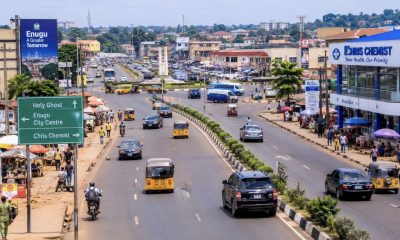
Holy Ghost Transformation: How Enugu North Chairman Ibenaku Onoh Ended Years of Traffic Chaos, Roadside Trading
-
 EverydayNews Telescope4 days ago
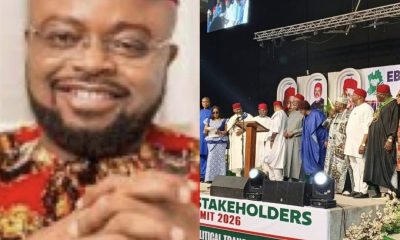
Ebonyi 2027: The People’s Quest For ODII Vs Compromised Stakeholders
-
 Politics2 days ago
One Feared Dead, Several Injured as Thugs Attack Ebonyi NDC Assembly Candidate, Burn Campaign Vehicle
-
 Politics4 days ago
2027: Tinubu Has No Hand in Alleged Assassination Plot Against Atiku – APC
-
 Economy5 days ago
Fuel Subsidy Removal Irreversible, Nigeria Won’t Return to Egypt — Tinub