



News
‘From Crude to Cash’: Ex-Abia Speaker Orji Says Tinubu’s Fiscal Reforms Are Redefining Nigeria’s Revenue Base


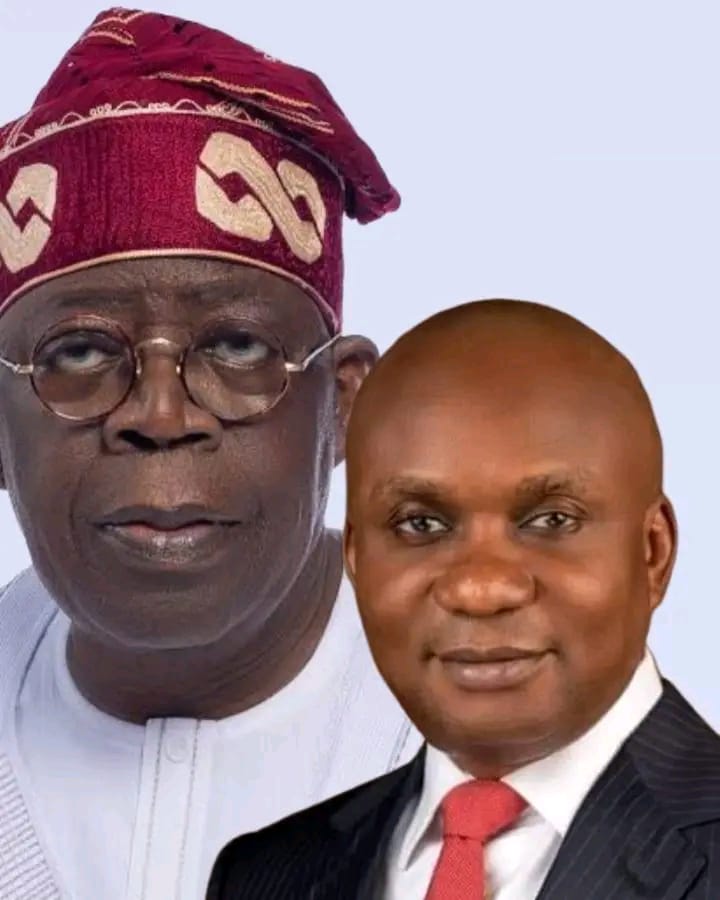
Former Speaker of the Abia State House of Assembly and APC House of Representatives candidate for Ikwuano/Umuahia, Rt. Hon. Chinedum Enyinnaya Orji, has said President Bola Ahmed Tinubu’s fiscal reforms are deliberately moving Nigeria away from oil dependence toward a tax-driven revenue economy.
In an opinion article titled “From Crude to Cash: How Tinubu’s Fiscal Reset Is Redefining Nigeria’s Revenue Economy”, Orji argued that the administration inherited a budget structure tied to crude oil prices and has begun rebuilding public finance through subsidy removal, digital tax collection and an expanded non-oil base.
> “Rather than wait for another oil boom to bail out the treasury, his administration chose to rebuild the plumbing of public finance: tax administration, digital collection, and a non-oil base wide enough to stand on even when barrels wobble,” Orji wrote.
He described the removal of petrol subsidy in May 2023 as the first step of the reset, stating that it increased Federation revenue from ₦16.8 trillion in 2023 to ₦31.9 trillion in 2024, according to data cited in the article.
Orji said allocations to states and local governments also rose sharply, from ₦6.16 trillion in 2023 to ₦15.26 trillion in 2024, giving subnationals more capacity to fund roads, schools and hospitals.

The former Speaker said government complemented the subsidy savings with reforms to modernise tax administration through digital systems, data matching and compliance drives.
He noted that the reforms now target telecommunications, financial services, manufacturing, trade and the digital economy, including fintech companies, e-commerce platforms and content creators.
> “No economy grows sustainably when only oil companies and big banks pay taxes while millions of profitable businesses stay off the books,” he stated.
Orji cited improvements in fiscal indicators, including a narrowing deficit, stronger external reserves, and clearance of a $7 billion foreign exchange backlog, which he said reflected growing investor confidence.
He, however, acknowledged the immediate burden on households from higher transport, food and energy costs.
> “The social contract of these reforms is still being negotiated. Households felt the pain first — higher transport, higher food, higher power bills. The promise is that the gains will be recycled into infrastructure, education, and health,” Orji wrote.
He said the success of the fiscal reset will depend on implementation and public trust, stressing that citizens must see tangible improvements in services.
> “Nigeria is still an oil country. But for the first time in a long time, it is budgeting like it might not always be,” he concluded.

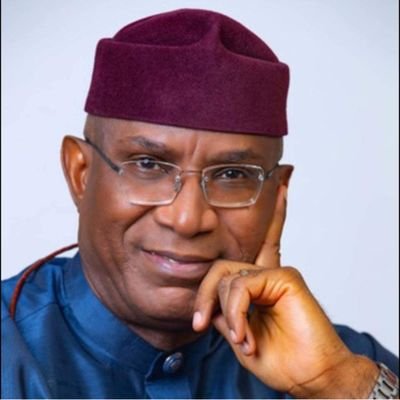
The Federal High Court sitting in Warri, Delta State, has nullified the nomination of former Deputy President of the Senate, Senator Ovie Omo-Agege, as the Nigeria Democratic Congress (NDC) candidate for Delta Central Senatorial District in the 2027 general elections.
The court, presided over by Justice Hyeladzira Ajiya Nganjiwa, ordered the Independent National Electoral Commission (INEC) to remove Omo-Agege’s name from its list of candidates for the election and restrained him from parading himself as the party’s senatorial candidate.
The court also reportedly held that the statutory window for conducting fresh primaries to nominate another candidate had elapsed, thereby raising questions about the NDC’s ability to field a replacement for the former deputy Senate president.
The judgment followed a suit instituted by Professor Alexander Osondu Akpodiete, marked FHC/WR/CS/120/2026, challenging the validity of Omo-Agege’s emergence as the NDC candidate.
Akpodiete had questioned Omo-Agege’s resignation from the All Progressives Congress (APC), his membership of the NDC and his eligibility to participate in the party’s senatorial primary.
Delivering judgment, Justice Nganjiwa reportedly dismissed five preliminary objections raised by Omo-Agege, the NDC and INEC challenging the competence of the suit before proceeding to determine the substantive issues.
The court held that the NDC failed to comply with the mandatory provisions of the Electoral Act regarding the submission of its membership register to INEC ahead of its primary election.
Specifically, the judge found that Omo-Agege’s name was not contained in the NDC membership register submitted to INEC at least 21 days before the party conducted its primary.
The court also reportedly held that the NDC failed to provide credible evidence establishing that the membership register was subsequently updated and submitted within the statutory period.
On Omo-Agege’s previous membership of the APC, the court reportedly relied on INEC’s revised electoral timetable and evidence relating to the APC senatorial primary held on May 18, 2026.
According to the judgment as reported, his participation in the APC primary established that he was still a member of the party at the material time.
Justice Nganjiwa maintained that only persons whose names appeared in a political party’s membership register submitted to INEC in accordance with the Electoral Act were eligible to participate in its primaries.
On the admissibility of a previously withdrawn affidavit, the court held that a party was entitled to withdraw an affidavit already filed in a proceeding, adding that once withdrawn, such an affidavit ceased to form part of the court records and could not be relied upon in determining the matter.
The judge further stressed that a political party’s nomination process must comply with statutory requirements, noting that INEC could not recognise a candidate whose emergence was founded on a process that violated the Electoral Act.
Consequently, the court invalidated Omo-Agege’s nomination, ordered INEC to delist him and restrained him from presenting himself as the NDC candidate for Delta Central Senatorial District.
The ruling marks a major development in the political contest for the Delta Central senatorial seat, particularly as the court reportedly held that the statutory period for conducting fresh primaries had expired.
The development also raises questions about the legal options available to the NDC and whether the party can challenge the judgment on appeal.
The full certified judgment was not available at the time of filing this report. Responses from Omo-Agege, the NDC and INEC were also being awaited.

The National Independence Electoral Commission (INEC) says that no fewer than 520 polling units, two per registration area, will be used for upcoming Mock voting in Enugu State on Saturday.
The INEC Resident Electoral Commissioner (REC) in Enugu State, Dr Chukwuemeka Chukwu, disclosed this during the Combined Stakeholders’ Meeting on Preparations for the 2027 General Elections held in Enugu on Monday.
Chukwu said that the commission had scheduled a nationwide “Mock Accreditation Exercise” for Nov. 28, to test the functionality and operational readiness of its accreditation technology and election-day processes.
“To ensure effective implementation, a total of 1,040 personnel will be deployed for the exercise, comprising two personnel assigned to each of the 520 selected Polling Units (PUs).
“This arrangement is intended to ensure adequate personnel coverage, effective coordination and a proper assessment of the commission’s accreditation technology and operational procedures ahead of the 2027 General Elections.
“I encourage all stakeholders, particularly political parties, civil society organisations and the media, to support the exercise and sensitise voters in the selected areas,” he said.
On staff capacity building, the REC said that the commission just-concluded a three-day training for Electoral Officers (EOs) and Assistant Electoral Officers (AEOs) from Nov. 16 to Nov. 18.
“The training strengthened officers’ capacity in election planning, coordination, implementation and compliance with established guidelines; thus, ensuring that officers demonstrate professionalism, neutrality, discipline and accountability in the discharge of their responsibilities,” he said.
Chukwu said that INEC held a meeting with the Inter-Party Advisory Council (IPAC) on Nov. 20, to discuss preparations for the 2027 General Elections and strengthen cooperation with political parties.
The REC said that the commission organised an Electoral Risk Management Sensitisation Workshop on Oct. 29 to familiarise stakeholders with the commission’s Electoral Risk Management Framework and strategies for identifying and mitigating electoral risks.
“The Commission has continued to promote inclusive electoral participation through people living with disability sensitisation as well as gender-related and youths activities.
“A total of 540 women from the 17 LGAs were sensitised already through organised workshops,” he said.
Speaking, CP Fidelis Ogarabe, the Commissioner of Police and Co-Chairman on Election Security, assured that security agencies would provide security for all INEC programmes and activities in the state.
“Security agencies are always ready. We are assuring INEC and residents of the state of adequate security before, during and after the elections.
“We are ready; call on us and tell us the security challenges and we will resolve it on time,” Ogarabe assured.Contributing, the Chairman, Enugu State Traditional Rulers’ Council, Igwe Samuel Asadu, urged INEC to do more enlightenment and awareness on its statewide programmes and activities, especially those affecting residents in localities.
Asadu noted that more should be done on awareness concerning collection of Permanent Voter Cards, upcoming mock voting, need for mass participation in the electoral process and frequent engagement of stakeholders for them to ginger the people to participate.
The combined stakeholders’ meeting involved political parties, security agencies, traditional and religious institutions, civil society organisations, organisations of Persons with Disabilities, media, INEC head of departments and electoral officers in the state.

Nigeria is not currently equipped to host the FIFA World Cup due to inadequate infrastructure, particularly stadiums, airports and transportation networks, FIFA President Gianni Infantino has said.
Infantino made this assessment during an exclusive interview with ARISE News in Abuja on Monday while responding to a question on whether Nigeria could host a tournament of the magnitude of the World Cup.
“Today, no. But tomorrow, why not?” he said.
The FIFA president, however, expressed optimism that Nigeria could become capable of hosting the competition in the future, noting that the country had the resources, passion and determination to pursue the ambition.
According to him, the key requirements for hosting the tournament include world-class stadiums, airports and efficient transportation infrastructure.
“The key to hosting a World Cup is obviously the infrastructure, the stadiums, the airports, transportation, and this is where best practice is needed,” Infantino said.
He added that Nigeria had the resources and political will to move forward with planned sporting infrastructure projects.
“I think Nigeria has the resources, has the passion, has the will as well to move ahead with the projects that are planned in terms of stadiums,” he said.
Infantino also spoke positively about some football facilities he had visited in Abuja and Warri, describing them as impressive.
“For example, I visited a national training centre in Abuja, in Warri as well. A very nice stadium. Very nice,” he said.
His comments came days after he inspected the ongoing FIFA Forward Technical Centre project at the Moshood Abiola National Stadium in Abuja and the renovated Warri City Stadium in Delta State.
The Abuja technical centre, being developed in collaboration with the Nigeria Football Federation, received $4.88m in funding from FIFA under its Forward 3.0 programme.
The project includes a 68-room players’ hostel, two training pitches and other facilities designed to support the development of Nigeria’s national teams.
Meanwhile, the Warri City Stadium, which has a seating capacity of 15,000, is undergoing extensive remodelling as part of efforts to upgrade sporting facilities in Delta State.
Africa has hosted the men’s FIFA World Cup only once, with South Africa making history as the first African country to stage the tournament in 2010.
Morocco will become the second African host in 2030 when it co-hosts the competition with Spain and Portugal. Uruguay, Argentina and Paraguay are also scheduled to host one centenary celebration match each.

The Creek To Creek Movement has learned with deep sadness the tragic boat mishap involving mourners traveling for a funeral in Southern Ijaw Local Government Area of Bayelsa State.
The last reports available to the Creek To Creek Movement state that the number of deaths from this unfortunate accident has risen to 29, with over 50 survivors receiving treatment in hospitals.
We wish to deeply commiserate with His Excellency, Senator Duoye Diri, Governor of Bayelsa State, the families of the victims, and the entire Bayelsa State for this avoidable tragedy.
While we cannot overstate the importance of heeding all protocols for safety and best practices in all forms of transportation, and, indeed, in the daily lives of our people in the creeks, and all over the Federal Republic of Nigeria, we wish to extend our hands to support the Government, the families of the victims and the people of Bayelsa State as they recover and heal from this tragedy.
It continues to be our objective in the Creek To Creek Movement to continue to partner with authorities to advance the cause of the creek communities and work to help in improving the living conditions of our people.
Signed:
Chief Mike Ebi Ayapaye
Founder/Director-General
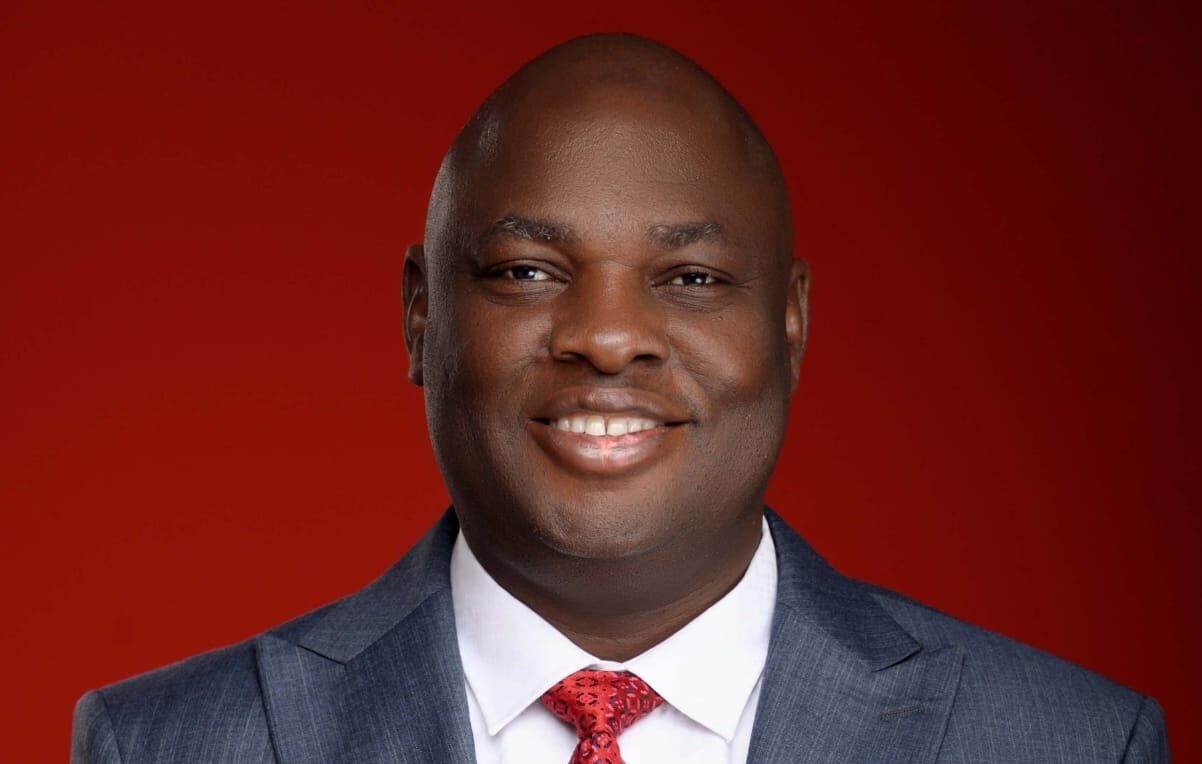
The Enugu East Local Government Area of Enugu State has distributed five additional transformers to five communities under the second phase of its rural electrification programme.
The intervention is aimed at improving electricity supply, strengthening rural infrastructure and supporting economic activities across the council area.
The beneficiary communities are Amorji Nike, Amokpo Nike, Umuenwene-Iji Nike, Ezza Onuogba and Ezza Akpuoga.
The distribution ceremony attracted community leaders, stakeholders, party members and residents, marking another milestone in the administration’s efforts to expand access to electricity under the leadership of the Executive Chairman, Dr. Pst. Beloved-Dan Obi Anike.
Addressing the gathering, Anike disclosed that the second phase of the rural electrification programme was designed to cover 12 communities and neighbourhoods, with five transformers already distributed and seven others awaiting delivery.
He recalled that during his first tenure, his administration distributed 15 transformers to 15 communities and neighbourhoods across the local government area.
The chairman reaffirmed his commitment to completing the second phase before the end of his administration, assuring residents that all outstanding beneficiary communities would receive their transformers.
“This is a promise I made, and I am ready to fulfil it before the end of my administration,” he said.
Anike expressed appreciation to the Enugu State Governor, Dr. Peter Ndubuisi Mbah, for creating an enabling environment for local government administrations to deliver on their developmental responsibilities.
He also acknowledged the contributions of party members, community leaders and other stakeholders to the success of his administration.
Speaking at the event, the Chief Technical Officer of MainPower, Enugu State, Engr. Chimezie Chukwu, commended the chairman for his sustained investment in rural electrification and commitment to improving the living conditions of residents.
Chukwu urged the beneficiary communities to take ownership of the transformers and protect them against theft and vandalism.
He also cautioned residents against illegal electricity connections, describing the practice as a major cause of transformer damage. He explained that illegal connections could overload the system and disrupt electricity supply to entire communities.
He assured residents that the necessary technical procedures would be undertaken to ensure the prompt energisation of the transformers.
Also speaking, Pst. Obi, the contractor handling the procurement, installation and energisation of the transformers, commended the chairman for his consistency in implementing the rural electrification programme.
He noted that the rising cost of procuring, installing and energising transformers made the council’s intervention particularly significant.
He equally stressed the need for community ownership, urging residents to establish local vigilance mechanisms to protect the equipment against theft and vandalism.
In their separate remarks, community leaders from the beneficiary communities expressed appreciation to the chairman and the Local Government Council for the intervention.
They noted that improved electricity supply would boost businesses, enhance security and strengthen essential services, particularly in education and healthcare.
With the distribution of the five transformers, the council has now commenced the implementation of the 12-transformer second phase of its rural electrification programme, leaving seven outstanding.
The council is also undertaking the installation and energisation of the distributed transformers to ensure that the intervention translates into improved electricity supply across the beneficiary communities.


-
 News2 days ago
37th NAFEST Kicks Off In Enugu As Mbah Seeks Unity, Economic Gains Through Culture
-
 News4 days ago
Ferotex CEO, Festus Oshaba-Onuh, Dies In Fatal Road Accident
-
 Crime4 days ago
Enugu Police Launch Manhunt for Kidnappers After 73-Year-Old Victim’s Release
-
 Politics4 days ago
‘Bamayi’ Chant Sparks Violence As Suspected Mob Attack APC Convoy, 5 buses destroyed
-
 News4 days ago
ESUT to be renamed after Jim Nwobodo – Mbah
-
 Opinion2 days ago
PETER MBAH AND THE QUESTION OF CONTINUITY: A CALL FOR REFLECTION
-
 News4 days ago
Soludo Approves N50,000.00 December Bonus For Anambra Civil Servants
-
 News3 days ago
Ex-Super Eagles Captain, Segun Odegbami, Survives Machete Attack