



Health
FG vaccine fund runs into crisis, AstraZeneca scarcity hits India


· Nigeria may go for Pfizer which costs $20 per dose; AstraZeneca, $4
· WHO may review usage of expired COVID-19 vaccine for Nigeria, others
There are strong indications that a crisis has hit Nigeria’s moves to procure more COVID-19 vaccine doses as the budget estimates for the procurement are grossly inadequate.
It was gathered on Sunday that the budget estimates the Ministry of Health submitted to the Ministry of Finance, Budget and National Planning were based on AstraZeneca vaccine, which is $4 per dose.
Findings, however, indicated that because of the scarcity of AstraZeneca vaccine, as a result of the COVID-19 crisis in India, Nigeria might opt for Pfizer vaccine, which is $20 per dose.
It was learnt that with the cash crunch facing the country, it might be difficult to get additional funds to purchase all the Pfizer vaccine doses needed.
The President, Major General Muhammadu Buhari (retd.), had at a meeting with the President of the Senate, Ahmad Lawan and the Speaker of the House of Representatives, Femi Gbajabiamila, in March said he would submit to the National Assembly, a supplementary budget for arms purchase and COVID-19 vaccines.

But the National Assembly on Sunday told The PUNCH that it was still awaiting the supplementary budget.
Recall that the Federal Government on March 2 received 3.9 million doses of AstraZeneca vaccine through the COVAX, an initiative co-led by the Vaccine Alliance, GAVI, and the World Health Organisation.
The initiative seeks to ensure equitable access to a COVID-19 vaccine by dividing about two billion doses across 92 low-and middle-income countries.
As of May 1, 1,222, 109 Nigerians had been vaccinated against COVID-19, according to the National Primary Health Care Development Agency.
India, which manufactures Oxford-AstraZeneca coronavirus vaccine, has halted its export following the spread of a devastating strain of the virus in the country.
According to a BBC report, 190 countries that are under the Covax scheme are likely to be affected as India battles to meet its local vaccine needs.
On Sunday, India recorded 3,689 COVID-19 deaths, 24 hours after it recorded more than 400,000 COVID-19 cases in a single day for the first time.
According to the CNN, several Indian states were forced to postpone their vaccination plans on Saturday due to supply shortages.
On Sunday, it was learnt the Federal Ministry of Health’s budget proposal, which was based on AstraZeneca vaccine, might be increased so that the fund could be used to procure Pfizer vaccine.
A top health official, who spoke to The PUNCH on the condition of anonymity because he was not authorised to speak with the press, said the proposal submitted to the Ministry of Finance, Budget and National Planning, were estimates of AstraZeneca which are now scarce.
The official said with the scarcity of AstraZeneca, which cost about $4 per dose, Nigeria may opt for Pfizer, the only other vaccine which had been approved by the National Agency for Food Drug Administration and Control.
She said, “The estimates we submitted were for AstraZeneca which is the cheapest vaccine on the market. We estimated that each dose would cost $4.
“However, with the scarcity of AstraZeneca, we may have to opt for Pfizer. Unfortunately, Pfizer will cost us about $20 per dose and each person will need two doses. That is $40 per person. They are now talking about a booster jab which will cost an extra $20. In essence, it may cost $60 (N24,600) to vaccinate one Nigerian.
“This problem is not peculiar to Nigeria, but this is what we are facing now due to the scarcity of vaccines. Also, I am sure you are aware that Nigeria is facing a scarcity of funds. So, advocacy remains our best strategy. These are non-pharmaceutical interventions like wearing masks, social distancing and washing of hands.”
The Nigerian National Petroleum Corporation had in a memo last week stated that it would be making no contribution to the Federation Account because of its huge oil subsidy payments, a situation which has put the government in panic mode.
In a related development, it was learnt that over a month after the Ministry of Health had submitted its COVID-19 budget estimates to the finance ministry, the proposal had not yet been submitted to the National Assembly.
The Finance Minister, Zainab Ahmed, had on March 31 told State House reporters that the health component of the supplementary budget – which included vaccine estimates – was being delayed by the failure of the Ministry of Defence to submit its own estimates for military hardware.
When asked the time the finance ministry would send the COVID-19 supplementary budget to the National Assembly, the media aide to the finance minister, Yunusa Abdullahi, told one of our correspondents that he would respond later.
He had yet to provide the response up till the time of filing this report neither had he replied to a text message sent to him on the matter.
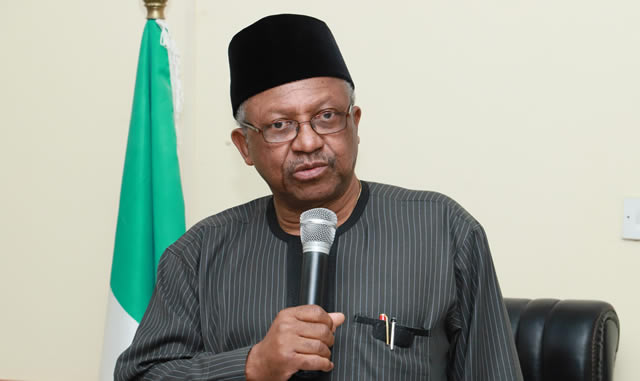
Also, the Minister of Health, Dr Osagie Ehanire, did not take his calls when The PUNCH attempted to get his reaction to the crisis over the vaccine budget.
He also did not respond to the text message sent to him on the matter.
In the text message, the minister was asked if it was true that the WHO met with him and some others to review the usage of expiring COVID-19 vaccines for Nigeria and whether it was also true that the scarcity of AstraZeneca would increase the nation’s budget for vaccine as Nigeria might opt for a more expensive vaccine, Pfizer.
He has yet to either return the calls or respond to the text message as of the time of filing this report at 9.30pm.
WHO may review usage of expired COVID-19 vaccines for Nigeria, others
Meanwhile, the World Health Organisation will this week consult Indian health authorities to determine if expired AstraZeneca COVID-19 vaccine can be used for countries like Nigeria which benefit from its COVAX facility.
The Director, WHO, Africa, Dr. Matshidiso Moeti, stated this during an interview with select journalists on Thursday.
The idea, it was learnt, had been discussed with all ministers of health in Africa including Nigeria’s Health Minister, Dr Osagie Ehanire.
The PUNCH was informed that the move had become necessary due to the scarcity of AstraZeneca vaccine caused by the recent surge in COVID-19 infections in India which is the manufacturer of the vaccine.
Moeti said, “On Tuesday I met with ministers in the African region to discuss key issues, particularly around expiring doses, supply shortages, vaccine safety and misinformation. The WHO is awaiting additional stability data from the Serum Institute of India to determine if the shelf life of AstraZeneca COVID-19 doses can be extended from six months to nine months.
“For doses that have already expired, the WHO is looking closely at the regulatory, scientific, logistical and problematic challenges and will issue a statement next week (this week).”
The BBC had reported last week that many vaccines could be used up to 36 months after manufacture, but because COVID-19 jabs are relatively new, there is not enough data to prove their effectiveness over longer periods.
The British medium noted that the WHO had in April urged African countries not to destroy COVID-19 vaccines that might have passed their expiry date but keep hold of them and wait for further guidance.
The PUNCH reports that the WHO may this week determine if Nigeria can extend usage of its over 1.5 million doses which are expected to expire between June 28 and July 10, 2021.
The WHO regional director said, “We are encouraging countries to prioritise the first dose to reach more people rather than saving supplies for the second dose.
“It is imperative that the available doses are used as quickly as possible to protect people from severe disease and death due to COVID-19.”
Govs await FG, states running out of vaccine stocks
The Lagos State Commissioner for Information and Strategy, Mr Gbenga Omotoso, in an interview with The PUNCH on Sunday, stated, “Most manufacturers of these vaccines do not want to deal with sub-national, they want to deal directly with the Federal Government. So, we have to wait, no matter the situation on what the Federal Government wants to do.”
“We are a sub-national, before we take any step we have to go through the Federal Government. The FG has some policies about vaccination which we must follow. We are still waiting for the Federal Government before we make decision on vaccine importation.”
Bauchi State Government has declared that it has no plans to buy additional COVID-19 vaccine doses for the state.
The Executive Chairman, Bauchi State Primary Health Care Development Agency, Dr. Rilwan Mohammed, told one of our correspondents that the state government had just received additional 24,000 doses of the vaccine from the Federal Government in addition to the earlier 80,570 doses it received.
Mohammed, who is the Contact and Surveillance Sub-Committee Chairman, Bauchi State Task Force on COVID-19 said, “Bauchi State is not ready to import any COVID-19 vaccine because the Federal Government just yesterday (Saturday), released additional 24,000 doses to us. This is in addition to the 80,570 we had earlier received.”
On its part, the Sokoto State said this week it would exhaust the remaining doses of the vaccine it had.
The state Commissioner for Health, Dr Muhammad Ali Inname, told one of our correspondents that out of the 68,660 vaccines the state received, it had exhausted 34,000, on 21,000 people.
Inname stated, “Plans have been concluded to take the remaining vaccine doses to all the local government areas in the state. This will be done in the next ten days, to exhaust the remaining 34,000 doses.”
When contacted, the Special Adviser to the Osun State Governor on Public Health, Dr. ‘Siji Olamiju, stated, “Once we know Federal Government’s plan, I can assure you that the state government of Osun will be the first to kick start process of getting vaccine because Mr Governor places high premium on the healthy living of the residents.”
Also, the Akwa Ibom State commissioner of Health, Prof. Augustine Umoh, said that vaccines were only available to countries, not states.
He said “Yes, plans are still in place to bring in vaccines by the country. Vaccines are available only to countries, not states.”
The Kano State Coordinator of the Task Force on COVID-19, Dr Tijjani Husain, said that it was the sole responsibility of the Federal Government to provide COVID-19 vaccine doses to the states.
He disclosed that the Federal Government recently provided 10,000 additional doses of the vaccine to Kano State after it exhausted the 209,520 doses of the Oxford Astrazenica vaccine it received earlier.
We are still expecting COVID-19 vaccine budget from executive – Senate
Meanwhile, the Senate on Sunday it was still expecting the supplementary budget for the purpose of procuring additional COVID-19 vaccines from the executive.
The Chairman of the Senate Committee on Primary Healthcare and Communicable Diseases, Senator Chukwuka Utazi, stated this in an interview with one of our correspondents.
Asked for the update on the plans by the Federal Government to procure additional vaccines, Utazi said, “We are still expecting the supplementary budget from the executive arm of government.”




The woman who tested positive for Ebola in Nigeria has been identified as the wife of a Swiss diplomat stationed in Abuja, with preliminary investigations suggesting that she contracted the deadly virus during a recent trip to Uganda.
According to Reuters, Switzerland’s Federal Department of Foreign Affairs confirmed on Thursday that the 42-year-old Ugandan-born woman tested positive on October 20, marking Nigeria’s first confirmed Ebola case in over a decade.
The Swiss authorities disclosed that the patient had spent approximately one week receiving treatment at a private hospital in Abuja after developing symptoms before laboratory tests confirmed the infection.
The ministry explained that the woman was believed to have contracted the virus during a visit to Uganda about two weeks earlier.
Her husband, who accompanied her on the trip, has since been placed in isolation as a precautionary measure, although he has not exhibited any symptoms of the disease.
However, uncertainty remains over the actual source of the infection, as international health agencies intensify efforts to reconstruct the patient’s travel history and identify possible exposure routes.
Ugandan authorities had suggested that the woman visited eastern Democratic Republic of the Congo before travelling through Uganda, but the World Health Organisation (WHO) and Africa Centres for Disease Control and Prevention (Africa CDC) said the claim had not been independently verified.
Africa CDC official Wessam Mankoula disclosed during an online briefing that Nigerian and Ugandan health authorities were exchanging information to establish the patient’s movements.
He maintained that there was currently no validated evidence confirming that the woman travelled to the Democratic Republic of the Congo.
Providing further clarification, WHO Representative in Nigeria, Pavel Ursu, said available records indicated that the patient travelled to Uganda on September 16 and returned to Abuja on October 3.
Ursu also confirmed that the woman remained hospitalised, adding that medical indicators showed signs of improvement.
Meanwhile, WHO Emergency Response Manager Patrick Otim said investigations were continuing to establish where the infection originated and identify health facilities the patient visited after developing symptoms.
The Nigerian case has been linked to an outbreak involving the Bundibugyo strain of Ebola, first reported in the Democratic Republic of the Congo in May.
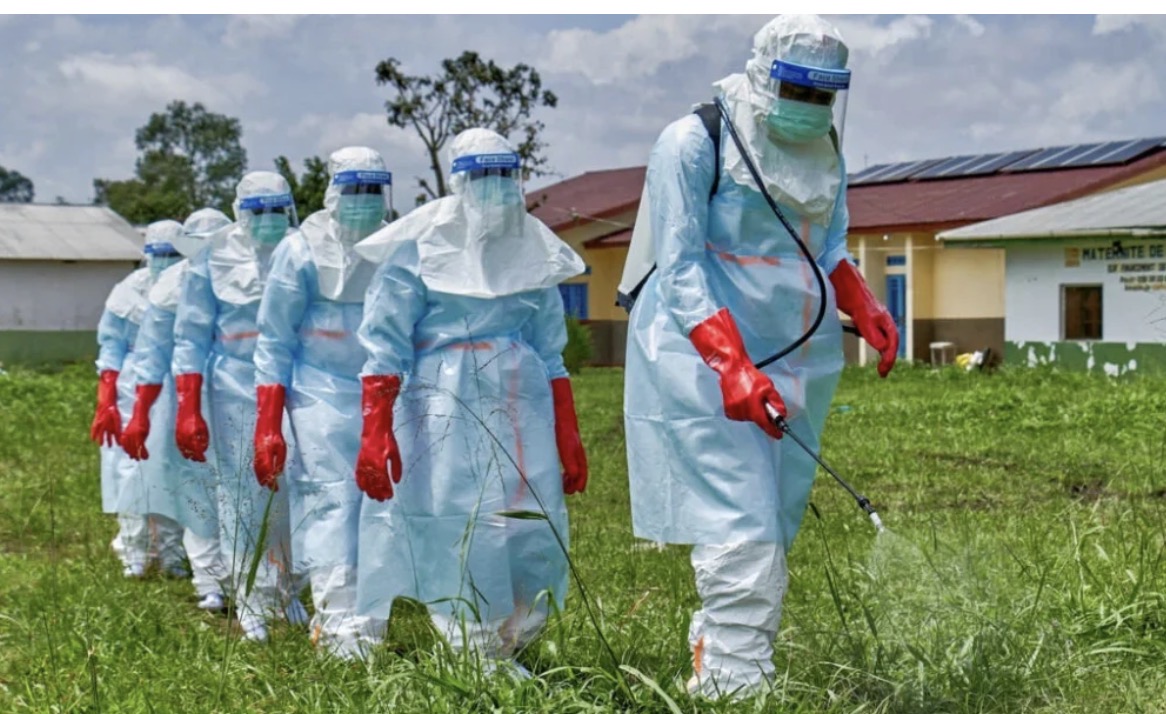
Ebola is transmitted through direct contact with the blood or bodily fluids of infected persons, including deceased victims. Common symptoms include fever, vomiting and diarrhoea, while severe infections can result in death.
Health authorities are currently tracing the patient’s contacts and reviewing her movements to identify individuals who may have been exposed and prevent further transmission of the virus.
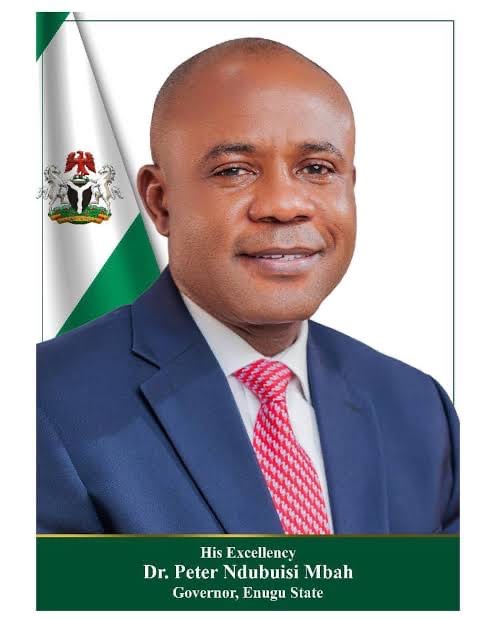
The Enugu State Government says it has strengthened its disease surveillance and puts health officials on alert within the 17 council areas in the state.
The Commissioner for Health, Prof. George Ugwu, said this on Wednesday in Enugu during a press conference on Actions of the State Government in Response to Confirmed Case of Ebola in Abuja.
Ugwu said that following the confirmation of the case, the government had reactivated and strengthened the Enugu State Public Health Emergency Operations Centre (PHEOC) to coordinate preparedness, surveillance and response activities.
“Specifically, the State has intensified disease surveillance across its 17 Local Government Areas and strengthened coordination with relevant agencies and partners.
“Surveillance activities around the Akanu Ibiam International Airport are also being strengthened in collaboration with Port Health Services and other relevant stakeholders.
“The state is further maintaining its Rapid Response Teams and relevant technical personnel on standby, while preparedness measures are being reviewed to ensure that the state is able to respond promptly should a suspected case be identified.
“Public awareness and risk communication activities are also being strengthened to ensure that members of the public receive accurate and timely information,” Ugwu, who is a Member of Presidential Committee on Ebola Prevention, said.
He said that health ministry would continue to work closely with Federal Ministry of Health and Social Welfare, its agencies and other partners to ensure effective preparedness, early detection, appropriate response and timely communication
The commissioner said that the government considers the health security of the state’s residents as a major priority and had taken appropriate precautionary measures without creating unnecessary fear or panic.
He urged health workers to maintain a high index of suspicion, strictly observe infection prevention and control measures, use appropriate protective equipment, and promptly report any suspected case through the established channels.
According to him, the government will continue to provide the necessary support and guidance to ensure health workers safety and effective response.
“To the good people of Enugu State, I urge you to remain calm and vigilant. There is currently no confirmed case of Ebola in Enugu State, and the measures being taken are precautionary.
“The public is advised to maintain good hand hygiene, avoid contact with the body fluids of sick persons, seek medical attention promptly when necessary, and report suspected sick person,” he said.
He specifically urged public and private health facilities across the state to remain on heightened alert and maintain a high index of suspicion for suspected cases, particularly among persons with relevant travel or exposure history.
“All suspected cases should be promptly isolated and immediately reported to the appropriate Disease Surveillance and Notification Officer (DSNO) or the State Public Health Emergency Operations Centre, while strict infection prevention and control measures are observed.
“I urge all health facilities to cooperate fully with the Enugu State Ministry of Health and other response agencies, as early detection and prompt notification are critical to preventing transmission,” he said.
It would be recalled that state government, through the Ministry of Health, for months had been undertaking Ebola Prevention Preparedness mesdures at Akanu Ibiam International Airport, Enugu, which is an international entry point.
The current Ebola Prevention measures at the airport is undertaking with collaboration of the Nigeria Centre for Disease Control and Prevention (NCDC), Federal Ministry of Health and Social Welfare, Port Health Services, airport authorities and other relevant partners.
.

The Enugu State Government says there is no confirmed case of diphtheria in the state, urging residents to disapprove unfounded ongoing rumours.
The Commissioner for Health, Prof George Ugwu, made the clarification in a briefing on Wednesday in Enugu on update on the rumoured suspected case of a diphtheria patient in University of Nigeria Teaching Hospital (UNTH), Ituku/Ozalla, Enugu.
“In response to this, the Public health and Surveillance unit of the State Ministry of Health are already at alert and to ensure appropriate prevention control measure and early detection as may be necessary.
“A few days ago, there was a report of suspected case of diphtheria at the University of Nigeria Teaching Hospital (UNTH), Enugu which was followed by our team.
“However, the diagnosis of diphtheria could not be sustained or confirmed; while the patient, wito was rumoured and suspected to have diphtheria,
had tonsillitis,” he said.
The commissioner noted that accordingly, contact traces and other appropriate measures are ongoing and “yet diphtheria are not diagnosed or confirmed in the state.”
He explained that the suspected patient had been traced to his home in Achara Layout in Enugu and he did not have any record of travel and had not being to the northern part of the country as rumoured.
“Our surveillance and tracing teams have also contacted his family members and others but no trace of diphtheria established,” he said.
Ugwu noted that although the state had remained on high alert against infectious diseases, “Enugu State is never at high risk of contacting diphtheria”.
“For the state, we have a robust routine and mop up vaccination especially on Penta 3, which provides effective immunisation against diphtheria for a whole life time.
“In 2026 Vaccination, we had 91 per cent record of coverage on Penta 3 vaccination, which is even above the national target or threshold,” he said.
The commissioner urged residents to remain calm and avoid spreading rumours or unverified information as well as seek medical attention promptly if they develop symptoms of any sickness.
He said, “The ministry is calling on parents and caregivers to ensure children are fully immunised with diphtheria containing vaccines (Penta 3).
“Residents are urged to follow the advice of health authorities during contact tracing and monitoring.
“Healthcare workers are urged to maintain appropriate standard precautions, promptly notify suspected cases through the surveillance system and ensure appropriate infection prevention and control measures.
“The Enugu State Ministry of Health, in collaboration with UNTH and relevant international partners, continues to monitor the situation and will be proactive for further information as necessary,” he added.
It would be recalled that there is an outbreak of diphtheria in Nigeria and 19,799 suspected cases sent to molecular laboratory test; with 15,309 confirmed cases and 517 confirmed death across 26 states and 357 Local Government Areas.
The worst affected states accounting for over 98 per cent cases of diphtheria are Kano, Bauchi, Borno, Kastin, Sokato, Zamfara, Kaduna and Plateau according to Nigeria Centre for Disease Control and Prevention (NCDC).
Diphtheria is a serious but vaccine preventable bacterial disease that can spread though respiratory droplets and close contact.
Symptoms of Diphtheria include: fever, sore throat, difficulty or pain when swallowing, cough, difficulty breathing, swelling of the neck and greyish/white membrane in the throat.
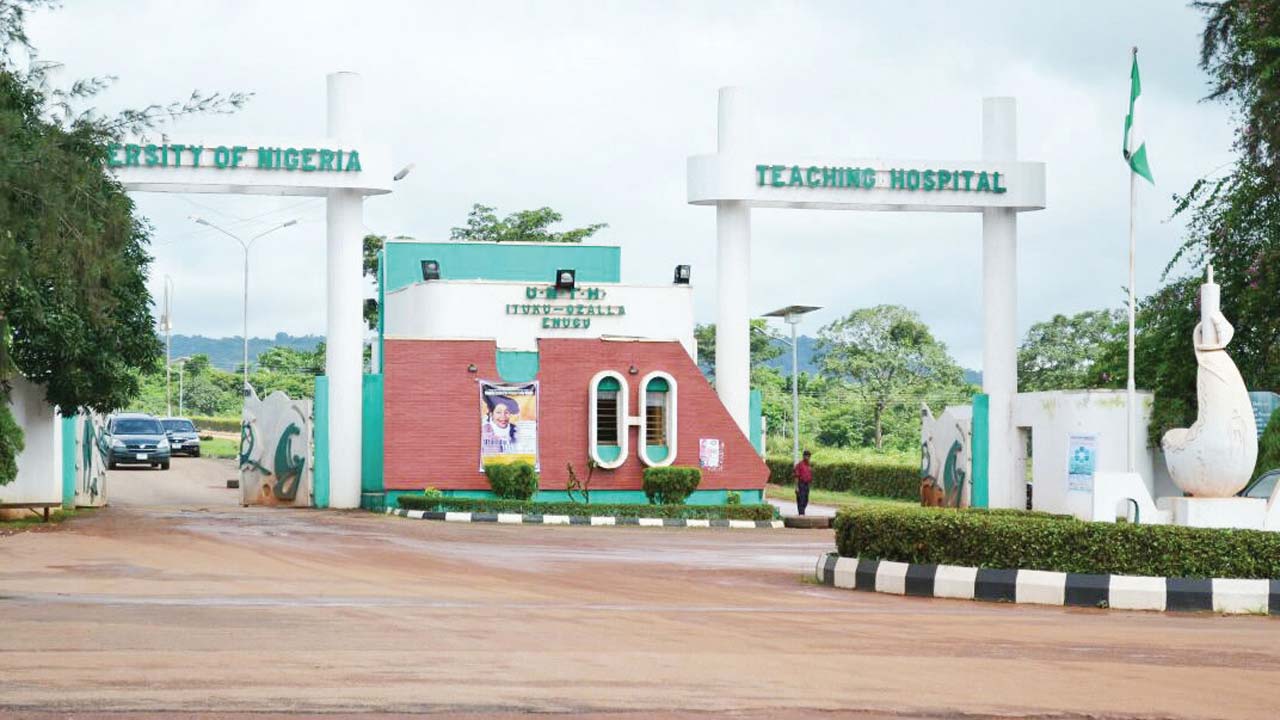
The University of Nigeria Teaching Hospital (UNTH), Ituku-Ozalla, Enugu State, has urged patients, visitors and members of the public to remain calm following the management of a clinically suspected case of diphtheria at the hospital.
The reassurance followed concerns over the admission and subsequent death of a paediatric patient at the hospital’s Children’s Emergency Room (CHER).
According to a statement issued by the hospital management on Wednesday, the patient received medical intervention immediately after admission but died two days later despite efforts by the attending medical team.
The hospital said a subsequent clinical post-mortem review suggested that the severe symptoms may have been caused by severe pharyngotonsillitis with massive exudate, rather than diphtheria as initially suspected.
However, as a precautionary measure, UNTH said comprehensive contact tracing had commenced to identify and monitor individuals who may have had close contact with the deceased.
The hospital also confirmed that the Children’s Emergency Room had undergone standard decontamination in line with established infection prevention and control protocols.
UNTH said it had previously managed sporadic cases of diphtheria successfully and possesses the specialist personnel, isolation facilities and medical equipment required to manage infectious disease cases.
The management urged members of the public to remain vigilant for symptoms associated with diphtheria, including persistent fever, severe sore throat and difficulty swallowing.
It advised anyone experiencing such symptoms, as well as parents whose children develop them, to seek immediate medical attention at a recognised healthcare facility and avoid self-medication.
Healthcare workers, patients and visitors were also advised to maintain proper hand hygiene and respiratory etiquette while within the hospital premises.
The hospital management assured the public that it would continue to prioritise community safety and public health, while providing updates based on verified medical information.

ENUGU — The Presidential Candidate of the National Democratic Congress (NDC), Mr Peter Obi, and the party’s Enugu State Governorship Candidate, Sir Chinyeaka Ohaa, on Thursday, August 13, 2026, visited Parklane Specialist Hospital, Enugu, to show solidarity with patients battling kidney disease and other related illnesses.
They arrived at about 5:00 p.m. in the company of other party leaders, including the NDC Senatorial Candidate for Enugu East, Ada Ogbu; Hon. Kentus Eze; Hon. Ike Ezugwu; Architect Everastus Odo; Comrade Obi Mamah, H(JP); Hon. Odo Joel; and other party faithful who turned out to receive Peter Obi.
The visit followed a humanitarian gathering convened by Okwuluora to draw attention to the plight of more than 500 kidney patients and their families struggling to afford treatment.
Over 500 Kidney Patients Cry for Help as Families Battle for Survival
It was an emotional scene as men, women and children living with kidney-related illnesses converged at Parklane, hoping to receive urgent assistance.
Many of the patients showed visible signs of prolonged illness and hardship. Some were due for dialysis but could not afford the treatment, leaving them and their families trapped in a painful struggle for survival.
The severity of their condition was evident, with some displaying swollen hands, arms and legs, while others had bloated abdomens and anxiety-filled faces as they awaited assistance.
Among those present was a 13-year-old boy from Akure, Ondo State. His mother said she had sold virtually everything she owned to sustain his dialysis treatment for the past five years. Despite the sacrifices, the boy was at Parklane hoping to benefit from the intervention.
The large turnout has renewed concerns over the growing burden of kidney disease and the rising cost of dialysis and transplant care in the South-East and other parts of the country.
Speaking at the event, Okwuluora commended the stakeholders who supported the initiative and called for sustained assistance for kidney patients and their families.
The national and state leadership of the NDC also commended Okwuluora for his consistent commitment to Nigerians in need, particularly those battling critical health challenges.
In his remarks, Peter Obi expressed concern after listening to the testimonies of the patients. He called on well-meaning Nigerians, corporate organisations and governments at all levels to support kidney patients in dire need of assistance.
The organisers and families of the patients expressed gratitude to Obi for honouring the invitation and using his platform to draw attention to the plight of sick and vulnerable Nigerians.
They also thanked Sir Chinyeaka Ohaa for standing with the people of Enugu during the difficult moment and for demonstrating what they described as leadership that places human lives first.
Appreciation was equally extended to NDC supporters who attended the gathering, with attendees saying their presence offered hope and reassurance to the patients and their families.
The NDC leadership reaffirmed its commitment to advocating for improved healthcare funding, greater access to dialysis and policies aimed at reducing the burden of catastrophic healthcare expenses on families in Enugu State and across Nigeria.

-
 News3 days ago
C’RIVER 2027 BUDGET: GOV OTU PRESENTS ₦987.8bn ESTIMATES TO ASSEMBLY
-

 EverydayNews Telescope4 days ago
Enugu East Senate: The Dark Side of Ada Ogbu, NDC Candidate
-
 News5 days ago
Tension Mounts in Awka Anglican Diocese as Supervising Bishop Ezeofor Moves to Take Over Wednesday
-
 News3 days ago
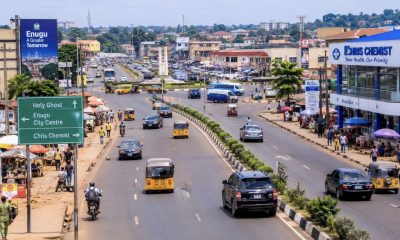
Holy Ghost Transformation: How Enugu North Chairman Ibenaku Onoh Ended Years of Traffic Chaos, Roadside Trading
-

 EverydayNews Telescope4 days ago
Ebonyi 2027: The People’s Quest For ODII Vs Compromised Stakeholders
-
 Politics2 days ago
One Feared Dead, Several Injured as Thugs Attack Ebonyi NDC Assembly Candidate, Burn Campaign Vehicle
-
 Politics4 days ago
2027: Tinubu Has No Hand in Alleged Assassination Plot Against Atiku – APC
-
 Economy5 days ago
Fuel Subsidy Removal Irreversible, Nigeria Won’t Return to Egypt — Tinub