



Health
Fresh Ebola outbreak: Nigeria tightens border control

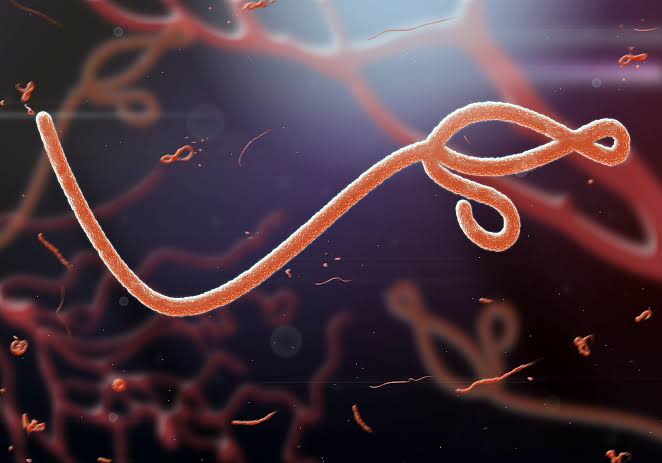

The Federal Government said it had intensified monitoring and screening procedures at all points of entry in response to the ongoing outbreak of the Ebola Virus Disease in the Democratic Republic of Congo.
The Director of Port Health Services at the Federal Ministry of Health and Social Welfare, Dr Akpan Nse, disclosed this in an exclusive interview with Saturday PUNCH on Friday.
Nse also noted that additional staff had been employed to strengthen border surveillance in the country.
Health authorities in the Democratic Republic of Congo declared an outbreak of Ebola virus disease in Kasai Province, where 28 suspected cases and 16 deaths, including four health workers, had been reported as of September 5, 2025.
The outbreak comes at a time when much of Central and West Africa is grappling with overlapping health and humanitarian crises, including cholera, malnutrition, and population displacement.

The DRC’s last outbreak of Ebola virus disease occurred in the north-western Equateur Province in April 2022.
It was brought under control within three months.
In Kasai Province, previous Ebola outbreaks were reported in 2007 and 2008. Overall, the country has experienced 15 outbreaks since the disease was first identified in 1976.
Ebola virus disease is a rare but severe, often fatal illness in humans.
It is transmitted to people through close contact with the blood, secretions, organs, or other bodily fluids of infected animals such as fruit bats (believed to be the natural hosts). Human-to-human transmission occurs through direct contact with the blood or bodily fluids of an infected person, contaminated objects, or the body of someone who died from the disease.
In the ongoing outbreak, samples tested on September 3 at the National Institute of Biomedical Research in the capital, Kinshasa, confirmed that the cause was Ebola Zaire, a strain of the Ebola virus.
Dr Nse noted that although Nigeria was at risk of importing the virus due to high levels of international travel with the DRC, Port Health Services was on alert and had strengthened surveillance to prevent this.
He said, “We have intensified surveillance at all points of entry across the country—airports, land borders, and seaports. Every inbound traveller coming from Congo to Nigeria is thoroughly screened, and we collect their medical history through mandatory forms.
“We have also reactivated our portals. Every passenger on every flight coming to Nigeria from Congo is screened upon arrival. This applies to airports, seaports, and land borders. Even if passengers transit through Congo on their way to Nigeria, they must undergo screening.
“In addition, with support from WHO, we have recruited more staff to enhance surveillance. Increasing the workforce allows us to effectively prevent the importation of the virus and ensure thorough screening at all borders.”
He added that some private organisations had partnered the Federal Government to ensure that thermal scanners at airports remained fully functional.
Meanwhile, the WHO has released $500,000 from its Contingency Fund for Emergencies to support the response to the Ebola Virus Disease outbreak in the DR Congo.
Announcing this at a media briefing on global health issues on Friday, the WHO Director-General, Dr Tedros Adhanom Ghebreyesus, disclosed that 28 suspected cases and 16 deaths had been reported so far, including four health workers.
He highlighted that the UN body already had staff on the ground in Kasai, with more on the way.
“We’re joining rapid response teams to trace contacts and find cases; we’re collecting and testing samples, and we’re providing technical expertise in surveillance, infection prevention and control, treatment, risk communication, and more. WHO has also delivered personal protective equipment, laboratory equipment, medical supplies, and a mobile laboratory.
“We had previously prepositioned 2000 doses of Ebola vaccine in Kinshasa, which we are releasing to vaccinate contacts and health workers. This is the 16th outbreak of Ebola in the DRC, and the government has rich experience from those previous outbreaks,” the WHO boss stated.

The Enugu State Government says there is no confirmed case of diphtheria in the state, urging residents to disapprove unfounded ongoing rumours.
The Commissioner for Health, Prof George Ugwu, made the clarification in a briefing on Wednesday in Enugu on update on the rumoured suspected case of a diphtheria patient in University of Nigeria Teaching Hospital (UNTH), Ituku/Ozalla, Enugu.
“In response to this, the Public health and Surveillance unit of the State Ministry of Health are already at alert and to ensure appropriate prevention control measure and early detection as may be necessary.
“A few days ago, there was a report of suspected case of diphtheria at the University of Nigeria Teaching Hospital (UNTH), Enugu which was followed by our team.
“However, the diagnosis of diphtheria could not be sustained or confirmed; while the patient, wito was rumoured and suspected to have diphtheria,
had tonsillitis,” he said.
The commissioner noted that accordingly, contact traces and other appropriate measures are ongoing and “yet diphtheria are not diagnosed or confirmed in the state.”
He explained that the suspected patient had been traced to his home in Achara Layout in Enugu and he did not have any record of travel and had not being to the northern part of the country as rumoured.
“Our surveillance and tracing teams have also contacted his family members and others but no trace of diphtheria established,” he said.
Ugwu noted that although the state had remained on high alert against infectious diseases, “Enugu State is never at high risk of contacting diphtheria”.
“For the state, we have a robust routine and mop up vaccination especially on Penta 3, which provides effective immunisation against diphtheria for a whole life time.
“In 2026 Vaccination, we had 91 per cent record of coverage on Penta 3 vaccination, which is even above the national target or threshold,” he said.
The commissioner urged residents to remain calm and avoid spreading rumours or unverified information as well as seek medical attention promptly if they develop symptoms of any sickness.
He said, “The ministry is calling on parents and caregivers to ensure children are fully immunised with diphtheria containing vaccines (Penta 3).
“Residents are urged to follow the advice of health authorities during contact tracing and monitoring.
“Healthcare workers are urged to maintain appropriate standard precautions, promptly notify suspected cases through the surveillance system and ensure appropriate infection prevention and control measures.
“The Enugu State Ministry of Health, in collaboration with UNTH and relevant international partners, continues to monitor the situation and will be proactive for further information as necessary,” he added.
It would be recalled that there is an outbreak of diphtheria in Nigeria and 19,799 suspected cases sent to molecular laboratory test; with 15,309 confirmed cases and 517 confirmed death across 26 states and 357 Local Government Areas.
The worst affected states accounting for over 98 per cent cases of diphtheria are Kano, Bauchi, Borno, Kastin, Sokato, Zamfara, Kaduna and Plateau according to Nigeria Centre for Disease Control and Prevention (NCDC).
Diphtheria is a serious but vaccine preventable bacterial disease that can spread though respiratory droplets and close contact.
Symptoms of Diphtheria include: fever, sore throat, difficulty or pain when swallowing, cough, difficulty breathing, swelling of the neck and greyish/white membrane in the throat.
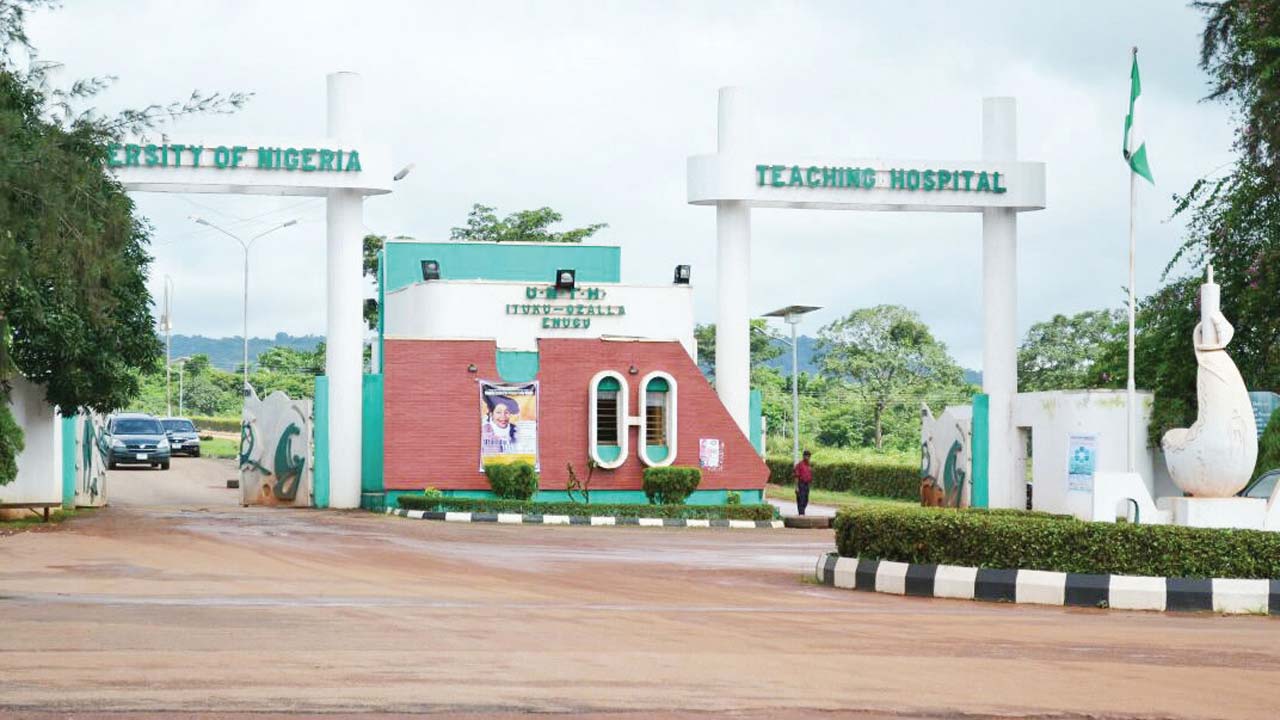
The University of Nigeria Teaching Hospital (UNTH), Ituku-Ozalla, Enugu State, has urged patients, visitors and members of the public to remain calm following the management of a clinically suspected case of diphtheria at the hospital.
The reassurance followed concerns over the admission and subsequent death of a paediatric patient at the hospital’s Children’s Emergency Room (CHER).
According to a statement issued by the hospital management on Wednesday, the patient received medical intervention immediately after admission but died two days later despite efforts by the attending medical team.
The hospital said a subsequent clinical post-mortem review suggested that the severe symptoms may have been caused by severe pharyngotonsillitis with massive exudate, rather than diphtheria as initially suspected.
However, as a precautionary measure, UNTH said comprehensive contact tracing had commenced to identify and monitor individuals who may have had close contact with the deceased.
The hospital also confirmed that the Children’s Emergency Room had undergone standard decontamination in line with established infection prevention and control protocols.
UNTH said it had previously managed sporadic cases of diphtheria successfully and possesses the specialist personnel, isolation facilities and medical equipment required to manage infectious disease cases.
The management urged members of the public to remain vigilant for symptoms associated with diphtheria, including persistent fever, severe sore throat and difficulty swallowing.
It advised anyone experiencing such symptoms, as well as parents whose children develop them, to seek immediate medical attention at a recognised healthcare facility and avoid self-medication.
Healthcare workers, patients and visitors were also advised to maintain proper hand hygiene and respiratory etiquette while within the hospital premises.
The hospital management assured the public that it would continue to prioritise community safety and public health, while providing updates based on verified medical information.

ENUGU — The Presidential Candidate of the National Democratic Congress (NDC), Mr Peter Obi, and the party’s Enugu State Governorship Candidate, Sir Chinyeaka Ohaa, on Thursday, August 13, 2026, visited Parklane Specialist Hospital, Enugu, to show solidarity with patients battling kidney disease and other related illnesses.
They arrived at about 5:00 p.m. in the company of other party leaders, including the NDC Senatorial Candidate for Enugu East, Ada Ogbu; Hon. Kentus Eze; Hon. Ike Ezugwu; Architect Everastus Odo; Comrade Obi Mamah, H(JP); Hon. Odo Joel; and other party faithful who turned out to receive Peter Obi.
The visit followed a humanitarian gathering convened by Okwuluora to draw attention to the plight of more than 500 kidney patients and their families struggling to afford treatment.
Over 500 Kidney Patients Cry for Help as Families Battle for Survival
It was an emotional scene as men, women and children living with kidney-related illnesses converged at Parklane, hoping to receive urgent assistance.
Many of the patients showed visible signs of prolonged illness and hardship. Some were due for dialysis but could not afford the treatment, leaving them and their families trapped in a painful struggle for survival.
The severity of their condition was evident, with some displaying swollen hands, arms and legs, while others had bloated abdomens and anxiety-filled faces as they awaited assistance.
Among those present was a 13-year-old boy from Akure, Ondo State. His mother said she had sold virtually everything she owned to sustain his dialysis treatment for the past five years. Despite the sacrifices, the boy was at Parklane hoping to benefit from the intervention.
The large turnout has renewed concerns over the growing burden of kidney disease and the rising cost of dialysis and transplant care in the South-East and other parts of the country.
Speaking at the event, Okwuluora commended the stakeholders who supported the initiative and called for sustained assistance for kidney patients and their families.
The national and state leadership of the NDC also commended Okwuluora for his consistent commitment to Nigerians in need, particularly those battling critical health challenges.
In his remarks, Peter Obi expressed concern after listening to the testimonies of the patients. He called on well-meaning Nigerians, corporate organisations and governments at all levels to support kidney patients in dire need of assistance.
The organisers and families of the patients expressed gratitude to Obi for honouring the invitation and using his platform to draw attention to the plight of sick and vulnerable Nigerians.
They also thanked Sir Chinyeaka Ohaa for standing with the people of Enugu during the difficult moment and for demonstrating what they described as leadership that places human lives first.
Appreciation was equally extended to NDC supporters who attended the gathering, with attendees saying their presence offered hope and reassurance to the patients and their families.
The NDC leadership reaffirmed its commitment to advocating for improved healthcare funding, greater access to dialysis and policies aimed at reducing the burden of catastrophic healthcare expenses on families in Enugu State and across Nigeria.

Gov. Peter Mbah says Enugu State remains fully ready to support Nigeria Centre for Disease Control and Prevention (NCDC) on health security facilities and projects within the state.
Mbah said this on Wednesday in Enugu when the Director-General of Nigeria Centre for Disease Control and Prevention (NCDC), Dr Jide Idris, paid him a courtesy call during a working visit to the state.
Represented by the Deputy Governor, Chief Ifeanyi Ossai, the governor said that the government had prioritised all issues concerning security especially those dealing on health security and invested heavily on health and related concerns.
According to him, we are fully ready and committed to work with you by providing land, logistics and other necessary requirements to make all health security projects/initiatives a reality.
He said, “We are fully aware of the need to focus and give priority to health security projects and issues.
“As a state, the high volume of travellers coming in their thousands to the state each day have increased our socioeconomic activities, made more investment possible and increased all forms of tourism.
“However, we recognise that only two weeks of a confirmed outbreak of any dreaded disease will scare away these large inflow of people coming into the state.
“This alone will affect and wipe away the striving tourism industry, our people’s vibrant trade and commerce, striving transport ecosystem, investors influx and the huge investment we have put to make Enugu the most attractive city in Africa.”
Mbah said that every effort or investment in health security “is in the right direction to secure our selves, investments, hopes and future.”
The governor commended the NCDC on their recent fight against COVID-19 and all initiatives to ensure prevention of Ebola virus as well as containing other outbreaks in the country.
“I must commend NCDC team for inspecting the ongoing South-East High Definition Molecular Laboratory and other health projects meant to serve our people, South-East and every Nigerian,” he said.
He assured that the government would undertake any responsibility to ensure that NCDC facilities continue running as well as protecting such facilities notwithstanding the premises they are domiciled in within the state.
On the issue of Ebola Virus, the govenor said that the state was taking the designation of Enugu State as a state with high importation risk “very serious”.
“From assessment, the scare of the disease coming to Enugu is real through the Akanu Ibiam International Airport. We are tightening all preventative measures and protocols, while ensuring robust synergy with relevant stakeholders on it.
“The state ministry of health and its partners are on alert over the issue and we are providing necessary support and access to our office on it,” he said.
Mbah called on the NCDC to give the state needed support in terms capacity building and training, close coordination and guidance as well as awareness materials and support in its preventive efforts.
Earlier, Idris said that visit was meant to access uncompleted South-East High Definition Molecular Laboratory, the level of Ebola Prevention and Preparedness at the Akanu Ibiam International Airport and other related projects.
He commended the state government on huge investment in Primary Healthcare Centres, general hospitals, tertiary hospitals and recently the Enugu International Hospital meant to attract medical tourism.
The director-general said that the NCDC wanted the state government to get involved in protecting And maintaining the South-East High Definition Molecular Laboratory and other facilities of the agency coming up in Enugu.
“We are here to strengthen the existing cordial relationship with the state and see how both NCDC and Enugu State Government can collaborate to strengthen issues of health security,” he said.
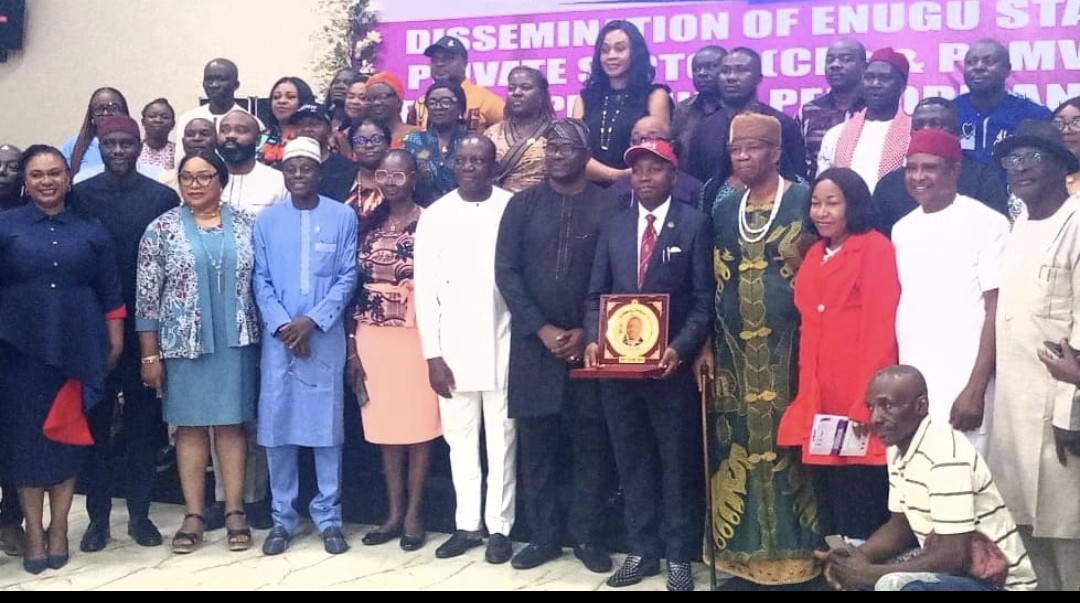
The Enugu State Government and key health sector partners have pledged a commitment to sustain the gains of the IntegratE Project.
The IntegratE Project is a five-year family planning initiative that expanded access to reproductive health services through Community Pharmacists (CPs) and Patent and Proprietary Medicine Vendors (PPMVs) within the state.
The Commissioner for Health, Prof. George Ugwu, gave the commitment on Wednesday during the dissemination of the Enugu State Private Sector Family Planning performance under the IntegratE Project, which ran from Oct. 2021 to July 2026.
Ugwu said that the project had significantly improved reproductive health services and positive outcomes for women in the state over the past five years.
He described family planning as a sensitive but essential service, assuring that the government would continue expanding access while ensuring responsible use.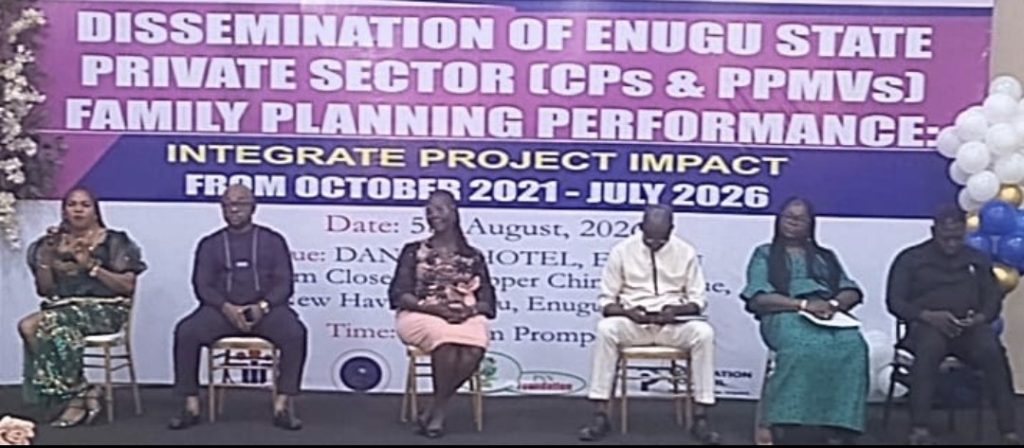
Ugwu said that Gov. Peter Mbah’s administration remained committed to strengthening primary healthcare outcomes in all ramifications
He revealed that more than 100 new primary healthcare centres would become operational before the end of the year.
The commissioner said that the state government’s commitment to innovation would continue to position the state as a leader in modern healthcare delivery.
Speaking, the representative of the Pharmacy Council of Nigeria (PCN), Mrs Ifeyinwa Ohiaeri, described the project as a major intervention that strengthened family planning services through pharmacy practice.
Ohiaeri stressed that “family planning remains critical” to reproductive, maternal and adolescent health.
She said that the dissemination provided an opportunity to review achievements, challenges and strategies for sustaining the project’s impact, while reaffirming its commitment to professional ethics and quality service delivery.
The representative of the Enugu State Primary Health Care Development Agency, Mrs Maureen Nwankwo, said the agency would sustain the gains achieved.
Nwankwo noted that the programme had helped reduce unintended pregnancies, maternal and child deaths through improved access to family planning services.
Group Director of Donor-Funded Programmes at the Society for Family Health, Mr Emeka Okafor, said the national project tested the pharmacy-led delivery model for family planning in Enugu State.
Okafor noted that while about 70 per cent of residents patronise private health providers, much of the state’s routine health data comes only from the public sector, leaving a significant gap.
He said that according to the project’s implementation report, 29,262 women accessed family planning services through trained PPMVs in Enugu State, while 14,541 referrals were made to public health facilities.
He said that the project also exceeded training targets, introduced digital supportive supervision and contributed to the institutionalisation of the Tiered Accreditation System for PPMVs.
The Pharmaceutical Society of Nigeria (PSN) and the National Association of Patent and Proprietary Medicine Dealers (NAPPMED) also pledged continued support for the initiative/project at the grassroots.

-
 News4 days ago
Curfew Continues as Soludo Sets Up Commission of Inquiry Over Aguleri–Umuoba Anam Clash
-

 Education4 days ago
Ihejirika Hails Mbah’s Infrastructure Drive as Coal City University Inaugurates Governing Council
-
 News2 days ago
Ebonyi Cement Project: Where Is the Limestone Evidence?
-

 Politics16 hours ago
Odii Shuts Down Abakaliki, Buys Fuel for Thousands of Supporters at Grand Reception
-
 Crime4 days ago
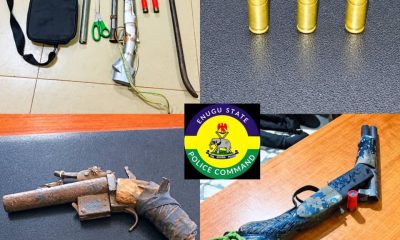
Enugu Police Arrest Five Suspects, Recover Three Firearms, Six Rounds of Ammunition
-
 News4 days ago
Inclusivity: NOUN Matriculates 70 Prison Inmates at Special Study Centre, Enugu
-
News3 days ago
Governor Mbah Hails Chibuikem Emmanuel as Youth Entrepreneurship Reference Point, Commends Powell Homes’ Housing Investment
-

 News2 days ago
REC urges Enugu residents not to wait for rush hours in Claims/Objections, PVC collection windows