


Politics
NASS landlords – Lawmakers who have spent 20 years in Senate, House of Reps


Since Nigeria returned to democracy in 1999, Nigeria has had four presidents – Olusegun Obasanjo, Umaru Yar’Adua, Goodluck Jonathan and the incumbent, Major General Muhammadu Buhari (retd.).
Each of the 36 states would also have had at least three governors within the period, but could be more if any of the governors spent only one term of four years. But in the National Assembly – the nation’s bicameral legislature, made up of the Senate and the House of Representatives – some lawmakers seem to be maintaining permanent seats in the chambers.
Interestingly, some of them have been in the parliament since 1999 and will complete their sixth term in 2023. Several members have been in either the House or the Senate or both since 2003, and they would have spent not less than 20 years in 2023 when the 9th Assembly winds down. The members belong to the ruling All Progressives Congress and the opposition Peoples Democratic Party. Some of them have also switched parties as part of moves to get re-elected.

Opinions are divided on which is better between having long-serving lawmakers and fresh lawmakers every four years. Some persons have argued that returning members have legislative experience and the institutional memory of parliamentary norms and processes.
Those who belong to the former group often cite the example of the United States’ parliaments with many long-serving lawmakers, while those in the latter often argue that the Senate is fast becoming the ‘retirement home’ for former governors and ex-ministers.
Mutu, a typical landlord at the Green Chamber
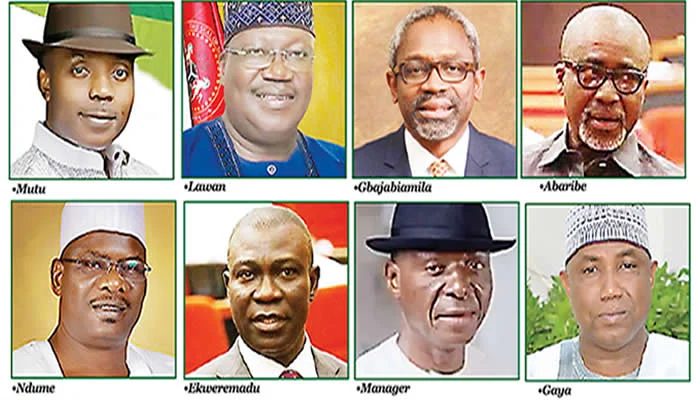
Representing Bomadi/Patani Federal Constituency in Delta State, Nicholas Mutu has been in the House since 1999. He served as the chairman of the House Committee on Niger Delta Development Commission between 2009 and 2019 – arguably the longest time a member would head the same committee. Not one of the known names when it comes to debates on motions and bills, documents presented to the House Committee on NDDC by the immediate past Minister of Niger Delta Affairs, Senator Godswill Akpabio, had indicated that Mutu is a serial contractor to the commission. While the Olubunmi Tunji-Ojo led committee was investigating mismanagement and fraud in the NDDC, Akpabio had alleged that National Assembly members, especially the previous leadership of the committee, were beneficiaries of contracts from the commission. A list the minister provided showed that Mutu had the highest number of NDDC projects listed against his name.
Lawan: From the green chamber to senate presidency
The incumbent President of the Senate, Ahmad Lawan, has been in the National Assembly since 1999. He was first elected a member of the House where he spent two terms. There he represented Bade/Jakusko Federal Constituency in Yobe State. In 2007, he was elected a senator to represent Yobe North Senatorial District and has retained the seat since then. Lawan became the President of the 9th Senate in 2019. Currently, he is seeking to be the President of Nigeria in 2023, which would depend on the outcome of the presidential primary of the APC scheduled for Monday.
Gbajabiamila: From floor member to Speakership
Femi Gbajabiamila is the current Speaker of the House of Representatives, serving his fifth term. He has been in the House since 2003, representing Surulere 1 Federal Constituency in Lagos State. The lawmaker was the Minority Leader of the House in the 7th National Assembly, and later Majority Leader in the 8th Assembly after his hope of becoming Speaker was dashed. Gbajabiamila has again secured the ticket of the APC to contest for a sixth term in 2023.
Ndume: Two-term Rep, three-term Senator
Since 2003, Ali Ndume has been in the National Assembly. He first represented Chibok/Damboa/Gwoza Federal Constituency in Borno State for two terms; 2003 to 2011, and was in 2011 elected to represent Borno South Senatorial District at the red chamber, a seat he has kept till date. During his stay in the chamber, Ndume had attempted to be President of the Senate at different times. He was the Majority Leader of the House in the 8th Assembly but was sacked over his political stance against that of the then President of the Senate, Bukola Saraki. Ndume was replaced with Ahmad Lawan, who is now the Senate President.
Ekweremadu: The longest-serving presiding officer
The lawmaker representing Enugu West Senatorial District, Senator Ike Ekweremadu, is serving his fifth consecutive term, having been in the Senate since 2003. He attempted to be President of the Senate in 2005 but failed. Senator Ken Nnamani got the position instead. However, Ekweremadu was the Deputy President of the Senate for three consecutive terms – 6th, 7th and 8th, spanning 12 years, a record time as a presiding officer in the National Assembly. The lawmaker had announced his retirement from the Senate in 2023. He joined the governorship race in Enugu but lost the PDP ticket.
Manager: A senator caught on his knees
The Delta South Senatorial District in Delta State has had James Manager as its representative since 2003. The lawmaker may not be returning with the 10th Assembly over his governorship ambition in Delta. A photograph showing Manager on his knees before a former Governor of Delta State, James Ibori, an ex-convict and political godfather of the PDP in the state, had gone viral on the Internet about a year ago.
Ogor: Once upon an opposition leader
Leo Ogor has been representing Isoko-North/Isoko-South Federal Constituency in Delta State at the House of Representatives since 2003. He was the Deputy Majority Leader of the House in the 7th Assembly and Minority Leader in the 8th Assembly. Ogor’s exploits as leader in both majority and minority caucuses is on record, especially during heated debates with his then opponent, Femi Gbajabiamila, who was also Minority Leader and Majority Leader at different times.
Ado-Doguwa: From one Republic to another
Alhassan Ado-Doguwa is the current Majority Leader of the House. He was a member of the House in the botched Third Republic and returned to the parliament in the Fourth Republic to represent Doguwa/Tudun Wada Federal Constituency in Kano State in 2007. According to a document obtained from Ado-Doguwa’s office containing his profile, the lawmaker was said to have made history by becoming “the first Nigerian to be sworn in as a member of the House of Representatives immediately after completing his youth service.” Though he was rumoured to be nursing the ambition to govern Kano State, Ado-Doguwa is said to be one of the top contenders for the speakership seat in the 10th House, even though the election is still about eight months away.
Monguno: A serial speakership aspirant
Mohammed Monguno represents Marte/Monguno/Nganzai Federal Constituency in Borno State. He was first elected a member of the House in the Third Republic (1992/93) and returned to the House in 2007 under the current Fourth Republic. In 2015, Monguno contested the speakership but later stepped down for Gbajabiamila, who was the candidate of the APC. Monguno also lost his deputy speakership bid to Yusuf Lasun. While Yakubu Dogara beat Gbajabiamila to emerge as the Speaker, he kept Lasun as his deputy. Again in 2019, Monguno joined the speakership race and, again, stepped down for Gbajabiamila, who remained the party’s candidate for the position. He is the current Majority Whip of the House.
Gaya: From governorship to lawmaking
Senator Kabiru Gaya was Governor of Kano State in the Third Republic (from 1992 to 1993) on the platform of the National Republican Convention. He has been in the Senate since 2007, representing Kano South Senatorial District.
Abaribe: Alternating between executive and legislature
Senator Enyinnaya Abaribe became the deputy governor of Abia State in 1999, with Orji Uzor Kalu as the governor. Due to his rift with Kalu over his (Abaribe’s) governorship ambition, the state’s House of Assembly moved to impeach him as the deputy governor three times – twice in 2000 and a third time in 2003. To avoid the third attempt being successful, he would later resign his position. However, Abaribe emerged as the lawmaker representing Abia South Senatorial District in the upper chamber of the National Assembly in 2007 and has been there since then. Until last week, he was Minority Leader of the Senate. The senator lost the PDP governorship ticket in his state during last week’s primary, he resigned his membership of the party and minority caucus leadership in the Senate. He has now joined the All Progressives Grand Alliance where he now has the ticket to seek a return to the Senate.
Dogara: A Speaker in majority and minority parties
Representing Bogoro/Dass/Tafawa Balewa Federal Constituency in Bauchi State, Yakubu Dogara, joined the House in 2007. Under a controversial circumstance, he became the Speaker of the House in the 8th Assembly (2015-2019), then as member of the ruling APC. His emergence was controversial because he was not the choice of his party, the APC. The party had preference for Gbajabiamila. Dogara later defected from the APC to the opposition PDP while in office. Though he was re-elected as member of the House in the current Assembly, Dogara, who has not been seen on the floor of the House, defected back to the APC a few months ago.
Betara: The man in charge of appropriation
Another member of the 2007 set is Mukhtar Betara, who represents Biu/Bayo/Shani Federal Constituency in Borno State and currently chairs the House Committee on Appropriation. He was one of the speakership aspirants at the beginning of the current House. His constituents procured the N10m APC expression of interest and nomination forms for him to seek re-election to the House in 2023. He is being tipped by some persons to be the next Speaker.
Abba-Ibrahim: A family in love with lawmaking
Khadijat, the wife of former Yobe State governor, Bukar Abba-Ibrahim, has been in the House since 2007, representing Damaturu/Gujba/Gulani/Tarmuwa Federal Constituency in Yobe State. She was serving her fourth term in 2016 when the President, Major General Muhammadu Buhari (retd.), appointed her as the Minister of State for Foreign Affairs. On January 9, 2019, Abba-Ibrahim resigned from Buhari’s cabinet to contest for a fresh fourth term in the House and she won. Hers seems like a family in love with politics. At a point in time, she and her husband were in the National Assembly. Her husband was governor of Yobe State in the Third Republic – from January 1992 to November 1993. In the Fourth Republic, he became the governor again for two terms – from 1999 to 2007. In 2007, he represented Yobe East Senatorial District, where he was till the 8th Assembly which ended in 2019. Interestingly, Mrs Abba-Ibrahim contested against her stepson to clinch the APC ticket with which she is currently representing her constituency in the House.
PUNCH
By Petrus Obi, London
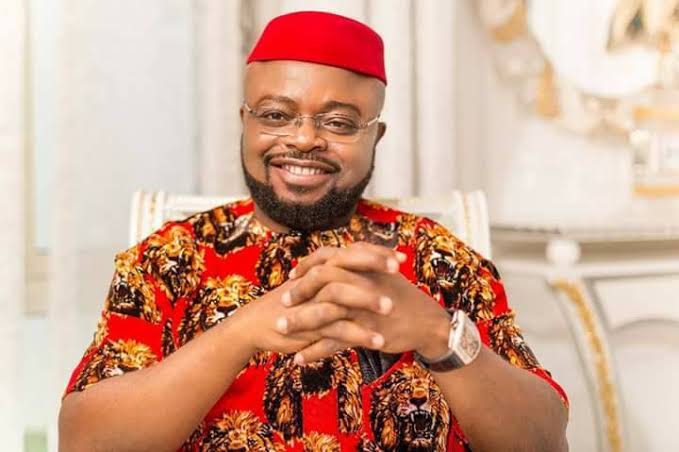
London — The Peoples Democratic Party (PDP) governorship aspirant in Ebonyi State, Ifeanyi Odii, has intensified his criticism of the administration of Governor Francis Nwifuru, insisting that the people of the state deserve a different approach to governance.
Odii, who spoke with EverydayNewsngr.net in London, said what he described as the “fire brigade approach” of the Nwifuru administration was not the kind of governance Ebonyi needs.
According to him, the state requires a government with a clear vision, long-term planning and the capacity to deliver meaningful development to its people.
“The fire brigade approach of the Nwifuru government is not what the state needs,” Odii said.
He added: “I am coming to bring a new lease of life to my people.”
Odii’s comments come amid renewed political debate in Ebonyi State following the recent removal of the state Commissioner for Works. The development has attracted attention from opposition circles, with critics using it to question aspects of the administration’s handling of governance and infrastructure.
The PDP chieftain said the people of Ebonyi should expect more than what he described as reactive governance, arguing that development should be driven by a coherent programme capable of producing lasting results.
He maintained that his political ambition was motivated by a desire to provide what he described as purposeful leadership and improve the welfare of residents across the state.
“We deserve better government in Ebonyi State,” Odii said, stressing that his vision was centred on giving the people renewed confidence in government and creating opportunities for them to prosper.
As political activities ahead of the next governorship election continue to gather momentum, governance, infrastructure, accountability and the delivery of public services are expected to feature prominently in the emerging contest.
Odii’s intervention in London is likely to add further momentum to the political conversation, particularly as opposition figures seek to distinguish their vision for Ebonyi from that of the incumbent administration.
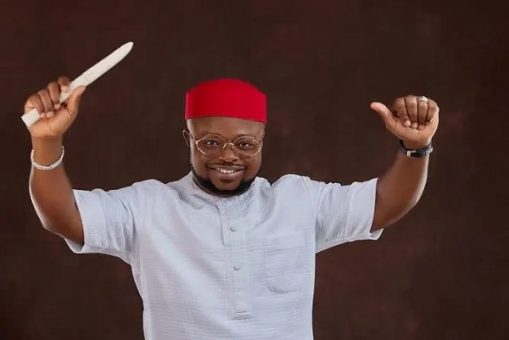
STATEMENT BY CHIEF EMMANUEL CHIDI IGWE,
SPOKESPERSON TO CHIEF DR. IFEANYI CHUKWUMA ODII
The 2027 governorship election in Ebonyi State is not a family affair, nor is it a matter to be decided by one individual or political godfather. It is a democratic contest, and Ebonyians will ultimately decide who becomes their governor through the ballot box.
No aspirant should be expected to step down simply because another politician believes he should. Every qualified candidate has the right to contest, present his programme and seek the mandate of the people.
Let me make this clear: since Senator Dave Umahi did not bring Chief Dr. Ifeanyi Chukwuma Odii into the governorship race, he cannot now claim the authority to ask him to step down. Chief Odii has his own political identity, supporters, convictions and legitimate right to seek the mandate of Ebonyians.
The decision to contest or withdraw belongs to the candidate, while the ultimate decision on who governs Ebonyi State belongs to the people.
The 2027 election should therefore be about issues, programmes, records, accountability and the future of Ebonyi—not political arrangements made by individuals behind closed doors.
Chief Dr. Ifeanyi Chukwuma Odii is prepared to place his vision and programme before Ebonyians and subject them to public scrutiny. Those seeking to retain power should equally be prepared to defend their records before the electorate.
Ebonyi 2027 is not a family arrangement. It is a contest for the confidence of the people. The people of Ebonyi State—not individuals—will have the final say.
Chief Emmanuel Chidi Igwe
Spokesperson to Chief Dr. Ifeanyi Chukwuma Odii
Politics
BREAKING: SaharaReporters Report on Arrest of Enugu Traditional Ruler, Ex-Lawmaker Is False and Misleading
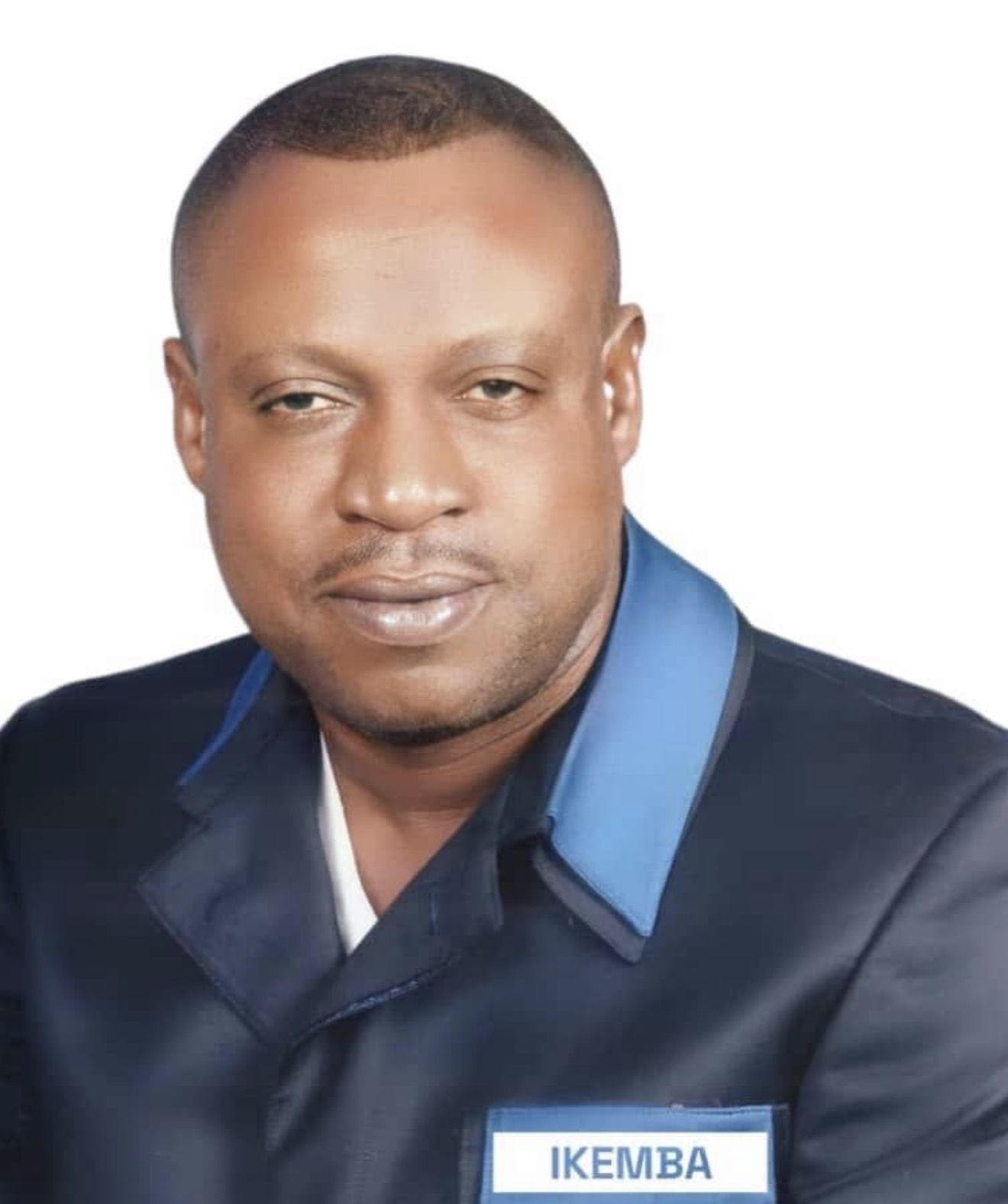
The recent publication by SaharaReporters alleging that prominent Enugu traditional ruler, Igwe Obiora Igwesi, his brother and former federal lawmaker, Hon. Uchenna Sunday A. Igwesi (USA Igwesi), and eight others were arrested over an alleged attack on an NDC ward meeting in Obuoffia, Nkanu West Local Government Area, is false and deeply misleading.
The report is being described as a deliberate attempt to damage the reputation of respected leaders in Enugu State and create unnecessary political tension ahead of the 2027 elections.
Contrary to the claims contained in the publication, there was no arrest ordered by the Inspector-General of Police against Igwe Obiora Igwesi, Hon. USA Igwesi, or the other individuals named in connection with any alleged attack on an NDC meeting. There was also no operation by detectives from Zone 13 Command, Ukpo, Dunukofia, Anambra State, as alleged in the report.
Similarly, the purported petition dated September 15, 2026, and the allegations of conspiracy, unlawful possession of firearms, attempted murder, assault, threatening violence and stealing are strongly disputed and described as fabricated claims intended to create a damaging narrative around the individuals concerned.
The broader allegation that the 17 Local Government Areas of Enugu State have experienced coordinated armed attacks allegedly sponsored by Local Government Chairmen to silence the opposition is equally rejected as unfounded.
Attempts to associate Igwe Obiora Igwesi and Hon. USA Igwesi with criminal activity or political violence are viewed as an unacceptable effort to tarnish the image of individuals who have served their communities and contributed to the development of Enugu State.
The public, particularly the people of Enugu State, is therefore urged to exercise caution and verify the facts independently before accepting or circulating the allegations contained in the SaharaReporters publication.
Enugu State remains focused on peace, stability and development. Political disagreements should not be allowed to degenerate into the circulation of unverified allegations capable of inflaming tensions or damaging the reputations of individuals.
The position being maintained by the affected parties is clear: there was no arrest of the named individuals in connection with the alleged incident, no evidence has been presented establishing that any Local Government Chairman sponsored an attack, and the allegations contained in the publication are disputed in their entirety.
The public is encouraged to await verifiable facts from the appropriate authorities rather than rely on claims that have not been independently substantiated.
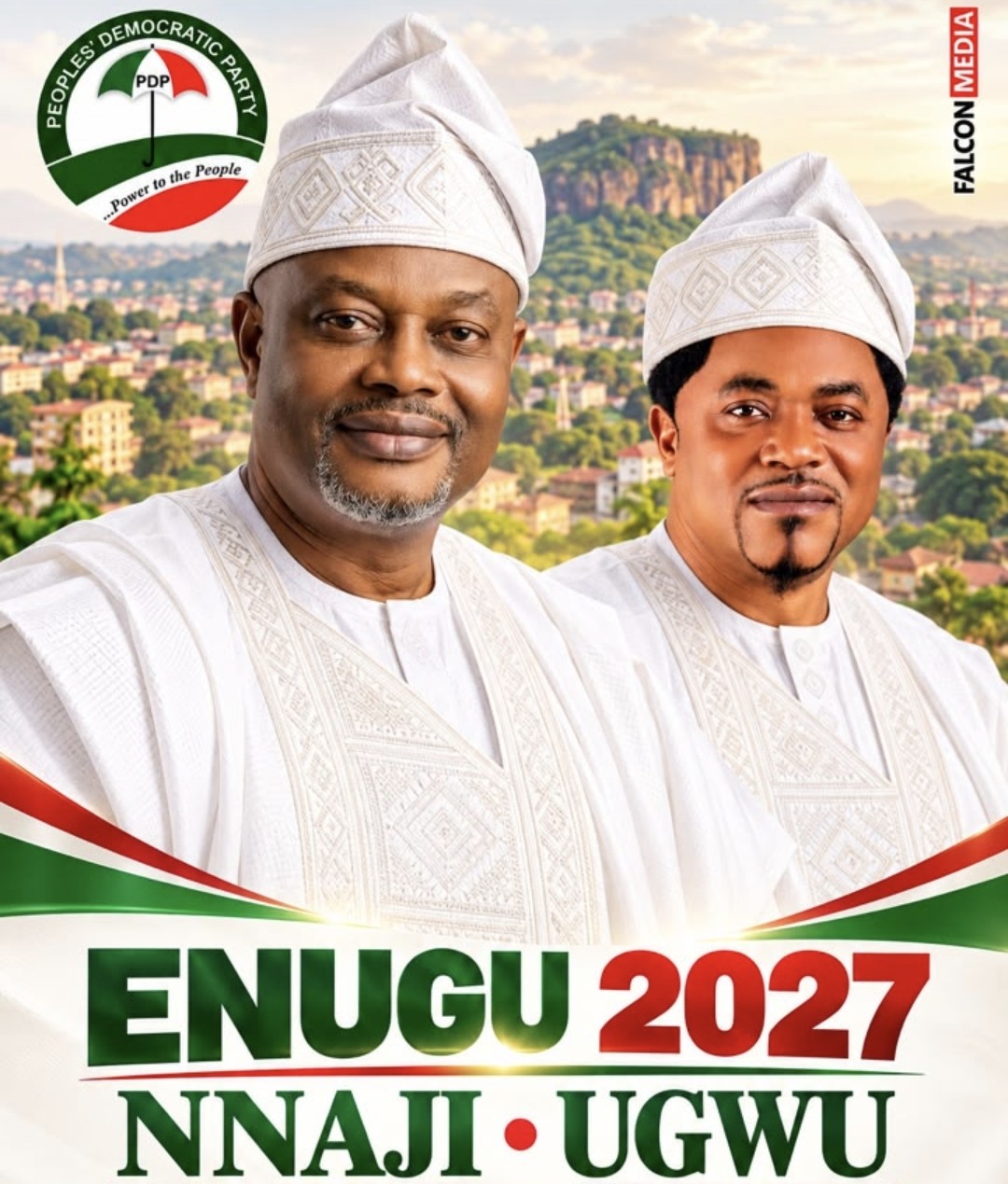
Fresh legal questions emerge over Chijioke Ugwu’s membership registration after Supreme Court restores party-register provisions
By Our Correspondent
Fresh legal questions have emerged over the Peoples Democratic Party’s 2027 governorship ticket in Enugu State following the Supreme Court’s restoration of key provisions of the Electoral Act dealing with political party membership registers and the conduct of primaries.
The questions centre on Chief Chijioke Peter Ugwu, who was recently announced by the PDP governorship candidate, Chief Uche Geoffrey Nnaji, as his running mate.
Nnaji announced Ugwu’s selection on September 24, shortly after the Supreme Court delivered its landmark judgment restoring Sections 77(5), 77(6), 77(7) and 84(2) of the Electoral Act 2026. Ugwu’s selection was subsequently reported by several Nigerian media outlets.
But documents and information available to this newspaper raise a question that could potentially become significant if the PDP ticket is challenged in court.
The PDP governorship primary in Enugu State was conducted on May 25, 2026.
However, Ugwu is understood to have registered as a PDP member on May 31, 2026 — six days after the governorship primary.
This means that if the May 31 registration date is accurately reflected in the party’s official records, his name could not have appeared in the PDP membership register submitted to the Independent National Electoral Commission (INEC) before the May 25 governorship primary.
That immediately raises the question:
Can a person who was not a member of the party on the date of its governorship primary subsequently be selected as the deputy governorship candidate without the Supreme Court’s restored membership-register provisions affecting the ticket?
What the Supreme Court restored
The Supreme Court, in a unanimous judgment delivered on September 24, set aside the Court of Appeal’s earlier decision which had declared the disputed provisions of the Electoral Act unconstitutional.
The apex court upheld the validity of Sections 77(5), 77(6), 77(7) and 84(2), following an appeal by INEC against the Court of Appeal judgment in the case involving the Zenith Labour Party.
Section 77(5) provides that only persons whose names are contained in a political party’s membership register submitted to INEC at least 21 days before a primary, congress or convention may participate in the exercise.
Section 77(6) requires political parties to use the membership register submitted to INEC for their primaries, congresses and conventions.
Section 77(7) deals with the consequence of failure by a party to submit its membership register within the prescribed period.
These provisions are now back in force following the Supreme Court judgment. Legal opinions suggest that the law’s insistence on the membership register submitted to INEC is relevant to the validity of the party’s eventual nomination process, depending on how the PDP formally nominated and submitted its governorship and deputy governorship candidates.
The precise documents will therefore be crucial.
Among the questions likely to arise are:
What date did the PDP submit its membership register to INEC?
Was Ugwu’s name contained in that register?
When exactly did Ugwu become a registered PDP member?
Was he a PDP member before the register was submitted to INEC?
How did the PDP formally nominate him as running mate?
Was the nomination made through a procedure recognised by the Electoral Act and the party’s constitution?
The controversy is coming at a sensitive time for the PDP, which has only recently unveiled Ugwu as Nnaji’s running mate. Ugwu, from Nguru in Nsukka Local Government Area, is an entrepreneur, philanthropist and community leader who runs businesses in logistics, contracting, consultancy and hospitality.
However, the governorship candidate and the deputy governorship candidate constitute a single electoral ticket. Therefore, any legal or constitutional issue affecting the eligibility of the deputy governorship candidate automatically has implications for the validity of the joint ticket, including the governorship candidate.
Another legal opinion available to this newspaper insists that “the gubernatorial ticket is a joint one. If the name of a deputy governor is not on the digital register, it invalidates the entire process.”
In the 2019 Bayelsa governorship election, APC’s David Lyon was declared winner. His running mate was Biobarakuma Degi-Eremienyo.
The Supreme Court later disqualified Degi-Eremienyo over the documents he submitted to INEC. The crucial point was that the Supreme Court held that his disqualification affected the joint ticket he shared with David Lyon. Consequently, the court ordered INEC to withdraw the Certificate of Return issued to Lyon and his deputy.
This happened one day before Lyon was due to be sworn in as governor. The certificate was subsequently issued to Douye Diri of the PDP, who had the next-highest lawful votes and the required geographical spread.
The Independent National Electoral Commission (INEC) has announced that the collection of Permanent Voter Cards (PVCs) will commence nationwide on October 9.
The development has prompted calls for eligible voters to visit the INEC office in their respective Local Government Areas to collect their PVCs and ensure they are prepared to participate in the electoral process.
Meanwhile, supporters of Hon. Engr. Anayo Onwuegbu, Omeiheukwu Akpugoeze, have urged constituents in the Aninri/Awgu/Oji River Federal Constituency to support his bid for a second term in the Federal House of Representatives.
The supporters made the appeal while encouraging eligible residents to collect their PVCs and exercise their franchise in the forthcoming election.
Voters are advised to follow official INEC guidelines and verify the applicable collection procedures and dates before visiting their designated collection centres.

-
 Business3 days ago
No Bad Blood Over New Cement Factories, But Our Mining Rights Run Till 2045 — Ibeto Tells Ebonyi Govt
-

 Sports3 days ago
Enugu Speaker’s boxing talent hunt unearths 5 budding stars
-
News3 days ago
Nigeria at 66: Macmaduson Concepts Limited Sends Independence Day Greetings to Clients
-

 News5 days ago
ACTDA Flags Off Flood Control Measures in Awka, Commences Dredging of Obibia Stream
-
 News5 days ago
Anambra to Prosecute Culprits Denying Females Right to Property Inheritance
-
 Crime4 days ago
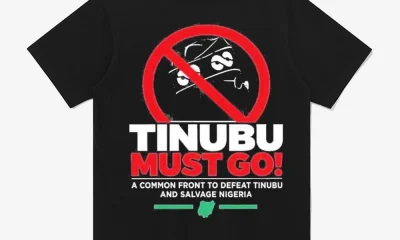
Five Arrested By Police For Wearing ‘Tinubu Must Go’ T-Shirts
-
 Politics4 days ago
EBONYI 2027: The People, Not Individuals Will Decide Who Becomes Governor – Igwe
-
 News3 days ago
66th Independence: Elder statesman wants policies to reduce hardship, calls for peace