



Health
48 million Nigerians still defecate openly- Report



This is the thrust at the inauguration of the 2021 WASH-NORM III Report in Abuja on Tuesday.
The Minister of Water Resources, Mr Suleiman Adamu, said slow progress being made in improving water and sanitation services was due to population expansion, low commitments from states and impact of COVID-19.
The News Agency of Nigeria (NAN) reports that the WASH-NORM is an annual national assessment of the status of water, sanitation and hygiene services aimed at covering the data gaps in the sector.
Its primary objective is to provide data on WASH indicators to meet the needs of policy makers for better planning.

Quoting the report, the minister said poorest households were 48 times more likely to practice open defecation than the richest households.
“First, the report presents encouraging news about the WASH targets in Nigeria, though with mixed bag of trends that calls for deep introspection.
“The results show clearly that access to basic water supply services is available to 67 per cent of the population, at 92 per cent access levels, the richest households are twice more likely to use, basic water supply services than the poorest households with 46 per cent.
“Disparities also exist between urban areas and rural areas, the most common sources of drinking water recorded by households were boreholes/tubewells, and only 11 per cent of the household population use pipe-borne water.
“About a quarter of the population still depend on unimproved and surface water supply for their daily water needs, access to sanitation indicators across the country shows a slight improvement, though open defecation is still prevalent.
“Evidently, 23 per cent of the population (48 million people) still defecate in the open. People in rural areas (31 per cent) are four times more likely to practice open defecation than those living in urban areas.”
The minister said states must continue to complement the efforts of the Federal Government as it cannot be business as usual.
He said instances could be drawn to how the national government had made huge investment in the water and sanitation sector with reports of vandalism and poor operation and maintenance by the states.
He said the entire WASH sector might not be able to meet the sustainable development goals without a concerted effort by the states to commensurate with the efforts made at the federal level.
“So what we are trying to do now, also we have changed our strategy a little bit, using the FCT as a model, and to make it more advocacy-based.
“But we have two states that are coming and working as seriously towards ending open defecation, I will like to really celebrate them when that happens.”
Ms. Jane Bevan, the UNICEF Chief of WASH, said the survey had re-empahsised the challenges and gaps between current levels of access to WASH services and the goals set out in the National Open defecation-free road map.
“WASHNORM findings showed that only 16 out of the 28 state urban water utilities are fully functional, while only eight per cent of urban water utility consumers are metered at the time of the survey.
“Open defecation remains a challenge in the country with data from the WASHNORM 2021 survey showing that as many as 48 million Nigerians practise open defecation, representing 23 per cent of the population.
“In spite of the efforts by government and partners at ending open defecation, the rapidly growing population is dwarfing the gains made so far, the outbreak of COVID-19 was an opportunity for increased effort in hygiene promotion’’.
Bevan said achievement of results at scale would make significant difference in the WASH sector and move the country towards achieving SDG six.
She however commended efforts of the ministry in scaling up access to WASH, calling for sustainability of current strategies and ensure functionality of all WASH schemes.
The Statistician-General of the Federation, Mr Semiu Adeniran said the inauguration of the report was an important milestone in the National Bureau of Statistics’ statistical production strategy.
He said this was geared towards meeting the needs of policy and decision makers, development partners, researchers and the wider public.
“WASH is an integral part of the 2030 Sustainable Development Agenda which seeks to end extreme poverty in all its forms. Safe WASH is crucial to human health and well-being.
“It is not only a prerequisite to health, but contributes to the attainment of better livelihoods, school attendance and human dignity, and also, helps to create healthy environments for communities.
Adeniran noted that the report which was the third in the series of national assessments of the status of WASH Services with the first edition launched in 2018, gave reliable, comprehensive, and up-to-date WASH data to inform strategic decision-making and address critical gaps in the sector.
He said the vast amount of data collected under the survey would be used for strategic and efficient allocation of resources, as well as for developing and implementing well-targeted policies and programs.
NAN recalls that the WASH-NORM is a collaborative effort between the National Bureau of Statistics, Federal Ministry of Water Resources and the UNICEF (NAN)
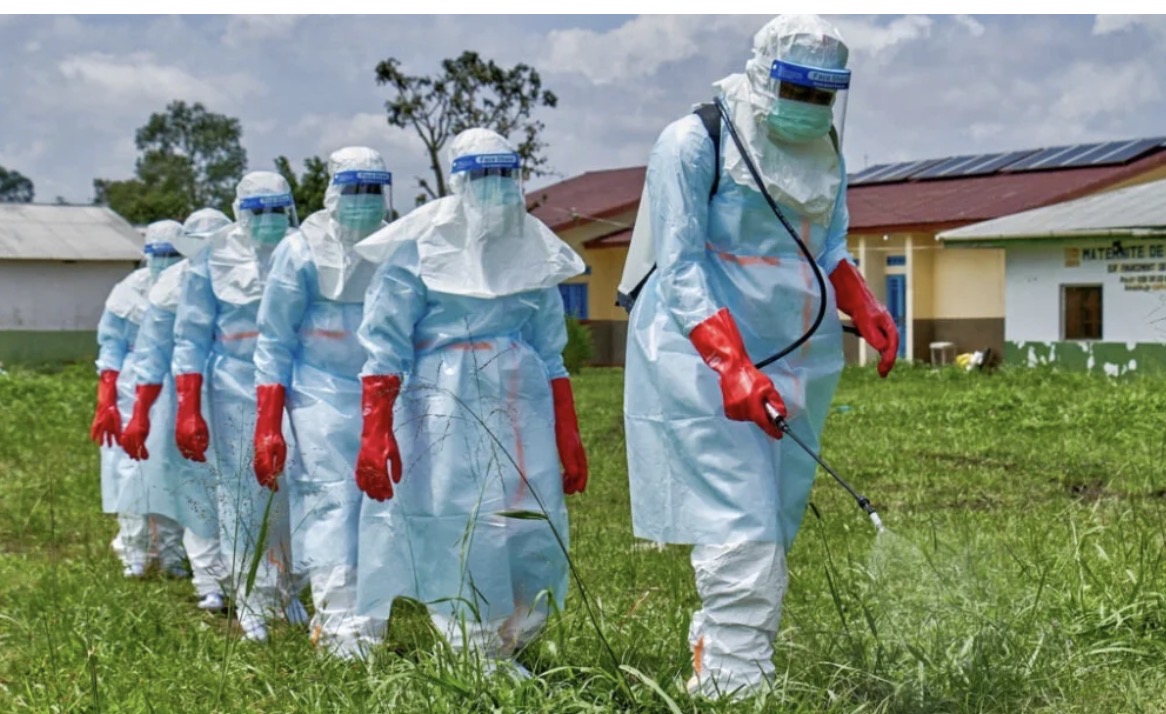
The woman who tested positive for Ebola in Nigeria has been identified as the wife of a Swiss diplomat stationed in Abuja, with preliminary investigations suggesting that she contracted the deadly virus during a recent trip to Uganda.
According to Reuters, Switzerland’s Federal Department of Foreign Affairs confirmed on Thursday that the 42-year-old Ugandan-born woman tested positive on October 20, marking Nigeria’s first confirmed Ebola case in over a decade.
The Swiss authorities disclosed that the patient had spent approximately one week receiving treatment at a private hospital in Abuja after developing symptoms before laboratory tests confirmed the infection.
The ministry explained that the woman was believed to have contracted the virus during a visit to Uganda about two weeks earlier.
Her husband, who accompanied her on the trip, has since been placed in isolation as a precautionary measure, although he has not exhibited any symptoms of the disease.
However, uncertainty remains over the actual source of the infection, as international health agencies intensify efforts to reconstruct the patient’s travel history and identify possible exposure routes.
Ugandan authorities had suggested that the woman visited eastern Democratic Republic of the Congo before travelling through Uganda, but the World Health Organisation (WHO) and Africa Centres for Disease Control and Prevention (Africa CDC) said the claim had not been independently verified.
Africa CDC official Wessam Mankoula disclosed during an online briefing that Nigerian and Ugandan health authorities were exchanging information to establish the patient’s movements.
He maintained that there was currently no validated evidence confirming that the woman travelled to the Democratic Republic of the Congo.
Providing further clarification, WHO Representative in Nigeria, Pavel Ursu, said available records indicated that the patient travelled to Uganda on September 16 and returned to Abuja on October 3.
Ursu also confirmed that the woman remained hospitalised, adding that medical indicators showed signs of improvement.
Meanwhile, WHO Emergency Response Manager Patrick Otim said investigations were continuing to establish where the infection originated and identify health facilities the patient visited after developing symptoms.
The Nigerian case has been linked to an outbreak involving the Bundibugyo strain of Ebola, first reported in the Democratic Republic of the Congo in May.
Ebola is transmitted through direct contact with the blood or bodily fluids of infected persons, including deceased victims. Common symptoms include fever, vomiting and diarrhoea, while severe infections can result in death.
Health authorities are currently tracing the patient’s contacts and reviewing her movements to identify individuals who may have been exposed and prevent further transmission of the virus.
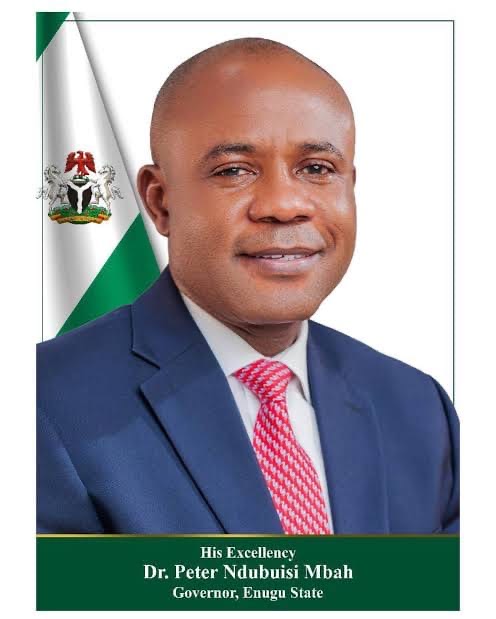
The Enugu State Government says it has strengthened its disease surveillance and puts health officials on alert within the 17 council areas in the state.
The Commissioner for Health, Prof. George Ugwu, said this on Wednesday in Enugu during a press conference on Actions of the State Government in Response to Confirmed Case of Ebola in Abuja.
Ugwu said that following the confirmation of the case, the government had reactivated and strengthened the Enugu State Public Health Emergency Operations Centre (PHEOC) to coordinate preparedness, surveillance and response activities.
“Specifically, the State has intensified disease surveillance across its 17 Local Government Areas and strengthened coordination with relevant agencies and partners.
“Surveillance activities around the Akanu Ibiam International Airport are also being strengthened in collaboration with Port Health Services and other relevant stakeholders.
“The state is further maintaining its Rapid Response Teams and relevant technical personnel on standby, while preparedness measures are being reviewed to ensure that the state is able to respond promptly should a suspected case be identified.
“Public awareness and risk communication activities are also being strengthened to ensure that members of the public receive accurate and timely information,” Ugwu, who is a Member of Presidential Committee on Ebola Prevention, said.
He said that health ministry would continue to work closely with Federal Ministry of Health and Social Welfare, its agencies and other partners to ensure effective preparedness, early detection, appropriate response and timely communication
The commissioner said that the government considers the health security of the state’s residents as a major priority and had taken appropriate precautionary measures without creating unnecessary fear or panic.
He urged health workers to maintain a high index of suspicion, strictly observe infection prevention and control measures, use appropriate protective equipment, and promptly report any suspected case through the established channels.
According to him, the government will continue to provide the necessary support and guidance to ensure health workers safety and effective response.
“To the good people of Enugu State, I urge you to remain calm and vigilant. There is currently no confirmed case of Ebola in Enugu State, and the measures being taken are precautionary.
“The public is advised to maintain good hand hygiene, avoid contact with the body fluids of sick persons, seek medical attention promptly when necessary, and report suspected sick person,” he said.
He specifically urged public and private health facilities across the state to remain on heightened alert and maintain a high index of suspicion for suspected cases, particularly among persons with relevant travel or exposure history.
“All suspected cases should be promptly isolated and immediately reported to the appropriate Disease Surveillance and Notification Officer (DSNO) or the State Public Health Emergency Operations Centre, while strict infection prevention and control measures are observed.
“I urge all health facilities to cooperate fully with the Enugu State Ministry of Health and other response agencies, as early detection and prompt notification are critical to preventing transmission,” he said.
It would be recalled that state government, through the Ministry of Health, for months had been undertaking Ebola Prevention Preparedness mesdures at Akanu Ibiam International Airport, Enugu, which is an international entry point.
The current Ebola Prevention measures at the airport is undertaking with collaboration of the Nigeria Centre for Disease Control and Prevention (NCDC), Federal Ministry of Health and Social Welfare, Port Health Services, airport authorities and other relevant partners.
.

The Enugu State Government says there is no confirmed case of diphtheria in the state, urging residents to disapprove unfounded ongoing rumours.
The Commissioner for Health, Prof George Ugwu, made the clarification in a briefing on Wednesday in Enugu on update on the rumoured suspected case of a diphtheria patient in University of Nigeria Teaching Hospital (UNTH), Ituku/Ozalla, Enugu.
“In response to this, the Public health and Surveillance unit of the State Ministry of Health are already at alert and to ensure appropriate prevention control measure and early detection as may be necessary.
“A few days ago, there was a report of suspected case of diphtheria at the University of Nigeria Teaching Hospital (UNTH), Enugu which was followed by our team.
“However, the diagnosis of diphtheria could not be sustained or confirmed; while the patient, wito was rumoured and suspected to have diphtheria,
had tonsillitis,” he said.
The commissioner noted that accordingly, contact traces and other appropriate measures are ongoing and “yet diphtheria are not diagnosed or confirmed in the state.”
He explained that the suspected patient had been traced to his home in Achara Layout in Enugu and he did not have any record of travel and had not being to the northern part of the country as rumoured.
“Our surveillance and tracing teams have also contacted his family members and others but no trace of diphtheria established,” he said.
Ugwu noted that although the state had remained on high alert against infectious diseases, “Enugu State is never at high risk of contacting diphtheria”.
“For the state, we have a robust routine and mop up vaccination especially on Penta 3, which provides effective immunisation against diphtheria for a whole life time.
“In 2026 Vaccination, we had 91 per cent record of coverage on Penta 3 vaccination, which is even above the national target or threshold,” he said.
The commissioner urged residents to remain calm and avoid spreading rumours or unverified information as well as seek medical attention promptly if they develop symptoms of any sickness.
He said, “The ministry is calling on parents and caregivers to ensure children are fully immunised with diphtheria containing vaccines (Penta 3).
“Residents are urged to follow the advice of health authorities during contact tracing and monitoring.
“Healthcare workers are urged to maintain appropriate standard precautions, promptly notify suspected cases through the surveillance system and ensure appropriate infection prevention and control measures.
“The Enugu State Ministry of Health, in collaboration with UNTH and relevant international partners, continues to monitor the situation and will be proactive for further information as necessary,” he added.
It would be recalled that there is an outbreak of diphtheria in Nigeria and 19,799 suspected cases sent to molecular laboratory test; with 15,309 confirmed cases and 517 confirmed death across 26 states and 357 Local Government Areas.
The worst affected states accounting for over 98 per cent cases of diphtheria are Kano, Bauchi, Borno, Kastin, Sokato, Zamfara, Kaduna and Plateau according to Nigeria Centre for Disease Control and Prevention (NCDC).
Diphtheria is a serious but vaccine preventable bacterial disease that can spread though respiratory droplets and close contact.
Symptoms of Diphtheria include: fever, sore throat, difficulty or pain when swallowing, cough, difficulty breathing, swelling of the neck and greyish/white membrane in the throat.
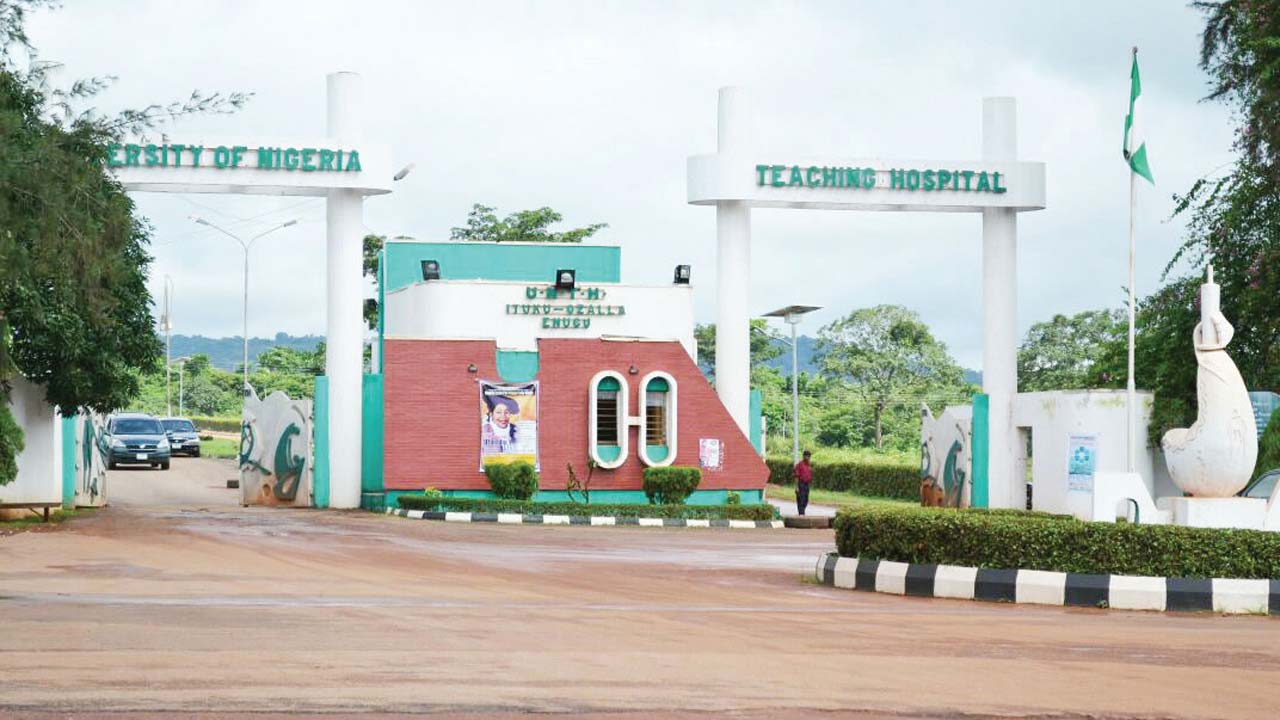
The University of Nigeria Teaching Hospital (UNTH), Ituku-Ozalla, Enugu State, has urged patients, visitors and members of the public to remain calm following the management of a clinically suspected case of diphtheria at the hospital.
The reassurance followed concerns over the admission and subsequent death of a paediatric patient at the hospital’s Children’s Emergency Room (CHER).
According to a statement issued by the hospital management on Wednesday, the patient received medical intervention immediately after admission but died two days later despite efforts by the attending medical team.
The hospital said a subsequent clinical post-mortem review suggested that the severe symptoms may have been caused by severe pharyngotonsillitis with massive exudate, rather than diphtheria as initially suspected.
However, as a precautionary measure, UNTH said comprehensive contact tracing had commenced to identify and monitor individuals who may have had close contact with the deceased.
The hospital also confirmed that the Children’s Emergency Room had undergone standard decontamination in line with established infection prevention and control protocols.
UNTH said it had previously managed sporadic cases of diphtheria successfully and possesses the specialist personnel, isolation facilities and medical equipment required to manage infectious disease cases.
The management urged members of the public to remain vigilant for symptoms associated with diphtheria, including persistent fever, severe sore throat and difficulty swallowing.
It advised anyone experiencing such symptoms, as well as parents whose children develop them, to seek immediate medical attention at a recognised healthcare facility and avoid self-medication.
Healthcare workers, patients and visitors were also advised to maintain proper hand hygiene and respiratory etiquette while within the hospital premises.
The hospital management assured the public that it would continue to prioritise community safety and public health, while providing updates based on verified medical information.

ENUGU — The Presidential Candidate of the National Democratic Congress (NDC), Mr Peter Obi, and the party’s Enugu State Governorship Candidate, Sir Chinyeaka Ohaa, on Thursday, August 13, 2026, visited Parklane Specialist Hospital, Enugu, to show solidarity with patients battling kidney disease and other related illnesses.
They arrived at about 5:00 p.m. in the company of other party leaders, including the NDC Senatorial Candidate for Enugu East, Ada Ogbu; Hon. Kentus Eze; Hon. Ike Ezugwu; Architect Everastus Odo; Comrade Obi Mamah, H(JP); Hon. Odo Joel; and other party faithful who turned out to receive Peter Obi.
The visit followed a humanitarian gathering convened by Okwuluora to draw attention to the plight of more than 500 kidney patients and their families struggling to afford treatment.
Over 500 Kidney Patients Cry for Help as Families Battle for Survival
It was an emotional scene as men, women and children living with kidney-related illnesses converged at Parklane, hoping to receive urgent assistance.
Many of the patients showed visible signs of prolonged illness and hardship. Some were due for dialysis but could not afford the treatment, leaving them and their families trapped in a painful struggle for survival.
The severity of their condition was evident, with some displaying swollen hands, arms and legs, while others had bloated abdomens and anxiety-filled faces as they awaited assistance.
Among those present was a 13-year-old boy from Akure, Ondo State. His mother said she had sold virtually everything she owned to sustain his dialysis treatment for the past five years. Despite the sacrifices, the boy was at Parklane hoping to benefit from the intervention.
The large turnout has renewed concerns over the growing burden of kidney disease and the rising cost of dialysis and transplant care in the South-East and other parts of the country.
Speaking at the event, Okwuluora commended the stakeholders who supported the initiative and called for sustained assistance for kidney patients and their families.
The national and state leadership of the NDC also commended Okwuluora for his consistent commitment to Nigerians in need, particularly those battling critical health challenges.
In his remarks, Peter Obi expressed concern after listening to the testimonies of the patients. He called on well-meaning Nigerians, corporate organisations and governments at all levels to support kidney patients in dire need of assistance.
The organisers and families of the patients expressed gratitude to Obi for honouring the invitation and using his platform to draw attention to the plight of sick and vulnerable Nigerians.
They also thanked Sir Chinyeaka Ohaa for standing with the people of Enugu during the difficult moment and for demonstrating what they described as leadership that places human lives first.
Appreciation was equally extended to NDC supporters who attended the gathering, with attendees saying their presence offered hope and reassurance to the patients and their families.
The NDC leadership reaffirmed its commitment to advocating for improved healthcare funding, greater access to dialysis and policies aimed at reducing the burden of catastrophic healthcare expenses on families in Enugu State and across Nigeria.

-
 News4 days ago
C’RIVER 2027 BUDGET: GOV OTU PRESENTS ₦987.8bn ESTIMATES TO ASSEMBLY
-

 EverydayNews Telescope4 days ago
Enugu East Senate: The Dark Side of Ada Ogbu, NDC Candidate
-
 News3 days ago
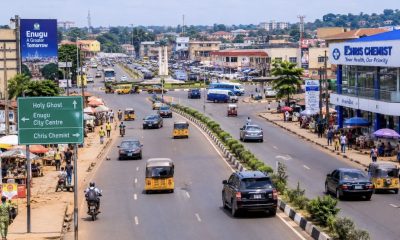
Holy Ghost Transformation: How Enugu North Chairman Ibenaku Onoh Ended Years of Traffic Chaos, Roadside Trading
-

 EverydayNews Telescope4 days ago
Ebonyi 2027: The People’s Quest For ODII Vs Compromised Stakeholders
-
 Politics2 days ago
One Feared Dead, Several Injured as Thugs Attack Ebonyi NDC Assembly Candidate, Burn Campaign Vehicle
-
 Politics4 days ago
2027: Tinubu Has No Hand in Alleged Assassination Plot Against Atiku – APC
-
 News5 days ago
Cross River Assembly Passes State Police Bill with 22 Votes
-

 Crime4 days ago
N8m Fraud: Job Racket Lands Enugu Businesswoman in EFCC Net