





Uncategorized
UniAbuja Land Dispute: Five Unions Protest Wike’s Reallocation, Demand Tinubu’s Intervention

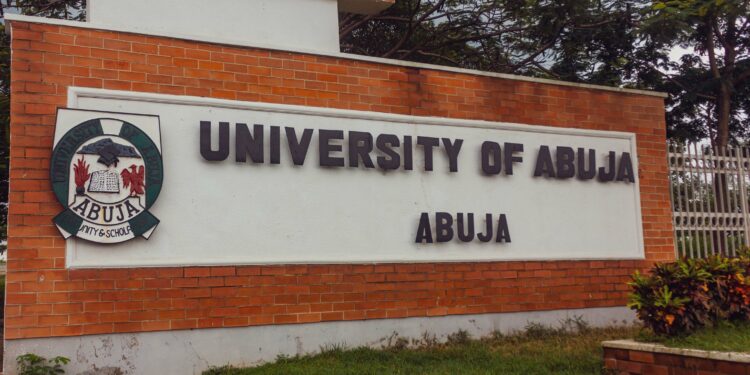

The land dispute between the University of Abuja and the Federal Capital Territory Administration (FCTA) escalated on Monday as five university unions staged a protest against the alleged reallocation of portions of the institution’s land by FCT Minister, Nyesom Wike.
The protesters, comprising academic and non-academic staff, students and alumni, called on President Bola Tinubu to intervene and reverse the decision, accusing the FCTA of disregarding the rule of law.
However, the FCTA defended the action, insisting that Wike merely implemented a decision approved by his predecessor, former FCT Minister, Mohammed Musa Bello, following recommendations by a committee established in 2016.
The protest involved members of the Academic Staff Union of Universities (ASUU), Senior Staff Association of Nigerian Universities (SSANU), Non-Academic Staff Union of Educational and Associated Institutions (NASU), the Students’ Union Government and the university’s alumni association.
The unions accused the FCT minister of transferring portions of land originally allocated to the university to private individuals, despite an ongoing legal dispute.
Speaking during the protest in Abuja, ASUU chairman of the University of Abuja branch, Sylvanus Ugoh, said the land was allocated to the institution when it was established in 1988 and should not be taken away for private interests.
Describing the alleged reallocation as an attack on public education, Ugoh urged Tinubu to direct Wike to reverse the decision.
He said, “University is a public good; university is public interest. There is nowhere in the world where you take public interest for individual interest.
“We say no to the issue of the honourable minister taking the land that belongs to the university.”
The ASUU chairman warned that the controversy could undermine the Federal Government’s assurances that universities would not experience industrial action under the current administration.
He insisted that the university community would not remain passive while land reserved for future generations was allegedly transferred to private individuals.
Also speaking, SSANU branch chairman, Nurudeen Yusuf, said the unions would resist any attempt to take over the institution’s land, stressing that adequate land was essential for university expansion and specialised academic programmes.
Yusuf cited the Departments of Nuclear Engineering and Aeronautical Engineering as examples of programmes requiring extensive space for research, practical training and other specialised activities.
He explained that nuclear engineering research required buffer zones, arguing that the land was deliberately provided to accommodate the university’s academic and research needs.
The protest followed an earlier warning by the university’s ASUU branch that it could embark on industrial action if the minister failed to reverse the alleged decision. The union had also threatened legal action to prevent the disputed land from being taken over and reallocated.
The controversy dates back to June 2025, when Wike announced plans to reclaim about 7,000 hectares of land originally allocated to the university, reducing its landholding from 11,824 hectares to approximately 4,000 hectares.
The minister had accused the institution of occupying and fencing off extensive portions of land without adequate documentation, directing the FCTA to reallocate the reclaimed areas for other developments in Giri District.
Defending the decision on Monday, the FCTA said it was based on recommendations made by a joint committee established in 2016 under the administration of former FCT Minister Mohammed Musa Bello.
In a statement issued by Wike’s Senior Special Assistant on Public Communications and Social Media, Lere Olayinka, the administration said the committee comprised representatives of both the FCTA and the university.
According to the statement, the committee recommended reducing the university’s landholding of over 11,000 hectares to 100 hectares, citing the National Universities Commission’s recommended land size for universities.
It added that five of the committee’s 12 members were representatives of the University of Abuja, including Prof. Otaki Alanana, Prof. A. Mallam, Mohamed Kassim, A.E. Ripite and Sadiq O. Shuaibu.
The FCTA maintained that the committee’s report was approved by Bello, insisting that Wike had only implemented an existing government decision.
Olayinka, however, disclosed that Wike approved 4,519.80 hectares for the university, rather than the 100 hectares recommended by the committee.
The administration further argued that the retained land could accommodate more than 80,000 buildings, using a plot size of 500 square metres.
It also accused the university of allocating portions of its land to individuals and corporate organisations without consulting the FCTA, citing the Economic and Financial Crimes Commission as one of the beneficiaries.
Questioning the university’s demand to retain more than 11,000 hectares, the minister’s aide challenged the institution to justify the size of land required for its development after 38 years of existence.
However, the university management and ASUU have maintained that the original land allocation was legitimate and necessary for the institution’s long-term development, including academic expansion, agricultural research and infrastructure.
The university’s Pro-Chancellor, Olanrewaju Tejuoso, had also argued that much of the land remaining with the institution consisted of rocky hills, raising concerns about the actual amount of land available for development.
The dispute has also assumed a legal dimension, with the university instituting Suit No. FCT/HC/CV/3500/2026 before the High Court of the Federal Capital Territory, Maitama.
In the suit, Justice F.E. Messiri reportedly ordered the parties on August 18, 2026, to maintain the status quo ante bellum concerning Plot No. 1, Giri District, pending the determination of the substantive matter.
ASUU subsequently accused the FCTA of violating the court order through alleged allocations of portions of the disputed land to private individuals and companies on September 26, 2026.
The unions have urged the Federal Government to intervene and resolve the dispute to prevent a wider crisis that could disrupt academic activities at the institution.

Uncategorized
Ogarabe Assumes Duty as 30th Enugu Police Commissioner, Promises Intelligence-Led Policing
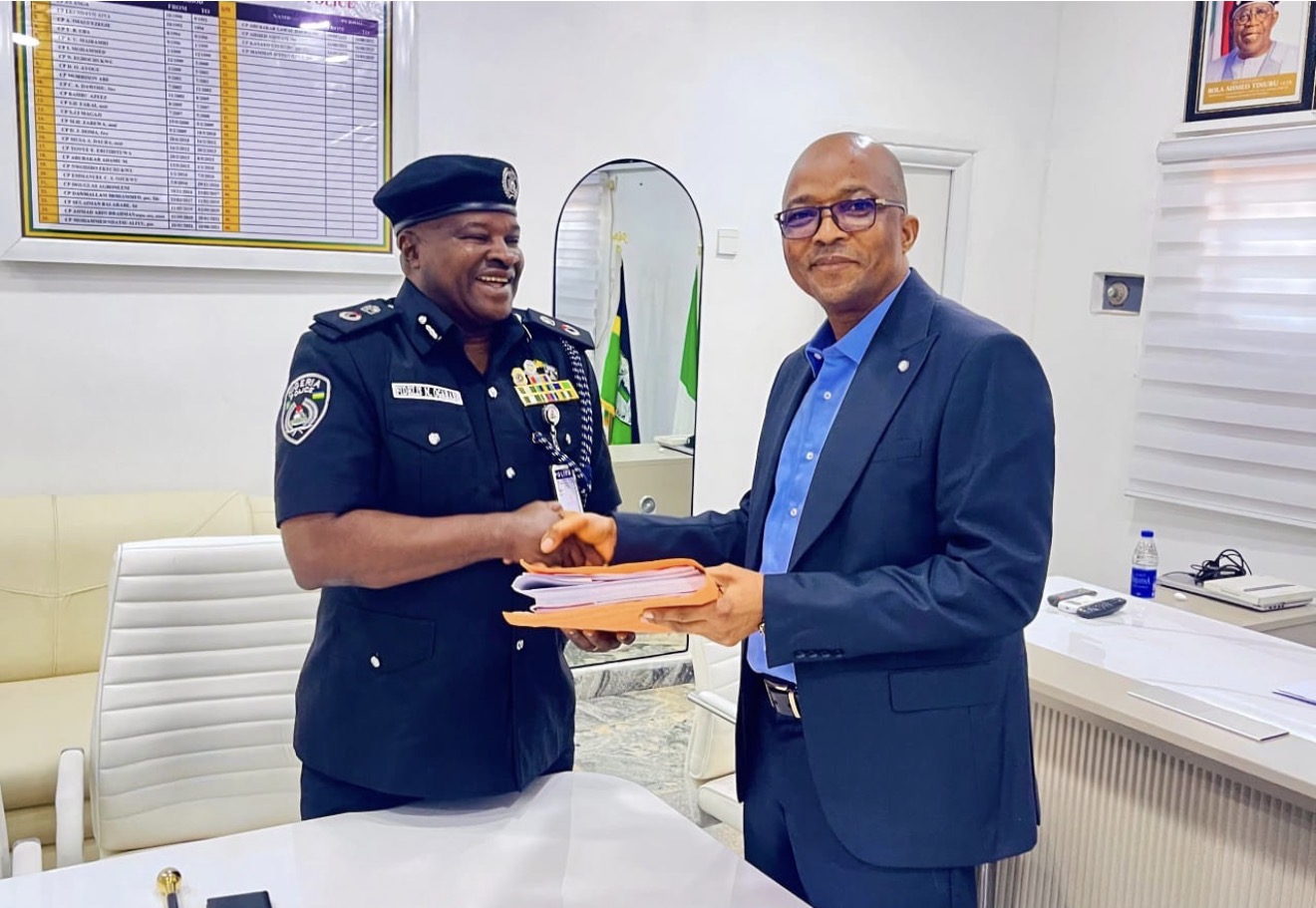
The new Commissioner of Police in Enugu State, CP Fidelis Ndubuisi Ogarabe, has assumed duty as the 30th Commissioner of Police of the Enugu State Command, promising to strengthen security through professional, intelligence-led, preventive and people-centred policing.
Ogarabe assumed office on Tuesday, November 17, 2026, following a formal handover from his predecessor, CP Mamman Bitrus Giwa, who has been redeployed to the Force Criminal Investigation Department (FCID), Abuja, to head the Special Enquiry Bureau (SEB).
The new police commissioner, a native of Ohaji/Egbema Local Government Area of Imo State, holds a Bachelor of Science degree in Political Science from the University of Nigeria, Nsukka (UNN), and a Master of Science degree in International Law and Diplomacy from Enugu State University of Science and Technology (ESUT).
He joined the Nigeria Police Force as a Cadet Assistant Superintendent of Police (ASP) and was commissioned in 1994.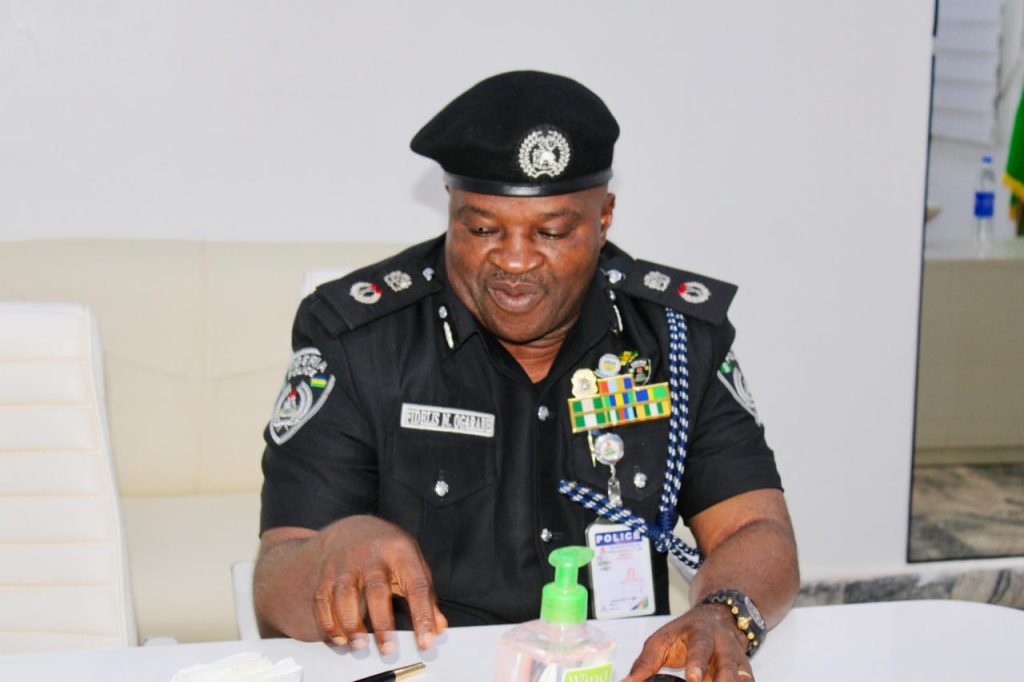
Ogarabe began his policing career in Enugu State, where he served in various divisions, including as Divisional Police Officer (DPO) of the then Trade Fair Police Station.
He later served as Officer in Charge of General Investigation at the State Criminal Investigation Department (CID), Abia State Command, before returning to Enugu, where he served as Chief Security Officer to two successive governors of the state.

He also served as Assistant Commissioner of Police and Deputy Commissioner of Police in charge of the Command’s Criminal Investigation Department, Deputy Commissioner of Police at the Force CID Annex, Enugu, and Deputy Commissioner of Police in charge of Finance and Administration, Anambra State Command.
Following his promotion to the rank of Commissioner of Police, Ogarabe served at the Office of the National Security Adviser (ONSA), Abuja, before his appointment as Commissioner of Police for the Independent National Electoral Commission (INEC), Abuja.
Until his latest posting, he was the Commissioner of Police at the INTERPOL Annex, Lagos.
The new police boss is a professional member of the National Institute of Police Studies (NIPS), where he attended the Institute’s Strategic Leadership and Command Course. He also participated in several professional training programmes, including the Chief Security Officers’ Course, Junior Command Course and Advanced Detective Course.
With over 30 years of experience spanning police operations, criminal investigation and administration, Ogarabe pledged to deploy his wealth of experience towards strengthening security and maintaining law and order in Enugu State.
He said his policing strategies would be aligned with the vision and mission of the Inspector-General of Police, IGP Olatunji Rilwan Disu, while emphasising community partnership as a critical component of effective policing.
He also solicited the cooperation and support of residents and other stakeholders in the collective effort to sustain peace, security and public order across the state.
Ogarabe is married with children. His interests include football, physical exercise and philanthropy.
The development was contained in a statement issued on Tuesday by the Enugu State Police Public Relations Officer, SP Daniel Ndukwe.
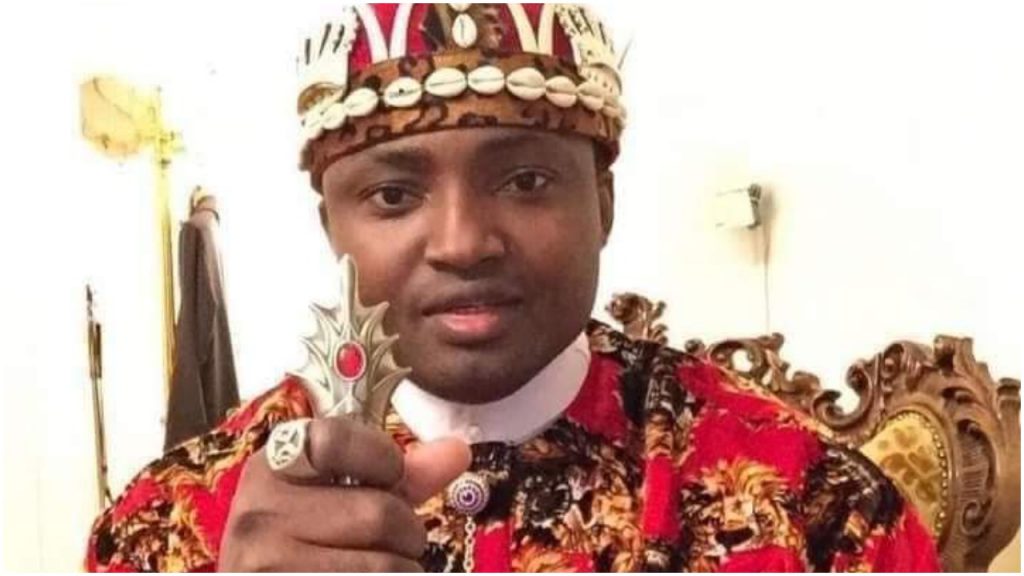
Pro-Biafra separatist figure Simon Ekpa has reportedly regained his freedom after spending nearly two years in a Finnish prison over terrorism-related offences linked to separatist activities in Nigeria’s South-East.
The development was disclosed on Tuesday, November 17, by Barrister Aloy Ejimakor, lawyer to the detained leader of the Indigenous People of Biafra (IPOB), Nnamdi Kanu.
Ejimakor, in a post on his X account, said Ekpa’s close friend and ally, Dr David Matsanga, confirmed the development during a telephone conversation with him.
“Mazi SIMON EKPA has just been FREED from Finnish prison. His close friend and ally, Dr David Matsanga, confirmed it to me just minutes ago during our telephone conversation,” Ejimakor wrote.
The reported release was also announced by Ngozi Orabueze, Deputy Prime Minister of the Biafra Government in Exile, who shared a video purportedly showing Ekpa emerging from the prison facility.
In the video, Ekpa was reportedly heard making a brief statement following his release.
Ekpa’s release comes after a series of legal proceedings in Finland, where he was arrested in November 2024 over terrorism-related offences connected to separatist activities in Nigeria’s South-East.
On September 1, 2025, the Päijät-Häme District Court sentenced him to six years in prison after finding him guilty of participating in the activities of a terrorist group and publicly inciting crimes for terrorist purposes.
However, on October 15, 2026, Finland’s Court of Appeal upheld his convictions but reduced his prison sentence from six years to four years.
His legal team had earlier indicated that November 17, 2026, was the expected date for his release from custody.
The circumstances surrounding his release have not been fully detailed in the reports, although the development is consistent with the date previously communicated by his legal representatives.
There was no separate official announcement from Finnish prison authorities included in the reports available at the time of filing.
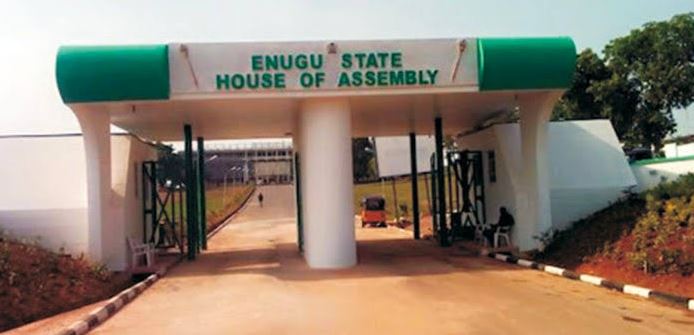
The Enugu State House of Assembly has passed the Landlord and Tenant Amendment Bill, which seeks to regulate rent increases and protect tenants from arbitrary hikes by landlords.
The bill was passed on Tuesday following the successful completion of its third reading and consideration of a report presented by the committee established by the House to review the proposed amendments.
The committee comprised members of the House Committees on Housing and Investment, Public Petition, Ethics and Privileges, and Judiciary.
A motion for consideration of the report was moved by Hon. Iloabuchi Abugu, representing Nkanu West Constituency, and seconded by Rt. Hon. Jane Eneh, representing Awgu North Constituency.
Presenting the report, the Chairman of the House Committee on the amendment, Rt. Hon. Okey Mbah, representing Nkanu East Constituency, said the committee’s recommendations followed extensive consultations with relevant stakeholders.
Mbah said the proposed legislation would end the exploitation of tenants and usher in a more balanced relationship between landlords and tenants.
He described the bill as a game changer, adding that its implementation would reduce by more than 60 per cent the financial burden residents face when trying to secure accommodation.
Following the presentation of the report, the House dissolved into the Committee of the Whole to consider the recommendations alongside the bill before it was subsequently passed.
Under the proposed legislation, landlords would only be allowed to increase rent after four years, with such an increase capped at two per cent of the existing rent.
However, where a landlord undertakes reasonable renovation of a property, the bill permits a rent increase of not more than 10 per cent.
Speaking after the passage, the Speaker of the Assembly, Rt. Hon. Uche Ugwu, described the legislation as part of the good governance initiatives of the administration of Governor Peter Mbah.
He said the proposed law would give tenants in Enugu State a new lease of life by addressing some of the challenges associated with tenancy arrangements.
The bill, titled A Bill for a Law to Amend the Landlord and Tenant Second Amendment Bill, Cap 101, Revised Laws of Enugu State 2024, House Bill No. 3, 2025, passed its second reading on March 11, 2026, and subsequently underwent a public hearing on March 26, 2026.
With its passage by the Assembly, the bill now awaits the assent of Governor Peter Mbah before it can become law.
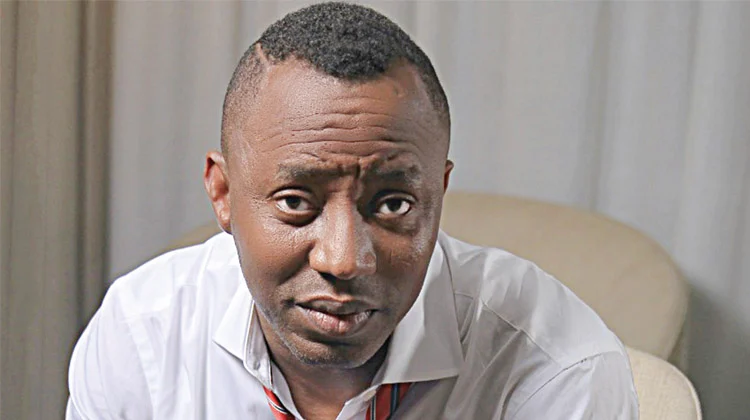
Activist and former presidential candidate, Omoyele Sowore, has rejected a proposal by former Bayelsa State Governor and Senator, Henry Seriake Dickson, for an emergency all-party summit to address rising political violence ahead of the 2027 general elections.
Sowore instead called for nationwide protests and mass action against the administration of President Bola Tinubu, arguing that another round of political dialogue and peace meetings would not adequately address the situation.
Dickson, who is the National Leader of the Nigeria Democratic Congress (NDC), had called for urgent intervention by political parties, electoral authorities and security agencies over alleged attacks, intimidation and thuggery targeting candidates and supporters of his party.
In a statement issued on Sunday, November 15, 2026, Dickson expressed concern over what he described as a growing pattern of political violence and intimidation as political activities gather momentum ahead of the 2027 elections.
He urged the Inter-Party Advisory Council (IPAC), the Independent National Electoral Commission (INEC), the National Peace Committee led by former Head of State, General Abdulsalami Abubakar, and security agencies to convene an emergency all-party summit.
According to him, the proposed meeting would provide an opportunity for political stakeholders to address emerging threats and agree on measures to prevent further escalation.
Dickson warned that failure to tackle political violence at an early stage could threaten the peaceful conduct of the 2027 elections and undermine Nigeria’s democratic process.
However, Sowore rejected the proposal on Monday, sharing a news graphic containing Dickson’s appeal and marking it with a large red X.
The activist argued that Nigeria did not need another summit, dialogue or peace committee meeting to address political violence.
Instead, he advocated nationwide protests and sustained public mobilisation to compel the government to address the country’s political and governance challenges.
Sowore’s position reflects his longstanding advocacy for street protests and civic resistance as instruments for demanding accountability from those in power.
The disagreement has highlighted two contrasting approaches to tackling political violence ahead of the 2027 elections.
While Dickson favours institutional engagement involving political parties, electoral authorities and security agencies, Sowore believes that direct public pressure and mass action are more effective in forcing government accountability.
Dickson’s proposal is aimed at bringing political stakeholders together to develop preventive measures, protect candidates and supporters, and promote peaceful political activities.
On the other hand, supporters of Sowore’s position argue that previous political meetings and peace initiatives have failed to prevent electoral violence, making sustained public mobilisation necessary.
The development has also generated reactions on social media, with some supporters backing Sowore’s call for mass action, while others believe Dickson’s proposed summit could provide a practical platform for addressing the reported threats.
Some commentators have called for greater cooperation among opposition leaders, warning that disagreements over strategy could weaken efforts to confront political violence.
As of Monday, November 16, IPAC, INEC and the National Peace Committee had not publicly confirmed whether they would convene the proposed emergency summit.
The debate comes amid growing concerns over the security of political actors and the need to guarantee a level playing field as preparations for the 2027 general elections intensify.
Whether through institutional dialogue, public protests or a combination of both approaches, the challenge remains how to prevent political intimidation and violence from undermining Nigeria’s electoral process.

A 36-year-old car washer, Adah Martins Pius, has been sentenced to seven years’ imprisonment for stealing a customer’s Lexus SUV entrusted to him for washing in Enugu.
The Enugu State Police Command disclosed this in a statement issued on Monday by its Public Relations Officer, SP Daniel Ndukwe.
According to the police, the convict stole the black Toyota Lexus 330 SUV on November 5, 2026, at Fourth Dimension, Enugu, instead of washing and returning it to its owner.
Pius, a native of Ugep in Yakurr Local Government Area of Cross River State, reportedly fled with the vehicle to his hometown after the incident.
Following a complaint by the vehicle’s owner, operatives of the New Haven Police Division deployed technical intelligence to track and arrest him in Cross River State.
The stolen SUV was subsequently recovered on November 11, 2026, while the suspect was arraigned before the Enugu North Magistrate Court on November 16 on a one-count charge of stealing.
The police said Pius pleaded guilty to the charge and was convicted and sentenced to seven years’ imprisonment by the court.
The Command commended the police operatives for their diligence and the court for the speedy dispensation of justice.
It also reaffirmed its commitment to tackling criminal activities and ensuring the safety of residents and their property across the state.


-
 Politics4 days ago
2027: INEC Fixes November 28 For Nationwide Mock Presidential Election
-
 Politics2 days ago
2027: Kano Governor’s Wife Divorce Saga Sparks Arrest of Three Security Personnel
-
 News4 days ago
UNN Tragedy: Mbah Orders Probe Into Deaths of Four Students, Moves to Ban Sign-Out Parties
-
 Politics3 days ago
2027: Utazi, Toby Okechukwu Lead Enugu APC Parliamentary Mobilisation for Tinubu, Mbah’s Re-election
-
 News analysis4 days ago
2027: Mbah’s Opponents Have No Records of Achievements, Concrete Plans for Enugu
-
 News4 days ago
Generator Fumes Suspected in Death of Four UNN Students
-
 Crime4 days ago
US: Nigeria Not Doing Enough to Stop Attacks on Christian Communities
-
 News3 days ago
AMUPITAN’S RESIGNATION: INEC dismisses report as false amid voter register controversy, London protest