



Politics
2027: SOUTH-EAST — NATIONAL RELEVANCE OR ETHNIC MASSAGING OF EGO?

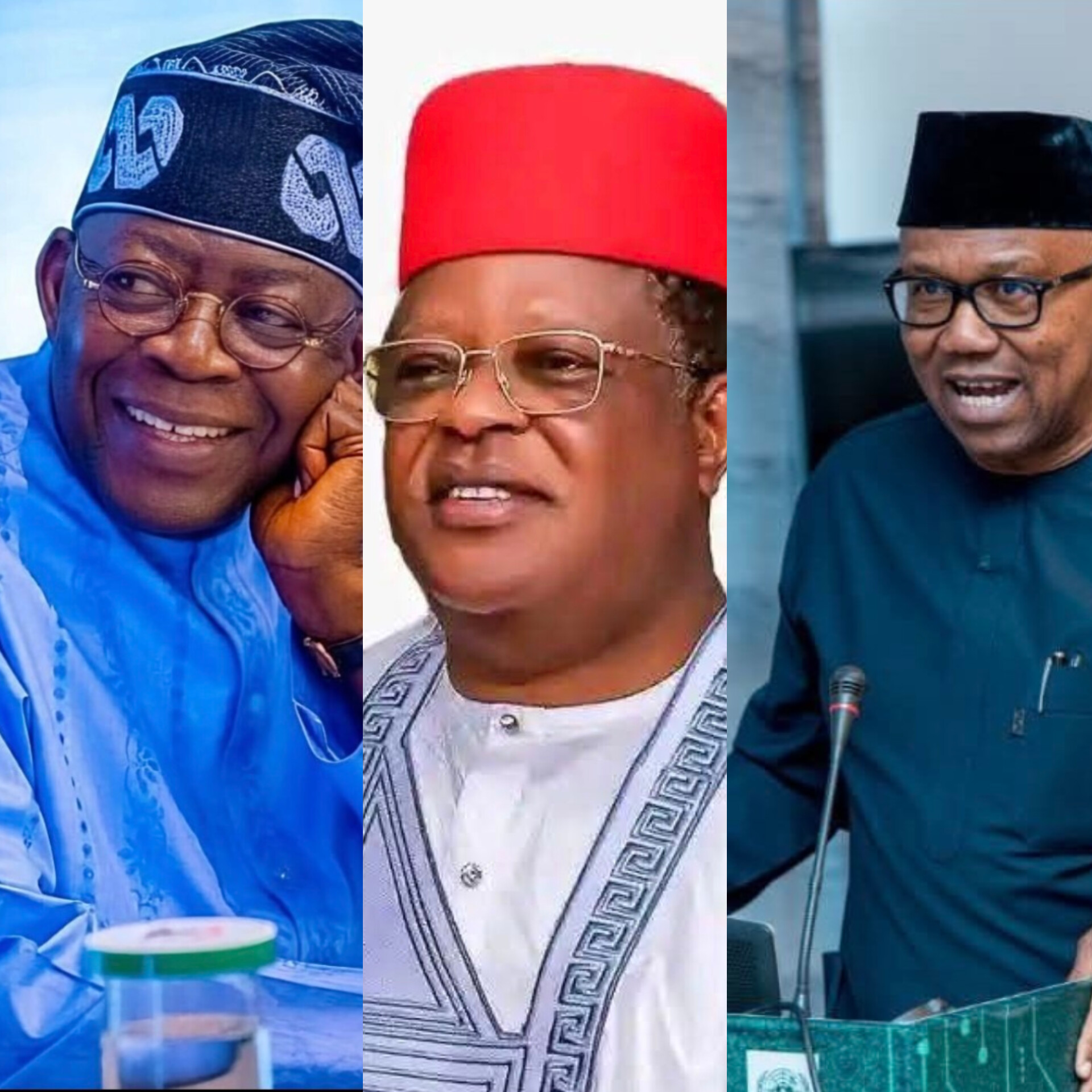

Why the Igbo Must Choose Political Strategy Over Emotional Politics
By Emma Igwe
There comes a moment in the political history of every people when sentiment must give way to strategy.
For the South-East, 2027 may be that moment.
The question before the Igbo nation is not whether an Igbo man should one day become President of Nigeria. Of course he should. The question is whether the Igbo people are prepared to do the difficult political calculations required to make that aspiration a reality.
And that is where the 2027 presidential election becomes more than a contest between political parties.
It becomes a referendum on the political intelligence of the South-East.
Will the region continue to vote primarily to satisfy ethnic emotions and demonstrate loyalty to its own?
Or will it begin to think several political moves ahead—like a chess player who understands that sometimes the best way to capture the king is to first control the board?
THE HARD TRUTH THE SOUTH-EAST MUST CONFRONT
Peter Obi has demonstrated something remarkable.
He has shown that an Igbo politician can generate extraordinary enthusiasm among millions of Nigerians, particularly young people. His political movement has changed the conversation about presidential politics and created a new generation of politically conscious voters.
But enthusiasm is not the same thing as electoral mathematics.
The South-East must ask a difficult question:
Can regional popularity, without a sufficiently broad and durable national coalition, deliver the presidency?
That question is not an attack on Obi.
It is the central question of Nigerian politics.
The same principle applies to Rabiu Musa Kwankwaso. His influence in Kano and parts of the North is considerable. Historically, Mallam Aminu Kano demonstrated how powerful regional political mobilisation could become.
But regional strength alone has never been enough to guarantee the Nigerian presidency.
Nigeria is a federation of competing interests.
The presidency is won by coalition.
And the Igbo must learn to build coalitions without surrendering their identity.
AZIKIWE, EKWUEME AND THE POLITICS OF REALISM
History provides the South-East with a political textbook.
Dr. Nnamdi Azikiwe was one of Nigeria’s most influential nationalist leaders. Yet his enormous stature and regional influence did not automatically translate into the presidency.
Alex Ekwueme took a different route.
In the Second Republic, he became Vice-President through a political arrangement that placed an Igbo leader at the very heart of the federal government.
That distinction is important.
Zik represented the grandeur of the national dream. Ekwueme demonstrated the power of political positioning.
The lesson is not that the Igbo should abandon presidential ambition.
The lesson is that presidential ambition must be accompanied by political architecture.
This is precisely why the David Umahi argument deserves a more sophisticated examination than the usual name-calling that accompanies it.
UMAHI’S POLITICAL GAMBLE
Like him or hate him, David Umahi understands one fundamental principle of politics:
You cannot negotiate from the margins if you want to control the centre.
His decision to work with President Bola Ahmed Tinubu has attracted criticism from many quarters of the South-East.
But political history will ultimately judge whether that decision was merely opportunistic or whether it represented a calculated attempt to reposition the South-East within Nigeria’s governing establishment.
As Minister of Works, Umahi is also uniquely positioned to make the infrastructure argument.
The Federal Government says major road and bridge projects are currently being executed across Ebonyi and the wider South-East, including sections of the Calabar–Ebonyi–Benue–Nasarawa–Abuja corridor and the Ndi-Egbe Bridge linking Ebonyi with Cross River.
Umahi has repeatedly argued that the Tinubu administration is reversing decades of infrastructure neglect in the region. In June 2026, he specifically cited projects that he said had remained unrealised for decades.
These claims should be scrutinised, not blindly accepted.
But neither should they be dismissed simply because they come from a politician whose political position many people dislike.
THIS IS NOT ABOUT LOVING TINUBU
Here lies the fundamental misunderstanding.
The argument for the South-East supporting Tinubu in 2027 does not have to mean that every Igbo man suddenly becomes an APC loyalist.
It does not mean that every policy of the Tinubu administration must be applauded.
It does not mean that the South-East should surrender its independent political voice.
It means something much more sophisticated:
The South-East should negotiate with power instead of permanently positioning itself outside power.
There is a difference between loyalty and strategy.
A political party is not a religion.
A presidential candidate is not a tribal deity.
Politics is transactional.
Every serious political region negotiates.
The Yoruba negotiate.
The North negotiates.
The South-South negotiates.
Why should the Igbo be the only people expected to vote purely from emotion?
THE 2031 CALCULATION
This is where the debate becomes particularly interesting.
If Tinubu wins in 2027, the political conversation will inevitably move toward the succession question.
Who takes over after Tinubu?
Which region?
Which coalition?
Which political bloc has accumulated sufficient goodwill, influence and bargaining power to negotiate the next presidential arrangement?
The South-East cannot wait until 2031 before asking these questions.
The political preparation must begin in 2027.
That is the strategic argument behind Umahi’s position.
If the South-East becomes a critical component of the governing coalition in 2027, it potentially creates a stronger negotiating platform for the future.
That does not guarantee an Igbo presidency.
Nothing in Nigerian politics comes with such a guarantee.
But it may create a better platform from which to negotiate one.
And that is the difference between political fantasy and political strategy.
THE BIGGEST MISTAKE WOULD BE TO TURN OBI AND UMAHI INTO ENEMIES
There is perhaps a more important question.
Why must Peter Obi and David Umahi be treated as political enemies simply because they have chosen different routes?
They are both prominent Igbo political figures.
One has demonstrated extraordinary grassroots mobilisation and national visibility.
The other currently occupies one of the most influential positions in the federal infrastructure establishment.
One understands mass political mobilisation.
The other understands the mechanics of government and federal power.
Why should these strengths not be brought together?
Why must the argument always be:
Obi versus Umahi?
Why can’t it become:
Obi and Umahi—what is the best strategic route for the Igbo nation?
The two men do not have to belong to the same political party.
They do not have to endorse the same presidential candidate.
They do not even have to agree on every issue.
But they can sit down as Igbo leaders and discuss the future beyond their personal political ambitions.
That conversation is long overdue.
THE SOUTH-EAST NEEDS A POLITICAL RESET
The greatest danger facing the South-East is not that it supports the wrong candidate.
It is that it continues to approach Nigerian politics primarily through the prism of emotional solidarity.
Every election becomes:
“This is our turn.”
“This is our brother.”
“This is our son.”
But Nigeria does not operate on sentiment.
The presidency is a national institution.
To occupy it, you need national numbers.
To acquire national numbers, you need alliances.
To sustain alliances, you need political relevance.
And to achieve political relevance, you must be present where national decisions are being made.
That is the political centre.
THE PRICE OF PERMANENT OPPOSITION
The South-East has spent years complaining about marginalisation.
Yet political marginalisation cannot be defeated by political isolation.
That is the paradox.
You cannot complain that Abuja is ignoring you while simultaneously refusing to develop a sustainable strategy for influencing Abuja.
You cannot demand inclusion while permanently behaving as though participation in the governing coalition is a betrayal of your identity.
The Igbo are too politically sophisticated for that contradiction.
The region must move beyond the politics of grievance to the politics of negotiation.
WHAT SHOULD THE IGBO DEMAND FROM TINUBU?
If the South-East is to support Tinubu, it should not be a blank cheque.
It should be a contract of political expectations.
The region should demand:
accelerated completion of strategic federal roads and bridges;
stronger federal presence in industrial and economic development;
greater political inclusion;
protection of businesses and investments;
improved security and regional connectivity;
greater representation in national appointments;
deliberate inclusion in future national power-sharing negotiations; and
a credible pathway toward greater political participation in the post-2027 era.
That is how mature politics works.
You do not merely vote. You negotiate.
UMAHI’S MESSAGE MAY BE UNCOMFORTABLE—BUT SHOULD NOT BE DISMISSED
Umahi has reportedly urged South-East political stakeholders to rally behind Tinubu in 2027, and has even framed the choice in terms of continued access to federal development projects.
That formulation will certainly provoke controversy.
But perhaps controversy is precisely what the South-East needs.
For too long, political debate has been reduced to accusations of betrayal.
Anyone who disagrees with the dominant regional political position is quickly labelled an enemy of the Igbo cause.
That mentality must end.
A political argument should be defeated with a better political argument—not with abuse.
If Umahi is wrong, prove that his strategy cannot deliver greater political influence.
If Obi is wrong, demonstrate why his strategy cannot build the coalition necessary to win the presidency.
But let the debate be about strategy, not personality.
THE CHOICE BEFORE THE SOUTH-EAST
The South-East now stands at a crossroads.
One road offers emotional satisfaction.
The other offers strategic uncertainty but potentially greater access to the political centre.
One says:
“Let us vote for our own because he is our own.”
The other asks:
“What political arrangement gives our people the greatest bargaining power?”
The second question is the question of statesmen.
The Igbo presidential dream should not be abandoned.
It should be redesigned.
It should be negotiated.
It should be built upon alliances stretching across the six geopolitical zones.
And if supporting Tinubu in 2027 can place the South-East in a stronger bargaining position for 2031 and beyond, then the question should not be whether such a strategy is emotionally satisfying.
The question should be whether it is politically intelligent.
LET UMAHI AND OBI SIT DOWN
Ultimately, this debate should not end with Tinubu.
It should begin with the future of the Igbo nation.
David Umahi and Peter Obi should sit down.
Not for a television debate.
Not for political combat.
Not to determine who is more popular.
They should sit down as two influential Igbo sons and ask one question:
“How do we get the Igbo nation back to the centre of Nigerian political power?”
If the answer requires supporting Tinubu today, let them say so.
If the answer requires another route, let them articulate it.
But let the South-East have the conversation.
Because the real tragedy would not be losing an election.
The real tragedy would be winning the argument for ethnic pride while losing the opportunity for political power.
The Igbo do not need another election of emotional satisfaction.
They need a political strategy.
And perhaps, for the first time in decades, the South-East must learn to choose not merely the candidate it loves—but the political arrangement that can take it where it wants to go.
National relevance must become more important than ethnic ego.
That is the uncomfortable conversation 2027 demands.


The All Progressives Congress (APC) Presidential Campaign Council has dismissed allegations linking President Bola Tinubu to an alleged plot to assassinate former Vice-President Atiku Abubakar ahead of the 2027 general elections.
The council described the allegation as baseless and politically motivated, insisting that neither President Tinubu, the Presidency nor the ruling APC had any involvement in any purported plan to harm Atiku or other opposition figures.
Spokesman of the council, Dele Alake, made the clarification while reacting to allegations raised by Timi Frank, a member of the African Democratic Congress (ADC), the platform on which Atiku is expected to seek the presidency in 2027.
Alake challenged Frank to submit any credible evidence supporting his claims to the appropriate security agencies rather than resort to what he described as unsubstantiated public accusations.
He also dismissed reports suggesting that security personnel attached to Atiku had been withdrawn, maintaining that the former Vice-President remained under the protection of the Nigeria Police Force and the Department of State Services (DSS).
According to him, President Tinubu had directed relevant security agencies to strengthen security arrangements for presidential, vice-presidential, governorship and deputy governorship candidates ahead of the forthcoming elections.
The APC spokesman accused those promoting the alleged assassination plot of attempting to generate political tension and attract international attention through what he termed “typical opposition rabble-rousing.”
He urged political leaders and their supporters to exercise restraint in their public utterances and refrain from making inflammatory statements capable of creating unnecessary anxiety in the country.
“Let our political competition be peaceful, lawful, and focused on the big issues that matter to Nigerians, not character assassination or wild, baseless allegations,” the statement read.
The council further appealed to political parties and candidates to uphold democratic principles and concentrate their campaigns on issues affecting Nigerians rather than engaging in personal attacks and allegations capable of undermining public confidence in the electoral process.

Political economist and former presidential candidate, Professor Pat Utomi, has warned that Nigeria could be plunged into civil unrest, potentially escalating into a civil war, if political leaders attempt to manipulate the outcome of the 2027 general election against the wishes of Nigerians.
Utomi raised the alarm on Sunday, October 18, 2026, following an impromptu town hall meeting in Manchester, United Kingdom, where he attended a luncheon to which former Labour Party presidential candidate, Peter Obi, was invited.
In a post on his X account, the professor disclosed that what was originally planned as a social gathering unexpectedly turned into an extensive discussion about Nigeria’s political future, particularly concerns surrounding the credibility of the 2027 elections.
According to him, participants expressed deep anxiety over what they perceived as the growing audacity of public officials who speak about the forthcoming elections as though the results had already been predetermined.
“I am in the middle of an accidental town hall meeting in Manchester in the UK. I came to a Lunch to which Peter Obi was invited. I found food I looked forward to deferred for questions on the trouble with Nigeria,” he wrote.
Utomi explained that much of the discussion centred on fears of electoral manipulation and the determination of Nigerians to resist any attempt to undermine the democratic process.
“Many of the questions suggest worry about the boldness of public officials in projecting rigging with results of elections of 2027 considered in the pocket,” he stated.
The political economist warned that the level of determination expressed by participants suggested that Nigerians might no longer tolerate attempts to impose electoral outcomes on them.
“The determination to do whatever will prevent election malpractice suggest we may see a civil war if power tries to muscle the will of the people this time,” Utomi cautioned.
His warning comes amid increasing political activities ahead of the 2027 general election, with concerns over electoral transparency, institutional credibility and public confidence continuing to dominate discussions about Nigeria’s democratic future.
Utomi’s remarks underscore the potential consequences of electoral malpractice and the need for authorities to guarantee a transparent, credible and peaceful electoral process that reflects the genuine choice of Nigerians.
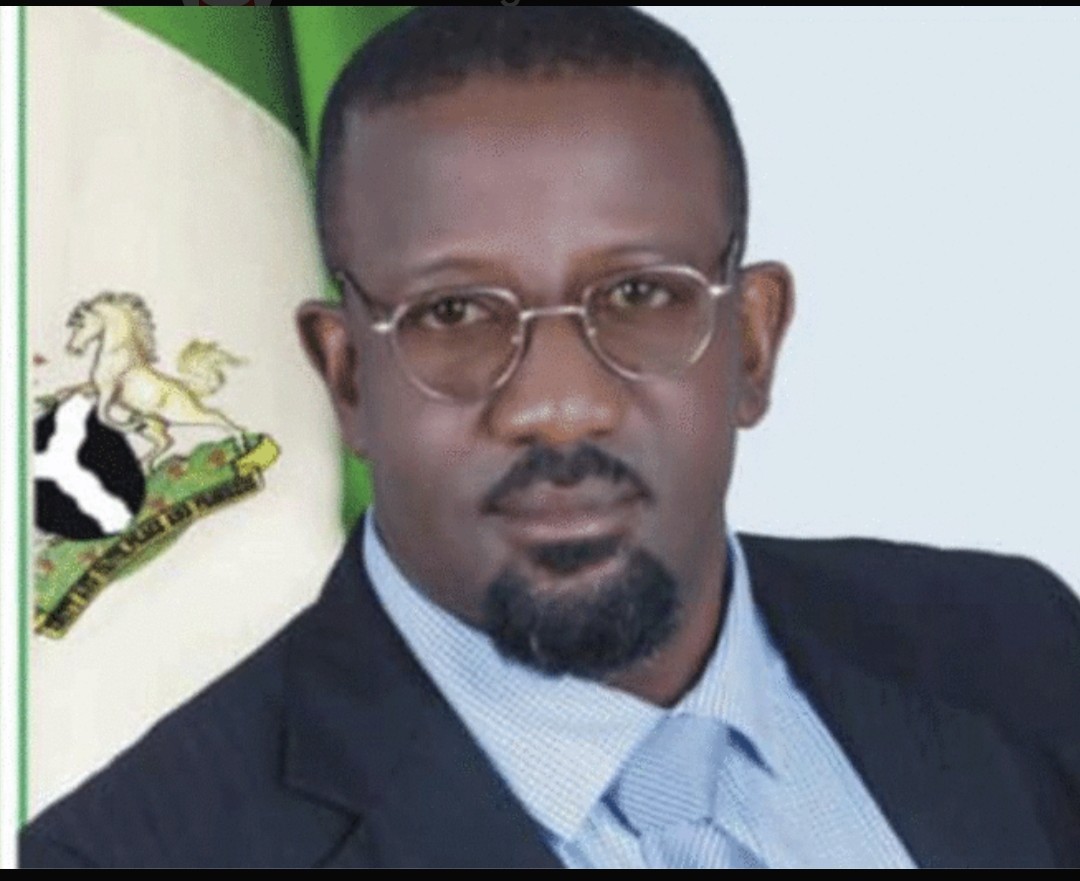
Former South-East campaign spokesman to President Bola Tinubu, Denge Josef Onoh, has dismissed claims that Peter Obi and the Obidient movement are obstacles to the emergence of a Nigerian president of Igbo extraction in 2027.
Onoh, who is Chairman of the Forum of Former Members of the Enugu State House of Assembly, described the position credited to political commentator Segun Sowunmi as misleading and inconsistent with Nigeria’s democratic realities.
Reacting to Sowunmi’s comments on the Selah Meditate Podcast in a statement made available to journalists in Lagos, Onoh insisted that the South-East required no permission from any political bloc to pursue its presidential ambition.
He argued that Obi’s performance in the 2023 presidential election had already demonstrated that the Obidient movement enjoyed nationwide acceptance beyond ethnic and regional considerations.
Citing Obi’s victories in Lagos, Nasarawa, Plateau and the Federal Capital Territory, Onoh maintained that portraying the movement as an exclusively Igbo political platform amounted to a distortion of electoral facts.
“Peter Obi did not run a regional or ethnic campaign,” he declared, stressing that the movement attracted Nigerians across religious, ethnic and geographical divides.
Onoh also accused Sowunmi of double standards for attempting to hold Obi responsible for the activities of some Obidient supporters while allegedly ignoring similar conduct among supporters of other political parties.
According to him, the Obidient movement is a decentralised, citizen-driven political force whose millions of independent supporters cannot reasonably be subjected to the personal control of one individual.
He further rejected suggestions that the entrepreneurial success of Igbo people across Nigeria should weaken their demand for political inclusion and equitable representation.
“An ethnic group’s resilience, entrepreneurial drive, and ability to survive in a hostile economy do not strip them of the right to demand good governance,” Onoh stated.
He maintained that the contributions of Igbo entrepreneurs to banking, aviation, real estate, commerce and other sectors of the Nigerian economy should not be used as justification for denying the region its legitimate political aspirations.
While acknowledging that some individuals from the South-East occasionally conduct themselves inappropriately in their host communities, Onoh argued that such isolated actions should not be deployed to undermine the collective political rights of the region.
He insisted that the South-East must not be compelled to apologise for its democratic choices or abandon its ambition to produce Nigeria’s president.
“The South-East does not need a permission slip from political actors who are stuck in old ways of doing things,” he declared.
Looking ahead to the 2027 general election, Onoh urged political stakeholders to recognise the momentum generated by Obi’s 2023 presidential campaign as an opportunity to strengthen national alliances rather than portray it as a threat to Igbo political advancement.
He maintained that the region’s presidential ambition must be pursued through democratic engagement, competence, strategic partnerships and the ballot box, rather than political concessions dictated by individuals or sectional interests.
By PETRUS OBI
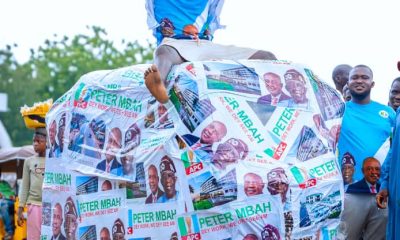
That Enugu has become a construction site is no longer news. That Governor Peter Mbah is determined to turn promises into tangible projects is increasingly evident in the scale of infrastructure development across the state.
When Mbah promised to tackle urban roads across Enugu, many were sceptical. Today, road construction and rehabilitation have become prominent features of the state’s development drive. In three years the governor has extinguished whatever record in road rehabilitation and overall infrastructural developments.
Now, the governor has pledged to rehabilitate the remaining 1,022 urban roads, reaffirming his administration’s commitment to improving connectivity, reducing travel time and easing the burden on motorists and commercial transport operators.
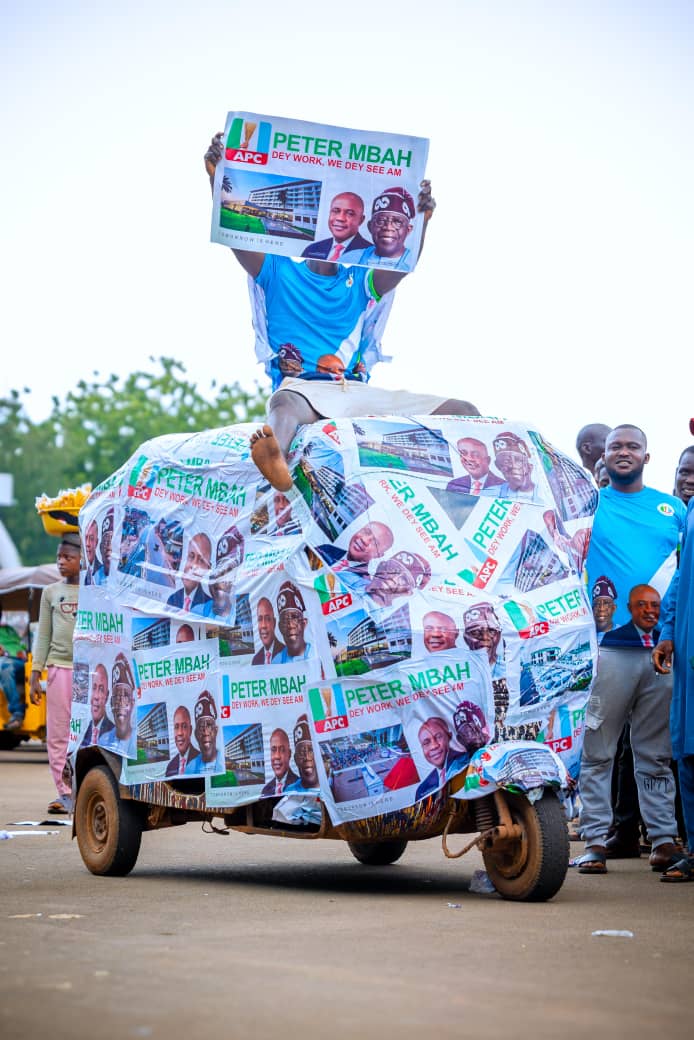
Mbah gave the assurance on Saturday at Okpara Square, Enugu, during the grand finale of the Tricycle Riders Association of Nigeria’s “One Million March,” where Keke riders endorsed him and President Bola Tinubu for re-election in 2027.
Beyond the road promise, the governor announced the abolition of the N750 daily ticketing fee for tricycle operators, extended their operating hours from 9pm to 10pm and reaffirmed their free access to the state’s modern transport terminals.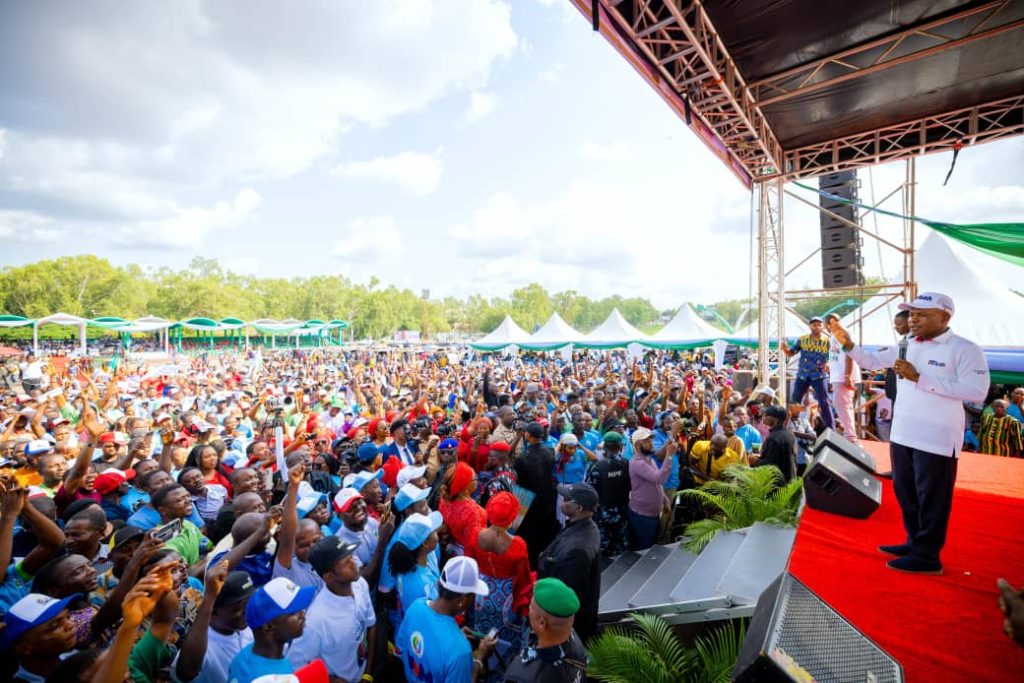
According to Mbah, the measures are designed to reduce operating costs and increase the disposable income of riders whose services remain essential to the movement of workers, students, traders and other residents.
He explained that poor roads impose additional costs on operators through frequent repairs and lost working hours, adding that areas such as Emene, Abakpa, Trans-Ekulu, Awkunanaw, Coal Camp, New Haven, Thinkers Corner and Uwani have roads that are already paved or undergoing construction.
“I can assure you that there will be no road in our city that will be unpaved. We are going to pave all the remaining 1,022 roads,” the governor declared.
The riders’ endorsement, according to the association’s Enugu State Chairman, Comrade Kingsley Edeh, reflects their assessment of improvements in security, infrastructure and social amenities. He also highlighted the 267 Smart Green Schools and the completion of previously abandoned projects, including the International Conference Centre, Nigergas Limited, Sunrise Flour Mills and Hotel Presidential.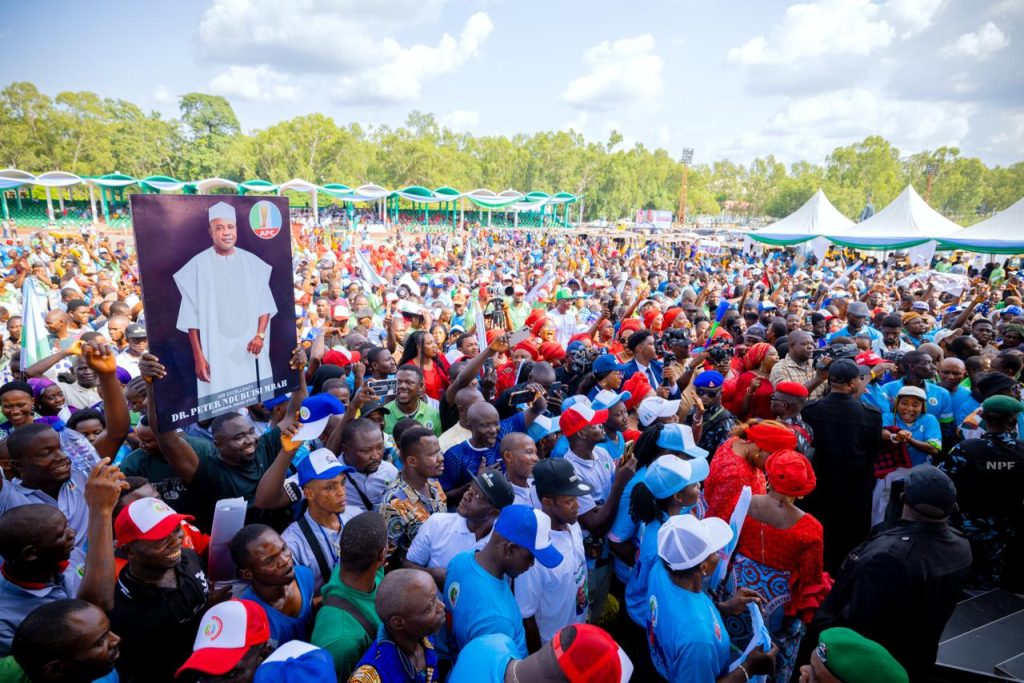
The association’s National Secretary, Comrade Sunday Enang, commended the administration’s investments in roads, modern transport terminals, Enugu Air and an asphalt plant, describing them as initiatives aimed at improving transportation and supporting economic activities.
Mbah also reiterated his administration’s zero tolerance for political violence, warning that no individual or group would be allowed to undermine the peace and security of the state. He vowed that anyone found attempting to disrupt public order would be dealt with in accordance with the law.
The governor urged eligible voters to obtain their Permanent Voter Cards ahead of the 2027 elections, while the association declared its intention to support APC candidates.
With the promise to rehabilitate the remaining 1,022 urban roads, attention now turns to the delivery of the projects and their impact on residents, businesses and commuters.
With Peter Mbah, the deal is as good as done and the roads will soon be delivered.
For Enugu residents, the expectation is clear: better roads, lower transport operating costs and sustained security. As the administration presses ahead with its infrastructure agenda, the governor’s latest pledge adds another major commitment to the state’s ongoing urban transformation.
Politics
2027: Your votes do not count, the Courts Will Endorse It Unless We Do Something-Dele Farotimi warns
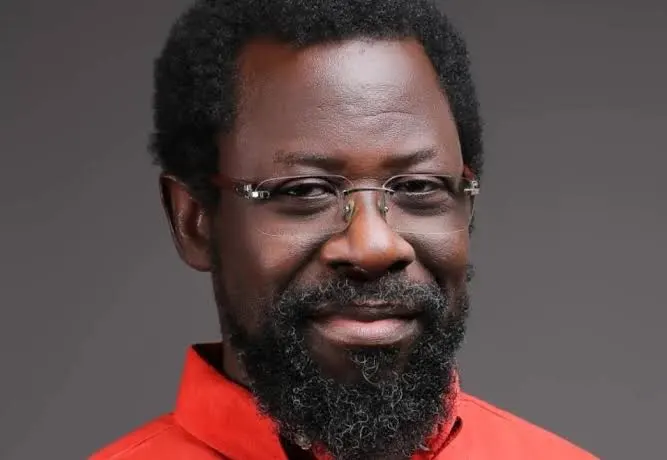
Human rights lawyer and political activist Dele Farotimi has called for a revolution to save Nigeria, urging citizens to unite behind a common national vision and push for fundamental changes to the country’s political and governance systems.
Farotimi made the remarks while expressing concerns about Nigeria’s democracy, the credibility of its electoral process and the role of the judiciary in resolving electoral disputes.
According to the activist, Nigerians risk losing confidence in democracy if their votes are not adequately protected and electoral outcomes are not respected. He warned that public passivity could create conditions for authoritarian rule.
“Your votes do not count and the judiciary will endorse it unless we decide to do something about it, because we are sleeping whilst a dictatorship is being installed in our country, demon-cratically,” he said.
Farotimi argued that Nigeria needs to be restructured and reimagined to address its persistent political challenges. He maintained that meaningful change would require citizens to come together around a clearly defined vision for the country’s future rather than placing their hopes solely in individual politicians.
He said a critical mass of Nigerians who are dissatisfied with the existing system must be mobilised to support an alternative approach to governance.
“The one thing I have never been shy about is to tell you what it will take to save Nigeria. It will take a revolution to save Nigeria,” Farotimi declared.
The activist suggested that such a revolution could be achieved through the ballot box, although he expressed doubts about whether the current political process, on its own, could deliver the transformation Nigeria needs.
He stressed that a credible national vision, backed by purposeful leadership, could encourage greater citizen participation and strengthen public resolve to defend electoral choices.
Farotimi’s remarks highlight broader concerns about electoral integrity, judicial accountability and the need for structural reforms in Nigeria. His call for a democratic revolution centres on collective action, political restructuring and the emergence of a shared vision capable of mobilising citizens towards meaningful change.
As the country approaches another general election cycle, debates over electoral credibility, institutional trust and the future of Nigeria’s democracy are likely to remain central to the national conversation.

-
 Politics4 days ago
2027: Igbo Presidency Not Subject to Anyone’s Approval, Onoh Tackles Sowunmi
-
Politics4 days ago
2027: Nigeria Risks Civil War If Election Results Are Manipulated, Pat Utomi Warns
-
 News4 days ago
Breakaway Looms in Awka Anglican Diocese Over Archbishop Ibezim’s Compulsory Leave
-
 Politics5 days ago
No Stopping Mbah as Enugu Targets Remaining 1,022 Urban Roads
-
 News1 day ago
C’RIVER 2027 BUDGET: GOV OTU PRESENTS ₦987.8bn ESTIMATES TO ASSEMBLY
-
 News3 days ago
Tension Mounts in Awka Anglican Diocese as Supervising Bishop Ezeofor Moves to Take Over Wednesday
-
 Crime4 days ago
Okechukwu lauds FG for acknowledging military operations alone cannot end banditry
-
 EverydayNews Telescope2 days ago
Enugu East Senate: The Dark Side of Ada Ogbu, NDC Candidate