


News
Why FG must intervene in Ekweremadu’s matter – Ohanaeze

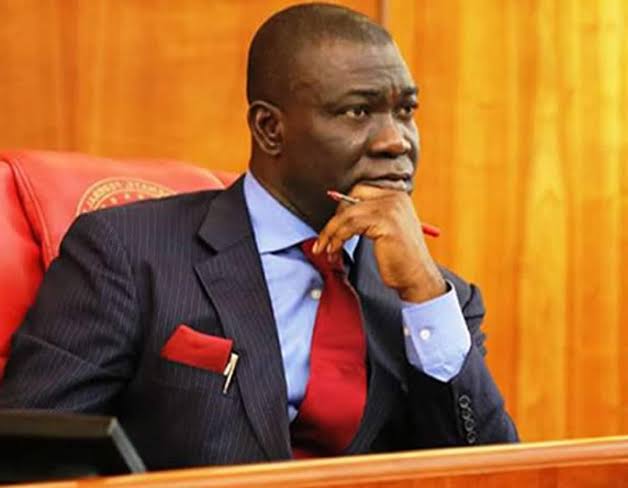

Apex Igbo sociocultural group, Ohanaeze Ndigbo Worldwide, has disagreed with Attorney General of the Federation and Minister of Justice, Abubakar Malami, that the Federal Government will not interfere with any local or international legal battle involving the former Deputy Senate President, Ike Ekweremadu, who is facing trial for alleged organ harvest in the United Kingdom
But Ohanaeze disagreed with Malami, saying FG could intervene on Ekweremadu’s matter because “sovereigns usually interfere to save their citizens in foreign countries”.
It added it is in the context of cultural relativism and the premium placed on their citizens’ welfare and national pride that countries deploy their diplomatic weights and resources to ensure their citizens obtain justice and even reprieve in a foreign land, no matter the gravity of the offence.
According to the statement, Ekweremadu’s was quite different because he had made a full disclosure to the UK High Commission that the donor, Mr. David Ukpo was undergoing medical investigations for a kidney donation to his daughter

In a statement on Sunday by its spokesman, Alex Ogbonnia, Ohanaeze, said: “cultural relativism is a vital factor in International relations. It connotes that the norms and values of one culture should not be evaluated using the norms and values of another.
“In fact, it is the mosaic of cultures and the liberty for groups or nations to exercise their cultural rights that form the basics of international relations. To this end, sovereigns usually interfere to save their citizens in foreign countries.
“In the case involving Ekweremadu, it should be recalled that the former Deputy President of the Senate had written to the UK High Commission to support a visa application of a “donor” listed as David Ukpo Nwamini.
“In the letter, Ekweremadu made a full disclosure that Mr. Ukpo was undergoing “medical investigations for a kidney donation to his daughter”. The full name of the UK hospital was also stated and nothing shady. The Ekweremadu letter to the British Embassy was unequivocal. He indicated the purpose of his travel and also requested the Embassy to grant visa to Mr Ukpo for a stated purpose”.
The Igbo group said it viewed Ekweremadu’s full disclosure as a proof of non-criminal intent.
“We are persuaded to join Sadiq Obanoyen and several others to ask if it was not unconscionable or even conspiracy on the part of the British government to issue a visa to David Nwamini following full disclosure by the Senator that Nwamini was travelling to the UK for organ donation, but only to do 360 degrees and charge the Senator and his wife for facilitating an illegality?
“In other words, would it not have been fair and just to refuse visa to Nwamini in the first place, citing the UK modern slavery legislation, especially as the UK is never known to be so generous with visa to Nigerians?
“Attention is drawn that Ekweremadu’s letter and intentions were predicated on the principles of cultural relativism which emphasises that a “person’s beliefs and conducts should be understood based on that person’s own culture”.
“For instance, every dispassionate Nigerian knows that the practice of organ harvest has over the years become a Nigerian provenance and of course it is not viewed as unlawful so long as there is a mutual agreement between the parties involved.
“It is in the context of cultural relativism and the premium placed on their citizens’ welfare and national pride, that countries deploy their diplomatic weights and resources to ensure their citizens obtain justice and even reprieve in a foreign land, no matter the gravity of the offence.
“A few example may suffice:
a) The British Government intervened in favour of an ex-British serviceman, Captain Simon Mann, and the son of the late Prime Minister of Britain, Sir Mark Thatcher, who both faced charges in Zimbabwe, South Africa, and Equatorial Guinea over a planned 2004 coup in the Central African country.
“b) Samantha Orobator, a British citizen was arrested in Lao People’s Democratic Republic in 2008 over drug trafficking and the case was subsequently transferred to the UK.
“c) In the highly celebrated case involving a US citizen, Brittney Griner, the Women National Basket Ball (WNBA) star that was standing drug-related trial in Moscow. The U.S Secretary of State, Anthony Blinken revealed that the U.S had offered a deal to Russia aimed at transferring the case to the US. Also included is Paul Whelan who is serving 16-year prison term in Russia for spying.
“d) Back home, in late 2018 and 2019, Nigeria brought her full diplomatic weight to bear in securing the release of Ms. Zainab Aliyu Kila, a Nigerian lady, after 124 days in Saudi Arabia prison over alleged drug trafficking. A statement by the then Senior Special Assistant to the President on Diaspora Affairs at the time, Abike Dabiri-Erewa, explicitly stated that the President had directed the AGF, Malami, and other key government agencies to intervene.
“Ohanaeze Ndigbo believes that Ekweremadu’s case should not be different, especially when Nigeria enjoys longstanding cordial relations with the UK, and all the individuals involved in the UK case are Nigerian nationals.
There is nothing beyond diplomatic redemption once the political will is there.
“It is rather curious that the AGF is making reference to Nigeria “Child Rights Act” more than a month after the UK Court ruled that the “donor” is not a child. One would expect Nigeria to feel scandalised by the initial contempt by the British authorities in discountenancing an official document of Nigeria on the “donor’s” age in the first place and feel disrespected by the continued refusal to grant Ekweremadu bail for a clearly bailable offence.
We reckon that Nigeria could never met the same treatment to a British parliamentarian of Ekweremadu’s pedigree.
“Ohanaeze believes that Ike Ekweremadu has served Nigeria meritoriously in various capacities while in the Senate as the Deputy President of the Senate; the Speaker of the Economic Community of West Africa States (ECOWAS), among others, and was decorated with the service honour of the Commander of the Federal Republic-CFR.
“The Nigerian government and indeed all Nigerians should know that a measured indignity to Ike Ekweremadu, an illustrious Igbo and a serving senator of the Federal Republic of Nigeria is a sad denouement to Nigeria and indeed the entire Africa”.
Ohanaeze urged the Federal Government to furnish their diplomatic channels in ensuring that Ekweremadu and the wife get the desired assistance by transferring the case to Nigeria.

Another tragic road accident has reportedly claimed lives at the notorious Ugwu Onyeama axis in Enugu State, involving a passenger bus and a trailer.
Eyewitnesses said the collision left the bus completely crushed, with an unspecified number of people feared dead.
The driver of the trailer was reportedly still trapped in the wreckage as of the time of filing this report.
Welders were said to have been deployed to the accident scene with specialised equipment in an attempt to cut through the wreckage and rescue the trapped driver.
The exact number of fatalities and injured persons could not be immediately ascertained.
The latest incident has again raised concerns over the recurring fatal accidents along the Ugwu Onyeama stretch of the Enugu-Onitsha Expressway.
Further details are expected as rescue operations continue.
See video
News
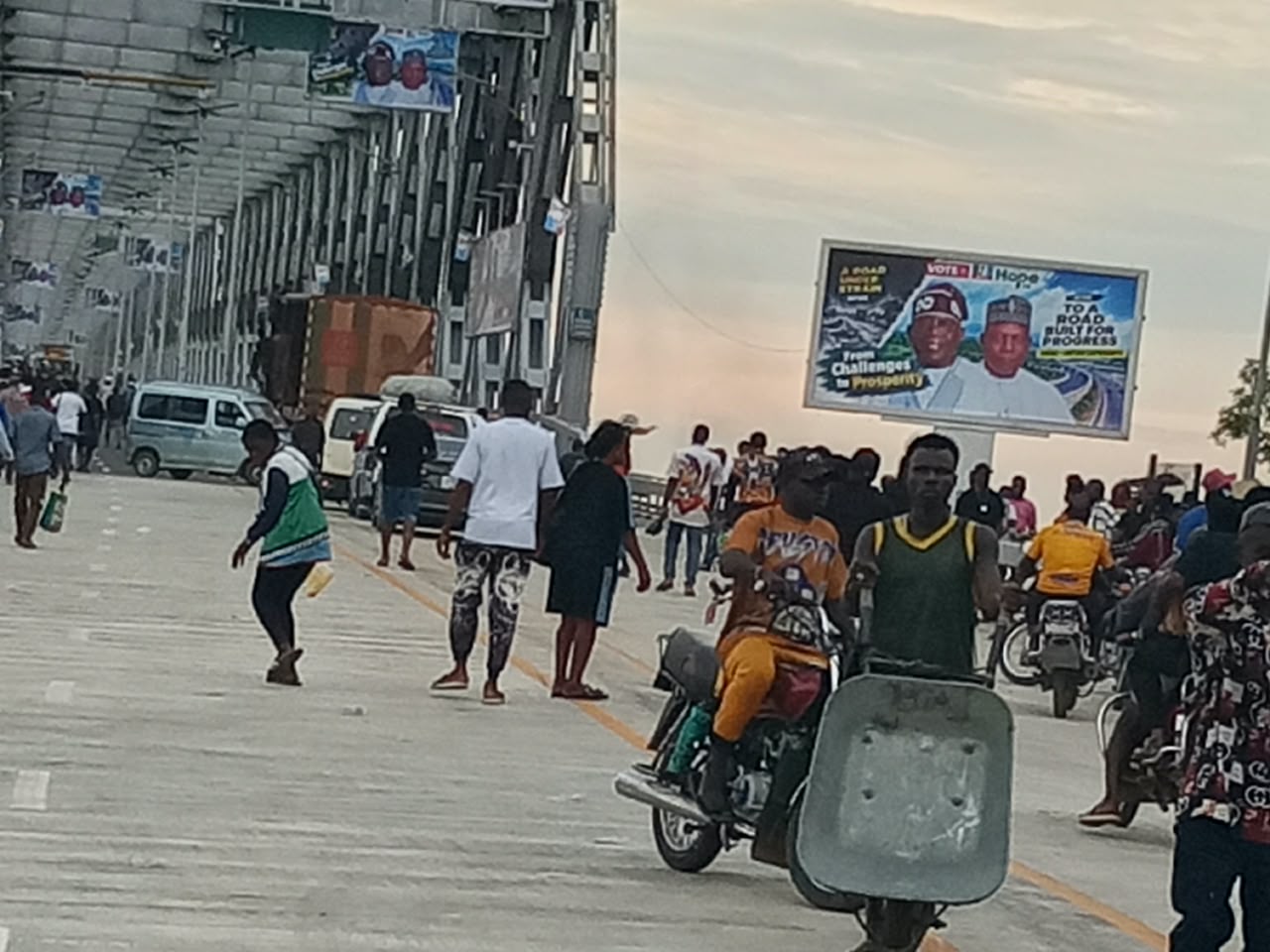
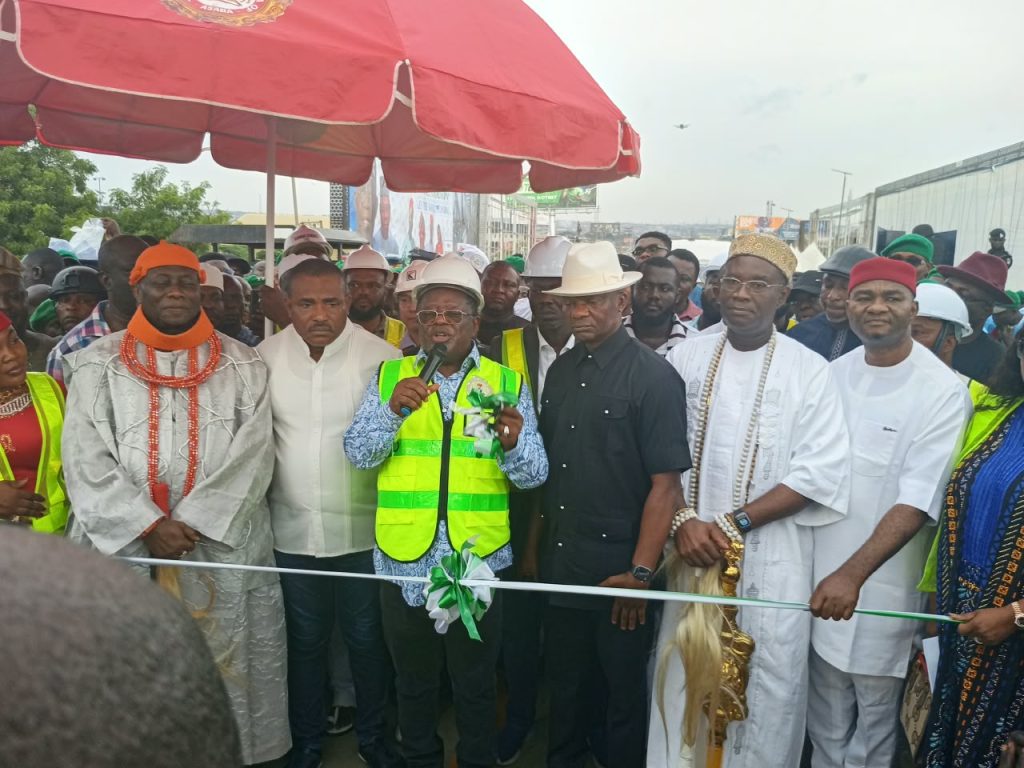
FG Reopens First Niger Bridge After 38 Days of Rehabilitation, Umahi Rallies Support for Tinubu’s Re-election
News
NCDMB Tasks Anambra Journalists on Local Content Advocacy, Accountability in Oil and Gas Sector
By Okey Maduforo, Awka
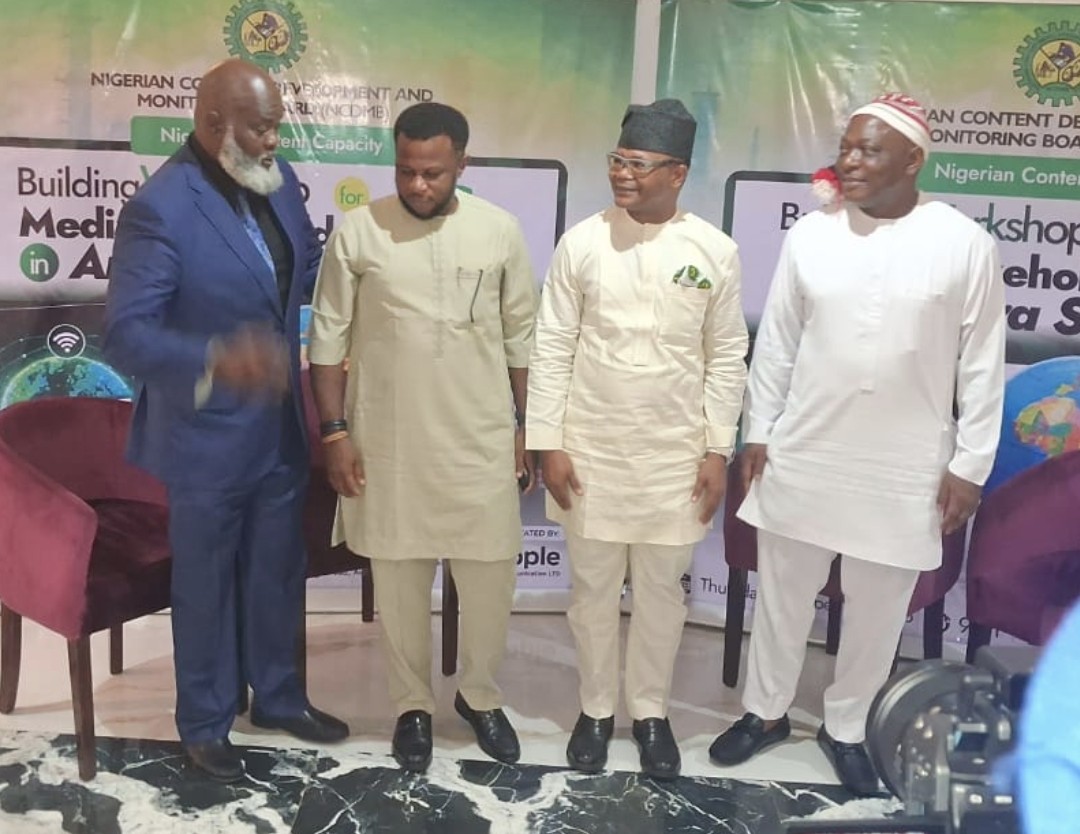
The Nigerian Content Development and Monitoring Board (NCDMB) has charged journalists in Anambra State to intensify advocacy for local content development in Nigeria’s oil and gas industry while holding operators accountable for compliance with statutory requirements.
The Board also urged media practitioners to give greater prominence to Nigerian Content issues to enable more indigenous businesses, professionals and communities to take advantage of opportunities in the oil and gas value chain.
The General Manager, Corporate Communications of NCDMB, Dr. Obinna Ezeobi, gave the charge on Thursday during the Nigerian Content Media Stakeholders Workshop for Editors and Journalists in Anambra State, held at Golden Tulip, Awka.
Ezeobi described the media as a critical stakeholder in the implementation of the Nigerian Oil and Gas Industry Content Development (NOGICD) Act, stressing that journalists must go beyond routine reportage to set agendas, educate the public and monitor compliance with local content obligations.
He urged journalists to leverage their roles as agenda-setters and gatekeepers to draw attention to developments in the industry, highlight opportunities for Nigerian businesses and professionals, and demand accountability from oil and gas operators.
According to him, the workshop was designed to deepen journalists’ understanding of the Nigerian Content framework, improve the quality of industry reportage and strengthen collaboration between the Board and media organisations in Anambra State.
Ezeobi described Anambra as a strategic location for the engagement, noting that the state is recognised as an oil-producing state and ranks as the second-highest oil producer in the South-East, with an estimated production capacity of 3,000 barrels per day.
He also identified the presence of prominent indigenous oil and gas entrepreneurs, including Emeka Okwuosa of OilServ and Ernest Nnaemeka Azudialu-Obiejesi, founder of the Nestoil Group, as further evidence of the state’s significance in Nigeria’s energy industry.
The NCDMB spokesman maintained that journalists must acquire adequate knowledge of the local content law and the Board’s interventions to effectively inform residents about opportunities available to businesses, professionals and host communities.
He recalled that since the enactment of the NOGICD Act and the establishment of NCDMB in 2010, the Board had consistently recognised the media as a strategic partner in advancing Nigerian Content development.
Ezeobi explained that the Act mandates the Board to deploy media platforms, communication channels and stakeholder engagement initiatives to promote the development of indigenous capacity in the oil and gas sector.
He further noted that the Board’s 10-year Nigerian Content Strategic Roadmap, developed in 2017, identified collaboration and stakeholder engagement as key enablers of its implementation.
He credited the media with helping to elevate Nigerian Content into a national development agenda, adding that Nigeria’s achievements in the sector had influenced other African countries to adopt similar policies.
According to him, effective communication and stakeholder engagement have equally contributed to NCDMB’s recognition as the best federal agency on four consecutive occasions in the rankings of the Presidential Enabling Business Environment Council (PEBEC).
Speaking on the economic significance of Nigerian Content, Ezeobi explained that the policy seeks to develop indigenous human and material capacity, strengthen local businesses, enhance technical expertise and expand Nigeria’s industrial base.
He said the objective was to ensure that competent Nigerian companies increasingly supply goods and services required by the oil and gas industry while indigenous professionals acquire the technical skills necessary to compete effectively.
He added that strengthening local manufacturing and productive capacity would help retain greater economic value within Nigeria, create employment opportunities and stimulate the growth of domestic enterprises.
The General Manager disclosed that the Board had introduced several programmes and interventions to achieve these objectives, assuring participants that the workshop would provide further insights into its mandate, achievements and available opportunities.
He said the event would also feature a panel discussion on Nigerian Content and community development, as well as a session on award-winning journalism and building a purpose-driven career, particularly in technical sectors such as oil and gas.
Ezeobi expressed optimism that the engagement would equip journalists in Anambra with the knowledge required to produce more comprehensive industry reports, promote local participation and strengthen accountability among operators.
He encouraged participants to engage actively in the discussions, ask critical questions, challenge assumptions and share their professional experiences to ensure that the workshop achieved its objectives.
The workshop forms part of NCDMB’s broader stakeholder engagement initiatives aimed at promoting awareness of its mandate, programmes and opportunities under the Nigerian Content framework.

By Okey Maduforo, Awka
The political cold war between the All Progressives Congress (APC) and the ruling All Progressives Grand Alliance (APGA) in Anambra State has deepened ahead of the 2027 general elections, following growing disagreements over the parties’ support for President Bola Ahmed Tinubu’s second-term ambition.
At the centre of the controversy is APGA’s political slogan, Progressives Are Working Together, which the Anambra APC alleges is a smokescreen designed to hijack the President’s re-election campaign structures in the state.
The tension has been further heightened by the appointment of Governor Charles Soludo as a member of Tinubu’s Presidential Campaign Council, a development APC stakeholders in the state have criticised as a slight on loyal party members.
The disagreement came to the fore at a meeting of the Anambra State Elders Council in Awka, where members faulted Soludo’s directive urging APGA supporters to vote for Tinubu in the presidential election while backing APGA candidates in the National and State Assembly elections.
Speaking at the meeting, APC chieftain Bunty Onuigbo questioned the political wisdom of the arrangement, arguing that it could undermine the President’s chances of securing a supportive majority in the National Assembly.
“Where is the sense in voting for Tinubu of APC and voting for APGA in the rest of the general elections?
“If Tinubu becomes President without his party members having a majority in the House of Representatives and Senate, it amounts to political suicide,” he said.
Onuigbo alleged that the APGA-led government was exploiting the purported progressive alliance to take control of political activities meant for the APC in Anambra.
He recalled that during a recent visit by First Lady Senator Oluremi Tinubu, APC stakeholders in the state were allegedly sidelined while APGA officials dominated the arrangements.
“An APGA member was appointed minister, alongside other appointments, when we have qualified APC members who can serve in those positions. Today, the leader of another political party has been appointed to the Presidential Campaign Council even though he is not a member of our party,” he lamented.
APGA Rules Out Alliance Beyond Presidential Election
However, the Anambra State Chairman of APGA, Barrister Ifeatu Obi-Okoye, dismissed suggestions of confusion within his party, insisting that its understanding with the APC was strictly limited to Tinubu’s re-election.
“Let me state categorically that there is no other political or electoral collaboration with the APC beyond the re-election of President Bola Ahmed Tinubu, and that is it.
“For the senatorial elections, they are on their own. For the House of Representatives elections, they are on their own, and for the State House of Assembly elections, they are equally on their own.
“There is no contractual or political alliance between APGA and APC concerning the other elections,” he declared.
Obi-Okoye maintained that APGA would field candidates for all three senatorial districts, 11 House of Representatives seats and 30 State House of Assembly constituencies in Anambra.
According to him, the party’s decision to support Tinubu does not amount to surrendering its electoral interests or political identity to the APC.
He also dismissed fears that the arrangement could confuse voters, describing the Anambra electorate as politically sophisticated and capable of making independent choices across party lines.
“Our people know what to do, and you will see it play out on election day. There will be no confusion of any form or manner.
“Besides, voters will be given separate ballot papers for the presidential, senatorial and House of Representatives elections. Confusion could only arise if all three elections were conducted using a single ballot paper,” he explained.
Despite APGA’s clarification, the disagreement has exposed growing cracks in the political understanding between the two parties, particularly over who controls Tinubu’s campaign machinery in Anambra.
With the 2027 elections approaching, APGA candidates now face the delicate task of campaigning for an APC presidential candidate while simultaneously seeking to defeat APC candidates contesting other elective positions in the state.
The unfolding situation raises fresh questions about the sustainability of the much-publicised progressive alliance and whether the competing political interests of both parties can be reconciled ahead of the polls.
Tighten the opening for sharper impact
Make the political conflict more balanced
Remove repetition and streamline quotations
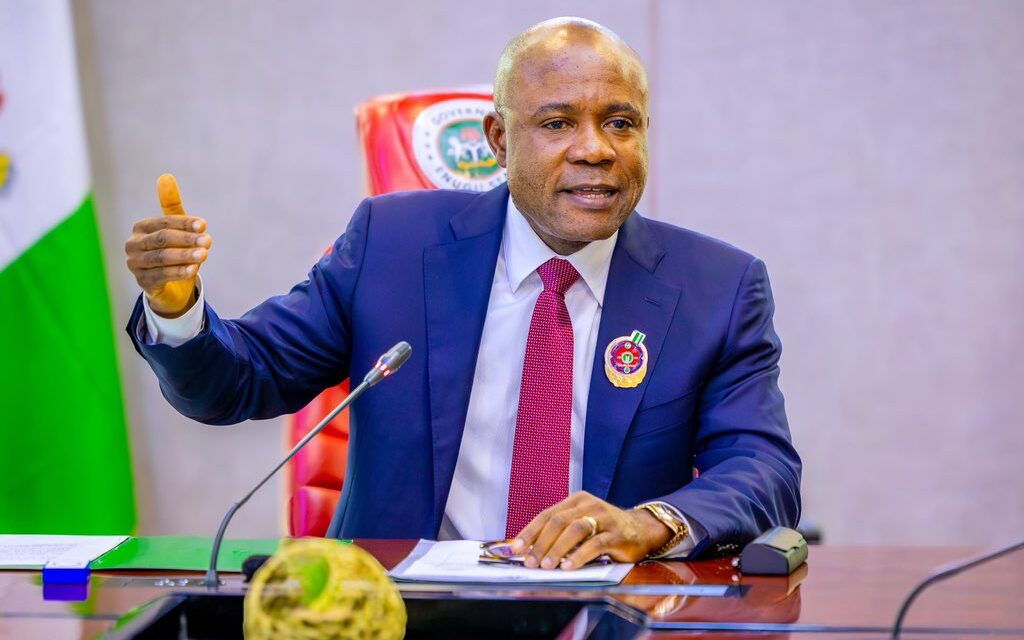
Enugu State Governor, Dr Peter Ndubuisi Mbah, has called on the police to conduct a thorough and impartial investigation into violence surrounding a recent political gathering in the state, during which a citizen was reportedly shot and injured.
The governor, in an address to the people of Enugu State, expressed concern over the incident, assuring affected individuals and their families that their safety and well-being remained a priority.
Mbah said the reported violence had raised concerns about public safety and the peace the state had worked to maintain, stressing that all citizens must be able to exercise their political rights without fear or intimidation.
He reiterated the Enugu State Government’s position on allegations of involvement in the violence, stating that the government’s primary responsibility was to protect lives, uphold the law and ensure that justice was served.
The governor also said he expected the police to investigate the incident thoroughly and without bias, adding that anyone found responsible would be held accountable through the appropriate legal process, irrespective of their political connections.
“Every citizen, whatever their political affiliation, must be able to exercise their political rights without fear or violence,” Mbah said.
He urged residents to remain committed to peace as authorities work to establish the circumstances surrounding the incident.
The governor concluded his message by expressing concern for those affected by the violence and praying for the continued peace and progress of Enugu State.

-

 Politics18 hours ago
UNPOPULAR? Abati Seeks Confirmation of Ebonyi Gov’s Name During Interview With Anyichuks
-
 Opinion4 days ago
EBONYI GUBER 2027: Are Clergy, Youths, Political Stakeholders Becoming Accomplices in Bad Governance?
-
 Features4 days ago
New Cement Factory: Is Ebonyi Governor Misleading the People Over Proposed Nkalagu Project?
-
 Politics4 days ago
2027: Enugu Alleges Opposition Plot to Import Armed Thugs, Bandits
-
 Politics2 days ago
Ebonyi Students Endorse ANYICHUKS, Declare ‘We Won’t Support a Failure’
-
 News3 days ago
Mbah Calls for Impartial Probe into Violence at Political Gathering in Enugu
-
News1 day ago
2027: APC, APGA Rift Deepens Over Support for Tinubu’s Re-election
-

 Crime3 days ago
Enugu Police Investigate Viral Video of Alleged Torture of 60-Year-Old Woman in Nkanu East