


Politics
What I will do if elected President — Peter Obi

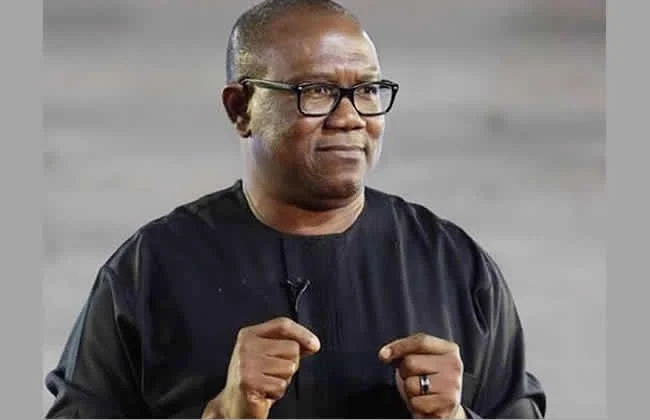
Labour Party (LP) Presidential Candidate, Peter Obi has unveiled his policy thrust if elected President of Nigeria in 2023.
Obi, who is in the United States of America in continuation of his international consultations with the Diasporas, gave a vivid picture of what his government would do in all critical areas, including his top three priorities, if elected to office.
Below are details of the Questions and Answers that gave copious insight into what governance will look like in Nigeria if Obi is elected Nigeria President in 2023.
How do you see yourself making a difference in Nigeria?

We will offer a new brand of transformative and purposeful leadership. Nigeria is not bereft of good governance ideas and plans. However, a combination of institutional weaknesses and a lack of political will meant that various policies and strategies are poorly implemented leading to poor outcomes for the people. Hence, the overall goal of my administration shall be to streamline governance, and make it more responsive, transformative, effective, less transactional, and therefore efficient and cost-effective.
What kind of leadership do you hope to provide Nigerians?
Thinking through 2023 and beyond, we must think seriously about a leadership that is imbued with competence, capacity, credibility and commitment. Accordingly, we will pursue intangible assets of good governance, rule of law, and security of lives and properties; we will ensure that we have these assets in place and stress asset optimization.
Africa has looked to Nigeria for leadership but has found it absent and wanting. What would you do to restore leadership?
Our foreign policy has always been Afrocentric. So, Africa will remain the centre-piece of our foreign policy. We will strike a strategic balance that allows us to promote and protect national interests while meeting our ECOWAS obligations. We will rebuild Nigeria’s military power, promote economic growth, and enhance its technological prowess with a view to improving Nigeria’s diplomatic influence in sub-regional, regional and global affairs.
Restoring leadership will require that we reassert proactively, Nigeria’s leadership role in African affairs through constructive engagement, peacekeeping duties, and using existing sub-regional and regional forums as well as bilateral platforms for dialogue on current and emerging challenges. We will continue to enhance our sphere of influence via peacekeeping, and trade and investment initiatives.
The sense of being part of a united country has been eroded. How do you see yourself reuniting Nigerians?
Securing, uniting and making Nigeria productive require steady and trusted hands. We shall ensure that in moving Nigeria forward, no state or community will be left behind. Pursuant to its statutory responsibility to protect, our government will promote equity in power and resource sharing. There must be a renewed sense of patriotism; that will come through leadership by example.
Do you think that states and regions need more autonomy?
You are indirectly asking about restructuring. I consider restructuring a process, not a one-off event. Yes, if we have a real federation, the federating units will enjoy discernible autonomy. Resources will also be shared equitably. A higher derivation paid to oil or solid minerals-producing states will not be tantamount to other states not receiving federal allocations that should keep them viable. We must transcend the rhetoric that bedevils a robust debate on some of these national questions.
In the past, the ethnic identity of the President has resulted in a preponderance of unqualified people being appointed to key positions. How will you address this problem?
We will respect the principles of federal character, affirmative action and gender balance; but no longer at the expense of merit.
How do you propose to address the security challenges in the north and those of oil theft?
The relevant security institutions and agencies exist. Supporting national security-enabling documents and strategies also exist. We will tweak the security architecture, which will entail reform of the security sector and governance. We will restructure, reequip and reorient the Nigerian Police: This will include three-level policing- Federal, state and community. We will build a compact, robust and ready Mobile Police Force with rapid response deployment capabilities; and legislate the establishment of state police based on community policing. We will raise the population-to-police officer ratio to a higher level.
There would be a properly manned, equipped and technologically driven security system with particular emphasis on re-focusing the military on external threats and border protection and police on internal security threats and law enforcement; swift prosecution of criminals, bandits and terrorists; enhanced coordination among security agencies; and upholding the rule of law.
Operational Coordination
We would integrate the activities of the National Intelligence and Security Agencies by establishing a central reporting intelligence loop under the authority the Minister of National & Homeland Security; Establish a National Command and Control Coordination Center for the efficient management of actionable intelligence, resource allocation and force deployment. Membership should consist of representatives of all security agencies on a need-to-know basis.
Oil Theft
I believe in continuity in governance. But each extant policy must be considered and if need be, reviewed on its merit. The oil theft is not petty pilfering. It is an organized crime by a syndicate that involves a certain degree of sophisticated intelligence and logistical arrangement. We must admit that oil theft is happening because there is domestic and external collusion. The government and the people have the collective responsibility to protect national assets. On my watch, those responsibilities will be accorded high priority.
Regional Security
Foreign and National Security policy initiatives, might in the long term entail rebuilding, repositioning and sustaining ECOMOG, as the arrowhead of a West African Security partnership. This is to counter terrorist threats and international subversion of the sovereignty of the West African region of which Nigeria must reestablish her place as a regional power.
Will you be maintaining the policy of fixed exchange rates coupled with heavy government borrowing? Will you be adhering to the fiscal responsibility laws?
We will abide by the fiscal responsibility laws. Despite the exigency and convenience which the two-tier foreign exchange regime offers, it has become an albatross. Hence that arrangement will be critically reviewed, adjusted or even eliminated. We will explore ways of cushioning the forex demands by mainstreaming those components of Diaspora remittances that remain opaque and informal. With proper policy and planning, we can expect to boost and leapfrog the current $20 billion in remittances to $40b to $60b annually. That will translate to about 14% of our total GDP.
The youth have often felt left out in the country, especially in the light of central Bank policies on tech companies. Will you reconsider these policies? How do you propose to address the brain drain?
We are challenged by high youth unemployment, which stands at 33.3%; 54% for the youth; and 20 million out-of-school-children. We must give this country back to the Nigerian youths. Half of our 200 million people are below the age of 30.
Harnessing our national youth strength and demographic dividends intelligently must start with curbing the high youth unemployment and creating funding access to enable our youths to become entrepreneurs and drivers of our Small and Medium Scale enterprises (SMEs).
We will work to bring down the unemployment rate to fewer than 20 per cent over the next four years if elected. Part of our objectives on the economy will be focused on supporting job creation given its impact on the economy as well as poverty alleviation.
We will review the legislation guiding the fund access modalities to Universal Basic Education Commission (UBEC), and the Tertiary Education Trust Fund (TETFund), to redress prevailing bottlenecks, create greater transparency, and ensure increased flexibility, and optimum availability of funds required to meet the educational need of the Nigerian students they are meant to serve.
We will explore ways and means of tapping in on technology transfer from the Diaspora; we will also explore ways of reversing the enormous brain drain that has been debilitating for our country. We will trigger every known technological and knowledge transfer initiator. Nigeria’s brain drain will be turned into brain gain.
Will the corrupt be allowed to keep their loot? How much focus will be given to probes?
We will have zero tolerance for corruption; block leakages and cut the cost of governance. Our total commitment to transparency and accountability in government business is the only credible way to achieve limited to zero corruption.
The policies required to fight corruption already exist; it is the political will to implement them that has been lacking. My governance modalities have always been forward-looking and will remain so. We will negotiate the return of our stolen national wealth from the custodial countries.
Will you be maintaining the subsidies on electricity and petroleum?
There are two elements of subsidy- the corruption component and the real subsidy component. The oil subsidy arrangement as it stands is fraught with criminality. It is unacceptable.
For corruption, we will deal with it decisively which will reduce the subsidy cost by over 50%. There will be weighted measures and counter-balance policies and programmes to cushion the impact of the removal of oil subsidy, if and when it is removed. The difference is that now, only some sacred and self-entitled few benefit from the oil subsidy. That narrative will change.
We will support local refining for domestic use and priced strictly in Naira. Starting with all government vehicles, we will transition to gas-powered cars.
While we support private enterprises will you take measures to ensure that Nigeria does not get dominated by a small group of oligopolists and monopolists?
Free enterprise is about market forces and keen competition. These will occur at different levels. If we liberalize access to funding, SMEs will flourish; they have a role to play that giant company no longer play.
We will enforce the legal framework protecting foreign investors and their indigenous partners. This is the only way to tamper with monopoly and capital flight.
In respect of gender equality in business and politics, Nigeria is behind many African countries. Will you be taking this as a priority?
As governor of Anambra State, my administration achieved close to a 60-40 gender balance in appointive and elective positions. The national target has hovered around 30-35%. We intend to progressively aim for between 35-40%, with aggressive gender mainstreaming action plans and rigid benchmarks.
The Central Bank has lost the confidence of many inside and outside of Nigeria. What do you propose to do about this?
As part of our monetary policy, we will seek to reestablish the independence of the CBN; and commit to a credible and transparent plan to normalize the exchange rate and bring inflation to single digits.
We will remove import and forex restrictions and insist on a single forex market. The current system penalizes exporters who bring in forex by forcing them to sell at a rate that they are unable to source for forex when they need to purchase forex. This multiple exchange rate regime encourages capital flight and deters investment, which has further worsened Nigeria’s forex situation.
Do you see yourself deepening or reducing ties with China?
Our trade policies will always be predicated on what is in our best national interest. Trade partners who offer us comparative advantage will be considered. However, we will give primacy to our Africa Trade Treaty obligations.
Beneficiaries of China’s goodwill and investments in Africa are many. So too are the countries defaulting on their Chinese loans. The trend is deeply alarming. Salutary, as it may seem, we must approach such engagement with our national interest uppermost in our minds.
What policy will your administration have towards Russia and Ukraine?
We maintain very cordial relations with Russia and Ukraine. Evidently, this war, in conventional terms, will need to be resolved at the negotiating table. We support the cessation of hostilities agreement under the auspices of the United Nations.
As young people we are concerned with university education. What will you do about the ongoing strike by university teachers?
We will pursue the global best practices and standards within the available resource. Certainly, in the medium and long term, 14% of budgetary funding for education is within the realm of possibility. We will strive to be globally competitive by increasing funding ad ensuring that the (TETFund) resources are redirected to the funding of the Universities and other higher institutions robustly with a view to ending the perennial strikes by University Staff and workers.
What would be your top priorities on getting into office?
• Production-centered growth for food security and export;
• Securing and Uniting Nigeria;
• Effective legal and institutional reforms (rule of law, corruption and government effectiveness);
• Leapfrogging Nigeria from oil to the Fourth Industrial Revolution (4IR);
• Expanding physical infrastructure through market-driven reforms (unleashing growth-enabling entrepreneurship and market-creating innovations);
• Human capital development that empowers competitiveness; and
• Robust foreign policy that restores Nigeria’s strategic relevance.
How did Nigeria address the COVID challenge and what will you need to do to address future epidemics and pandemics?
Nigeria’s initial response to the COVID crisis was lacklustre and uninspiring, but her efforts when compared to those of bigger and better-developed Western countries were not that poor.
What was lacking was experts who were proactive and could prioritize; people who understood how to manage complex emergencies. There were evident critical gaps in response capacity. We will address such gaps by putting in place a national resilience strategy.
Do you think that government needs to be slimmed down?
Certainly. We have a bloated federal bureaucracy; hence we are spending more on recurrent expenses. And we are borrowing frivolously. I am not against loans per se; but we must stop borrowing for consumption. All loans must be invested in regenerative projects. We must operate within available resources and strive for a balanced national budget as cost-saving measures. Ending the leakages including the subsidy regime and improving our tax regime should do the magic.
In a Presidential system Presidents often find that they are hamstrung by the legislature especially when that body is dominated by members of opposition parties. How will you handle the National Assembly in this regard?
Presidential power as we know is the power of persuasion. Members of the National Assembly have a vested interest in making their constituencies work. Their respective constituencies invariably form the presidential or national constituency. Policies that present win-win scenarios for national and federal constituencies will definitely attract bi-partisan support.
Do you have any plans to address the issue of the humongous salaries and allowances earned by the National Assembly?
Simply, we have to cut costs. There are no two ways about it.
The structure and size of the civil service remain a major constraint for development in the country how do you plan to deal with the issue?
Lack of political will and lack of synergy between the Executive and Legislative arms has resulted in costly inertia in tackling our oversized government. The result is persisting turf fights and competition among several overlapping agencies, and the resultant wastages. Cost-cutting measures must start with rationalization and harmonization. Pruning the size of the government will be imperative.
The Oronsaye committee report of April 2012, recommended the abolition and merger of 102 government agencies and parastatals, while some were listed to be self-funding. What was called for was extreme but practical rationalization measures.
Will you be implementing the Oronsaye report?
That is affirmative. That is the only way to make governance efficient, cost-effective and productive.
Politics
2027: Your votes do not count, the Courts Will Endorse It Unless We Do Something-Dele Farotimi warns
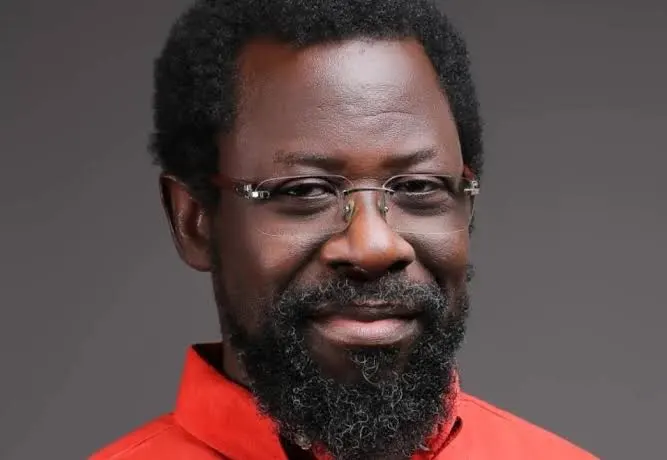
Human rights lawyer and political activist Dele Farotimi has called for a revolution to save Nigeria, urging citizens to unite behind a common national vision and push for fundamental changes to the country’s political and governance systems.
Farotimi made the remarks while expressing concerns about Nigeria’s democracy, the credibility of its electoral process and the role of the judiciary in resolving electoral disputes.
According to the activist, Nigerians risk losing confidence in democracy if their votes are not adequately protected and electoral outcomes are not respected. He warned that public passivity could create conditions for authoritarian rule.
“Your votes do not count and the judiciary will endorse it unless we decide to do something about it, because we are sleeping whilst a dictatorship is being installed in our country, demon-cratically,” he said.
Farotimi argued that Nigeria needs to be restructured and reimagined to address its persistent political challenges. He maintained that meaningful change would require citizens to come together around a clearly defined vision for the country’s future rather than placing their hopes solely in individual politicians.
He said a critical mass of Nigerians who are dissatisfied with the existing system must be mobilised to support an alternative approach to governance.
“The one thing I have never been shy about is to tell you what it will take to save Nigeria. It will take a revolution to save Nigeria,” Farotimi declared.
The activist suggested that such a revolution could be achieved through the ballot box, although he expressed doubts about whether the current political process, on its own, could deliver the transformation Nigeria needs.
He stressed that a credible national vision, backed by purposeful leadership, could encourage greater citizen participation and strengthen public resolve to defend electoral choices.
Farotimi’s remarks highlight broader concerns about electoral integrity, judicial accountability and the need for structural reforms in Nigeria. His call for a democratic revolution centres on collective action, political restructuring and the emergence of a shared vision capable of mobilising citizens towards meaningful change.
As the country approaches another general election cycle, debates over electoral credibility, institutional trust and the future of Nigeria’s democracy are likely to remain central to the national conversation.
By PETRUS OBI.
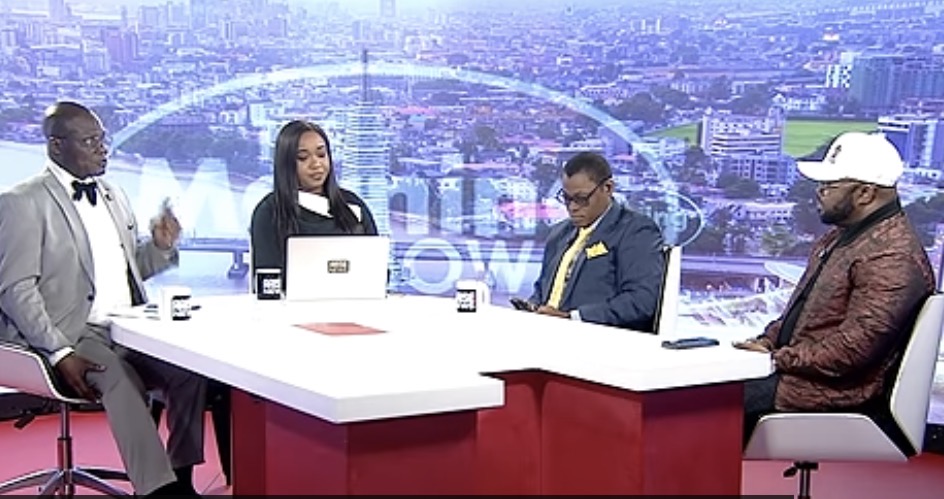
Veteran journalist and ARISE News presenter, Dr Reuben Abati, appeared uncertain about the name of Ebonyi State Governor, Francis Nwifuru, during a live television interview with the Peoples Democratic Party (PDP) governorship candidate in the state, Chief Ifeanyi Odii, popularly known as Anyichuks.
While questioning Odii on the political situation in Ebonyi ahead of the 2027 general elections, Abati, in a video which has gone viral on social media remarked:
“…Are you aware that Governor Nwifuru, I think that’s the name of Ebonyi Governor…”
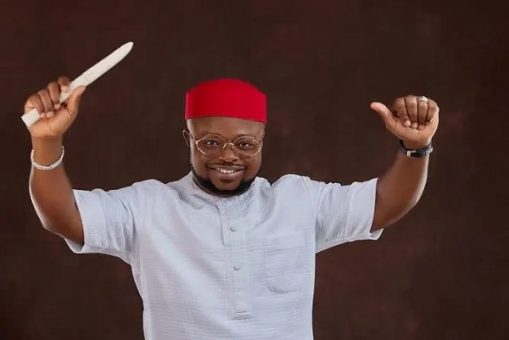
Popular Ebonyi Guber Candidate ANYICHUKS
The remark, which appeared to be an attempt to confirm the governor’s name, has raised questions about Nwifuru’s visibility beyond Ebonyi State, particularly amid growing criticism of his administration over allegations of poor performance.
During the interview, Odii accused Governor Nwifuru of allegedly intimidating opposition parties in the state, claiming that incidents involving attacks on opposition supporters had been reported to security agencies.
He also criticised an alleged threat by the governor to sack local government chairmen who allow opposition parties to campaign in their council areas, describing such a move as unconstitutional and an affront to democratic principles.
Odii urged his supporters to remain peaceful and law-abiding, stressing that the governor has a constitutional responsibility to protect all residents, irrespective of their political affiliations.
Speaking on the PDP’s support for President Bola Tinubu’s re-election bid, the governorship candidate explained that the arrangement formed part of a broader political understanding involving factions of the PDP and the ruling All Progressives Congress (APC).
He dismissed suggestions that supporting Tinubu could undermine his governorship ambition, insisting that the presidential and governorship elections were separate political contests.
On his economic agenda, Odii pledged to attract ₦2 trillion in investments to Ebonyi within his first six months in office if elected governor.
He identified solid minerals, manufacturing, real estate, healthcare and hospitality as key sectors through which his administration would stimulate economic growth, attract investment and generate employment opportunities.
The PDP candidate maintained that his business experience, grassroots connections and record of community interventions had adequately prepared him to attract investors, create jobs and improve the living standards of Ebonyi residents.

President Bola Tinubu has said he will not attend every campaign rally ahead of the 2027 general election, explaining that he must balance his re-election campaign with the demands of governing Nigeria.
Tinubu made this known on Wednesday in Abuja during the inauguration of the All Progressives Congress (APC) Presidential Campaign Council, where he urged members to take the party’s message to Nigerians across the states, local government areas and wards.
The President said he agreed with concerns that the demands of campaigning should not distract him from his responsibilities as head of state, stressing that the country needed his attention at a critical time.
“You’ve warned me not to allow the rigour of the campaign to distract me from governance, I hear you. I am in full agreement with your decision. Nigeria needs more attention now,” he said.
Tinubu explained that his decision to limit his attendance at campaign events was also influenced by the need to meet the country’s financial obligations.
“So, you will excuse me from going everywhere with you, we have bills to pay. The American creditors cannot wait,” the President stated.
He also highlighted the importance of attracting investors who would make long-term commitments to Nigeria, noting that sustained investment was essential to building a better future for the country’s children.
“We want those investors to come in, be here to stay, to invest for the future of our children,” he said.
Despite his plan to reduce his presence at campaign rallies, Tinubu assured Nigerians that he would still engage directly with voters during the campaign period.
“However, I will still make time to speak directly with Nigerians, even as you lead the campaign in the states and local government areas,” he added.
The President described the inauguration of the campaign council as more than a routine political event, saying it represented a renewed commitment to Nigerians and the responsibility entrusted to the APC as the ruling party.
“We have not gathered merely to inaugurate a council. We have gathered to renew a covenant. A covenant with Nigerian people and the historic responsibility they have entrusted to us as Nigeria’s governing party,” Tinubu said.
He charged members of the council to communicate the administration’s vision, achievements and policy agenda to Nigerians nationwide, expressing confidence in their ability to mobilise support for the party at every level.
“This council will carry our vision, our records and our agenda to every Nigerian, and it will carry them to victory every ward of this country,” he said.
Tinubu also praised APC members for successfully completing the party’s congresses, recalling predictions that the exercise could trigger an internal crisis.
According to the President, the party overcame the anticipated challenges and completed the process with members participating from the ward level to the national leadership.
“They said there will be implosion. We passed through it. We did not fail. You didn’t let us down. We got here together,” he stated.
Tinubu’s remarks signal an approach to the 2027 election campaign in which he intends to maintain focus on governance and economic management while relying on the APC Presidential Campaign Council to coordinate nationwide mobilisation and promote the party’s message ahead of the polls.
Politics
Tinubu Inaugurates APC Presidential Campaign Council, Vows to Renew Covenant With Nigerians in 2027
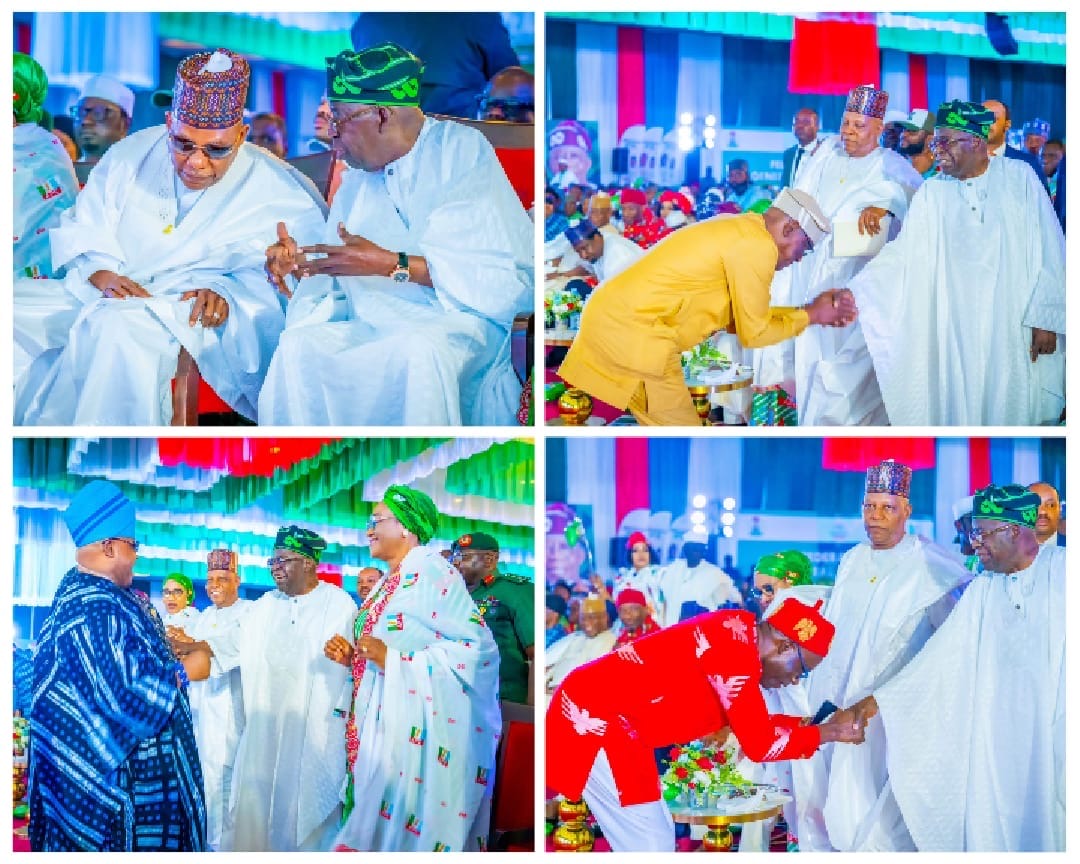
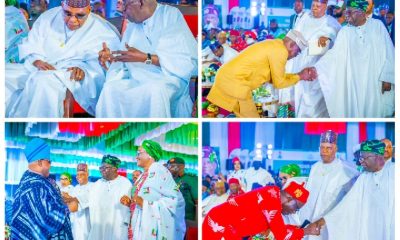
ABUJA— President Bola Ahmed Tinubu has inaugurated the All Progressives Congress (APC) Presidential Campaign Council (PCC) ahead of the 2027 general election, declaring that the party is united and prepared to seek a renewed mandate from Nigerians.
Tinubu inaugurated the council on Wednesday at the State House Conference Centre in Abuja, charging members and party leaders to demonstrate unity, discipline and commitment while sustaining his administration’s governance priorities.
Addressing the gathering, the President expressed gratitude to party members for their support during the previous election but stressed that their political assignment would only be complete when they secured victory in the next polls.
“I thank all of you for the last election, but no one gets credit for an incomplete assignment until you deliver the next election, until you deliver your electoral wards, until you deliver the votes,” he said.
Tinubu acknowledged advice from Imo State Governor and Chairman of the Progressive Governors Forum, Hope Uzodimma, who urged him to remain focused on governance despite the demands of the election campaign.
The President said he would continue to engage directly with Nigerians while the campaign council coordinated mobilisation across states and local government areas.
He also highlighted the need to meet the country’s financial obligations and attract foreign investment, saying international creditors and investors remained important to Nigeria’s economic future.
“We have bills to pay. The American creditors cannot wait. We want those investors to come in and invest for the future of our children,” Tinubu said.
Shettima Defends Tinubu, Criticises Opposition Figures
Vice President Kashim Shettima praised Tinubu’s commitment to democracy, citing his support for former Vice President Atiku Abubakar’s presidential ambition in 2007 under the platform of the defunct Action Congress of Nigeria.
Shettima also defended the dignity of the presidency in response to criticism of Tinubu, insisting that the office must be respected regardless of political differences.
“You can call him Bola, if you like, call him Adekunle, but he is the President of the Federal Republic of Nigeria,” he said.
The Vice President also criticised Peter Obi, the presidential candidate of the National Democratic Movement, accusing him of using misleading statistics and making comparisons between Nigeria and other countries without sufficient context.
APC Promises Nationwide Mobilisation
APC National Chairman, Professor Nentawe Yilwatda, said the inauguration reflected the party’s determination to build a better Nigeria and secure Tinubu’s re-election.
Yilwatda urged campaign council members to communicate the administration’s policies and achievements clearly, while demonstrating how its reforms could translate into tangible improvements in the lives of Nigerians.
He pledged that the party would intensify grassroots mobilisation across electoral wards, local government areas and states to ensure a strong voter turnout in 2027.
The APC chairman also called for a peaceful election focused on ideas, records and policies, rather than hostility.
Uzodimma Defends Tinubu’s Economic Reforms
Uzodimma, who serves as secretary of the campaign council, expressed confidence that the administration’s policies would strengthen the campaign’s message.
He praised Tinubu for removing the petrol subsidy and reforming the foreign exchange system, arguing that previous administrations had avoided tackling the challenges because of their potential political consequences.
According to Uzodimma, the reforms had imposed hardships on Nigerians but were necessary to address longstanding economic weaknesses.
He also cited Nigeria’s economic growth, which he put at 4.43 per cent, compared with 4.23 per cent a year earlier, and praised the administration’s tax reforms.
Uzodimma maintained that the campaign would focus on issues and the government’s record rather than political rhetoric.
Adeleke, Soludo and Wike Back Tinubu’s Re-election
Osun State Governor Ademola Adeleke, Anambra State Governor Charles Soludo and Minister of the Federal Capital Territory Nyesom Wike were among those who delivered goodwill messages in support of Tinubu’s second-term bid.
Adeleke, who belongs to the Accord Party, drew cheers from attendees with his trademark dance moves during the event.
Wike, a prominent figure in the Peoples Democratic Party (PDP), said he supported Tinubu because of what he described as the President’s bold leadership and willingness to address problems previous administrations had left unresolved.
He challenged governors to work towards delivering their states for Tinubu in the 2027 election.
The event also featured messages from Senate President Godswill Akpabio, Speaker of the House of Representatives Tajudeen Abbas, Special Adviser to the President on Political Affairs Ibrahim Kabiru Masari and elder statesman Tanko Yakassai, who called for support for Tinubu’s second term.
Tinubu, meanwhile, urged the campaign council to conduct its activities responsibly, engage Nigerians constructively and promote the administration’s Renewed Hope Agenda while ensuring that governance remains a priority.
The inauguration formally sets the APC’s campaign machinery in motion as the party prepares to seek another presidential mandate in 2027.
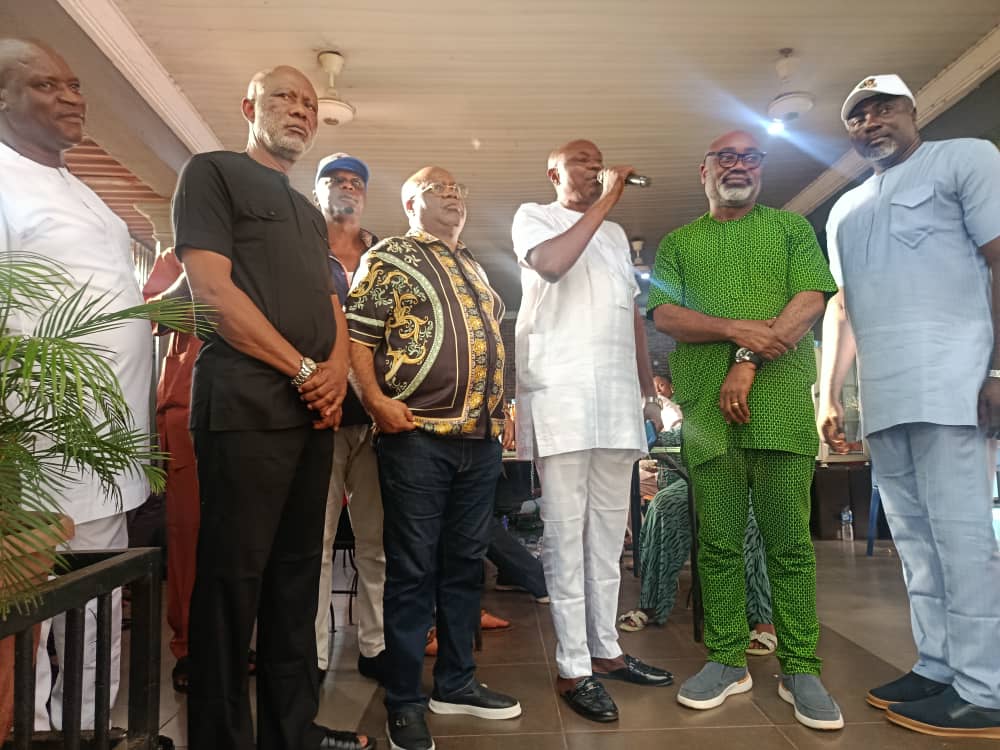
…Says Party’s Achievements at All Levels Make Opposition Unnecessary
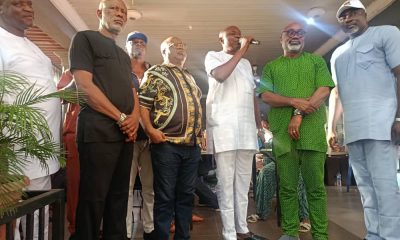
A political support group, Kwashy and Friends for Peter Mbah, has pledged to mobilise massive grassroots support for President Bola Ahmed Tinubu, Governor Peter Mbah and other candidates of the All Progressives Congress (APC) ahead of the 2027 general elections.
The group said the achievements of the APC-led administrations at the federal, state and local government levels provided compelling reasons for Nigerians to support the party, insisting that good governance should be encouraged rather than opposed.
Speaking during the group’s bi-monthly meeting held on Sunday at Rockbase Hotels, Enugu, its Coordinator, Hon. Cletus Chigozie Akalusi, popularly known as Kwashy, said the platform, established in 2023, had consistently mobilised support for candidates seeking various political offices.
Akalusi explained that the meeting was convened to strengthen the group’s grassroots structures and develop strategies for communicating the achievements of the APC to voters across the state.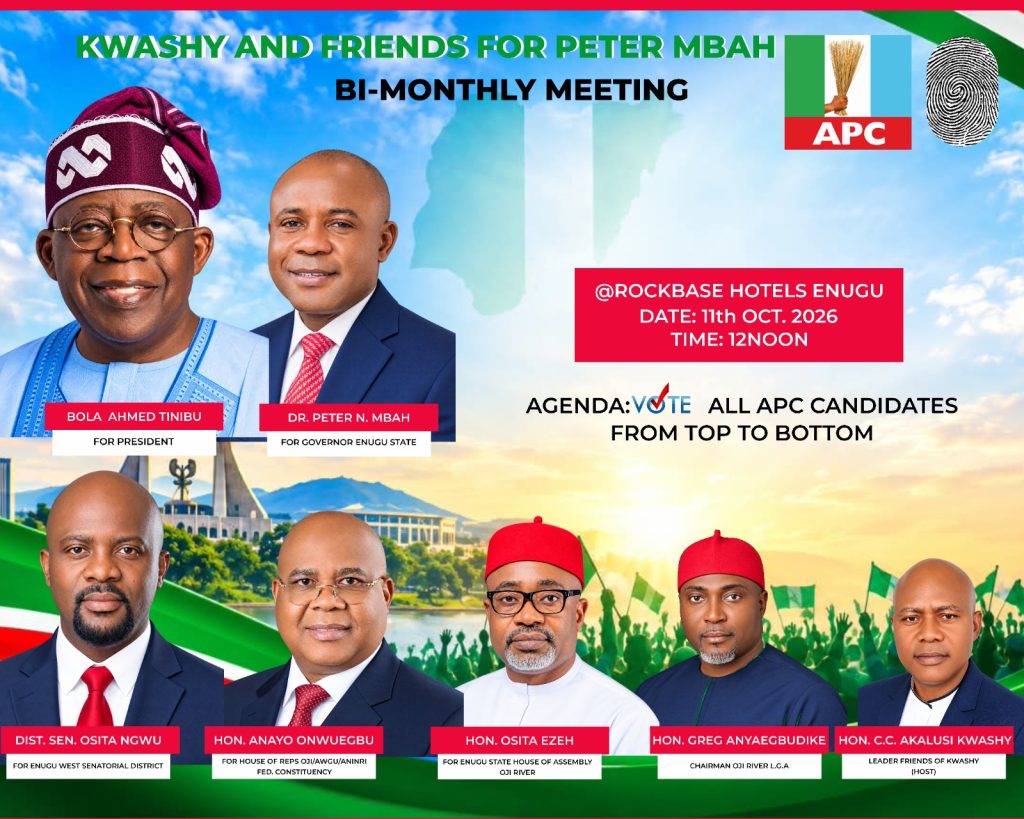
He urged members to sustain the top-to-bottom voting approach adopted during previous elections to guarantee victory for all APC candidates in 2027.
“Our bi-monthly meetings are avenues for us to strategise and re-strategise on how to ensure that President Bola Ahmed Tinubu, Governor Peter Ndubuisi Mbah and all candidates of our party are massively voted for.
“Our support group is not filled with urban guerrillas. We are all grassroots soldiers, and we undoubtedly have the capacity to ensure a landslide victory for our party.
“Considering the achievements our party is recording at the federal, state and local government levels, I have never lost sleep over our victory in the 2027 general elections,” he declared.
Also speaking, the member representing Oji River/Awgu/Aninri Federal Constituency, Hon. Anayo Onwuegbu, who was accompanied by the member representing Oji River Constituency in the Enugu State House of Assembly, Hon. Osita Ezeh, expressed satisfaction with what he described as the growing acceptance of the APC across the state.
Onwuegbu charged members to intensify mobilisation at polling-unit and ward levels, stressing that the party’s developmental strides should translate into overwhelming electoral support.
“What enthrals me most is that you have agreed to vote for APC candidates from top to bottom. Just like our governor always says, we should take the message from polling unit to polling unit and ensure that no vote is lost.
“There is no ward you will go to in Enugu today without seeing a project worth about N2 billion ongoing. It has never happened in the history of this state. Our core mandate is to work towards victory because it is not over until it is over,” he said.
In his remarks, the Chairman of Oji River Local Government Area, Hon. Greg Anyaegbudike, commended the group for its contributions to the party’s success in the last chairmanship and councillorship elections.
He maintained that the performance of President Tinubu, Governor Mbah and other APC leaders had provided sufficient justification for continued public support.
“The manner in which you supported us in the last elections is mind-blowing. If you look around, you will see reasons to support our party.
“There is no ward in Enugu State today without a Smart School, Type-2 Primary Healthcare Centre and other ongoing infrastructure.
“It is on this note that we should not only preach the gospel but also ensure that we protect the interest of our party wherever we find ourselves,” he stated.
The meeting reaffirmed the group’s commitment to expanding its grassroots mobilisation network and working towards securing victory for APC candidates at all levels in the 2027 general elections.
Make the headline more news-focused
Attribute all political performance claims
Tighten the report for publication

-
 Politics2 days ago
UNPOPULAR? Abati Seeks Confirmation of Ebonyi Gov’s Name During Interview With Anyichuks
-
 Politics3 days ago
Ebonyi Students Endorse ANYICHUKS, Declare ‘We Won’t Support a Failure’
-
 News4 days ago
Mbah Calls for Impartial Probe into Violence at Political Gathering in Enugu
-
 News2 days ago
2027: APC, APGA Rift Deepens Over Support for Tinubu’s Re-election
-
 Crime4 days ago
Enugu Police Investigate Viral Video of Alleged Torture of 60-Year-Old Woman in Nkanu East
-
 Politics3 days ago
2027: Kwashy and Friends For Peter Mbah Vows Landslide Victory for All APC Candidates
-
News4 days ago
SEDC Prioritises Roads, Rural Electrification, Water and Education in South-East
-
 Politics2 days ago
Tinubu Inaugurates APC Presidential Campaign Council, Vows to Renew Covenant With Nigerians in 2027