


Special Report
SPEAKER ABBAS: A GOOD HEART, THE COMPASSIONATE SERVANT


By Ibrahim Sani
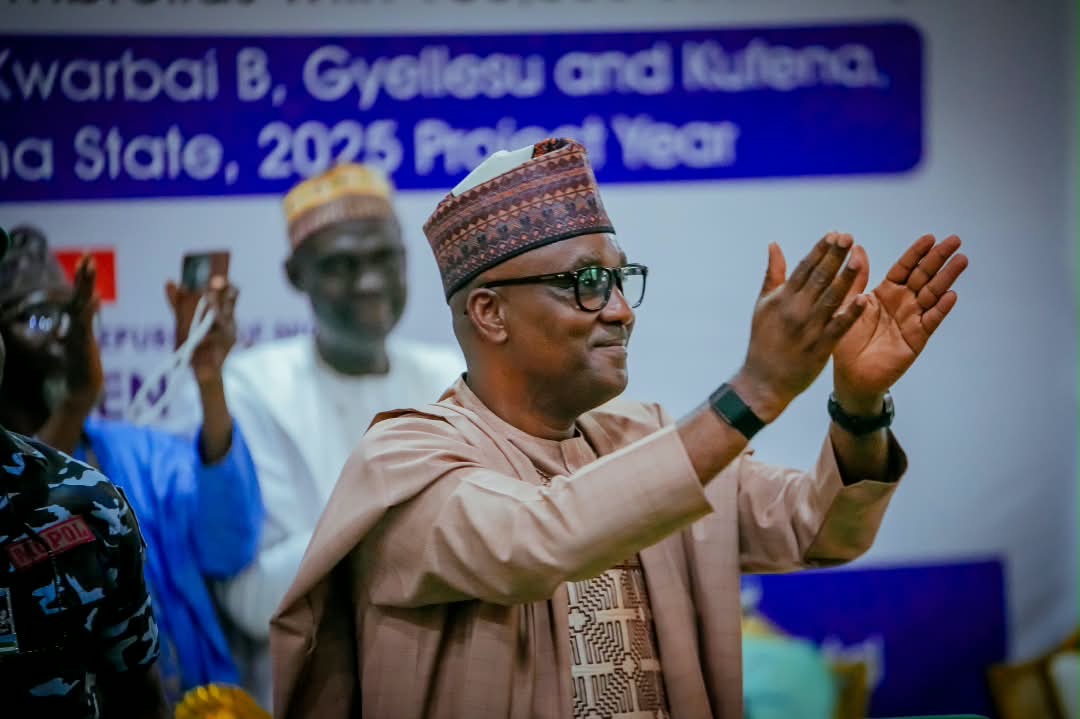
We gather to honor a man of profound intellect, deep humility, and unwavering dedication to the Federal Republic of Nigeria: The Right Honourable Speaker, Abbas Tajudeen, PhD, GCON. Through his exemplary public service, he has redefined legislative excellence and shown what it truly means to lead with a servant’s heart.
Speaker Abbas stands as a beacon of integrity and an architect of national unity. With a brilliant academic foundation and a sharp, strategic mind, he has guided the House of Representatives with remarkable stability, fairness, and a deep respect for democratic principles. His leadership style is not defined by noise, but by a quiet, unstoppable resolve to uplift ordinary citizens and build bridges across political, ethnic, and religious divides.
Beyond the gavel and the high office, his life is a testament to the power of education, patience, and patriotism. He listens with empathy, acts with courage, and remains deeply rooted in his commitment to a prosperous, equitable Nigeria.
The Right Honourable Speaker represents the pinnacle of intentional, compassionate, and transformative governance in Nigeria. From his historic election as the Speaker of the 10th House of Representatives on June 13, 2023, he has systematically steered the Green Chamber away from political friction and toward impactful, institutional development. He is an academic in politics, an architect of legislative stability, and a deeply committed humanitarian.

Speaker Abbas came into the role with an unrivalled parliamentary pedigree, having previously broken records by sponsoring 74 bills in a single term, 22 of which were signed into law. Since taking the gavel for the 10th House of Representatives, his focus on systemic, citizen-centered legislation has produced historic metrics:
• Record Bill Pipeline: Under his watch, the House received 2,747 bills—the highest ever recorded by any National Assembly since Nigeria’s return to democracy in 1999.
• Decisive Enactments: Over 363 bills have been passed, with more than 72 receiving Presidential assent, including landmark frameworks like the Student Loan Act, Electricity Reforms, Cybercrimes Act, and critical Tax Administration Reforms.
• Fiscal Recovery and Oversight: Driven by his commitment to fiscal responsibility, the House Public Accounts Committee recovered over ₦61.5 billion in unremitted royalties and taxes from defaulting oil and gas companies.
• Inclusive Democracy: He has championed direct citizens’ engagement by initiating the NASS Open Week and introducing public town halls to review national policies transparently.
• Constitutional Amendments: He has prioritized accelerating reviews on critical governance issues, ensuring local government autonomy and structural judicial reforms are fast-tracked to strengthen the foundation of Nigerian democracy.
• E-Parliament Upgrades: Under his vision, the House transitioned toward modern digital documentation, deploying electronic voting platforms and digital archives to maximize transparency and accountability in plenary sessions.
Under his stewardship, the House has consistently paired hard policy with deep social empathy:
• Security & Defense: Orchestrated massive budgetary shifts to prioritize internal security, allocating over ₦6.11 trillion to national defense while fast-tracking the Defence Industries Corporation Act to curb local insecurity.
• Social Protection Funds: Directed institutional donations including ₦705 million toward national relief programs and ₦650 million for housing initiatives supporting the families of deceased public servants.
• Disaster Relief Coordination: Spearheaded rapid parliamentary intervention funds and mobilized emergency relief items to regions devastated by seasonal floods, ensuring the federal machinery responds with urgency to vulnerable communities.
• Healthcare Infrastructure Advocacy: Championed legislative interventions aimed at revitalizing primary healthcare centers across the federation, creating targeted budget allocations to guarantee medical access for rural women and children.
While directing affairs at the national level, Speaker Abbas has never lost touch with his roots in the Zaria Federal Constituency. His grass-roots interventions have earned him the reputation of a leader who genuinely feels the pulse of his people:
• Empowering the Next Generation: He has disbursed direct financial grants to over 2,400 constituents to scale small-scale trading, providing youth and women with immediate startup funds.
• Revolutionizing Agriculture and Mobility: Distributed massive batches of critical working equipment—including tractors, water pumps, sewing machines, deep freezers, tricycles, and vehicles—to boost the agrarian economy of Zaria.
• Honoring Educators: Drawing from his early career as an academic, he initiated a historic welfare scheme providing motorcycles and logistical assistance to over 3,000 local teachers and community leaders.
• Massive Food and Relief Distribution: During critical periods, including seasonal fasts and economic downturns, he has rolled out community-wide palliatives and food distribution networks on a scale unprecedented in the region.
• Critical Infrastructure Linkage: Championed and directly supervised the reconstruction of structural lifelines, such as the Agoro and Kofar Doka bridges, bringing rapid economic relief to previously cut-off rural communities.
• Clean Water Initiatives: Financed and drilled dozens of motorized solar-powered boreholes across vulnerable wards in Zaria, eliminating waterborne diseases and drastically improving sanitation for thousands of households.
• Educational Scholarships: Sponsored hundreds of brilliant but underprivileged students across tertiary institutions in Kaduna State, paying complete tuition fees and providing monthly stipends to ensure financial constraints do not halt academic dreams.
Voices of Gratitude: Testimonials from Colleagues and Constituents
The true measure of Speaker Abbas Tajudeen’s leadership is found in the lives he has touched. Below are the testimonies of those who work alongside him and those he represents:
From the Green Chamber (Colleagues & Lawmakers)
“Working under Speaker Abbas is a masterclass in inclusive leadership. He does not lead with an iron fist or political intimidation; he leads with superior argument, patience, and absolute respect for every member, regardless of party affiliation. His calmness keeps the House stable even during intense debates.”
— A Senior Ranking Member, House of Representatives
“His background as an academic shines through everyday. He is data-driven, incredibly thorough, and genuinely passionate about legislative reforms. Nigeria has never seen a Speaker who treats private member bills with the same urgency as executive bills. He is a reformer in every sense.”
— A Committee Chairperson
From the Grassroots (Zaria Federal Constituency)
“For years, our farmers in the village sections of Zaria struggled to get their produce to the main markets because the old bridge was washed away. When Rt. Hon. Abbas stepped in to rebuild the Agoro and Kofar Doka bridges, he didn’t just pour concrete—he saved our livelihoods. Today, trucks move freely, and our local economy is alive again.”
— Alhaji Bello Umar, Community Leader & Farmer, Zaria
“As a teacher, I used to trek long distances or spend half my daily pay on commercial transport just to reach the school. When the Speaker distributed motorcycles to over 3,000 of us, it felt like a heavy burden was lifted from my chest. He remembers educators because he was once one of us.”
— Mallam Ibrahim Yusuf, Secondary School Teacher, Zaria
“I lost my father during my second year at the university, and I thought my dream of graduating was over. Through the Speaker’s educational scholarship scheme, my complete tuition was paid, and I receive a stipend for books. He gave me my future back.”
— Aminat, Final Year Student, Kaduna State University
Thank you, Mr. Speaker, for your steady hand, your profound wisdom, and your enduring legacy of selfless service. Through intellectual grit, a quiet dignity, and an enduring loyalty to the ordinary Nigerian, Speaker Abbas Tajudeen, PhD, GCON, continues to prove that true leadership is measured by the laws you pass for the country and the lives you uplift in the community. Nigeria is stronger and more united because of your leadership.

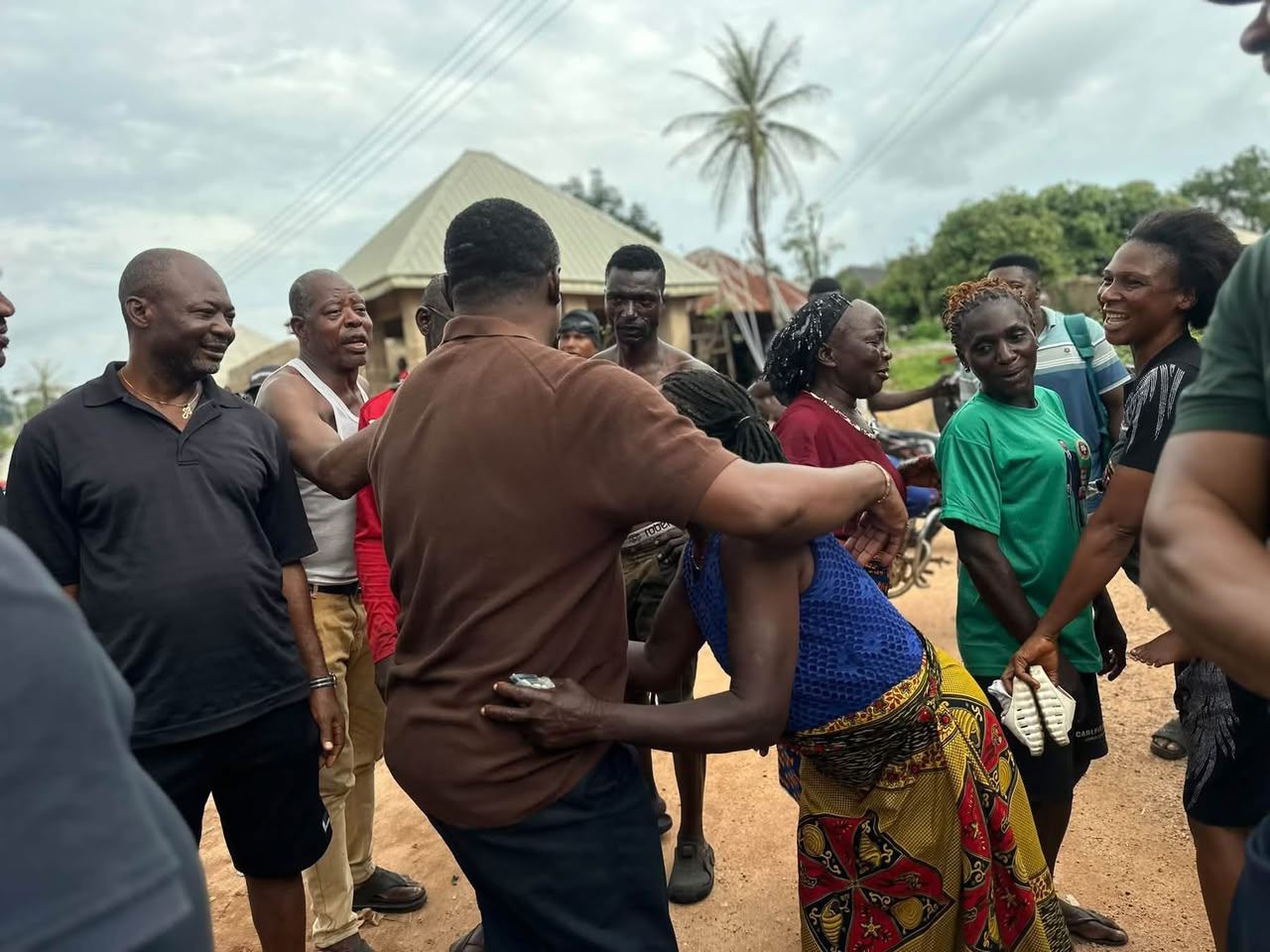
I saw our future in the eyes of a little child who smiled at me, only love. It reminded me that our children are the reason for every decision we make.
I stood on our soil and listened to our men speak frankly about what they need.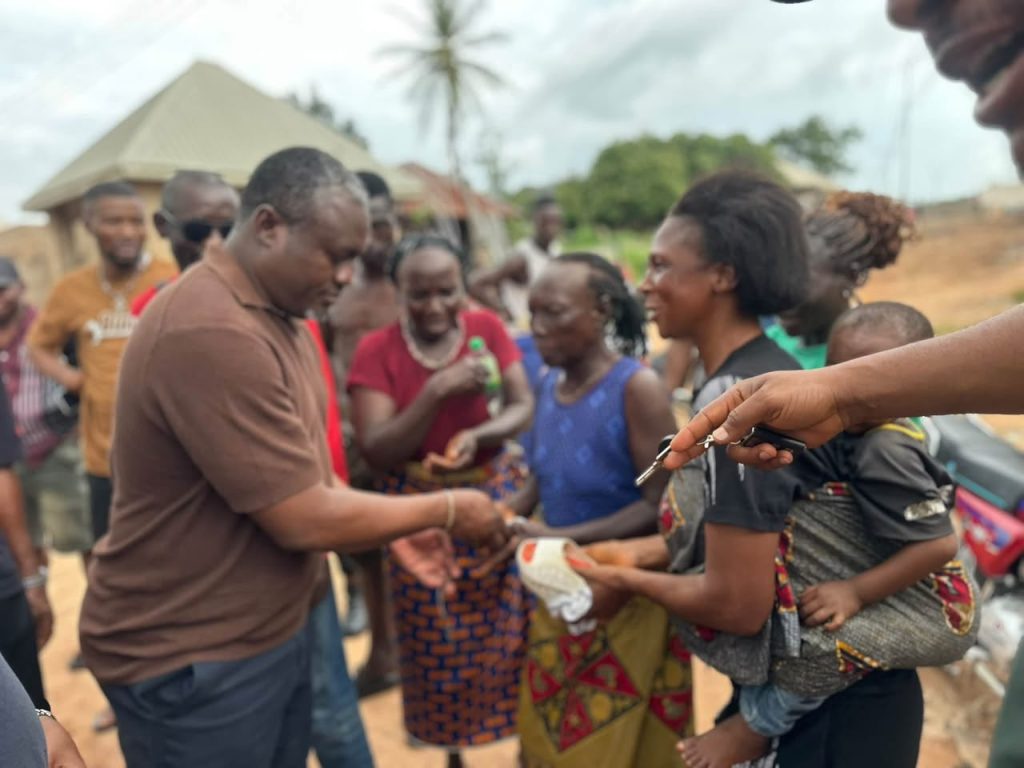
And I met with our mothers, our true strength, hardworking women carrying our children on their backs and our economy on their heads.
This is not politics. This is family. This is home.
I didn’t come to make promises. I came to assure you that your voice is still alive in the Hallowed Chamber.
Thank you, Ikom II, for holding me the way I hold you ‘close to my heart’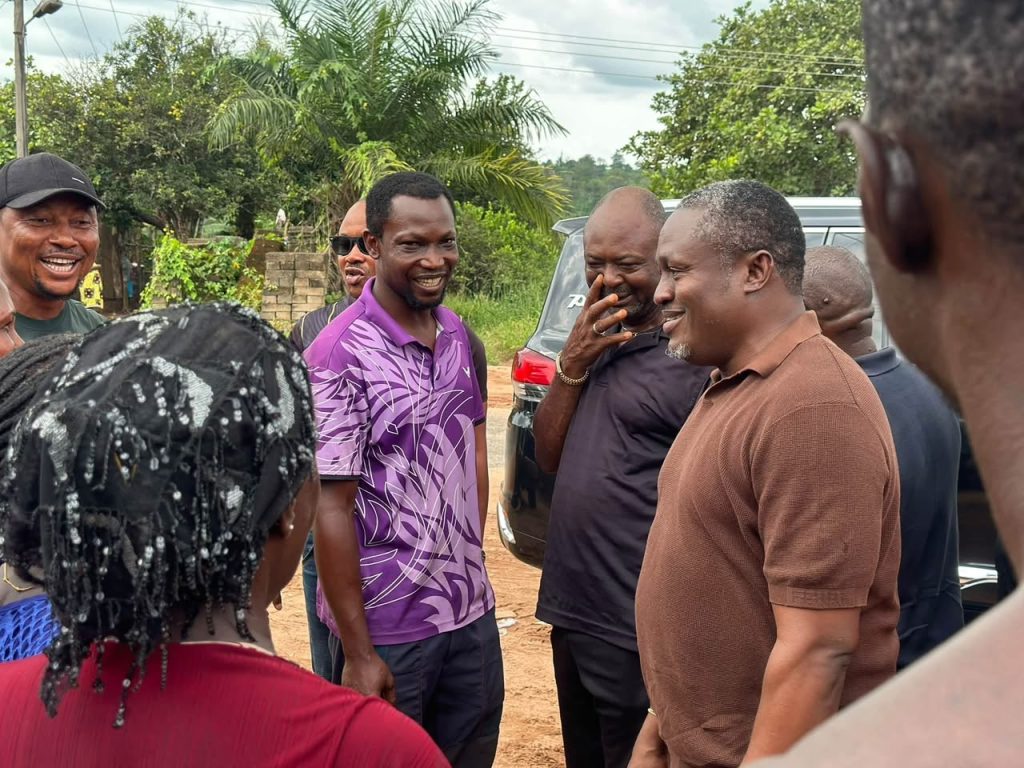
Rt. Hon. Elvert Ayambem
Speaker
Special Report
Federal Roads: Umahi Closing the Gap as Tinubu Addresses Years of Neglect in South-East
By PETRUS OBI
The Federal Government’s renewed intervention in major infrastructure projects across the South-East is beginning to give fresh meaning to the argument that the region is witnessing a stronger federal presence under President Bola Ahmed Tinubu.
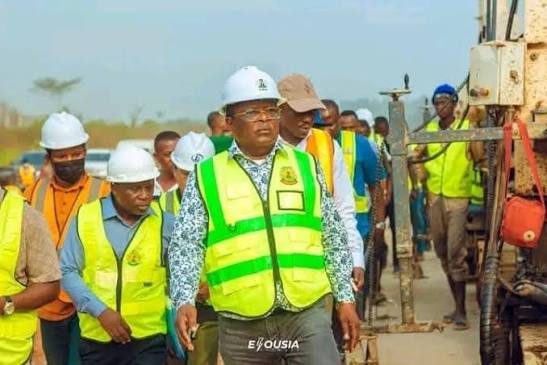
At the centre of the renewed push is the Minister of Works, Senator Dave Umahi, whose aggressive supervision of federal road projects has placed the region’s long-standing infrastructure deficit firmly on the national agenda.
The latest demonstration of that commitment is the ongoing reconstruction of the 65-kilometre Afikpo-Uturu-Okigwe Federal Road, linking communities and major highways across Ebonyi, Abia and Imo states.
During an inspection of the project in Okigwe, Umahi disclosed that the Federal Government had commenced preparatory works to remove a mountain more than 60 metres high that has for years constituted a major danger to motorists and contributed to fatal accidents along the route.
“This mountain, by the command of President Bola Ahmed Tinubu, must collapse for the people of South-East,” the minister declared, underscoring the administration’s determination to confront difficult infrastructure challenges rather than continue to allow them to hinder economic activity and endanger lives.
The mountain section represents one of the most technically demanding portions of the project. According to the contractor, Hi-Tech Construction, three excavators are being deployed to intensify excavation and reshape the terrain to create a safer and more efficient road alignment. 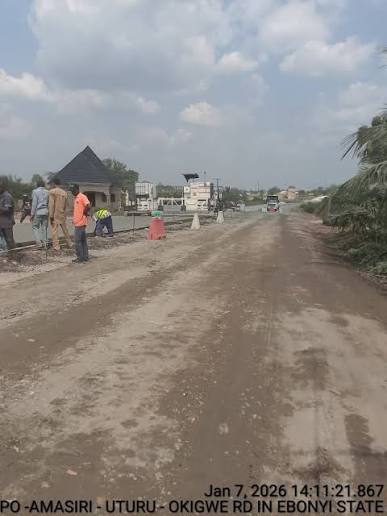
For a region where poor road infrastructure has historically been blamed for restricting trade, increasing transportation costs and slowing economic development, the significance of the project goes beyond the road itself.
The Afikpo-Uturu-Okigwe corridor is an important arterial route connecting communities and adjoining federal highways. When completed, it is expected to improve movement between Ebonyi, Abia and Imo, open up markets and strengthen regional integration.
More than 20 kilometres of the 65-kilometre project have already been completed, according to the Minister of Works, with the remaining sections progressing under the Federal Government’s tax-credit arrangement involving Dangote Industries Limited as sponsor and Hi-Tech Construction as contractor.
The project is also notable for the use of concrete pavement, which Umahi described as superior to what is obtainable on some other major federal highway projects.
But the Afikpo-Uturu-Okigwe road is only one component of a wider federal infrastructure push across the South-East.
Other major projects highlighted by the Presidency include the Enugu-Onitsha, Enugu-Port Harcourt, Enugu-Abakaliki, Abakaliki Trans-Sahara and Onitsha-Owerri roads.
Taken together, the projects suggest an attempt to address some of the region’s most persistent infrastructure bottlenecks while integrating its commercial centres more effectively with the national economy.
For Umahi, the issue is not merely the number of projects being undertaken, but their practical impact on the lives and economic fortunes of the people.
The minister has consistently argued that the Federal Government’s interventions in the South-East should be judged through tangible infrastructure delivery rather than political sentiments.
That argument is particularly significant in a region that has, for years, complained of inadequate federal infrastructure investment and what many residents perceive as neglect.
The ongoing projects therefore offer the Tinubu administration an opportunity to change that narrative through visible delivery on the ground.
The mountain at Okigwe provides perhaps the clearest symbol of the challenge.
For decades, the obstacle stood as a physical barrier to smoother transportation, while accidents and difficult road conditions imposed additional costs on motorists and communities.
Its planned removal is consequently more than an engineering exercise. It represents an attempt to physically dismantle one of the obstacles that have impeded movement, commerce and connectivity in the region.
Beyond road construction, improved connectivity could have wider economic consequences. Better roads can reduce travel time, improve the movement of agricultural produce and manufactured goods, strengthen access to schools and health facilities, and encourage investment along previously difficult corridors.
This is why the intervention is being viewed as part of a broader effort to close the infrastructure gap in the South-East.
The Senior Special Assistant to the President on Community Engagement, South-East, Barrister Chioma Nweze, reinforced this position, saying the projects would strengthen connectivity, open up communities and markets and stimulate commercial activities across the region.
The scale of the ongoing interventions provides the Tinubu administration with a strong opportunity to demonstrate that federal presence in the South-East can be defined not by political rhetoric but by roads, bridges, connectivity and economic infrastructure.
And with Umahi taking a hands-on approach to monitoring projects, the Federal Government appears determined to make infrastructure delivery one of the most visible signs of its engagement with the region.
If the Afikpo-Uturu-Okigwe road is completed as planned, including the removal of the 60-metre mountain, it could become one of the most striking examples of how a difficult infrastructure challenge can be transformed into an economic opportunity.
For the South-East, where infrastructure deficit has long featured prominently in conversations about federal neglect, the emerging picture is one of a region increasingly being brought into the centre of the Federal Government’s infrastructure agenda.
By Emma Igwe
In Ebonyi South, a scenario is playing out, following the loss of Igariwey Idu in securing the APC ticket for Edda/Afikpo North federal constituency, and the likely disposition of his followers to work against APC candidates. These anti-party activities and internal political realignments are now intersecting with broader dynamics in Ebonyi North and Ebonyi South senatorial districts, where the All Progressives Congress (APC) may face unexpected setbacks due to deep-rooted local interests, personal influence networks, and intra-party divisions.
In Ebonyi North, the political landscape is particularly complex, driven largely by a long-standing kindred dichotomy between the two dominant subgroups, Unwueru and Igbojima.
This internal division continues to influence voting behaviour across Izzi, Abakaliki, and Ebonyi local government areas, often outweighing party ideology or candidate competence. At the same time, the ripple effects of political dissatisfaction in Ebonyi South—especially from aggrieved APC stakeholders like Igariwey Idu—are beginning to shape cross-district alignments and quiet opposition strategies that could weaken APC’s overall electoral strength.
The APC candidate in Ebonyi North, Senator Onyekachi Peter Nwebonyi, who serves as Deputy Chief Whip and hails from the Unwueru subunit of Izzi, is widely acknowledged for his legislative performance and constituency projects across various communities in the district. However, his political strength is being challenged by deep-seated intra-ethnic sentiments, with his kindred of origin becoming a major political liability in the current contest. Some local political actors within Izzi are reportedly not fully aligned with his candidacy, further weakening his grassroots consolidation.
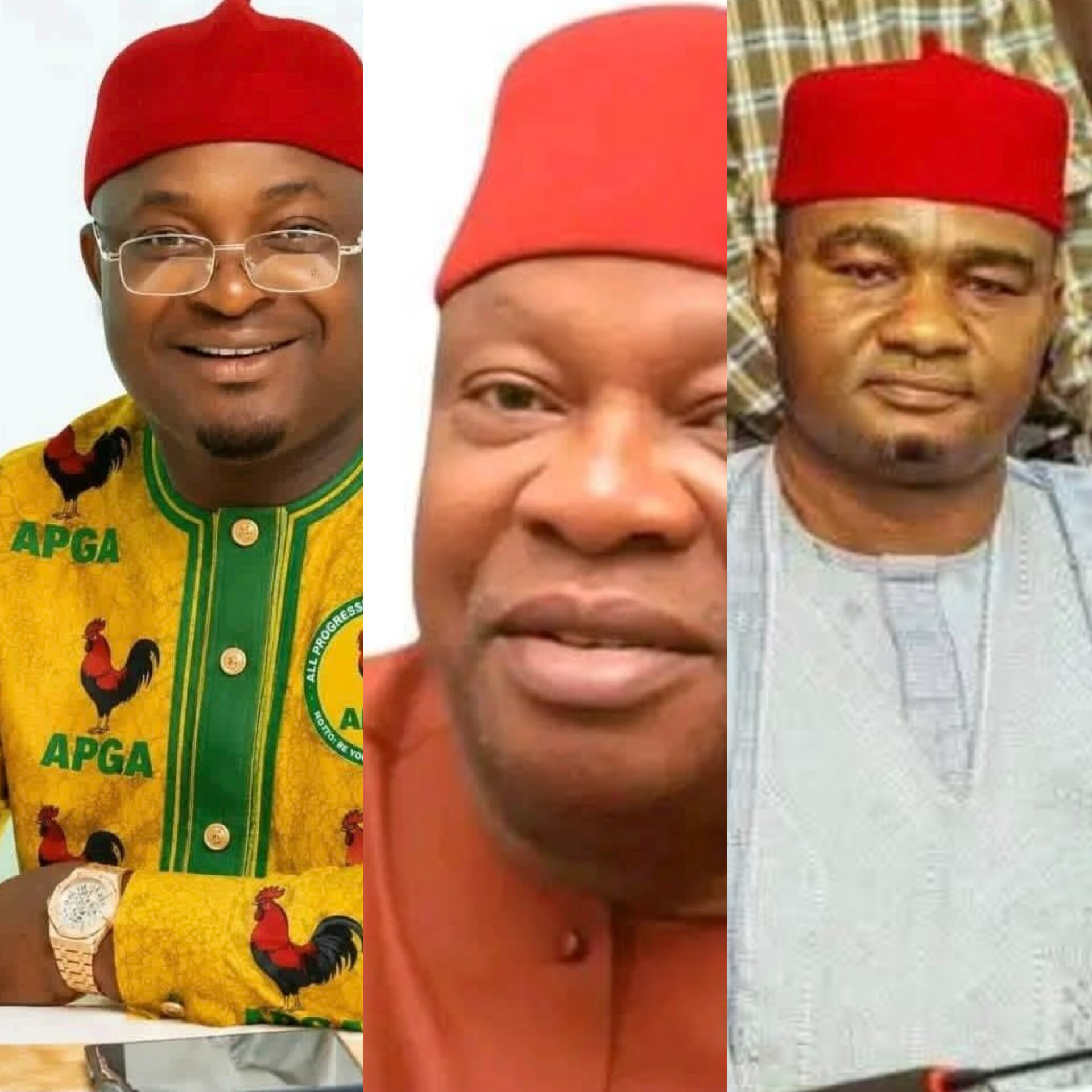
On the other hand, Chief Chikaodili Ojemba of the All Progressives Grand Alliance (APGA), who hails from the Igbojima axis—the same broader bloc as Governor Francis Ogbonna Nwifuru—appears to be gaining significant traction. Despite running under APGA, Ojemba is perceived by many as enjoying tacit support from influential political structures within the state. His alignment with both Governor Nwifuru and President Bola Ahmed Tinubu, at least in political posture, has further strengthened his acceptability across party lines.
Ojemba’s appeal is also reinforced by his position as chairman of the Quarry Dealers Association of Ebonyi State, as well as his philanthropic engagements, including recent scholarship awards to indigent students within the senatorial district. These activities have enhanced his visibility and grassroots goodwill, particularly among younger voters and economically disadvantaged communities.
While Senator Nwebonyi maintains a strong record of attracting federal projects and development initiatives across the district, the contest is increasingly being shaped less by performance and more by identity politics. The election is gradually evolving into a struggle for kindred supremacy rather than a comparison of competence or legislative effectiveness.
Demographically, the Igbojima bloc holds a population advantage and also benefits from the perceived influence of the incumbent governor, which may translate into significant electoral gains for Ojemba. He is also expected to perform strongly in Izzi areas, where local sentiments and political alignments are currently fluid.
In urban centres such as Abakaliki and parts of Ebonyi local government area, APGA may also enjoy considerable support due to the presence and influence of non-indigenous populations, particularly Anambra indigenes who have established strong socio-economic networks in these areas.
In a parallel development, Toochukwu Ogalagu, the APGA House of Representatives candidate for Ohaukwu/Ebonyi Federal Constituency, is also expected to command strong followership in urban centres such as Ezzangbo, Effium, and Alioma. However, he may face stronger resistance in Mgbo-speaking areas, where the incumbent representative retains influence. The simultaneous conduct of both senatorial and House of Repre

BY Emma Igwe
“Those who live ahead of their time should always expect criticism.”
— Dr. Nnamdi Azikiwe
Dr. Nnamdi Azikiwe reportedly made this statement on two notable occasions.
The first was during the campaign for Nigeria’s independence, when Southern members of the then National Assembly advocated for self-rule while many Northern members opposed the move. When Dr. Azikiwe was interviewed at Heathrow Airport in the United Kingdom, he responded with those words.
The second was during the Nigeria–Biafra War. After advocating dialogue between Nigeria and Biafra, Radio Biafra reportedly labelled him a saboteur. Once again, he repeated the same statement. Supporters argue that history later vindicated his position.
A Religious Reflection
If Jesus Christ, revered by Christians as the Saviour of the world, was persecuted and crucified despite His innocence, then public criticism and unfounded allegations against public figures should not come as a surprise.
It is painful for anyone to be associated with a crime in which they had no involvement.
Sen. David Umahi: A Record of Public Service
Supporters of Sen. David Umahi point to a number of achievements during his political career, including:
- Becoming the first Deputy Governor in Ebonyi State to openly oppose the imposition of candidates within the Peoples Democratic Party (PDP), eventually emerging as Governor.
- Introducing the use of concrete pavement technology for road construction in Ebonyi State.
- Prioritising infrastructure development over patronage politics and the distribution of public resources.
When Sen. Umahi defected from the PDP to the All Progressives Congress (APC), he faced widespread criticism, particularly in the South-East. Today, many of those who opposed his decision have also joined the APC.
His supporters also argue that his performance as Minister of Works and his strong defence of President Bola Tinubu’s policies have attracted political opposition and criticism from rivals.
The Main Issue: The Death of Ms. Mary Habila
It is not disputed that Ms. Mary Habila died at Sen. David Umahi’s country home. However, the central issue should be determined by facts rather than assumptions.
The mere fact that a person dies at another person’s residence does not, by itself, establish that the owner or occupant is responsible for the death.
Liability can only be established through credible and verifiable evidence.
Among the issues that require proper investigation are:
- Whether there is evidence linking any individual to the cause of the death.
- Whether those present cooperated fully with law enforcement authorities.
- Whether medical assistance was sought promptly and the incident duly reported.
- The findings of forensic experts, medical examiners, and other investigators.
The cause and circumstances surrounding Ms. Mary Habila’s death are matters that should be determined through lawful investigation.
The Legal Position
Both criminal and civil liability must be established through credible evidence demonstrating that an unlawful act caused the death.
Sen. David Umahi has consistently denied any wrongdoing and has stated that he has cooperated with the relevant authorities throughout the investigation.
Ultimately, the circumstances surrounding the incident should be determined by witness testimony, forensic evidence, medical reports, and other admissible evidence—not by speculation based solely on the location where the death occurred.
It is a fundamental principle of justice that every person is presumed innocent until proven guilty by a court of competent jurisdiction. Accordingly, any conclusion regarding legal responsibility must rest on established facts and the applicable law, rather than suspicion or conjecture.
The occurrence of a death at Sen. Umahi’s residence, standing alone, is insufficient to establish legal liability without clear and convincing evidence linking him to the cause of the death.
By Okey Nwanguma
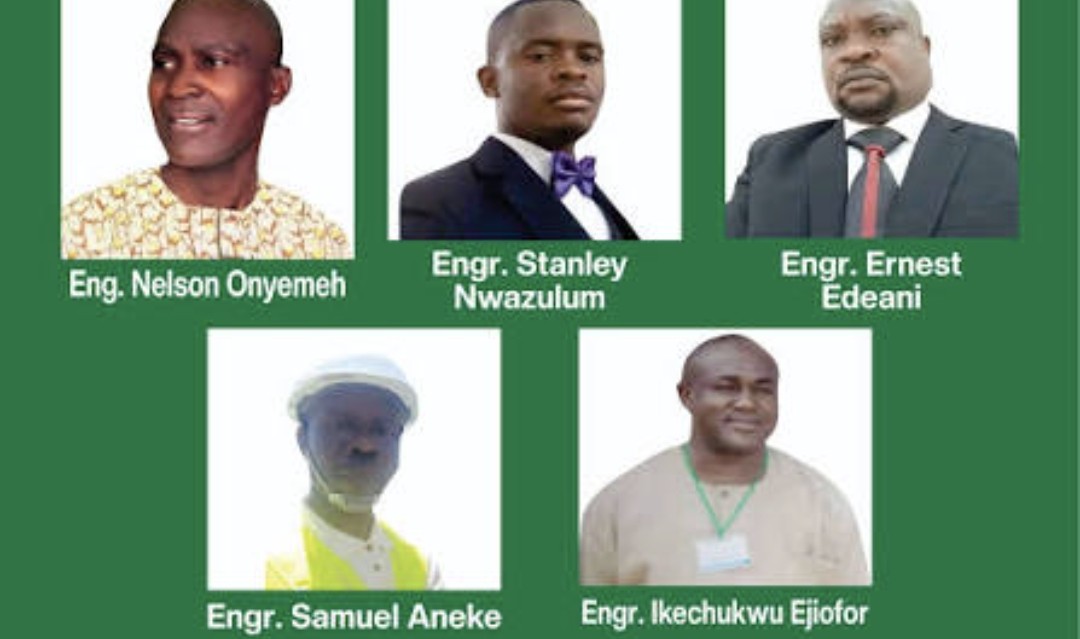
Nearly five years after five Nigerian engineers disappeared while carrying out their professional duties in Ebonyi State, the country still has no credible answers. Their families remain trapped between hope and despair, while the justice system appears unable—or unwilling—to establish the truth.
This is no longer merely the story of five missing professionals. It has become a defining test of Nigeria’s commitment to human rights, the rule of law, and public accountability.
On 3 November 2021, Engr. Nelson Onyemeh, Engr. Ernest Edeani, Engr. Ikechukwu Ejiofor, Engr. Samuel Aneke, and Engr. Stanley Nwazulum left Enugu for Ebonyi State to supervise the construction of the Abakaliki Ring Road under a contract funded by the African Development Bank (AfDB). They never returned.
Okey Nwanguma
The engineers were employees of NELAN Consulting Limited, an independent engineering consultancy appointed through an international competitive bidding process to supervise the project in accordance with AfDB standards. Their role was not ceremonial. Independent supervision is central to ensuring that public infrastructure projects meet contractual specifications, maintain quality standards, and protect public resources from abuse.
Their disappearance would have been shocking under any circumstances. But the allegations that preceded it make the case especially disturbing.
According to the families, disagreements had arisen between NELAN and the Ebonyi State Government over project supervision, certification of completed work, and control of payments. They allege that the engineers refused to compromise their professional obligations by certifying work outside the procedures required under the AfDB-financed contract.
These allegations have been denied, and no court has established that they are connected to the disappearance. Yet they provide a context that any serious investigation cannot afford to ignore.
The rule of law demands neither blind acceptance of accusations nor premature dismissal of them. It demands an impartial investigation guided solely by evidence.
Instead, the public has been presented with a series of troubling contradictions.
The engineers disappeared without trace. Government officials reportedly attributed the incident to communal violence. Later, public statements suggested they had been killed based on alleged confessions, even while investigations were reportedly still ongoing. Yet no bodies have been conclusively identified.
Perhaps the most disturbing aspect is the reported DNA evidence. According to the families, skeletal remains presented as belonging to the missing engineers were subjected to independent DNA analysis, which reportedly excluded them as belonging to the victims. One set of remains was reportedly identified as female.
If accurate, such findings raise fundamental questions. What became of the original investigation? Why were contradictory forensic findings not fully explained? What happened to the search for the missing engineers?
These are not political questions. They are questions of justice.
Equally troubling are reports that prosecutions proceeded while the fate of the victims remained uncertain and that the proceedings have since become stalled. Justice delayed is often justice denied—not only for defendants but also for victims and their families.
The wives of the missing engineers have refused to allow the case to disappear into official silence. Their petitions to the President, the National Assembly, the National Human Rights Commission, security agencies, and professional bodies reflect not merely personal grief but an insistence that the Nigerian state fulfil its constitutional obligations.
Their central demand is simple: tell us the truth.
The Constitution guarantees the right to life. International human rights law imposes on governments a positive obligation to conduct prompt, effective, impartial and transparent investigations whenever people disappear under suspicious circumstances. Families also have a right to know the truth about what happened to their loved ones.
These obligations do not expire with time.
Nor should they depend on the political status of those whose actions may come under scrutiny.
It is equally important to emphasize that allegations against any individual, including former Ebonyi State Governor and current Minister of Works, Senator David Umahi, remain allegations unless established through credible evidence and due process. Justice demands accountability, but it also demands fairness. The objective is not to convict people in newspaper headlines or on social media, but to establish the truth through lawful investigation.
Precisely because allegations and counter-allegations have persisted for years without resolution, there is now a compelling case for an independent federal-level review of the investigation. Such a review should involve investigators with no prior involvement in the matter, modern forensic expertise, and transparent public reporting.
Nigeria cannot afford unresolved disappearances involving professionals carrying out public duties on major infrastructure projects. If engineers, auditors, consultants, journalists, lawyers, or civil servants cannot discharge their professional responsibilities without fear, public accountability itself becomes endangered.
This case is therefore about far more than five missing engineers.
It is about whether public institutions inspire confidence or suspicion.
It is about whether forensic evidence is pursued wherever it leads.
It is about whether political influence can overshadow justice.
Above all, it is about whether every Nigerian life carries equal value before the law.
The families have waited for nearly five years. That is far too long.
Justice demands answers.
The rule of law demands accountability.
Nigeria demands the truth.


-

 Education4 days ago
Caleb British International School Wins Zenith Bank Young Innovators Challenge, Bags ₦5m Prize
-
 Crime4 days ago
Political Violence: PDP Chairmen Storm Ebonyi, Warn Nwifuru To Leave Opposition Alone Or…
-
 Politics4 days ago
Transport Allowance: Payment Begins November, Beneficiaries to receive N420,000
-

 Crime4 days ago
Police Arrest Suspected Serial Rapist in Enugu, Recover Victims’ Nude Videos
-
 News3 days ago
TUC Rejects Tinubu’s N70,000 Transport Allowance
-
 Politics5 days ago
Nnamani, Nwobodo, Chime, Ugwuanyi, Arthur Eze, Get Advisory Roles As Mbah Unveils Campaign Council
-

 Sports5 days ago
Harry Kane Wins 2026 Ballon d’Or, Ends England’s 25-Year Wait
-

 Crime4 days ago
Police Arrest Suspected Fake Lawyer After 11 Years of Practice in Ebonyi