



News
Rights groups demand release of soldier who accused officers of sexual harassment



Two Human Rights groups have demanded the immediate release of female soldier Corporal Ruth Ogunleye who is said to have been detained for accusing army officers of sexual harassment.
“We hereby demand the urgent and immediate release of Ogunleye, who was reported in the media to have been arrested by the Military Police and flown to Abuja, where she is currently being wrongfully detained without justification.
“Looking at the wordings of Section 178(1) (reproduced once more for clarity):
“(1) If an officer thinks himself wronged in any matter by a superior officer or authority and on application to his commanding officer does not obtain the redress to which he thinks he is entitled, he ‘MAY’ make a complaint with respect to that matter to the Forces Council.”

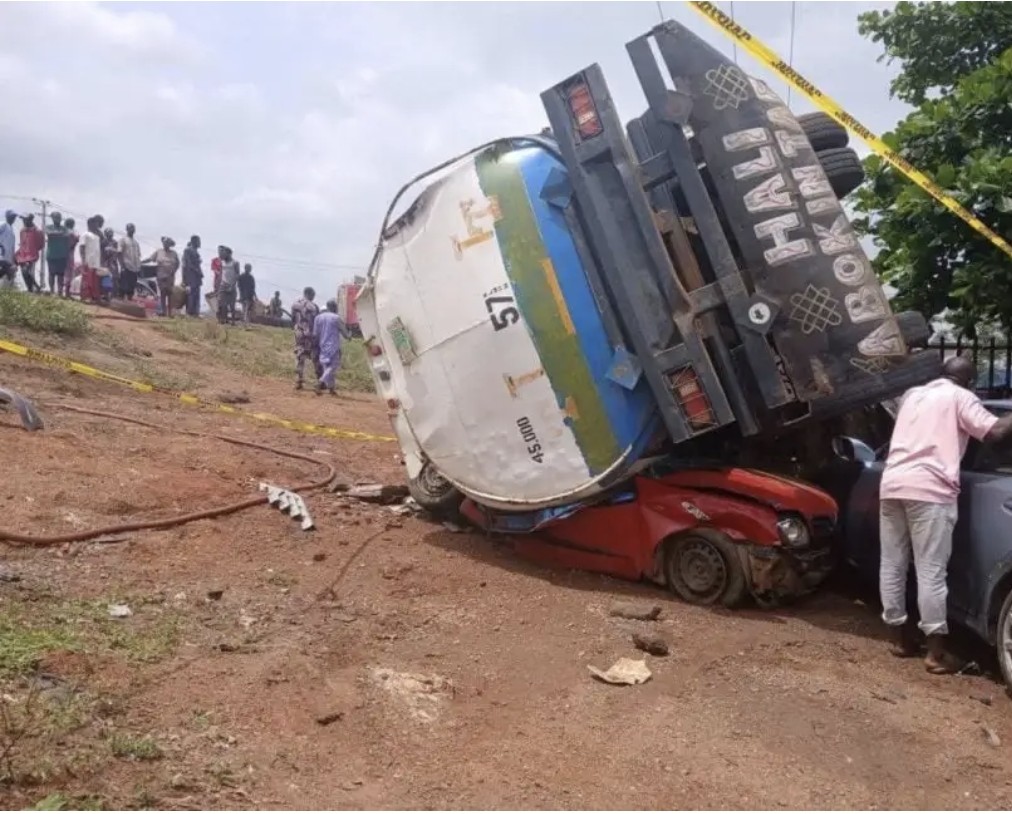
At least five persons have been confirmed dead, while several others were trapped following a fatal accident involving a fully loaded diesel tanker and four commercial vehicles in Ibadan, the Oyo State capital, on Saturday.
The accident occurred at Aduloju Bus Stop, opposite Dominion City, along the busy Iwo Road–Ojoo Expressway.
Eyewitnesses said the tanker, reportedly travelling at high speed, lost control and rammed into four Nissan Micra cars conveying passengers, leaving the vehicles badly mangled.
The impact reportedly trapped several occupants inside the wreckage, prompting desperate rescue efforts by sympathisers and emergency responders.
News
Enugu Youths Give Forest Guard Commander 72-Hour Ultimatum Over Alleged AK-47-Wielding Gunmen in Ugwuaji Forests
…….Threaten to Petition Olasoji, Ben Alukwu to NSA, Minister of Defence
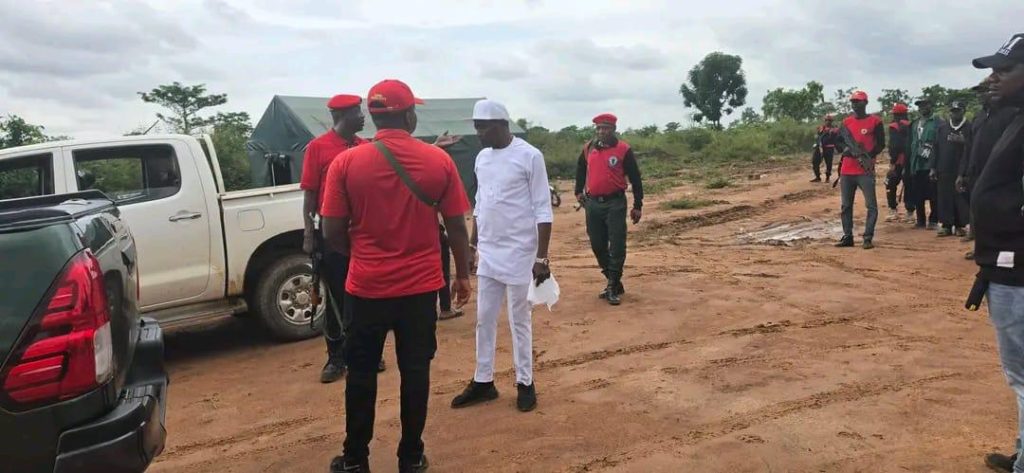
Enugu youths under the aegis of Ugwuaji Youths for Peace have issued a 72-hour ultimatum to the Commander of the National Forest Guard in Enugu State, Dr. Akinbayo O. Olasoji, to explain the alleged presence of unknown gunmen wielding AK-47 rifles alongside his personnel in Ugwuaji forests. They also demanded explanations over his alleged repeated meetings in the forests with an NDC chieftain, Mr Ben Alukwu, whom they claimed was neither from Ugwuaji nor owned property in the area.
Reacting to a statement issued by the Public Relations Officer of the National Forest Guard, Enugu State Command, on October 17, 2026, the youths accused Olasoji of avoiding allegations of harassment, assault and involvement in land grabbing.
According to The counter-statement that was signed by Barr. Ogbodo Nwobodo on behalf of Ugwuaji Youths for Peace, it says“We have carefully read the press statement issued on 17 October 2026 by the National Forest Guard, Enugu State Command, in response to allegations of harassment, assault and involvement in land grabbing against the State Commander, Dr. Akinbayo O. Olasoji, and personnel under his command. We consider the statement an attempt to divert attention from the specific allegations raised against the Command. Rather than address the central issues, the Commander has chosen to recount previous security incidents and discuss the reasons for establishing a Forward Operating Base in the Ugwuaji–Obeagu forest area. While we recognise the need to protect residents against kidnapping and other criminal activities, security operations must not become an excuse for evading legitimate questions about the conduct of personnel.”
The youths demanded that Olasoji identify the individuals allegedly carrying AK-47 rifles alongside Forest Guard personnel in the Ugwuaji–Obeagu forest area and explain their official status, recruitment, training, authorisation and chain of command. They questioned the authority under which the individuals carried the weapons and demanded relevant deployment records and arms authorisations. The group also challenged the Commander to explain his alleged repeated presence in the forests with Mr. Alukwu, asking whether the NDC chieftain was a recognised security chief, an appointed Forest Guard officer or a member of another security agency authorised to participate in the operations. They insisted that the purpose of the alleged meetings, the identities of the participants and the official records supporting their presence should be disclosed.
“Dr. Olasoji must explain why unknown individuals alleged to be operating alongside his personnel in our forests are carrying AK-47 rifles. Who are these individuals? Are they duly recruited, trained and authorised members of the National Forest Guard? Under whose authority are they carrying such weapons, and where are their deployment records and relevant arms authorisations? We also challenge Dr. Olasoji to explain his alleged repeated presence in the forests with one Ben Alukwu. What official capacity does Alukwu occupy in these operations? Is Ben Alukwu, who is known to us as a member of the Nigeria Democratic Congress (NDC), a recognised security chief, a duly appointed Forest Guard officer or a member of any security agency authorised to participate in such deployments? If he holds an official position, the Commander should state it clearly and provide the basis for his involvement. If these encounters are legitimate security operations, there should be no difficulty in explaining who participated, the purpose of the visits, the authority under which they took place and the official records supporting them.”
The youths faulted the Commander for citing previous kidnapping incidents and an alleged attack on Forest Guard personnel without directly answering the allegations concerning the armed individuals and Alukwu’s alleged presence in the forests. They maintained that previous security threats which were lies ,still ,could not automatically justify every subsequent action by personnel and insisted that each statement made against the Command should be investigated on its own merits.
The group argued that residents and investors were entitled to question the activities of armed individuals in their environment and challenged Olasoji to refute any false allegations with verifiable evidence, identify authorised personnel through official channels and explain why unauthorised individuals were allegedly operating alongside his men.
“We find it troubling that the Commander’s statement discusses sugarcoated historical kidnapping incidents and an alleged attack on Forest Guard personnel but fails to provide direct answers to the concerns about AK-47-wielding individuals and Ben Alukwu’s alleged presence in the forests. Previous non existent security threats cannot automatically justify every subsequent action by forest Guard personnels. Each averment made against Enugu forest guard must be investigated on its own merits. Dr. Olasoji must understand that Ugwuaji residents and investors are entitled to ask questions about the activities of armed individuals operating in their environment. Demanding accountability is not an attack on security institutions, nor is it an attempt to undermine the fight against kidnapping as he alleged. We therefore challenge the Commander to explain why he would issue a lengthy statement that avoids the central questions instead of providing verifiable facts. If the allegations are false, he should refute them with evidence. If the individuals involved are authorised personnel, he should identify them through the appropriate official channels. If they are not, he must explain why they are operating alongside his men.”
The group gave Olasoji 72 hours from receipt of its statement to publicly address five issues: the identity, official status and authorisation of the alleged AK-47-wielding individuals; the legality of their deployment and arms authorisations; Alukwu’s identity, official capacity and role during the alleged forest meetings; whether he held any recognised appointment or authorisation within the National Forest Guard or another security agency; and the purpose of the alleged joint visits, including the official records establishing their legitimacy.
The youths also demanded clear and verifiable answers rather than another general statement about kidnapping, forest security or the establishment of a Forward Operating Base. They warned that failure to respond within the stipulated period would lead to a formal petition, accompanied by available supporting evidence, to the Office of the National Security Adviser (NSA), the Minister of Defence and other appropriate security and investigative authorities.
“Consequently, we hereby give Dr. Akinbayo O. Olasoji, the State Commander of the National Forest Guard, Enugu State Command, a 72-hour ultimatum from the receipt of this statement to publicly address the following: the identity, official status and authorisation of the individuals alleged to be carrying AK-47 rifles alongside Forest Guard personnel in the Ugwuaji–Obeagu forest area; the authority under which these individuals carry such weapons and whether their deployment and arms authorisations comply with the law; the identity, official capacity and specific role of Ben Alukwu during his alleged repeated presence with the Commander in the forests; whether Ben Alukwu holds any recognised appointment or authorisation within the National Forest Guard or any other security agency that permits him to participate in these operations; and the purpose of these alleged joint visits and the official records establishing their legitimacy. We expect clear, specific and verifiable answers, not another general statement about kidnapping, forest security or the establishment of a Forward Operating Base. Failure to address these questions within the stipulated period will compel us to submit a formal petition, together with any available supporting evidence, to the appropriate security authorities and other relevant investigative institutions for an independent investigation. We will also consider other lawful avenues for ensuring accountability and the protection of residents and investors.”
The youths reiterated their support for lawful security operations against kidnapping and other criminal activities but insisted that no security institution or public official should be exempt from scrutiny. They said they had prepared documents and evidence to be forwarded to the Office of the National Security Adviser and the Minister of Defence concerning the allegations against Olasoji and Alukwu.
The group maintained that the same accountability expected of residents should apply to security personnel and called for a thorough examination of the allegations, stressing that their demands were aimed at obtaining explanations and protecting residents and investors rather than undermining legitimate security operations.
“For the avoidance of doubt, we support every lawful effort to combat kidnapping and protect lives and property. However, no security institution or public official is above scrutiny. The same standards of accountability expected of residents must apply to those entrusted with public security. Ugwuaji is not a lawless territory, and its forests must not become places where armed individuals operate without transparent identification, lawful authority and accountability. We have put in place all the necessary documents and evidence that will be forwarded to the Office of the National Security Adviser (NSA) and Minister of Defence against Dr. Olasoji and Mr Ben Alukwu. We demand answers, not diversion. We demand accountability, not intimidation.”
News
Enugwu Agidi Election: Ebuka Onuorah Returns as President-General as 574 Votes Are Declared Valid

Hon. Ebuka Onuorah will continue as President-General of Enugwu Agidi following his re-election in the town union poll conducted on Saturday, October 17, 2026.
The election, organised by the Enugwu-Agidi Brotherly Union (EBU) Electoral Commission, was held at the EBU Secretariat in Enugwu-Agidi, Anambra State, after the exercise was earlier rescheduled.
The official result sheet recorded a total of 586 votes cast, out of which 574 were declared valid, while 12 votes were rejected.
Onuorah’s victory secures him a second term at the helm of the Enugwu Agidi Town Union, positioning him to continue overseeing the union’s activities and representing the interests of the community.
The election also featured contests for other key positions, including Vice President-General, Secretary-General, Assistant Secretary-General, Treasurer, Financial Secretary, Publicity Secretary, Chief Welfare Officer, Legal Adviser, Auditor-General and the various provost positions.
Barrister Anthony Chuka Nwogbo served as Chairman of the Electoral Commission, which supervised the voting process.
With the election concluded, attention now turns to the next phase of the town union’s administration and the responsibilities facing its leadership.
Onuorah’s second term offers an opportunity to sustain ongoing initiatives, strengthen cooperation among community members and address issues affecting the development and welfare of Enugwu Agidi.
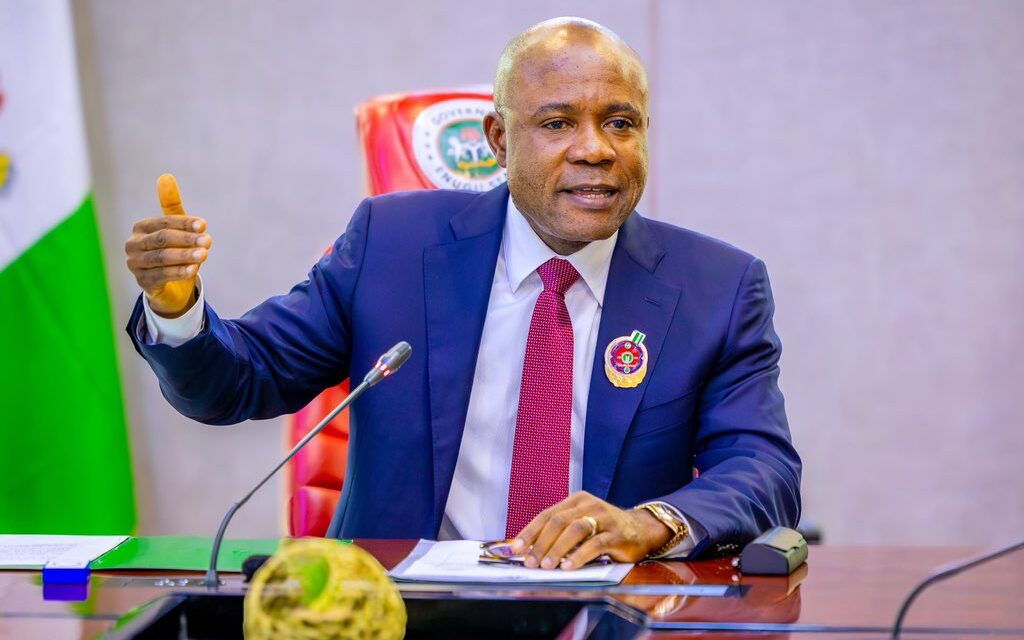
Enugu State Governor, Dr Peter Mbah, has reportedly relaxed the existingBREAKING: Mbah Extends Enugu Curfew to 10pm, Stops Ticketing of Keke Riders 9pm curfew in the state, extending the permitted movement time to 10pm for motorists and other road users.
The governor also directed an end to the ticketing of commercial tricycle operators, popularly known as keke riders, under the previous enforcement arrangement.
Mbah announced the decisions on Saturday, October 17, 2026, during the #OneMillionManMarch organised by the Tricycle Riders Union in Enugu.
The rally also witnessed the endorsement of Governor Mbah and President Bola Ahmed Tinubu by members of the union.
The latest directives are expected to ease movement restrictions, provide additional operating hours for commercial transporters and allow residents more time to conduct their legitimate businesses.
More details shortly…
News
Suspended Archbishop Ibezim Drags Primate Ndukuba, Anglican Church to Court, Challenges Six-Month Suspension
By Okey Maduforo, Awka
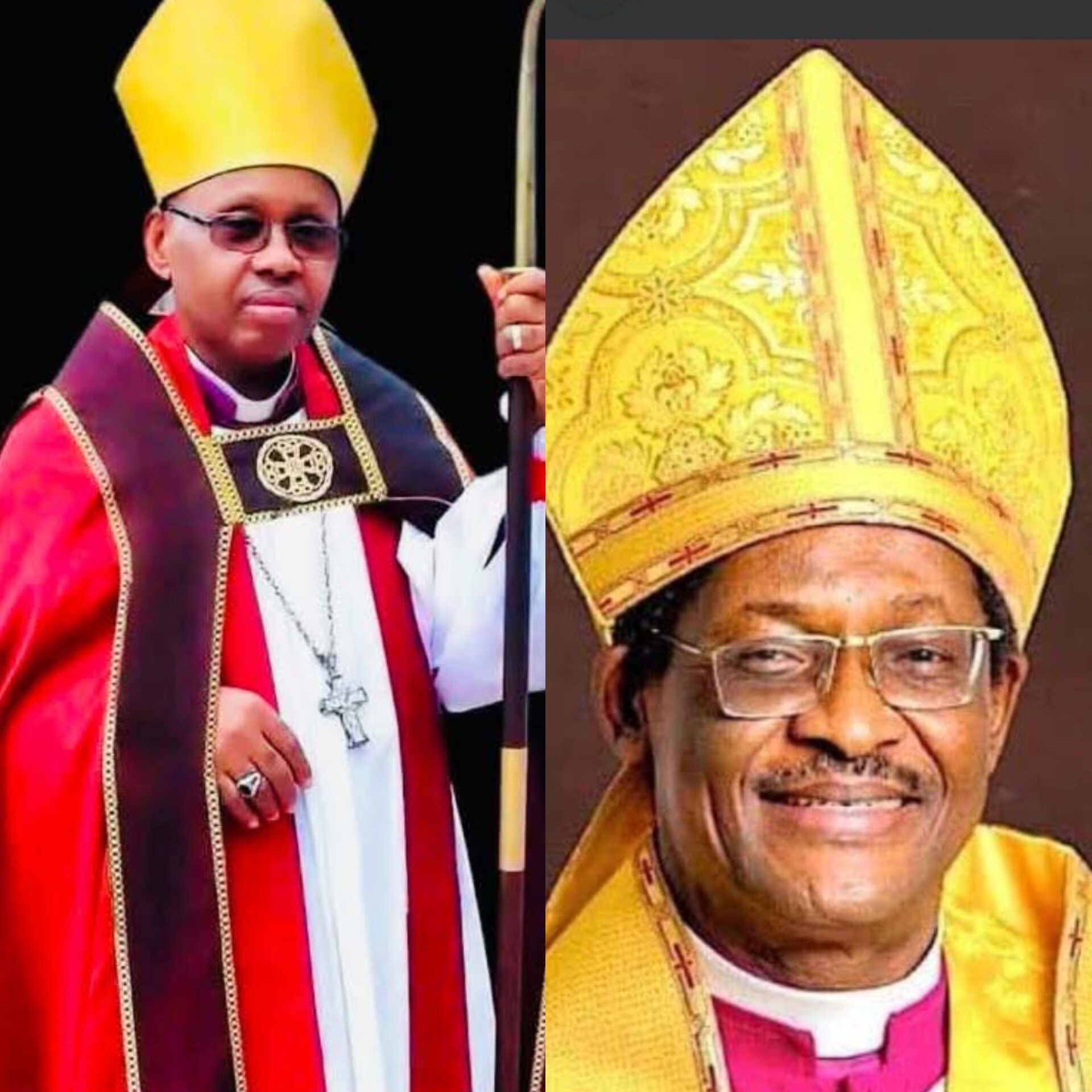
The controversy surrounding the alleged sale of Anglican Church land in Awka, which culminated in the six-month suspension of Archbishop Alexander Chibuzo Ibezim, has taken a fresh dimension as the embattled cleric has approached the Anambra State High Court to challenge the actions of the church leadership.
Ibezim, the suspended Archbishop of the Province of the Niger and Bishop of the Diocese of Awka, Anglican Communion, is seeking judicial intervention against the Primate of the Church of Nigeria (Anglican Communion), Most Rev. Henry C. Ndukuba, and the Dean of the Church, Most Rev. Blessing Enyindah.
In suit No. A/371/2026, filed through an originating summons and a motion on notice, Ibezim is challenging the procedure allegedly adopted by the church leadership in handling disciplinary proceedings against him.
At the centre of the dispute is the legality of a visitation team constituted by Primate Ndukuba through a letter dated June 17, 2026, with Enyindah appointed as its chairman.
In his originating summons, Ibezim is asking the court to determine whether the disciplinary procedures applicable to a serving diocesan bishop are governed by Sections 55, 75(1)–(5) and 76(1)–(5), alongside Sections 22, 24, 25, 26, 27 and 28 of Canon XVI of the Constitution and Canons of the Church of Nigeria.
The suspended archbishop is also seeking a declaration on the appropriate constitutional and canonical provisions governing disciplinary proceedings against a serving bishop.
In a separate motion on notice, brought pursuant to relevant provisions of the Anambra State High Court (Civil Procedure) Rules, 2019, and Section 6(6)(a) of the 1999 Constitution of Nigeria, as amended, Ibezim is seeking an interlocutory injunction restraining the defendants from taking further disciplinary action against him.
Specifically, he wants the court to restrain Ndukuba and Enyindah, whether personally or through any organ, committee or subordinate official of the Church, from issuing, signing, serving or delivering any letter suspending, removing, retiring or dismissing him from his offices as Archbishop of the Province of the Niger and Bishop of the Diocese of Awka.
The proposed restraining order also extends to other church officials, bishops, clergy, workers, agents and representatives acting on behalf of the defendants.
The application seeks to preserve Ibezim’s position pending the determination of the substantive issues raised in the suit.
Court documents identify Ibezim as the plaintiff/applicant, while Ndukuba and Enyindah are listed as the first and second defendants/respondents, respectively.
The legal battle brings before the court questions surrounding the interpretation and application of the Church of Nigeria’s Constitution and Canons, particularly the powers and procedures governing disciplinary action against a serving diocesan bishop.

-

 Politics2 days ago
UNPOPULAR? Abati Seeks Confirmation of Ebonyi Gov’s Name During Interview With Anyichuks
-
 News5 days ago
Mbah Calls for Impartial Probe into Violence at Political Gathering in Enugu
-
 Politics3 days ago
Ebonyi Students Endorse ANYICHUKS, Declare ‘We Won’t Support a Failure’
-

 Crime5 days ago
Enugu Police Investigate Viral Video of Alleged Torture of 60-Year-Old Woman in Nkanu East
-
 News2 days ago
2027: APC, APGA Rift Deepens Over Support for Tinubu’s Re-election
-

 Politics3 days ago
Tinubu Inaugurates APC Presidential Campaign Council, Vows to Renew Covenant With Nigerians in 2027
-
 Politics3 days ago
I will be busy fixing Nigeria, will not attend all campaigns- Tinubu
-
 Politics3 days ago
2027: Kwashy and Friends For Peter Mbah Vows Landslide Victory for All APC Candidates