



News
Police declare 24-hour curfew as tribunal sacks Kano gov

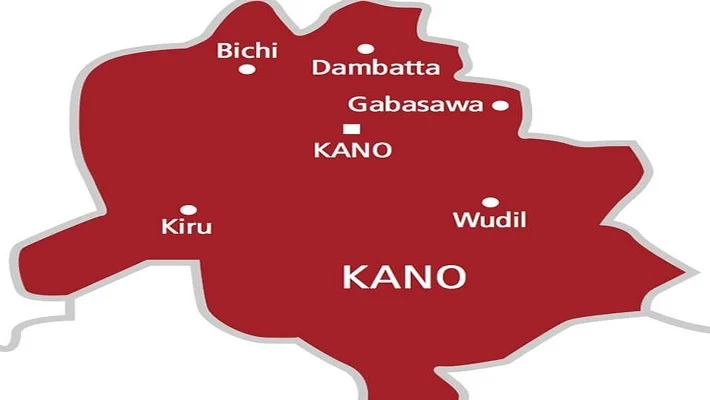

The Kano State government on Wednesday declared a 24-hour curfew in the state to avoid a breakdown of law and order following the sacking of Governor Abba Kabir Yusuf of the New Nigerian People’s Party by the state’s Governorship Election Petitions Tribunal.
Security was beefed up across the Kano metropolis on Wednesday shortly after the ruling of the three-man election tribunal led by Justice Oluyemi Akintan-Osadebay declared the candidate of the All Progressives Congress, Nasir Gawuna, as the winner of the March 2023 governorship election held in the state.
The state Commissioner of Police, Mohammed Gumel, who confirmed the curfew order in a statement, said the restriction took effect from 6 pm on Wednesday to 6 pm on Thursday (today).
Gumel vowed to ensure strict compliance with the order, warning that defaulters would be arrested and made to face the wrath of the law.
He said, “A 24-hour curfew order has been communicated by the state government via letter with reference no: K/SEC/H/435/T.1/153 dated 20th September 2023 taking effect from 6pm of Wednesday, 20th September to 6pm of Thursday, 21st September 2023.

“In view of the constitutional mandate of the Nigeria Police Force alongside the relevant internal security and law enforcement agencies to preserve law and order in the state, the Kano State Police Command has mapped out strategies in that direction and called on the good people of the state to give the necessary confidence and support.
“Going forward, Kano State residents are called upon to note that combined security forces have already been dispatched to the nooks and crannies including the entry and exits of the state to ensure enforcement and strict compliance of the curfew. Violators will be arrested and made to face the full wrath of the law.’’
“Finally, I wish to appreciate all the peace-loving people of the state and urge them to remain law-abiding as it’s in the best interest of all that we come together to maintain law and order in the state,” Gumel added.
Before the curfew was imposed, apprehensive traders had hurriedly locked up their shops across the major markets and shopping plazas as residents rushed home after the tribunal invalidated Yusuf’s election as Kano State governor.
The court ordered the withdrawal of the certificate of return from Yusuf and directed that a new one should be issued to Gawuna.
The panel had commenced proceedings via Zoom, transmitting the proceedings at the Miller Road venue of the tribunal.
The judgment came weeks after the lawyers of both parties made their closing arguments on behalf of their clients on August 21.
The court ruled that 165,663 votes of the governor were invalid.
According to the judge, the ballot papers for the 165,663 votes were not signed and stamped, therefore, they were invalid.
The Independent National Electoral Commission had declared that the NNPP polled 1,019,602 votes to defeat the APC whose candidate scored 890,705 votes. The NNPP candidate thus won with a margin of 128,897 votes.
However, the APC filed a petition at the tribunal to challenge the results declared by the electoral body.
In its verdict, the tribunal also said the issue of sponsorship and party membership is an internal affair of the party.
Reacting to the judgment, the acting National Chairman of the NNPP, Abba Ali, said it was a replayed script of the 2019 governorship election in which the tribunal allegedly upturned the people’s mandate and awarded it to the loser.
While appealing to millions of its supporters in the state and across the country to remain calm and maintain the peace, the party vowed that the alleged lopsided judgment would not stand.
Ali said, “The New Nigeria People’s Party receives with utter incredulity and disbelief the judgment of the Kano State Election Petition Tribunal on the March 18, 2023 governorship election.
“The NNPP recalls with regret that this tribunal has simply replayed the unholy script of 2019 by overturning the will of the people and awarding election results to those who lost the election.
“The reported judgment nullified the free, credible, and globally acclaimed fair election of our governorship candidate, Engr Abba Kabir Yusuf brazenly awarded the election to the APC candidate, Nasiru Gawuna.’’
It alleged that the tribunal arrived at its judgment by deducting unfairly the votes of Yusuf by 165,663 and awarding it to the APC candidate, describing the judgment as laughable and a miscarriage of justice.
‘’The decision of the tribunal is a slap on the face of Constitutionalism and the rule of law and is capable of further discouraging the electorate from having confidence in the judiciary. The NNPP will appeal this most unfair judgment,” the party stated.
The counsel to the NNPP, Bashir Wada, said his clients would appeal against the judgment of the tribunal.
He stated, “The tribunal has delivered its own judgment, we are going to consult our clients and I can assure you that we are going to appeal against this judgment because it is a judgment which we felt does not manifest the justice of the matter and I can assure this decision will be set aside on appeal.
‘’It is not a new thing if you look at the decision that has been taken by the tribunal in Osun state, it is almost the same as this one that the tribunal without evidence can go and look at the document that was tendered before it. I can assure you this judgment will not see the light of the day in the Court of Appeal, by God’s grace.”
The Spokesperson for the NNPP Presidential Campaign Council, Ladipo Johnson, also said the party would appeal the verdict.
He said, “I have not seen the judgment but all I can say is that we are going to appeal it naturally.”
The spokesperson for the Agbor Major-led faction of the party, Abdulrazaq Abdulsalam, regretted the judgment, noting that the party still has other legal options it could explore to recover the mandate.
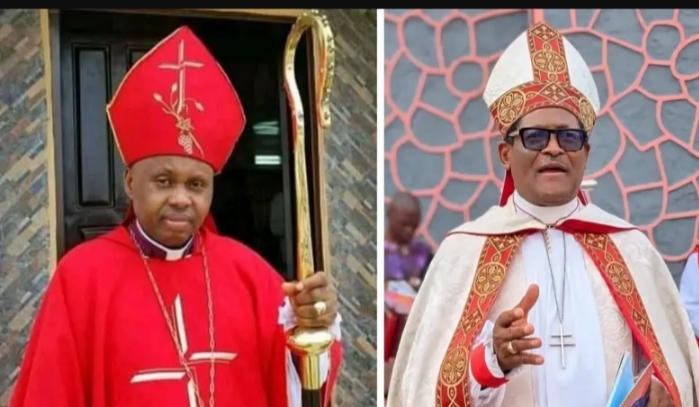
Diocesan Board Rejects Primate’s Directive, Threatens Withdrawal from Church of Nigeria
By Okey Maduforo, Awka
A major crisis is brewing in the Anglican Diocese of Awka following a threat by its Diocesan Board to withdraw from the Church of Nigeria (Anglican Communion) over the six-month compulsory leave imposed on Archbishop Alexander Chibuzo Ibezim by the Primate, Most Rev. Henry Ndukuba.
The development marks a fresh escalation of the face-off between the two senior clerics over allegations surrounding the sale of church land and other administrative matters in the Diocese.
Recall that Primate Ndukuba had, in a letter dated October 13, 2026, directed Archbishop Ibezim to proceed on six months’ compulsory leave to allow for an impartial investigation into the affairs of the Diocese.
The directive prompted Ibezim to institute legal action at the Anambra State High Court, challenging both the Primate’s decision and the constitution of the panel investigating the allegations against him.
However, rising from an emergency meeting, the Awka Diocesan Board rejected the directive in its entirety, warning that continued interference in the affairs of the Diocese could force it to sever ties with the Church of Nigeria.
In a resolution signed by the Lord Chancellor of the Diocese, Sir B.E.I. Nwafor, SAN; the Synod Secretary, Ven. K.E.N. Chukwukamma, PhD; and Mr Eugene Chukwudi Okonkwo, the Board insisted that Archbishop Ibezim remained the legitimate Bishop of Awka and Archbishop of the Province of the Niger.
“The Board emphatically rejects in its entirety the said letter. More specifically, the Board rejects the directive to His Grace, The Most Revd Alexander C. Ibezim, PhD, Archbishop, Province of the Niger and Bishop, Diocese of Awka, to proceed on six months compulsory leave,” the resolution stated.
Board Rejects Appointment of Supervising Bishop
The Board also rejected the appointment of the Bishop of Aguata Diocese, Rt. Rev. Samuel C. Ezeofor, as Supervising Bishop of Awka Diocese and Coordinating Bishop of the Province of the Niger.
It argued that the appointment disregarded pending litigations involving Archbishop Ibezim, including Suit No. A/Misc. 446/2025 against the Economic and Financial Crimes Commission (EFCC), filed on September 4, 2025, and Suit No. A/Misc. 494/2026 against the Inspector General of Police and others, filed on October 2, 2026.
It further cited Suit No. A/371/2026, instituted by Archbishop Ibezim against Primate Ndukuba and another party on October 13, 2026.
According to the Board, the cases remain pending before the Anambra State High Court, making it inappropriate for the Church leadership to take actions capable of prejudicing their determination.
It maintained that both the Primate and Bishop Ezeofor were aware of the pending suits and should refrain from interfering with their subject matter.
The Board also referred to subsisting injunctive orders reportedly issued by the High Court on September 9, 2025, and renewed by consent of the parties on October 14, 2025.
It further disclosed that a pending motion in Suit No. A/371/2026 seeks to restrain the Primate from issuing any suspension letter or taking steps capable of truncating Ibezim’s tenure as Archbishop and Bishop of Awka.
“The Primate and Rt. Revd Ezeofor are fully aware that no one is above the law irrespective of his or her position or status, and ought to be law-abiding and respect the court where the allegations against Archbishop Ibezim are pending for determination,” the Board stated.
Primate Lacks Constitutional Powers, Board Insists
The Diocesan Board further contended that neither the Constitution and Canons of the Church of Nigeria (Anglican Communion) 2020 nor the Constitution and Regulations of Awka Diocese 2023 empowers the Primate to compel a serving Archbishop to embark on compulsory leave.
It specifically disputed the application of Section 29(1) of the Church’s Constitution, cited in the Primate’s October 13 letter, arguing that the provision does not authorise the removal of a Bishop from active duties or the transfer of his episcopal responsibilities to another Bishop under such circumstances.
The Board described the decision as oppressive, vindictive and unjust, alleging that it violated Archbishop Ibezim’s constitutional rights under Sections 36(5) and 38(1) of the 1999 Constitution of the Federal Republic of Nigeria, as amended.
It maintained that Ibezim was entitled to the presumption of innocence and freedom of religion, including the right to participate in worship and other religious activities.
Board Questions Previous Investigative Panels
The Board also questioned the justification for another investigation, alleging that the Primate had previously constituted two separate panels to investigate allegations against Archbishop Ibezim.
According to the resolution, the first panel, headed by Justice Babashola Ogunade, was constituted on August 13, 2025, while the second, chaired by Archbishop Blessing Enyindah, was inaugurated through a letter dated June 17, 2026.
It alleged that both panels completed their assignments and submitted reports to the Primate, who had yet to release their findings.
The Board argued that withholding the reports violated Sections 75 and 76 of the Church’s Constitution and Canons, which provide procedures for submitting investigative findings to the Episcopal Synod and other appropriate Church organs for consideration and ratification.
It consequently dismissed the explanation that the compulsory leave was intended to facilitate an impartial inquiry and promote peace and reconciliation.
No Diocesan Funds Missing – Board
Expressing confidence in Archbishop Ibezim’s leadership, the Board maintained that no diocesan funds had been stolen, misappropriated or misused by him.
“The Board unequivocally affirms that no money of Awka Diocese is missing, stolen, misused, or misappropriated by Archbishop Ibezim. Even the two panels set up by the Primate have not disclosed any indictment of financial misdeed by Archbishop Ibezim,” it declared.
It reaffirmed its confidence in the Archbishop’s integrity, competence and commitment to his episcopal responsibilities, insisting that he should continue to discharge his duties without interference.
Diocese Warns Bishop Ezeofor, Threatens Breakaway
In a strongly worded warning, the Board urged Bishop Ezeofor to concentrate on his responsibilities in Aguata Diocese and refrain from interfering in the administration of Awka Diocese.
It warned that any attempt to enforce the disputed appointment could attract legal action and the involvement of law enforcement agencies.
The Board equally directed all organs of Awka Diocese to remain loyal to Archbishop Ibezim, continue their lawful activities and disregard directives from Bishop Ezeofor.
It warned that failure to comply with the resolution would attract appropriate sanctions.
In its most far-reaching declaration, the Board threatened to withdraw from the Church of Nigeria if the Primate and Bishop Ezeofor continued what it described as unlawful interference in the affairs of Awka Diocese.
“The Board emphatically states that if the Primate and Bishop Ezeofor continue threatening the peace of Awka Diocese and its Archbishop and Bishop and unlawfully interfere with its affairs, it shall withdraw from the Church of Nigeria and continue with Church of England which never disturbed the Diocese,” the resolution concluded.
The development raises the prospect of a major ecclesiastical confrontation within the Anglican Communion, as the dispute between the Primate and Archbishop Ibezim moves beyond the courts to the wider leadership and membership of Awka Diocese.
The threatened withdrawal, however, remains a declaration of intent by the Diocesan Board, rather than a completed separation from the Church of Nigeria.
Trim repetitive legal arguments
Use more legally cautious wording
Clarify the timeline of the dispute
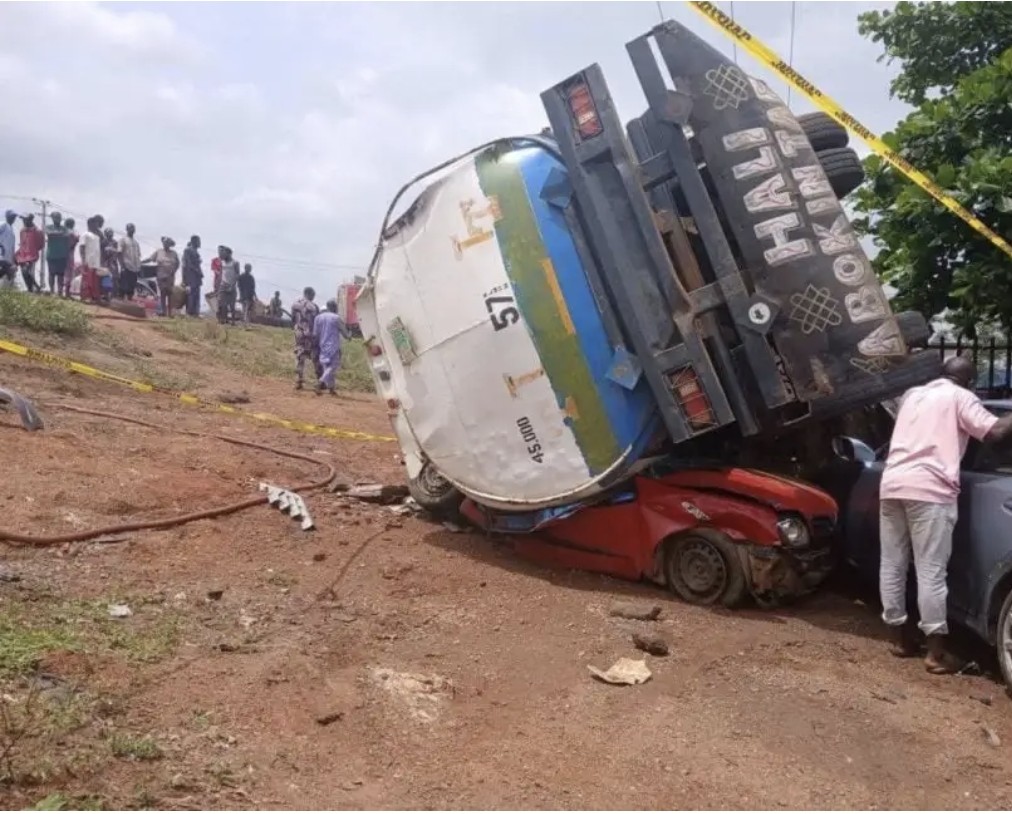
At least five persons have been confirmed dead, while several others were trapped following a fatal accident involving a fully loaded diesel tanker and four commercial vehicles in Ibadan, the Oyo State capital, on Saturday.
The accident occurred at Aduloju Bus Stop, opposite Dominion City, along the busy Iwo Road–Ojoo Expressway.
Eyewitnesses said the tanker, reportedly travelling at high speed, lost control and rammed into four Nissan Micra cars conveying passengers, leaving the vehicles badly mangled.
The impact reportedly trapped several occupants inside the wreckage, prompting desperate rescue efforts by sympathisers and emergency responders.
News
Enugu Youths Give Forest Guard Commander 72-Hour Ultimatum Over Alleged AK-47-Wielding Gunmen in Ugwuaji Forests
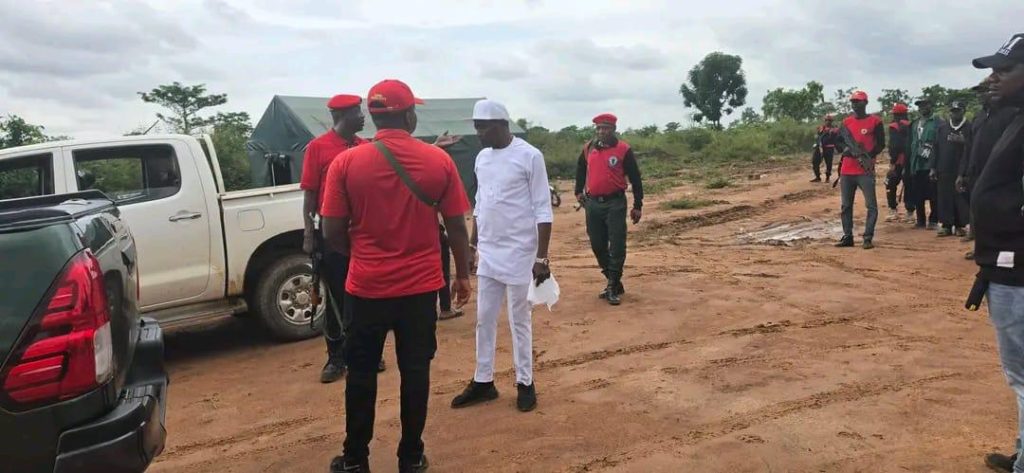
…….Threaten to Petition Olasoji, Ben Alukwu to NSA, Minister of Defence
Enugu youths under the aegis of Ugwuaji Youths for Peace have issued a 72-hour ultimatum to the Commander of the National Forest Guard in Enugu State, Dr. Akinbayo O. Olasoji, to explain the alleged presence of unknown gunmen wielding AK-47 rifles alongside his personnel in Ugwuaji forests. They also demanded explanations over his alleged repeated meetings in the forests with an NDC chieftain, Mr Ben Alukwu, whom they claimed was neither from Ugwuaji nor owned property in the area.
Reacting to a statement issued by the Public Relations Officer of the National Forest Guard, Enugu State Command, on October 17, 2026, the youths accused Olasoji of avoiding allegations of harassment, assault and involvement in land grabbing.
According to The counter-statement that was signed by Barr. Ogbodo Nwobodo on behalf of Ugwuaji Youths for Peace, it says“We have carefully read the press statement issued on 17 October 2026 by the National Forest Guard, Enugu State Command, in response to allegations of harassment, assault and involvement in land grabbing against the State Commander, Dr. Akinbayo O. Olasoji, and personnel under his command. We consider the statement an attempt to divert attention from the specific allegations raised against the Command. Rather than address the central issues, the Commander has chosen to recount previous security incidents and discuss the reasons for establishing a Forward Operating Base in the Ugwuaji–Obeagu forest area. While we recognise the need to protect residents against kidnapping and other criminal activities, security operations must not become an excuse for evading legitimate questions about the conduct of personnel.”
The youths demanded that Olasoji identify the individuals allegedly carrying AK-47 rifles alongside Forest Guard personnel in the Ugwuaji–Obeagu forest area and explain their official status, recruitment, training, authorisation and chain of command. They questioned the authority under which the individuals carried the weapons and demanded relevant deployment records and arms authorisations. The group also challenged the Commander to explain his alleged repeated presence in the forests with Mr. Alukwu, asking whether the NDC chieftain was a recognised security chief, an appointed Forest Guard officer or a member of another security agency authorised to participate in the operations. They insisted that the purpose of the alleged meetings, the identities of the participants and the official records supporting their presence should be disclosed.
“Dr. Olasoji must explain why unknown individuals alleged to be operating alongside his personnel in our forests are carrying AK-47 rifles. Who are these individuals? Are they duly recruited, trained and authorised members of the National Forest Guard? Under whose authority are they carrying such weapons, and where are their deployment records and relevant arms authorisations? We also challenge Dr. Olasoji to explain his alleged repeated presence in the forests with one Ben Alukwu. What official capacity does Alukwu occupy in these operations? Is Ben Alukwu, who is known to us as a member of the Nigeria Democratic Congress (NDC), a recognised security chief, a duly appointed Forest Guard officer or a member of any security agency authorised to participate in such deployments? If he holds an official position, the Commander should state it clearly and provide the basis for his involvement. If these encounters are legitimate security operations, there should be no difficulty in explaining who participated, the purpose of the visits, the authority under which they took place and the official records supporting them.”
The youths faulted the Commander for citing previous kidnapping incidents and an alleged attack on Forest Guard personnel without directly answering the allegations concerning the armed individuals and Alukwu’s alleged presence in the forests. They maintained that previous security threats which were lies ,still ,could not automatically justify every subsequent action by personnel and insisted that each statement made against the Command should be investigated on its own merits.
The group argued that residents and investors were entitled to question the activities of armed individuals in their environment and challenged Olasoji to refute any false allegations with verifiable evidence, identify authorised personnel through official channels and explain why unauthorised individuals were allegedly operating alongside his men.
“We find it troubling that the Commander’s statement discusses sugarcoated historical kidnapping incidents and an alleged attack on Forest Guard personnel but fails to provide direct answers to the concerns about AK-47-wielding individuals and Ben Alukwu’s alleged presence in the forests. Previous non existent security threats cannot automatically justify every subsequent action by forest Guard personnels. Each averment made against Enugu forest guard must be investigated on its own merits. Dr. Olasoji must understand that Ugwuaji residents and investors are entitled to ask questions about the activities of armed individuals operating in their environment. Demanding accountability is not an attack on security institutions, nor is it an attempt to undermine the fight against kidnapping as he alleged. We therefore challenge the Commander to explain why he would issue a lengthy statement that avoids the central questions instead of providing verifiable facts. If the allegations are false, he should refute them with evidence. If the individuals involved are authorised personnel, he should identify them through the appropriate official channels. If they are not, he must explain why they are operating alongside his men.”
The group gave Olasoji 72 hours from receipt of its statement to publicly address five issues: the identity, official status and authorisation of the alleged AK-47-wielding individuals; the legality of their deployment and arms authorisations; Alukwu’s identity, official capacity and role during the alleged forest meetings; whether he held any recognised appointment or authorisation within the National Forest Guard or another security agency; and the purpose of the alleged joint visits, including the official records establishing their legitimacy.
The youths also demanded clear and verifiable answers rather than another general statement about kidnapping, forest security or the establishment of a Forward Operating Base. They warned that failure to respond within the stipulated period would lead to a formal petition, accompanied by available supporting evidence, to the Office of the National Security Adviser (NSA), the Minister of Defence and other appropriate security and investigative authorities.
“Consequently, we hereby give Dr. Akinbayo O. Olasoji, the State Commander of the National Forest Guard, Enugu State Command, a 72-hour ultimatum from the receipt of this statement to publicly address the following: the identity, official status and authorisation of the individuals alleged to be carrying AK-47 rifles alongside Forest Guard personnel in the Ugwuaji–Obeagu forest area; the authority under which these individuals carry such weapons and whether their deployment and arms authorisations comply with the law; the identity, official capacity and specific role of Ben Alukwu during his alleged repeated presence with the Commander in the forests; whether Ben Alukwu holds any recognised appointment or authorisation within the National Forest Guard or any other security agency that permits him to participate in these operations; and the purpose of these alleged joint visits and the official records establishing their legitimacy. We expect clear, specific and verifiable answers, not another general statement about kidnapping, forest security or the establishment of a Forward Operating Base. Failure to address these questions within the stipulated period will compel us to submit a formal petition, together with any available supporting evidence, to the appropriate security authorities and other relevant investigative institutions for an independent investigation. We will also consider other lawful avenues for ensuring accountability and the protection of residents and investors.”
The youths reiterated their support for lawful security operations against kidnapping and other criminal activities but insisted that no security institution or public official should be exempt from scrutiny. They said they had prepared documents and evidence to be forwarded to the Office of the National Security Adviser and the Minister of Defence concerning the allegations against Olasoji and Alukwu.
The group maintained that the same accountability expected of residents should apply to security personnel and called for a thorough examination of the allegations, stressing that their demands were aimed at obtaining explanations and protecting residents and investors rather than undermining legitimate security operations.
“For the avoidance of doubt, we support every lawful effort to combat kidnapping and protect lives and property. However, no security institution or public official is above scrutiny. The same standards of accountability expected of residents must apply to those entrusted with public security. Ugwuaji is not a lawless territory, and its forests must not become places where armed individuals operate without transparent identification, lawful authority and accountability. We have put in place all the necessary documents and evidence that will be forwarded to the Office of the National Security Adviser (NSA) and Minister of Defence against Dr. Olasoji and Mr Ben Alukwu. We demand answers, not diversion. We demand accountability, not intimidation.”
News
Enugwu Agidi Election: Ebuka Onuorah Returns as President-General as 574 Votes Are Declared Valid

Hon. Ebuka Onuorah will continue as President-General of Enugwu Agidi following his re-election in the town union poll conducted on Saturday, October 17, 2026.
The election, organised by the Enugwu-Agidi Brotherly Union (EBU) Electoral Commission, was held at the EBU Secretariat in Enugwu-Agidi, Anambra State, after the exercise was earlier rescheduled.
The official result sheet recorded a total of 586 votes cast, out of which 574 were declared valid, while 12 votes were rejected.
Onuorah’s victory secures him a second term at the helm of the Enugwu Agidi Town Union, positioning him to continue overseeing the union’s activities and representing the interests of the community.
The election also featured contests for other key positions, including Vice President-General, Secretary-General, Assistant Secretary-General, Treasurer, Financial Secretary, Publicity Secretary, Chief Welfare Officer, Legal Adviser, Auditor-General and the various provost positions.
Barrister Anthony Chuka Nwogbo served as Chairman of the Electoral Commission, which supervised the voting process.
With the election concluded, attention now turns to the next phase of the town union’s administration and the responsibilities facing its leadership.
Onuorah’s second term offers an opportunity to sustain ongoing initiatives, strengthen cooperation among community members and address issues affecting the development and welfare of Enugwu Agidi.
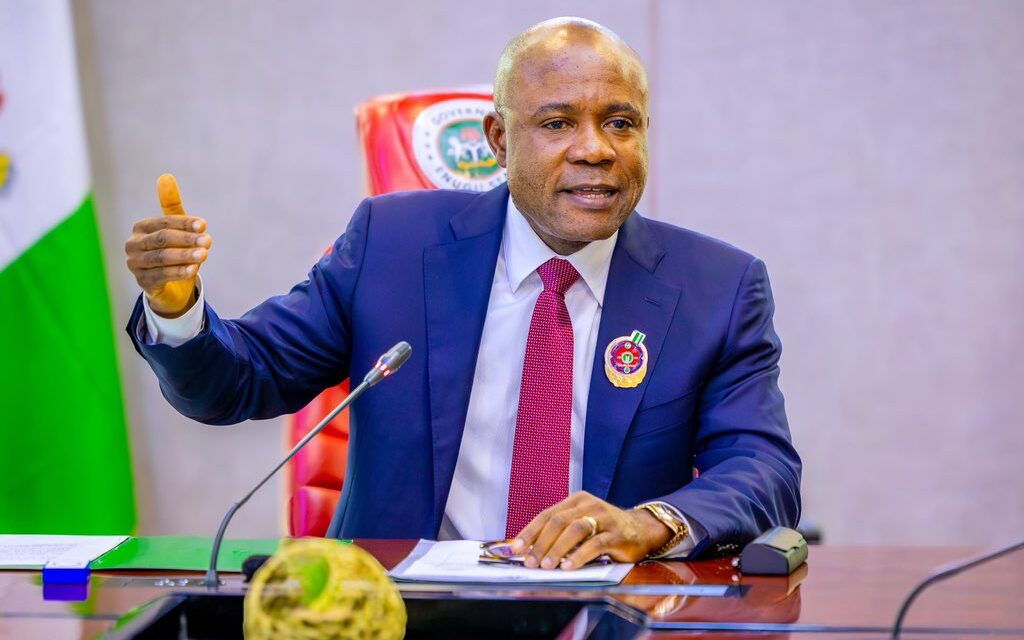
Enugu State Governor, Dr Peter Mbah, has reportedly relaxed the existingBREAKING: Mbah Extends Enugu Curfew to 10pm, Stops Ticketing of Keke Riders 9pm curfew in the state, extending the permitted movement time to 10pm for motorists and other road users.
The governor also directed an end to the ticketing of commercial tricycle operators, popularly known as keke riders, under the previous enforcement arrangement.
Mbah announced the decisions on Saturday, October 17, 2026, during the #OneMillionManMarch organised by the Tricycle Riders Union in Enugu.
The rally also witnessed the endorsement of Governor Mbah and President Bola Ahmed Tinubu by members of the union.
The latest directives are expected to ease movement restrictions, provide additional operating hours for commercial transporters and allow residents more time to conduct their legitimate businesses.
More details shortly…

-
 Politics4 days ago
UNPOPULAR? Abati Seeks Confirmation of Ebonyi Gov’s Name During Interview With Anyichuks
-
 Politics5 days ago
Ebonyi Students Endorse ANYICHUKS, Declare ‘We Won’t Support a Failure’
-
 Politics4 days ago
Tinubu Inaugurates APC Presidential Campaign Council, Vows to Renew Covenant With Nigerians in 2027
-
 News4 days ago
2027: APC, APGA Rift Deepens Over Support for Tinubu’s Re-election
-

 News4 days ago
NCDMB Tasks Anambra Journalists on Local Content Advocacy, Accountability in Oil and Gas Sector
-
 Politics5 days ago
2027: Kwashy and Friends For Peter Mbah Vows Landslide Victory for All APC Candidates
-
 News3 days ago
FG Reopens First Niger Bridge After 38 Days of Rehabilitation, Umahi Rallies Support for Tinubu’s Re-election
-
 Politics4 days ago
I will be busy fixing Nigeria, will not attend all campaigns- Tinubu