



Entertainment
Kizz Daniel’s Two New Singles – ‘Marhaba’ & ‘We Must’ Out Now

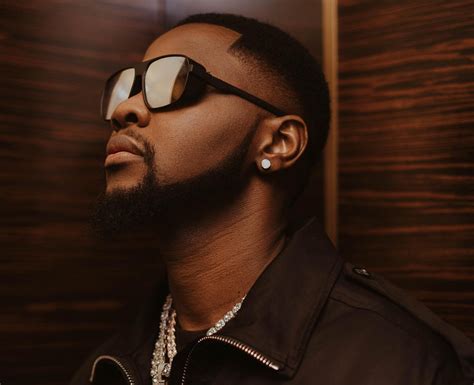

Afrobeats sensation, Kizz Daniel continues to celebrate a decade of musical excellence with the release of two highly anticipated singles, ‘Marhaba’ and ‘We Must’. These new tracks are part of the ongoing festivities surrounding his ‘Vado At 10’ anniversary, commemorating ten years of groundbreaking hits, global recognition, and unwavering fan support.
‘Marhaba’, produced by the gifted dyad, Ramii and Suhel Nafar, combines Kizz Daniel’s signature sound with fresh, innovative beats, blending Afrobeats with Northern African traditional music influences. The track promises to resonate with fans both at home and globally, adding another layer to his rich musical portfolio. The Arabic word ‘Marhaba,’ which translates to ‘Welcome/hello’ in English, is one of the most widely used expressions in Northern Africa and the Middle East. It deeply resonated with Kizz Daniel during his short but memorable time there and served as a major influence in the creation of the song. This not only showcases Kizz Daniel’s ability to create music that cuts across several continents and cultures, but also highlights his unique talent in uniting diverse audiences. By weaving global influences into his sound, Kizz Daniel continues to elevate Afrobeats on the world stage, bridging the gap between nations through the universal language of music.
Meanwhile, ‘We Must’, produced by the acclaimed Ayzed, known for his successful collaborations with Kizz Daniel and prolific Nigerian producer Blaisebeats, is a song sure on its way to become a household anthem that speaks to resilience and determination. The song’s rhythmic energy and inspiring lyrics make it a standout moment in Kizz Daniel’s anniversary celebrations, capturing the essence of his decade-long journey in the music industry. Originally envisioning a collaboration with a top UK rapper to infuse a gritty grime vibe into the track, delays in receiving the verse led him to take matters into his own hands. Rather than waiting, Kizz Daniel decided to step into the grime genre himself, delivering the verse and turning the song into a solo effort.
This bold move inspired the track’s unique credit: ‘We Must’ – Kizz Daniel featuring Thyself. It highlights his versatility and determination to push creative boundaries while staying true to his vision.
These new releases further solidify Kizz Daniel as one of Afrobeats’ most influential artists, adding depth to his already celebrated catalog. Both tracks showcase his versatility and ability to evolve while staying true to his signature sound. With ‘Marhaba’ and ‘We Must’, Kizz Daniel not only delivers hit-worthy singles but also redefines his legacy, proving his consistency and adaptability over the last decade.

As he continues to release groundbreaking music, these songs stand as a testament to his artistic growth and enduring relevance in the global music scene. With each release, Kizz Daniel sets a new standard in Afrobeats, inspiring both his peers and upcoming artists alike.
See links: https://music.empi.re/marhaba
Since bursting onto the scene with his cult-classic debut single ‘Woju’ in 2014, Kizz Daniel has continued to lead from the front when it comes to afrobeats music. His debut album New Era was The Headies ‘Album of the Year’ in 2016, while he was nominated for The Future Awards Africa the following year. Driven by the massive hit track ‘Nesesari’, Kizz Daniel’s 2018 sophomore album No Bad Songz topped the iTunes World Album Chart on its first day of release. Since 2020, the Nigerian sensation has released four critically acclaimed projects, King Of Love, Barnabas, Maverick, and TZA, birthing essential afropop tracks like ‘Boys Are Bad’, ‘Lie’, ‘Rich Till I Die’, and ‘Twe Twe’.
With over four billion streams under his belt, two Shazam chart-topping singles, sold-out tours across Africa, North America, and Europe, and over 25 million social media fans, Kizz Daniel is one of the leading figures at the forefront of representing afrobeats on the world stage. The enigmatic musician is the epitome of an all-round entertainer with a magnetic tone, captivating lyrics, alluring stage and screen presence, and an undeniably infectious musicality, which are just some of the irrefutable characteristics of all his songs, cutting across afrobeats, pop and R&B music, from classic cut ‘Nesesari’ to chart-topper ‘Buga’ to fan-favourite ‘Cough (Odo)’, and everything in between.
After coming off of a very eventful 2022 that saw the global music sensation achieve huge milestones of being crowned the most streamed artist in Africa in the first half of the year, releasing the biggest afrobeats song of the summer with ‘Buga’, and performing at the 2022 World Cup opening ceremony with Diplo and Calvin Harris, 2023 shaped up to be an even bigger year for Kizz Daniel, with the success of his fourth studio album Maverick, his Essence Festival headline performance, and chart-topping collaboration with Becky G among his many highlights last tear. So far in 2024, Kizz Daniel has been celebrating a decade at the top of afrobeats music via his ‘Vado At 10’ world tour.
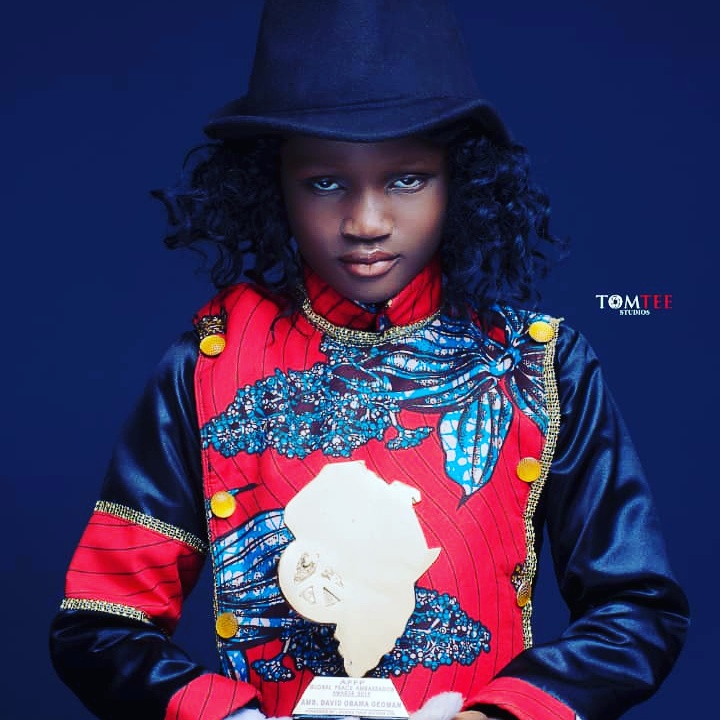
Amb. David Obama Onyekachi Christopher Geoman, popularly known as The Green Panther and Son Of Grace, is a Nigerian multi-talented entertainer, singer, songwriter, actor, beat maker, emerging music producer, humanitarian and youth advocate whose remarkable journey began at an unusually young age.
Born on 16 January 2010 through a Caesarean section at St. Gerald’s Catholic Hospital, Kaduna, David is the third child and first male child of High Chief Amb. Christopher Columbus Onukwugha Geoman and Lolo Stella Geoman. He hails from Ezuhunguru in Aboh Mbaise Local Government Area of Imo State, while his upbringing and formative years have been closely connected to Kaduna State in Northern Nigeria.
From his earliest years, David displayed an unusual interest in performance and creativity. His father noticed his talent when he was just three years old and encouraged him to nurture and develop his abilities. That early encouragement became an important foundation for what would eventually grow into a multifaceted career.
EARLY LIFE AND EDUCATION
David began his nursery and primary education at St. Anne’s Catholic Nursery and Primary School, Kaduna. After completing his primary education, he proceeded to St. Augustine Boarding College, Kujama. However, insecurity in the region eventually forced the school to shut down, prompting him to continue his secondary education at Demonstration Secondary School, Kaduna.
On 8 August 2026, David graduated from Demonstration Secondary School, Kaduna, where his talents earned him recognition as the Most Talented Graduating Student. He also made history as the school’s first prom king.
Following his secondary education, David began studying Theatre Arts at Veritas Catholic University, Abuja, where he is among the pioneer students of the institution’s Applied Arts Department.
FROM AFRICAN MICHAEL JACKSON TO THE GREEN PANTHER
David’s artistic journey began with one of the world’s greatest entertainers, Michael Jackson.
As a child, David was fascinated by Jackson’s music, dance and stage performances. He studied the legendary entertainer closely and began performing as a Michael Jackson impersonator. His remarkable performances earned him the nickname “African Michael Jackson.”
However, David’s ambition gradually moved beyond imitation.
As he matured, he began developing his own artistic identity. The young performer evolved from the African Michael Jackson into The Green Panther, and eventually embraced Son Of Grace as a broader personal and creative brand.
The transformation reflected a desire to build an identity rooted not only in entertainment but also in creativity, purpose, faith, humanitarian service and youth empowerment.
MUSIC WITH A MESSAGE
David’s transition from performing to songwriting and recording came at an exceptionally young age.
At just eight years old, he wrote and recorded “Heal Nigeria,” a song inspired by his observations of the challenges facing his country and his desire for peace and positive change.
The song became the title track of his first album, which also featured songs including “This Life,” “Orphans Cry,” “I Am Alive” and “Clearing My Head.”
For David, music is more than entertainment. It is a means of communicating ideas, expressing emotions and addressing issues affecting society.
One of the major milestones of his early musical career came when a song composed and performed by him was adopted as the Diaspora Anthem by the Nigerians in Diaspora Commission (NIDCOM).
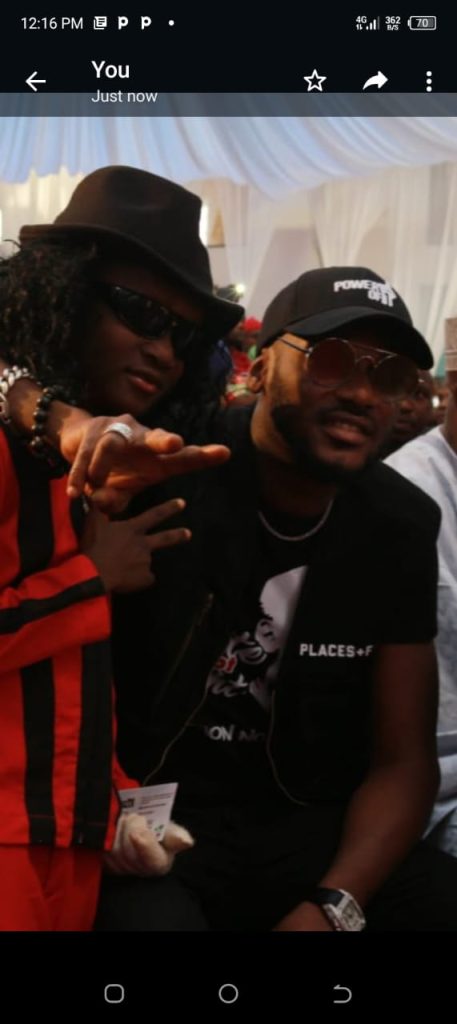
His performance journey has also brought him onto major platforms and alongside established names in Nigerian entertainment, including 2Baba (Tuface Idibia), Burna Boy, Di’ja, Small Doctor, Ibro, Zule Zoo, MC Tagwaye, Klint da Drunk, Ozzy Bosco, Gordons, Acapella, Rita Orji, Zack Orji, Chucks Mordi and Zeb Ejiro, among others.
He has also performed at major entertainment events, including One Lagos Fiesta and Panafest in Ghana, expanding his artistic exposure beyond Nigeria.
RECOGNITION AND AWARDS
David’s accomplishments extend beyond music and performance.
At the age of eight, he received a National Humanitarian Award. At nine, he was honoured with a Global Peace Ambassador Award and the Abuja Entertainment Stars Award.
At 10, he received recognition from the Africa Dance Academy, Nero Dance Academy and BEA, while also becoming an associate member of the Nigeria Union of Journalists, Kaduna State Chapter.
At 11, he became a brand ambassador for the Save Young Talent Foundation.
At 12, he was inducted into the 1,000 Nigerian Peace Ambassadors, while at 13, he was inducted into the Kaduna Political Awards Hall of Fame.
His subsequent recognitions include the Ohaneze Ndigbo Youths Award for Exceptional Talents, the Personality of the Year Award by the North Satisfied Awards, as well as brand ambassadorships involving NIDCOM, London Til Career Institute UK and Celina Celebrity Magazine.
These recognitions reflect the breadth of David’s activities across entertainment, humanitarian service, peace advocacy, journalism and youth development.
THE BIRTH OF SON OF GRACE
On 16 January 2026, David marked his 16th birthday by officially launching the Son Of Grace brand at his alma mater, St. Anne’s Nursery and Primary School, Kaduna.
The launch represented an important turning point in his journey as he sought to give his growing career a more defined identity and purpose.
The vision became even more concrete on 19 September 2026, when he unveiled the operational headquarters of the Son Of Grace platform in Kaduna.
The Son Of Grace brand embodies David’s desire to combine his artistic career with humanitarian service, youth empowerment and positive social impact.
Through the Son Of Grace Charity and Humanitarian Initiative, he seeks to contribute to the welfare and development of vulnerable members of society and use his growing platform to inspire young people.
BEYOND ENTERTAINMENT
David’s ambitions extend beyond music, acting and performance.
Together with his sisters, he is involved in The 3 Gees (Good Children Series), a talk-show podcast that focuses on issues affecting children and young people.
The platform addresses subjects such as drug abuse, kidnapping and other social challenges confronting the younger generation.
Through the project, David and his siblings aim to create conversations that educate, inspire and encourage young people to make positive choices.
His work demonstrates an ambition to use his voice not only through music but also through advocacy and public engagement.
THE HIGHER HIGHER CHAPTER
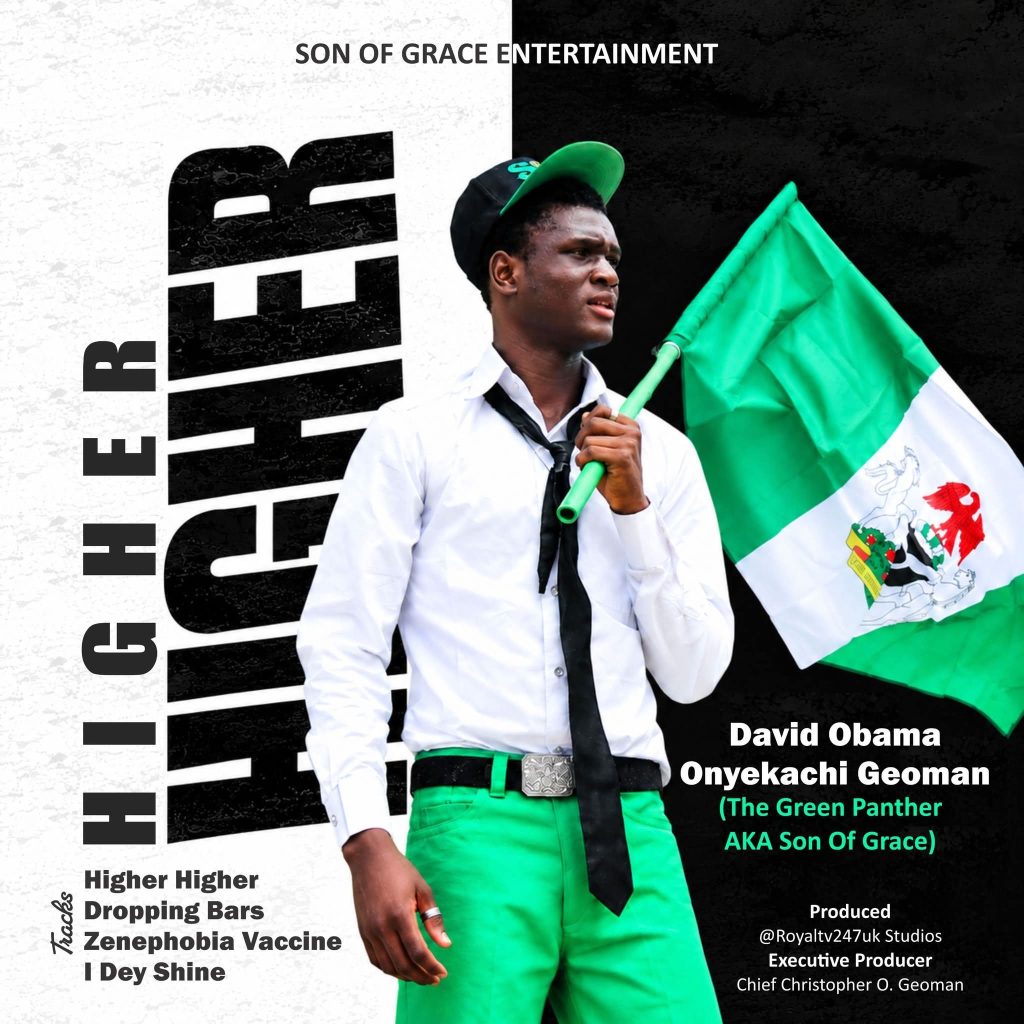
On 1 October 2026, coinciding with Nigeria’s Independence celebration, David released his latest album, “Higher Higher.”
The project represents another chapter in his evolution as an artiste and creative personality.
The album features tracks including “Dropping Bars,” “Midnight Rain (Anti-Xenophobia Vaccine)” and “I Dey Shine.”
Following its release, the album has attracted reviews, views and airplay in Nigeria and beyond, further increasing David’s visibility and strengthening his aspirations for an international career.
With Higher Higher, David is seeking to demonstrate that his artistic identity has moved beyond the early days of impersonation into a developing career built around his own music, message and creative direction.
FAMILY, HERITAGE AND INFLUENCE
David comes from a family with strong connections to creativity, enterprise, community service and leadership.
His father, High Chief Amb. Christopher Columbus Onukwugha Geoman, is a craftsman, community leader, entertainment personality and healthcare support worker associated with RoyalTv247 UK.
His late grandfather, Geoman Ekeji Ebereuche, is remembered by the family for his pioneering contributions to radio technology and broadcasting.
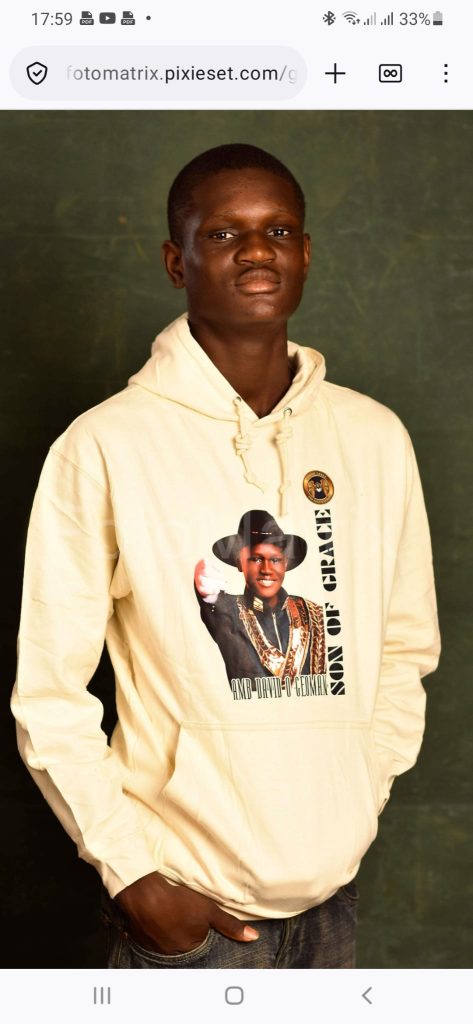
David also carries the Igbo chieftaincy title Afunwaechetanna, reflecting his connection to his cultural heritage and traditional identity.
These influences have contributed to the young creative’s understanding of culture, service, leadership and personal responsibility.
A LEGACY STILL IN THE MAKING
At 16, Amb. David Obama Onyekachi Christopher Geoman has already experienced a journey that spans entertainment, music, acting, songwriting, humanitarianism, youth advocacy, public speaking and brand development.
From the three-year-old child whose father discovered an unusual talent, to the young performer known as the African Michael Jackson, and from The Green Panther to Son Of Grace, David’s story has been one of continuous transformation.
His journey demonstrates the possibilities that can emerge when talent is identified early, supported consistently and combined with discipline and purpose.
Yet, despite his accomplishments, David considers himself only at the beginning of his journey.
His ambition is to become a global creative personality while using his influence and future resources to inspire young people, support humanitarian causes and contribute positively to society.
His philosophy is rooted in a simple message: difficult circumstances should not determine the future of a young person. Through talent, discipline, faith, perseverance and purpose, he believes that young people can overcome limitations and create better futures for themselves and their communities.
At 16, The Green Panther — Son Of Grace — is still writing his story.
And if the journey so far is any indication, the next chapter could be even bigger.
By Chinedu Adonu
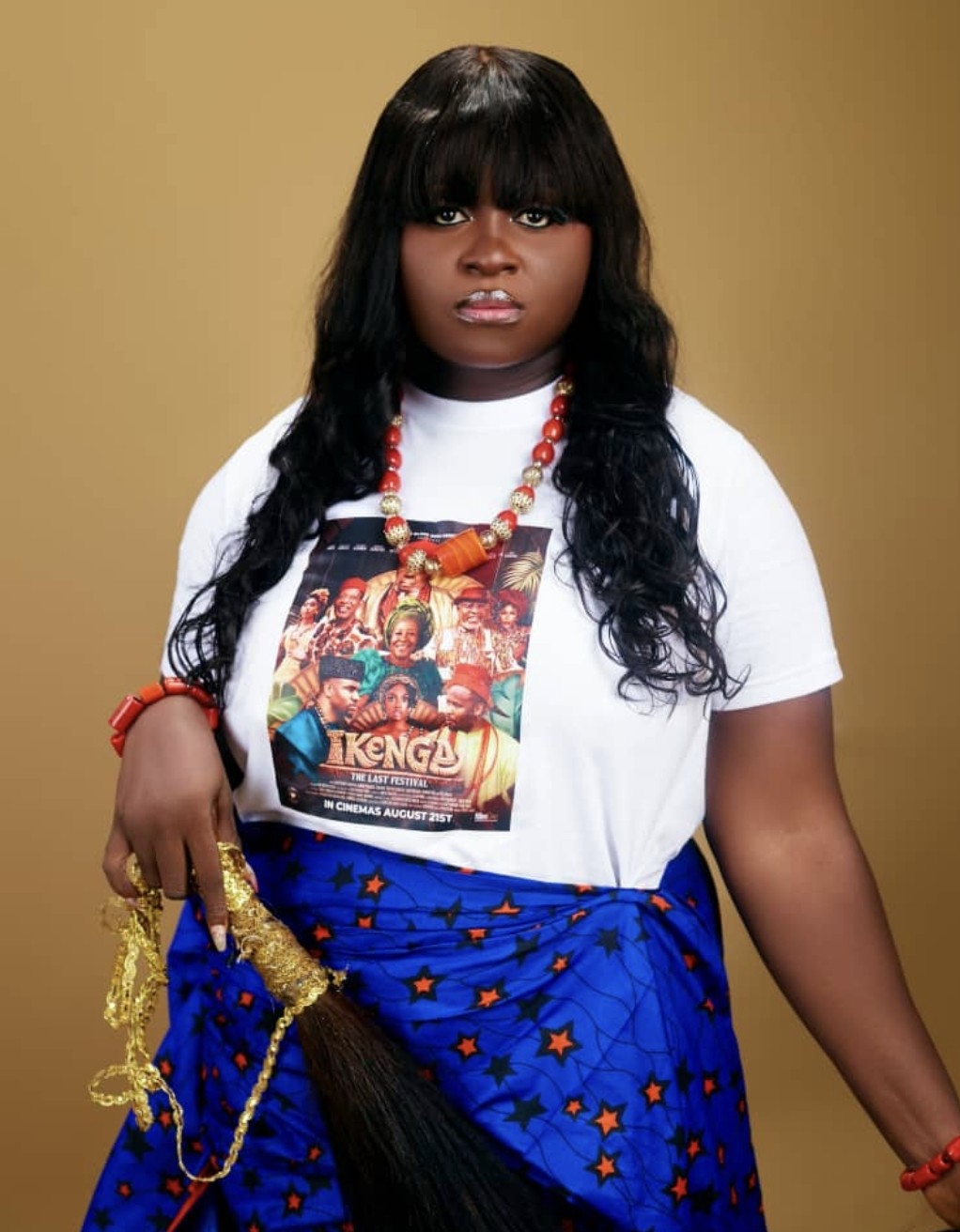
ENUGU — Nollywood movie, Ikenga: The Last Festival, has grossed more than N100 million in cinema revenue within one month of its release, its Executive Producer, Anita Odiakaose, has disclosed.
Odiakaose made the disclosure on Tuesday in Enugu at a media briefing organised to celebrate the film’s commercial success and highlight its role in promoting Igbo language, culture and heritage.
According to her, Ikenga opened in cinemas nationwide on August 21 and crossed the N100 million mark while still running in cinemas.
She said the movie was, as of Saturday, recognised as the highest-grossing Igbo film in West Africa, describing the feat as a major milestone for culturally driven Nigerian cinema.
Odiakaose said the movie was deliberately produced to promote Igbo identity, language, traditions and cultural heritage through entertainment.
She explained that the filmmakers blended fiction and non-fiction with an Igbo cultural festival and a love story to create a production capable of attracting both local and international audiences.
“About 90 per cent of the language in the movie is Igbo, with subtitles, while about 90 per cent of the cast and crew are Igbo,” she said.
The film features veteran and contemporary Nollywood actors, including Pete Edochie, Patience Ozokwor, Kanayo O. Kanayo, Zubby Michael, Jidekene, Beverly Osu and others.
The producer said the film’s performance had demonstrated that audiences were interested in stories that reflected their culture and identity.
She, however, expressed concern over the declining use of the Igbo language, noting that even she could not speak Igbo fluently despite being an Igbo woman.
Odiakaose challenged filmmakers to become more deliberate in promoting indigenous languages and cultural values through their productions.
She said, “We need to do more as filmmakers. We need to be deliberate about using Igbo names, Igbo language and Igbo cultural elements in our films.”
According to her, culturally rooted films could also help Nigerians in the diaspora reconnect with their heritage and expose younger generations to their language, traditions and cultural practices.
Odiakaose disclosed that Ikenga was not her first production, saying she had produced about 70 films for YouTube and other platforms, but that the movie marked her first cinema production.
She said the success of the film had encouraged the production team to take it beyond Nigeria, revealing that international screenings were being planned for the United States, United Kingdom and Canada.
She disclosed that the United States premiere was scheduled for October 30, while screenings in the UK and Canada were planned for November and December respectively.
Odiakaose said the commercial performance of Ikenga had shown that films built around indigenous culture could attract large audiences while also generating substantial revenue in the cinema market.
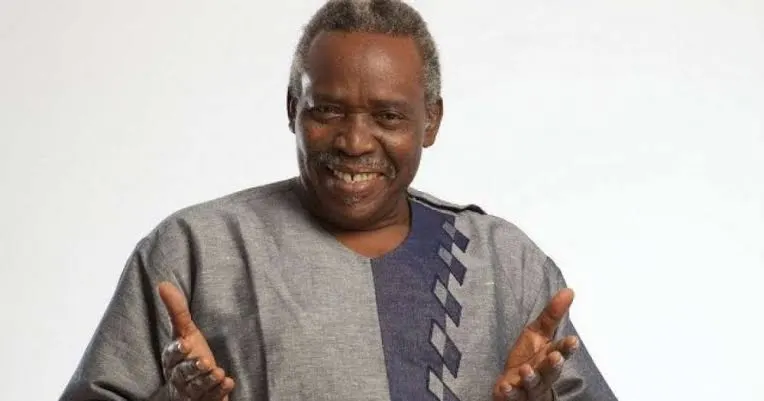
Veteran Nigerian actor and film executive Oludotun Baiyewu Jacobs, popularly known as Olu Jacobs, has died at the age of 84.
His son, Olusoji Jacobs, announced his death in an Instagram post on Wednesday, describing him as “The Lion of Lufodo.”
Olusoji said the family was grateful to God for the life their father lived and appealed to bloggers and social media influencers to respect the family’s privacy.
Olu Jacobs was one of Nigeria’s most respected veteran actors, with a career spanning theatre, television and film.
Born on July 11, 1942, Jacobs trained at the Royal Academy of Dramatic Arts in London. He began his acting career in British television before featuring in international productions and later returning to Nigeria, where he established himself as a major figure in the country’s film industry.
He appeared in numerous Nigerian films and was recognised with several industry honours, including the Industry Merit Award at the Africa Magic Viewers’ Choice Awards and a Lifetime Achievement Award at the Africa International Film Festival.
Jacobs was also involved in film production and the development of the performing arts in Nigeria. Alongside his wife, veteran actress Joke Silva, he was associated with the Lufodo Group.
His death marks the loss of one of the most recognisable figures in Nigeria’s entertainment industry.
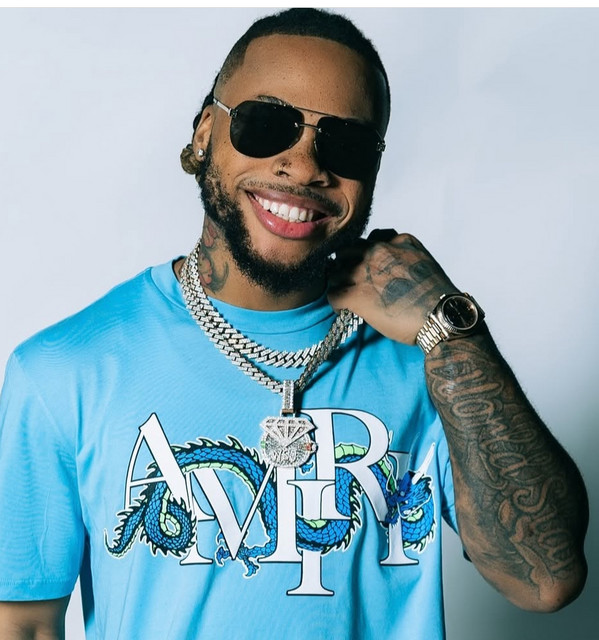
Nigerian dancer and entertainer Iweh Odinaka, popularly known as Poco Lee, has been granted bail in the United Kingdom ahead of his scheduled appearance at Snaresbrook Crown Court on Tuesday, September 15, 2026.
According to court information, Odinaka was granted bail on September 11, with a plea and trial preparation hearing scheduled for September 15.
“The Defendant has been granted bail on the 11th September 2026,” the court stated, adding that “There is a plea and trial preparation hearing on the 15th September 2026.”
The bail decision clarifies the entertainer’s current custody status following earlier reports about his release.
However, the granting of bail does not mean the criminal proceedings have been discontinued or that the allegations against him have been resolved.
The Crown Prosecution Service had previously confirmed that the case remained active and that Odinaka was due to appear before Snaresbrook Crown Court.
Odinaka is facing five sexual offence charges, including attempted rape, two counts of rape and two counts of assault by penetration.
He has denied the allegations and maintained his innocence. The charges remain before the court and have not been determined.
In a video shared on Instagram by social commentator Martins Otse, popularly known as VeryDarkMan, Poco Lee said he remained confident because he knew he had not committed the alleged offences.
He said: “If I were inside there and I did what I was accused of, I would have felt I was paying for my sins, but since I knew I didn’t do what I was accused of, my mind is pure.”
The case followed Poco Lee’s visit to the UK for the Davido and Friends concert at the Crystal Palace Bowl in London on August 14, 2026.
Poco Lee has not been convicted of any offence. His next court appearance is scheduled for Tuesday, September 15, 2026.

Afrobeats superstar David Adeleke, popularly known as Davido, has revealed a long-standing relationship between his family and Nigerian billionaire businessman Aliko Dangote.
Speaking in a recent interview, Davido said Dangote personally drove his mother home from the hospital after she gave birth to him.
“Aliko Dangote drove my mom home from the hospital when she gave birth to me.”
Davido explained that Dangote has maintained a close relationship with his family for decades, particularly with his father, businessman Adedeji Adeleke.
According to the singer, Dangote has also offered him financial advice since he was a child, repeatedly encouraging him to save and manage his money wisely.
“Anytime I see him, he still tells me, ‘David, save your money.’ He’s been saying that since I was a baby.”
The singer said the billionaire’s advice has remained valuable throughout his career in the entertainment industry.
Davido also spoke about his perception of wealthy people, saying billionaires are ordinary people despite the enormous wealth they possess and that their private lifestyles are often different from how the public imagines them.
He described his relationship with Dangote as one that dates back to his childhood and continues to this day.

-

 Politics4 days ago
Odii Shuts Down Abakaliki, Buys Fuel for Thousands of Supporters at Grand Reception
-
 Business4 days ago
Value Circle Africa berths in Enugu, promises wealth creation
-

 Opinion4 days ago
EBONYI GUBER 2027: Are Clergy, Youths, Political Stakeholders Becoming Accomplices in Bad Governance?
-
 Politics4 days ago
2027: Over 30,000 Enugu Teachers Endorse Mbah, Tinubu, Cite Welfare Improvements, Increased Education Funding
-
 Politics4 days ago
2027: Enugu Alleges Opposition Plot to Import Armed Thugs, Bandits
-
 Politics1 day ago
Ebonyi Students Endorse ANYICHUKS, Declare ‘We Won’t Support a Failure’
-

 Features4 days ago
New Cement Factory: Is Ebonyi Governor Misleading the People Over Proposed Nkalagu Project?
-
 News3 days ago
Mbah Calls for Impartial Probe into Violence at Political Gathering in Enugu