
News
“Economy Fully Booked” as Nigerians fly from US to London to join Air Peace

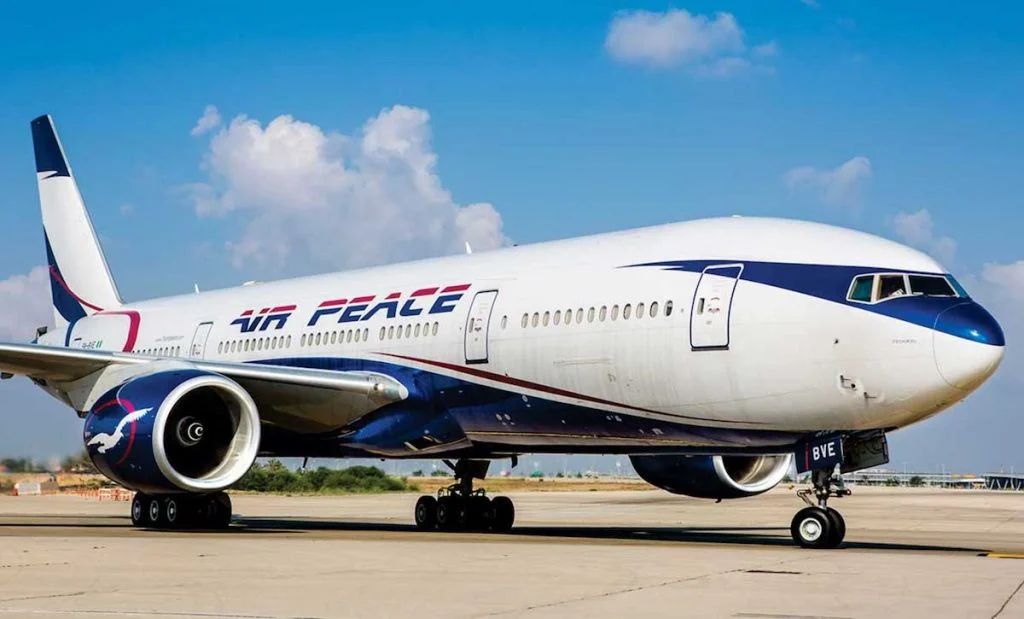
Nigerians have praised Air Peace profusely for its decision to start offering flights to London.
Many Nigerians travel from the US to the UK to take advantage of the inexpensive airfares between the US and Europe
Despite the challenges, Air Peace has provided Nigerians with a dependable and effective substitute.
Air Peace has received a plethora of praises from Nigerians for its choice to begin flight service to London. They claim that the decision was well-considered and is paying off.
Many Nigerians who have used Air Peace to travel to London or have used the service for a loved one have expressed pleasure.

This is coming three months since the airline’s inaugural, successful trip from Nigeria to London, which prompted the new accolades.
Many Nigerians who have used the airline to travel to London or have used the service for a loved one have recently praised the airline for giving Nigerian citizens an alternative option, eroding the previously exorbitant airfares on the route, and upending the duopoly of direct flights between Lagos and London.
Speaking with newsmen,Toyin Olajide, the chief operating officer of Air Peace, expressed that, despite the difficulties, the airline has given Nigerians a reliable and efficient alternative option and promised to keep operating the Lagos-London route.
She also revealed that the economy class on the Air Peace Lagos-London trip has been fully booked for the next sixty days.
On Sunday, June 30, 2024, the flight was run, and 41 of the 42 business class seats were occupied.
She said:
“But our system did not advertise our first-class seats, an error which has been corrected. So, what it means is that we recorded a very high load factor, as only the 12 seats in the first class and one business class seat, making it 13 seats, were empty out of the 274 seats capacity aircraft. We thank Nigerians. We appreciate the fact that they are happy with the airline.”
Nigerians take advantage of low-cost flight
She also said that Nigerians take advantage of the low-cost US-European flights by flying from the US to the UK, where they book Air Peace to Lagos.
From there, they take the reasonably priced Nigerian carrier to Lagos, thereby saving a significant amount of money as opposed to taking a direct flight from the US to Nigeria.
In order to save money on flights from Nigeria to China via the Middle East or other hubs, Chinese nationals living in Nigeria as well as Nigerians travel on Air Peace to London and China Southern Airline to China.
The COO also disclosed that Air Peace has emerged as the go-to airline for Nigerians travelling with elderly parents to the US and the UK due to its growing popularity as a means of transporting Nigerians’ parents to the UK and back home.
The COO said:
“Because our cabin crew have imbibed the African ways of attending to the aged, many Nigerians prefer to use Air Peace to fly their aged parents. We care for them as we care for our own parents. Members of our cabin crew pay extra attention to them and ensure they are happy. We take extra care to serve them. In fact, some Nigerians send their parents unaccompanied through our airline.”
Air Peace breaks silence following overwhelming demand
In a public notice, the management revealed that they received an overwhelming increase in demand and interest in their newly introduced London route.
In the notice shared on their official page on Facebook, they revealed that due to the high demand, they increased the number of seats available.



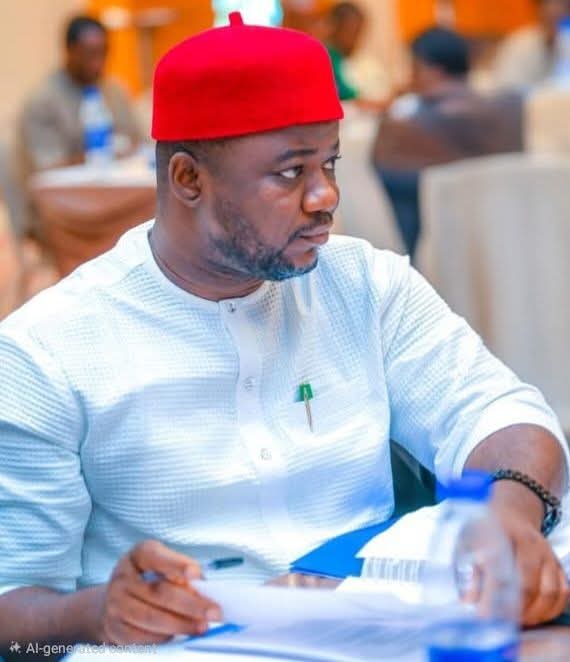
Rt. Hon. Barr. Sunday Cyriacus Umeha has continued to distinguish himself not only as a grassroots politician but as a sound parliamentarian who clearly understands the true essence of legislative representation and public service.
Since emerging as the Member representing Ezeagu/Udi Federal Constituency in the House of Representatives, Umeha has consistently demonstrated capacity, vision, and commitment both on the floor of the National Assembly and within his constituency.
Unlike many politicians whose promises disappear after elections, Rt. Hon. Umeha has steadily transformed his campaign mantra, “Go and Verify,” into practical realities visible across communities in Ezeagu and Udi Federal Constituency.
From road construction to solar-powered streetlights, classroom projects, healthcare interventions, agricultural empowerment, scholarships, boreholes, and youth development programmes, his stewardship has remained rooted in service delivery and measurable impact.
Observers say one of the strongest qualities that separates Umeha from many lawmakers is his deep understanding of parliamentary responsibilities. Through strategic bills and motions, he has continued to show that representation goes beyond rhetoric and political appearances.
Among several notable legislative efforts, he sponsored bills seeking the establishment of a Federal College of Entrepreneurship and Skill Acquisition in Ezeagu/Udi Federal Constituency, reforms in the education sector through the abolition of levies in public basic schools, mandatory insurance protection for NYSC members, and the establishment of a National Football Academy.
He also sponsored motions addressing critical national concerns, including the investigation into the gruesome killing of Nigerians by soldiers in Enugu State and the urgent completion of the Karshi/Apo Road project in Abuja to ease traffic congestion.
Political analysts note that these interventions reflect a lawmaker who understands that effective representation must combine constituency development with strong legislative advocacy.
Many constituents equally commend him for remaining faithful to the promises he made during his campaigns. Across the constituency, residents point to completed and ongoing projects as evidence that the lawmaker has not reneged on his commitments to the people.
Beyond governance and legislative duties, Rt. Hon. Umeha also played significant roles in efforts aimed at restoring sanity, stability, and internal cohesion within the Labour Party before his eventual defection to the APC.
Sources within the political space in Enugu State revealed that Umeha consistently pushed for peace, unity, and institutional order within the party during periods of internal crisis and leadership disagreements. His interventions were said to be driven by the desire to protect the interests of party members and preserve the integrity of the platform.
However, following prolonged internal challenges and unresolved structural issues within the Labour Party, the federal lawmaker eventually moved to the All Progressives Congress (APC), a decision many political observers described as strategic and inevitable.
Despite the political transition, supporters insist that his focus has remained unchanged — delivering quality representation, empowering constituents, and sustaining developmental projects across Ezeagu/Udi Federal Constituency.
For many residents, Rt. Hon. Barr. Sunday Cyriacus Umeha represents a rare blend of grassroots leadership, legislative competence, humility, and political responsibility.
And across the constituency, the verdict from many communities remains simple:
“He promised, and he delivered.”
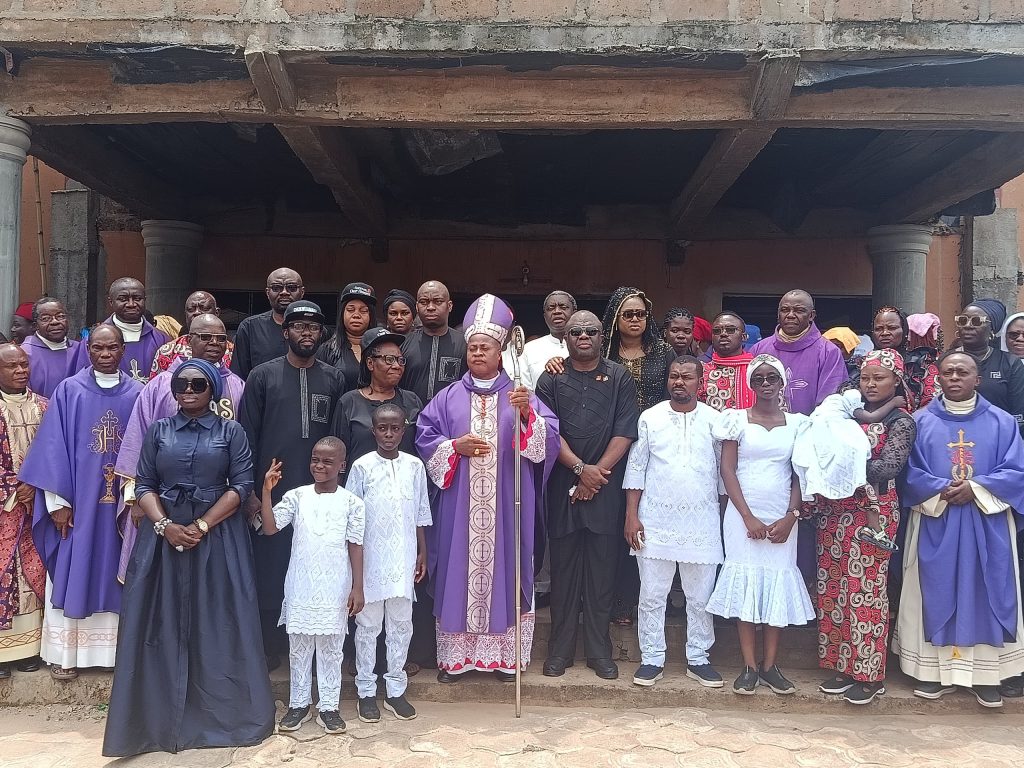
Today, Friday 8 May 2026, Chief Sir Paul Chukwuma (Onwa Umueri) laid his beloved sister, Late Mrs Christiana Amaka Okeke to rest in a solemn but dignified ceremony.
A large number of family and friends gathered in Ogboji in Orumba South Local Government Area for her burial.
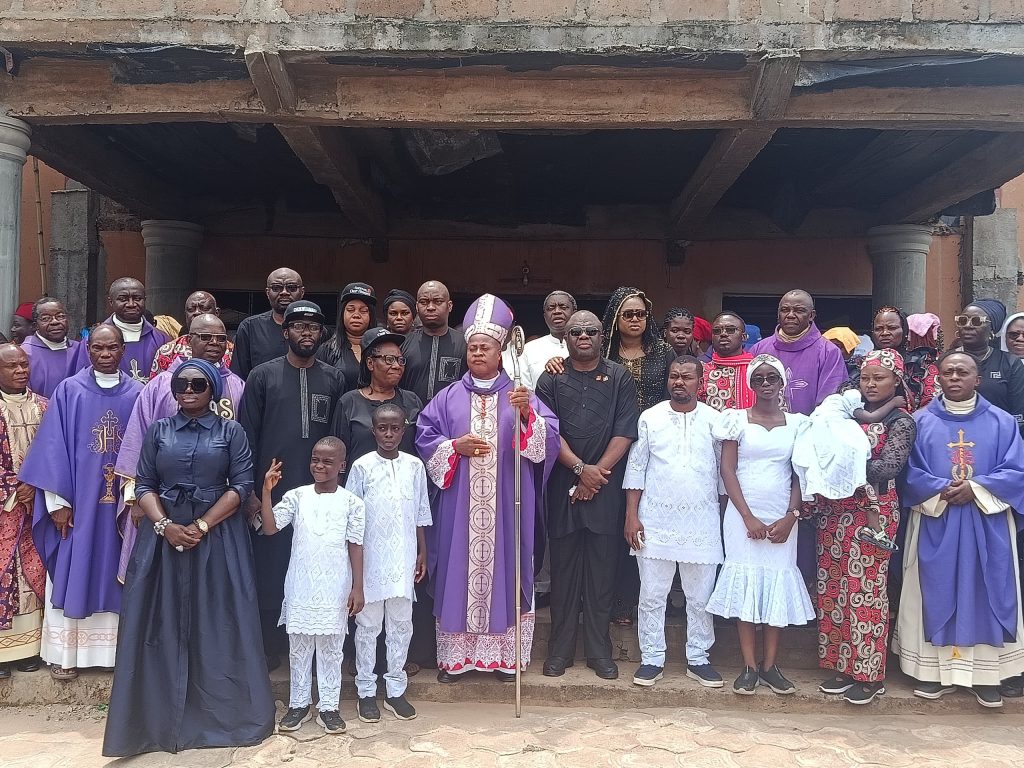
It was a solemn yet beautiful celebration of a life well lived, one marked by grace, resilience, and strong family values. The Funeral Mass was officiated by His Emience, Cardinal Peter Ebere Okpalaeke, The Catholic Bishop of Ekwulobia Diocese.
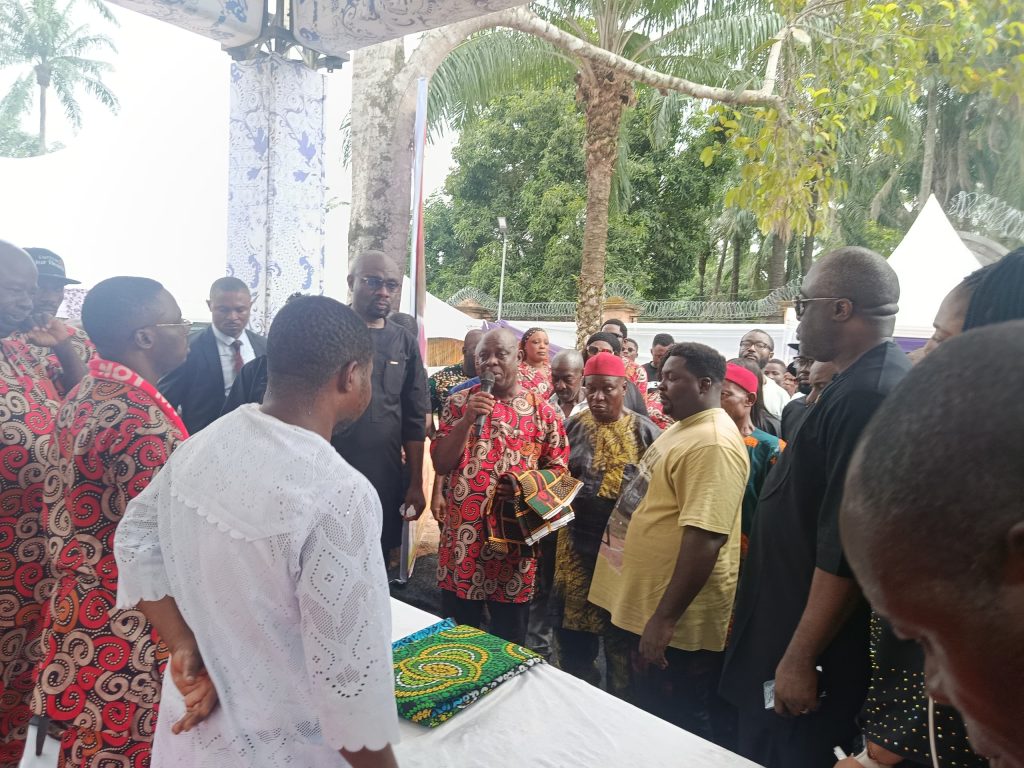
In a heartfelt family tribute, Chief Sir Paul Chukwuma shared that her sister “it is indeed well with your soul and has gone to rest with the Lord,” expressing profound grief over the irreplaceable loss of a beloved sibling who played a significant role in their family. He prayed for God to grant her His mercy and reward her with Beatic Vision. He opined that they as a family will continue from where she stopped. Our Hope in God and Believe in the resurrection of the dead and communion of the saints will spur them on as they continue to place all their hopes in God who made Heaven and Earth.
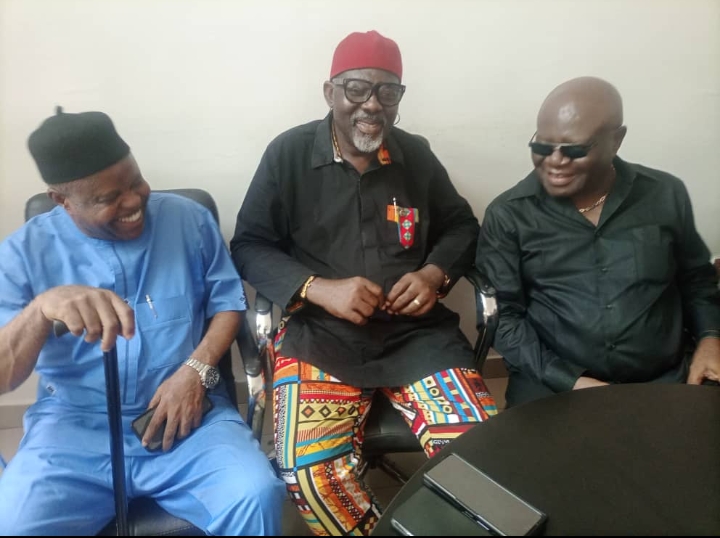
The Funeral and Burial Ceremony was graced by notable dignitaries including Her Excellency Senator Dr Iyom Uche Ekwunife, APC State Chairman, Most Distinguished Senator Emma Anosike, Chief Uzoma Igbonwa (Okeife Alor), YPP Deputy Governorship Candidate 2025 Governorship Election, His Excellency, Chief Uzu Okagbue, Former Nigeria Ambassador to Burundi, His Excellency, Ambassador Elijah Onyeagba (Ozonkpu Ike Enuguwu-Ukwu N’Umunri, Dr Oby Orah, Executive Director FAAN, Prof Charles Esimone, Former Vice Chancellor Unizik, Chief Hon Raph Okeke, Barr CJ Chinwuba, Hon Chizo Obidigwe, Hon JC Okeke (Deputy Chairman ,APC Anambra State, chief Anthony Obiazie (Ichie Ide), Onwa Lento Aluminium.
Others are The Vice Chancellor of Benue State University and Members of the Governing Council, the Rector Anambra State Polytechnic,Dr Njideka Rita Chiekezie, Hon Obi Henry APC State secretary, Hon Ify Nwachukwu (Ada Onowu), Prof Jaja Nwanegbo, and several other respected leaders from the political, traditional, and religious communities.
Late Mrs Christiana Amaka Okeke died after Major Brain Tumour Surgery in Germany, aged 44 years. May the soul of Late Mrs Christiana Amaka Okeke rest in perfect peace, and may God grant the entire Chukwuma of Umueri and Okeke family of Ogboji, the strength and comfort to bear this irreparable loss.
*Videos and Photos Speak:*
*(C) Paschal Candle.*
By Okey Maduforo Awka
Gubernatorial candidate Mr John Nwosu and running mate of the African Democratic Congress ADC in Anambra state Chief Ndubuisi Nwobu have stated that despite the deoature of Mr Peter Obi, and Alhaji Rabiu Musa Kwankwaso,the party is still intact and would run it’s full course in the 2027 general election.
The duo however lamented that the deoature of Obi is indeed painful but was quick to add that the party must forge ahead .
He said as leaders, Obi and Kwankwaso and other key chieftains of the ADC who suddenly left to the Nigeria Democratic Congress (NDC) would have waited to resolve the problems the ADC is facing when it mattered most rather than taking a swift to another fold.
Chief Nwobu bared his mind and feelings of other stakeholders of the ADC while briefing newsmen shortly after the ADC Anambra Leadership Consultative Meeting held on Friday in Awka the state capital.
He noted with nostalgia that the candidate of the Labour Party (LP) during the 2023 general elections, Mr. Peter Obi could have shown restraint and commitment in the ADC even in face of the party’s plethora of litigations pending before different courts than leaving it unceremoniously with others.
He vowed that despite the development, leaders and members of the State chapter of the ADC are resolute to take the full circle of the electoral battle ahead of next year’s general elections and would get to it to successfully.
Accorisng to him, the National leadership of the party was not given the opportunity to settle down even less than 24 hours before the supreme Court judgment on Thursday last week when news about the detection of those who left the party rented the air waves up till Friday and Saturday same week and finally on Sunday when the news was finally blown to the entire world.
Nwobu disclosed that the opposition ADC in the state at the moment parades about nine House of Representatives and six State House of Assembly aspirants who have bought nomination forms to contest the 2027 elections while more have indicated interest to join the epical race.
The ADC stalwart further maintained that all those who indicated interest to contest the various positions are greatly prepared to run the race with high morals.
“We feel pains that these people left the party (ADC); definitely it’s going to affect the gains of the party. There’s no point saying every other thing. That having been said I am telling you that those who remain in the party are resolute and prepared to run the course.
He said the ADC Anambra Leadership Consultative Meeting reaffirm loyalty and support to the National leadership under David Mark as national chairman and Rauf Aregbesola as the National Secretary.
Nwobu who was flanked by Hon. Christian Okeke, Ven. Chris Orajekwe and Arch. Afam Moma, Samuel Ikefuna, and Reginald Akunekwe and Ben Chuks Nwosu said “the state leaders reaffirm loyalty and support of the ADC Anambra state to the National leadership headed by Senator David Mark and His Excellency Rauf Aregbesola.”
“The meeting resolved to commend the founding chairman of the ADC Chief Ralph Okey Nwosu for the exemplary show of representing the ADC platform as an umbrella body for the coalition and his selfless role In navigating the coalition to it’s fruition.”
“And we wish to affirm that the ADC’s best is from Anambra state and Anambra state will not be found wanting in the efforts of the party to achieve success during the 2027 general elections,” he said.
“For our brothers who has moved on tp other platform, we wish them well. I look forward to a day we will all join hands together to salvage this country,” Nwobu stated.
He explained further that no new leadership has been Inaugurated in Anambra,adding that that it’s unnecessary for somebody to say he or she has resigned as the party is still contending on issues of offices, conduct of Congresses at the Federal High court.
Chief Nwobu stated that the Inauguration of officials elected at Congresses across the states would be made on the 11th of this month.
By Chinedu Sabastine
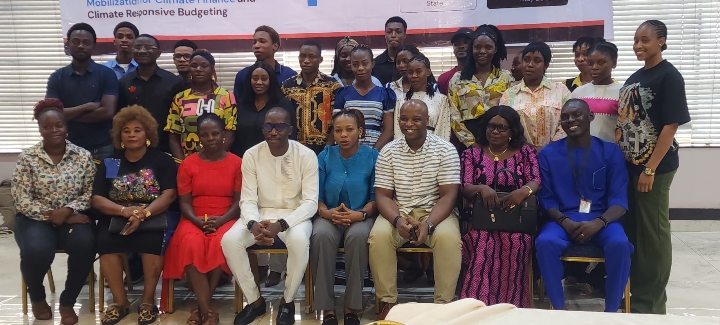
The Enugu State Government, in partnership with the South Sahara Social Development Organisation (SSDO), has intensified efforts to strengthen domestic resource mobilisation (DRM) as part of broader strategies to boost climate finance and promote responsive budgeting.
The initiative aligns with the administration’s climate policy framework, which emphasises sustainable development, a green economic transition, and improved fiscal planning.
This was disclosed during a two-day stakeholders’ dialogue on domestic resource mobilisation for climate-responsive budgeting held at Sylvia Hotel, Independence Layout, Enugu and funded by ActionAid Nigeria.
Speaking at the event, the Deputy Director of Climate Change in the Ministry of Environment and Climate Change, Nnamdi Arum, said the state has integrated climate considerations across its projects and programmes.
According to him, while Enugu continues to benefit from international funding support, deliberate steps are being taken to strengthen internally generated resources for climate initiatives.
“Climate change has been prioritised across ministries in Enugu State. Most projects are now designed with green considerations in mind,” Arum said.
He commended Governor Peter Mbah for appointing Prof. Chukwumerije Okereke as Special Adviser on Climate Change, noting that his leadership has helped translate climate policies into actionable programmes.
Arum added that the government is actively engaging diverse groups, including youths and persons with disabilities, to ensure inclusive climate policy development.
On funding gaps, he acknowledged that despite progress, external support remains crucial particularly in the agricultural sector to enhance food security and affordability.
In his remarks, Research Policy Officer with SSDO, Okechukwu Ajah, said the dialogue aimed to bridge the gap between policy formulation and implementation.
He noted that although Enugu has domesticated its climate policy and action plan, challenges such as weak inter-ministerial coordination and the absence of clear climate budget tagging persist.
“Many agencies still operate in silos, and there is no distinct climate imprint in budgeting across ministries. This affects ownership and effective implementation of climate policies,” Ajah said.
He expressed optimism that the engagement would yield practical, implementable recommendations, stressing the need to move from theory to action.
Ajah also highlighted the importance of youth inclusion in climate discussions, describing young people as critical stakeholders in shaping sustainable futures.
One of the participants, Chidera Ekoh, described the dialogue as insightful, noting that it provided practical knowledge on addressing climate challenges.
“Climate change is already impacting our economy. This programme has equipped us with the knowledge to prioritise challenges and mobilise resources effectively,” Ekoh said

The Enugu State Government has disowned a group allegedly defrauding traditional medicine practitioners under the guise of acting on its behalf.
In a disclaimer issued on April 28, 2026, the government warned against the activities of individuals operating under the name Association of Traditional Medicine Practitioners of Enugu State (AMTIPES), describing the body as illegal and unrecognized.
According to the statement signed by the Special Adviser to the Governor on Media, Hon. Onyekwere Nwobodo, the group has been harassing practitioners and collecting unauthorized levies despite having no accreditation from the state.
The government clarified that the registration and certification of traditional medicine practitioners in Enugu State fall strictly under the Ministry of Culture and Tourism, in line with existing laws. It stressed that no other body has the authority to act on its behalf in this regard.
Authorities disclosed that reports of AMTIPES’ activities have been forwarded to law enforcement agencies. Some individuals linked to the group have already been apprehended and are currently facing prosecution in court.
The government urged members of the public, particularly traditional medicine practitioners, to remain vigilant and avoid any dealings with the impostors.
It further emphasized that compliance with only officially recognized channels would protect practitioners from exploitation, reiterating the warning that “to be forewarned is to be forearmed.”
-
News2 days ago
“Go and Verify”: How Sunday Umeha Is Redefining Representation in Ezeagu/Udi
-
 Politics5 days ago
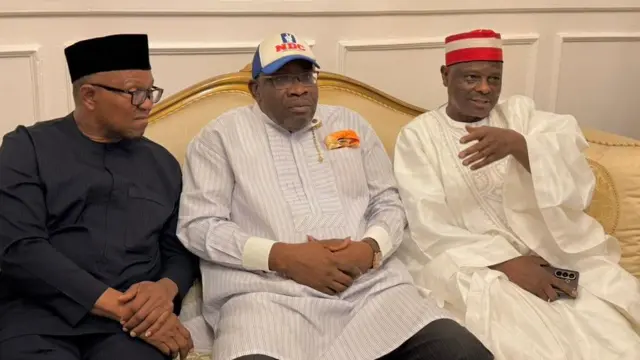
Mass exodus: Obi, Kwankwaso exit rocks ADC, 18 lawmakers join NDC
-
News2 days ago
Chief Sir Paul Chukwuma Lays His Beloved Sister to Rest
-
 Politics3 days ago
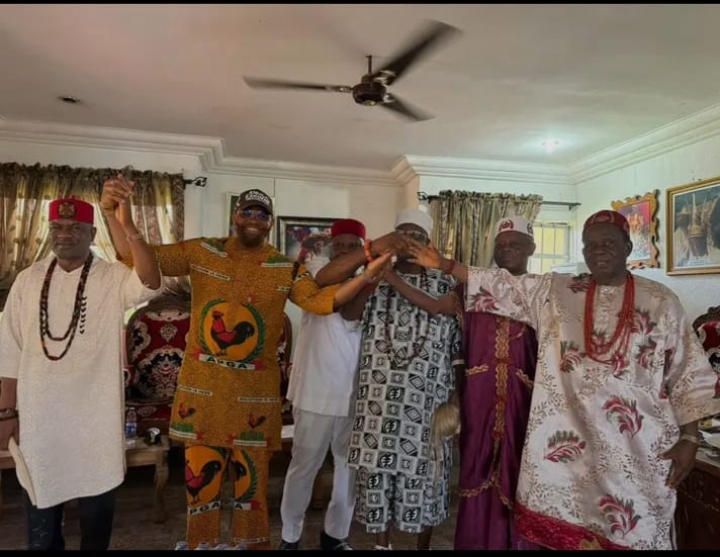
Anambra Communities Boil As Group Carpets Traditional Rulers Over Zoning
-
 Politics5 days ago
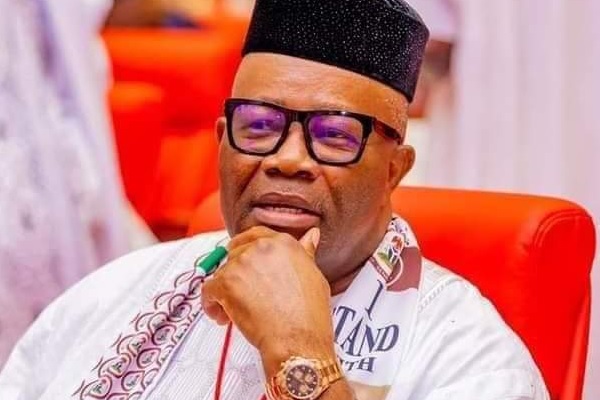
2027: Akpabio Moves to Block Ex-Governors from Contesting for Senate President
-
News4 days ago
Enugu, SSDO advance domestic resource mobilisation for climate responsive budgeting
-
 Crime4 days ago
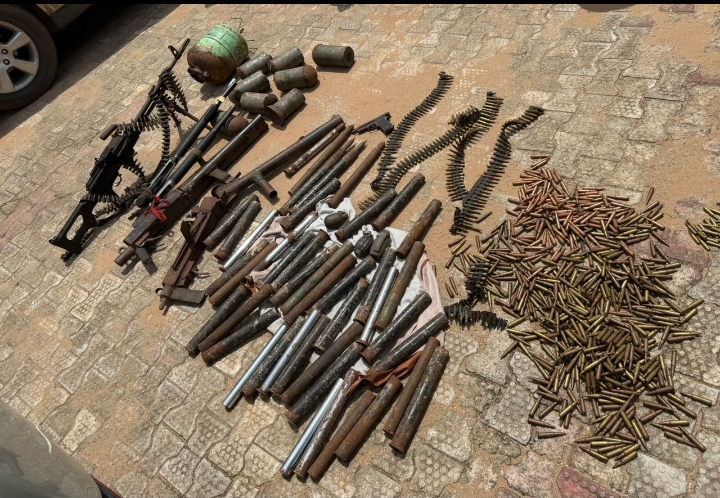
Anambra Police Burst Gunmen Armoury in Orumba
-
News3 days ago
2027: Anambra ADC Intact Despite Obi, Kwankwaso Departure – Guber Candidate