



News
Be patient, inherited crises won’t disappear overnight – Ribadu

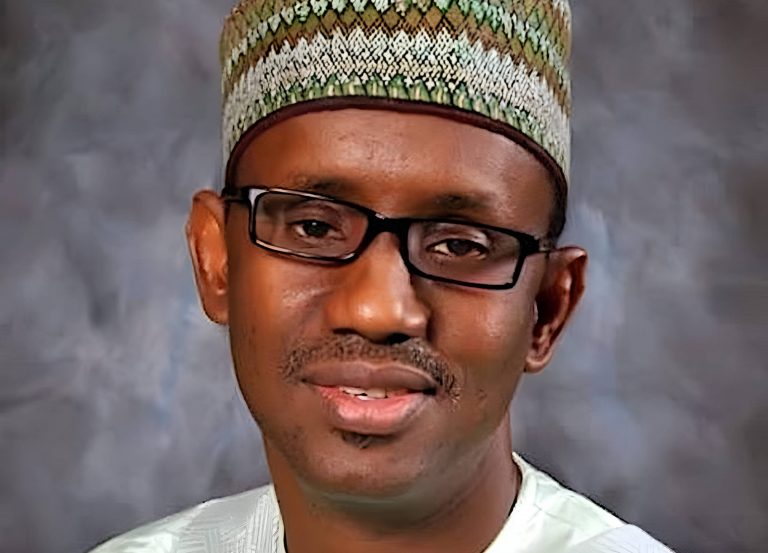

The National Security Adviser, Mallam Nuhu Ribadu, has asked Nigerians to be patient with the Bola Tinubu administration, noting that the crises inherited from the previous government will not disappear overnight.
Ribadu said President Tinubu inherited serious active security challenges capable of bringing the country to its knees, citing the Boko Haram insurgency in the North-East, militancy and oil theft in the Niger Delta region, insecurity in the South-East and banditry in the North-West.
The NSA stated this on Thursday in Uyo, Akwa Ibom State, while speaking at the ongoing 19th Annual Nigerian Editors Conference.
The conference had the theme, ‘Stimulating economic growth, technological advancement, role of the media.’
The former Economic and Financial Crimes Commission chairman, however, pointed out that there had been a lot of improvement in the security challenges confronting the country and appealed to Nigerians to cooperate with the Federal Government in its effort to eliminate all forms of insecurity in the country.

Ribadu’s latest complaint about the administration of former president Muhammadu Buhari is coming a few days after he lamented that Tinubu’s government inherited a bankrupt country.
The NSA had told participants at the Chief of Defence Intelligence Annual Conference 2023 in Abuja on Monday that the revenue generated by the current administration was being used to repay “what was taken from the country.’’
Buhari govt
It was reported that the Buhari administration spent more than N10tn on subsidy for Premium Motor Spirit, popularly called petrol.
Also, in June this year, it was reported that the previous administration borrowed N56.32tn between 2016 and 2022, a period of seven years.
On taking office in May, Tinubu ended the fuel subsidy regime and on August 1, the President in a nationwide broadcast, revealed that the Federal Government had saved N1tn in the two months (June and July) since the removal of the subsidy.
Ribadu in his presentation at Uyo, stated, “By June 1, 2023, when we took over the country we have serious active security challenges, serious ones Even one alone will undermine seriously management of the country.
“We have Boko Haram which is 15 years now ongoing. Militancy in the Niger Delta has been on for many years, banditry and kidnapping, especially within northern Nigeria in the North-West.
“And unfortunately, that is still a little going on in the South-East. These four massive problems, each one is capable of bringing us to our own knees. All of them are very active. At the time we took over, like last year, we used to have a minimum of 1,200 or more violent deaths as a result of criminal activities.’’
Speaking further, the top official argued that the security situation had improved under the Tinubu administration, stressing that he was not condemning the previous administration but was simply stating the truth.
He noted, “We are all in this together, as a National Security Adviser, you want to hear about national security. We have been there about five months, a few days into office. We have given Nigeria to President Bola Tinubu to manage it for us.
“In the last five months, I have been there by his side and have seen how things were when we started and how things are now and hopefully the direction we are going is okay.
“We inherited a tough period. We appeal for patience and understanding. It’s tough times and that is the reality. We are not condemning anyone but that is the truth. Those who are in charge must say the truth, say it as it is, and then hopefully things will be better for you.
“Like I said, my coming (here) is to identify with you. I also appeal to you for support. We are going through tough times. It requires all of us to come together. We are all in it together. It is not going to be for too long. Is a matter of time, it will be better.’’
Trumpeting the ‘achievements’ of his principal, he added, “Let me start with the Niger Delta; at the time we took over, the production of crude oil was 1.1 million barrels per day. Today, crude oil production is over 1.7 mbd.
“We have witnessed three weeks without any incidence of security challenges in the Niger Delta. This is the first time since 1993, that we don’t talk.
“In the South-East, we had 46 police stations attacked. We had people who were not indigenous to the country attacked, and killed. Today, we don’t have a single one.
S’East killings
“In the last two months, not a single person has been killed through the violent attack in the South-East. We don’t talk. The leadership we have in our country understands things a bit better. Work more, talk less.”
Highlighting further the positive developments in the national security architecture, the NSA noted that the stay-at-home restrictions and the bloodshed in the South-East had ceased.
He affirmed that collective effort was required to tame the insecurity scarring the northern part of the country.
The NSA noted, “Don’t allow insecurity to be part of you for long, build your capacities, and security systems. We allowed insecurity to last for a good 15 years. In the North-East, people were not able to go to their farms or markets. These are ordinary people in the villages who have no money.
“The situation, especially in northern Nigeria, is challenging, with a rise in violent criminal activity. We need collective efforts to address this issue. The security forces and hospitals are dealing with life-altering tragedies. Education and health are hampered by these challenges.
“In the last month, no case of insecurity has been reported in the North-East, the same with banditry. Kidnappings have been on the rise, with victims facing prolonged detention. About 600 people were kidnapped, some of them kept for long in the North-West, and they have been released. While there’s progress, much work remains. We need to address these issues collectively.’’
He recalled the blood-curdling activities of terrorists who attacked the trains, prisons, and police stations.
“Today, I can tell you that you travel from Abuja to Kaduna. Yes, it’s happening,’’ he boasted, adding, “This is just one way of tackling insecurity. Kidnapping today has replaced armed robbery in Nigeria because people don’t carry money anymore. That is what is going on in the country.’’
The NSA observed that organised crimes had reduced considerably, adding that the mass abduction by criminal gangs had been tackled.
He assured that the Federal Government would continue to do everything possible to improve the welfare of its citizens and remain transparent in doing government business.
“This government is rather the most transparent government ever in the history of Nigeria. Honestly, we will be sincere and do our best. Sometimes, the issue of national security requires little management to get the result that you are looking for,” he added
In his reaction to the claims by the NSA that the Tinubu government inherited a bankrupt economy from the Buhari administration, the Labour Party candidate in the February 25 presidential election, Peter Obi, has challenged the Federal Government to disclose the liabilities his predecessor passed to him.
Ribadu had claimed that the revenue generated by the Tinubu-led administration was being used to repay what was taken from the country.
However, in a series of tweets via his profile on X, the former Anambra State governor challenged the government to disclose the deficit inherited from the previous All Progressives Congress administration to demonstrate its level of transparency and accountability.
Obi faulted the Buhari government for failing to disclose the deficit it claimed the preceding Goodluck Jonathan government passed to it in 2015.
The tweets read, “I just read yesterday, a widely publicised story from the present APC-led Federal Government saying that they inherited a bankrupt nation from their predecessor APC administration. But the story failed to disclose what they inherited which had qualified us for bankruptcy status.
“One major characteristic of responsible governance is transparency and strict accountability. This demands that the government disclose exactly the degree of deficit they inherited. What is inherited should be disclosed to enable the public to know where we are and where we are headed.”
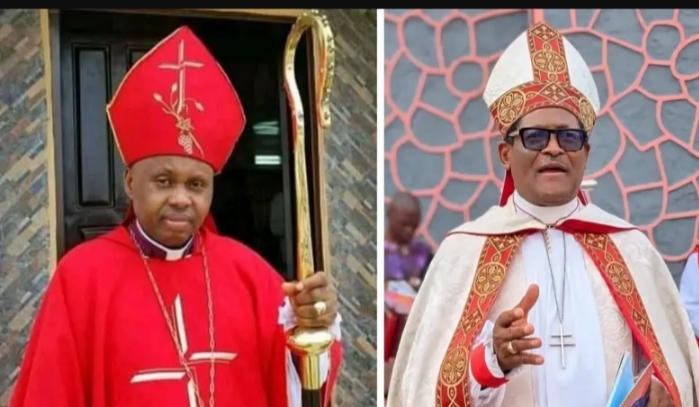
Diocesan Board Rejects Primate’s Directive, Threatens Withdrawal from Church of Nigeria
By Okey Maduforo, Awka
A major crisis is brewing in the Anglican Diocese of Awka following a threat by its Diocesan Board to withdraw from the Church of Nigeria (Anglican Communion) over the six-month compulsory leave imposed on Archbishop Alexander Chibuzo Ibezim by the Primate, Most Rev. Henry Ndukuba.
The development marks a fresh escalation of the face-off between the two senior clerics over allegations surrounding the sale of church land and other administrative matters in the Diocese.
Recall that Primate Ndukuba had, in a letter dated October 13, 2026, directed Archbishop Ibezim to proceed on six months’ compulsory leave to allow for an impartial investigation into the affairs of the Diocese.
The directive prompted Ibezim to institute legal action at the Anambra State High Court, challenging both the Primate’s decision and the constitution of the panel investigating the allegations against him.
However, rising from an emergency meeting, the Awka Diocesan Board rejected the directive in its entirety, warning that continued interference in the affairs of the Diocese could force it to sever ties with the Church of Nigeria.
In a resolution signed by the Lord Chancellor of the Diocese, Sir B.E.I. Nwafor, SAN; the Synod Secretary, Ven. K.E.N. Chukwukamma, PhD; and Mr Eugene Chukwudi Okonkwo, the Board insisted that Archbishop Ibezim remained the legitimate Bishop of Awka and Archbishop of the Province of the Niger.
“The Board emphatically rejects in its entirety the said letter. More specifically, the Board rejects the directive to His Grace, The Most Revd Alexander C. Ibezim, PhD, Archbishop, Province of the Niger and Bishop, Diocese of Awka, to proceed on six months compulsory leave,” the resolution stated.
Board Rejects Appointment of Supervising Bishop
The Board also rejected the appointment of the Bishop of Aguata Diocese, Rt. Rev. Samuel C. Ezeofor, as Supervising Bishop of Awka Diocese and Coordinating Bishop of the Province of the Niger.
It argued that the appointment disregarded pending litigations involving Archbishop Ibezim, including Suit No. A/Misc. 446/2025 against the Economic and Financial Crimes Commission (EFCC), filed on September 4, 2025, and Suit No. A/Misc. 494/2026 against the Inspector General of Police and others, filed on October 2, 2026.
It further cited Suit No. A/371/2026, instituted by Archbishop Ibezim against Primate Ndukuba and another party on October 13, 2026.
According to the Board, the cases remain pending before the Anambra State High Court, making it inappropriate for the Church leadership to take actions capable of prejudicing their determination.
It maintained that both the Primate and Bishop Ezeofor were aware of the pending suits and should refrain from interfering with their subject matter.
The Board also referred to subsisting injunctive orders reportedly issued by the High Court on September 9, 2025, and renewed by consent of the parties on October 14, 2025.
It further disclosed that a pending motion in Suit No. A/371/2026 seeks to restrain the Primate from issuing any suspension letter or taking steps capable of truncating Ibezim’s tenure as Archbishop and Bishop of Awka.
“The Primate and Rt. Revd Ezeofor are fully aware that no one is above the law irrespective of his or her position or status, and ought to be law-abiding and respect the court where the allegations against Archbishop Ibezim are pending for determination,” the Board stated.
Primate Lacks Constitutional Powers, Board Insists
The Diocesan Board further contended that neither the Constitution and Canons of the Church of Nigeria (Anglican Communion) 2020 nor the Constitution and Regulations of Awka Diocese 2023 empowers the Primate to compel a serving Archbishop to embark on compulsory leave.
It specifically disputed the application of Section 29(1) of the Church’s Constitution, cited in the Primate’s October 13 letter, arguing that the provision does not authorise the removal of a Bishop from active duties or the transfer of his episcopal responsibilities to another Bishop under such circumstances.
The Board described the decision as oppressive, vindictive and unjust, alleging that it violated Archbishop Ibezim’s constitutional rights under Sections 36(5) and 38(1) of the 1999 Constitution of the Federal Republic of Nigeria, as amended.
It maintained that Ibezim was entitled to the presumption of innocence and freedom of religion, including the right to participate in worship and other religious activities.
Board Questions Previous Investigative Panels
The Board also questioned the justification for another investigation, alleging that the Primate had previously constituted two separate panels to investigate allegations against Archbishop Ibezim.
According to the resolution, the first panel, headed by Justice Babashola Ogunade, was constituted on August 13, 2025, while the second, chaired by Archbishop Blessing Enyindah, was inaugurated through a letter dated June 17, 2026.
It alleged that both panels completed their assignments and submitted reports to the Primate, who had yet to release their findings.
The Board argued that withholding the reports violated Sections 75 and 76 of the Church’s Constitution and Canons, which provide procedures for submitting investigative findings to the Episcopal Synod and other appropriate Church organs for consideration and ratification.
It consequently dismissed the explanation that the compulsory leave was intended to facilitate an impartial inquiry and promote peace and reconciliation.
No Diocesan Funds Missing – Board
Expressing confidence in Archbishop Ibezim’s leadership, the Board maintained that no diocesan funds had been stolen, misappropriated or misused by him.
“The Board unequivocally affirms that no money of Awka Diocese is missing, stolen, misused, or misappropriated by Archbishop Ibezim. Even the two panels set up by the Primate have not disclosed any indictment of financial misdeed by Archbishop Ibezim,” it declared.
It reaffirmed its confidence in the Archbishop’s integrity, competence and commitment to his episcopal responsibilities, insisting that he should continue to discharge his duties without interference.
Diocese Warns Bishop Ezeofor, Threatens Breakaway
In a strongly worded warning, the Board urged Bishop Ezeofor to concentrate on his responsibilities in Aguata Diocese and refrain from interfering in the administration of Awka Diocese.
It warned that any attempt to enforce the disputed appointment could attract legal action and the involvement of law enforcement agencies.
The Board equally directed all organs of Awka Diocese to remain loyal to Archbishop Ibezim, continue their lawful activities and disregard directives from Bishop Ezeofor.
It warned that failure to comply with the resolution would attract appropriate sanctions.
In its most far-reaching declaration, the Board threatened to withdraw from the Church of Nigeria if the Primate and Bishop Ezeofor continued what it described as unlawful interference in the affairs of Awka Diocese.
“The Board emphatically states that if the Primate and Bishop Ezeofor continue threatening the peace of Awka Diocese and its Archbishop and Bishop and unlawfully interfere with its affairs, it shall withdraw from the Church of Nigeria and continue with Church of England which never disturbed the Diocese,” the resolution concluded.
The development raises the prospect of a major ecclesiastical confrontation within the Anglican Communion, as the dispute between the Primate and Archbishop Ibezim moves beyond the courts to the wider leadership and membership of Awka Diocese.
The threatened withdrawal, however, remains a declaration of intent by the Diocesan Board, rather than a completed separation from the Church of Nigeria.
Trim repetitive legal arguments
Use more legally cautious wording
Clarify the timeline of the dispute
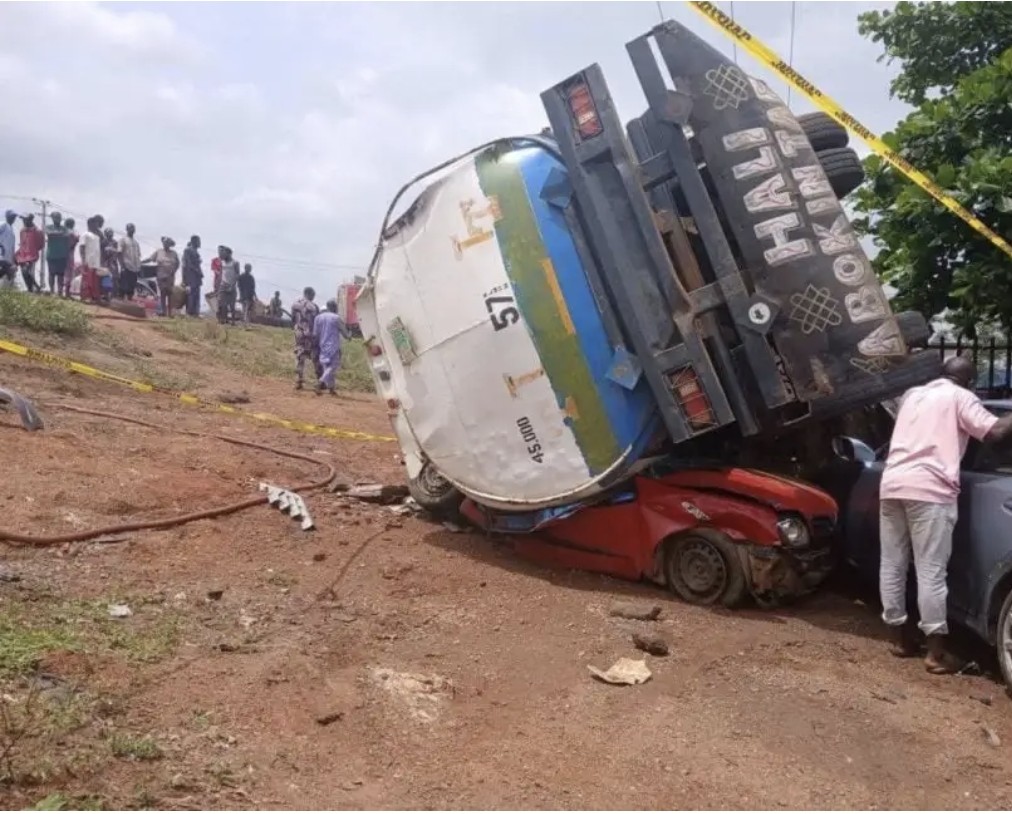
At least five persons have been confirmed dead, while several others were trapped following a fatal accident involving a fully loaded diesel tanker and four commercial vehicles in Ibadan, the Oyo State capital, on Saturday.
The accident occurred at Aduloju Bus Stop, opposite Dominion City, along the busy Iwo Road–Ojoo Expressway.
Eyewitnesses said the tanker, reportedly travelling at high speed, lost control and rammed into four Nissan Micra cars conveying passengers, leaving the vehicles badly mangled.
The impact reportedly trapped several occupants inside the wreckage, prompting desperate rescue efforts by sympathisers and emergency responders.
News
Enugu Youths Give Forest Guard Commander 72-Hour Ultimatum Over Alleged AK-47-Wielding Gunmen in Ugwuaji Forests
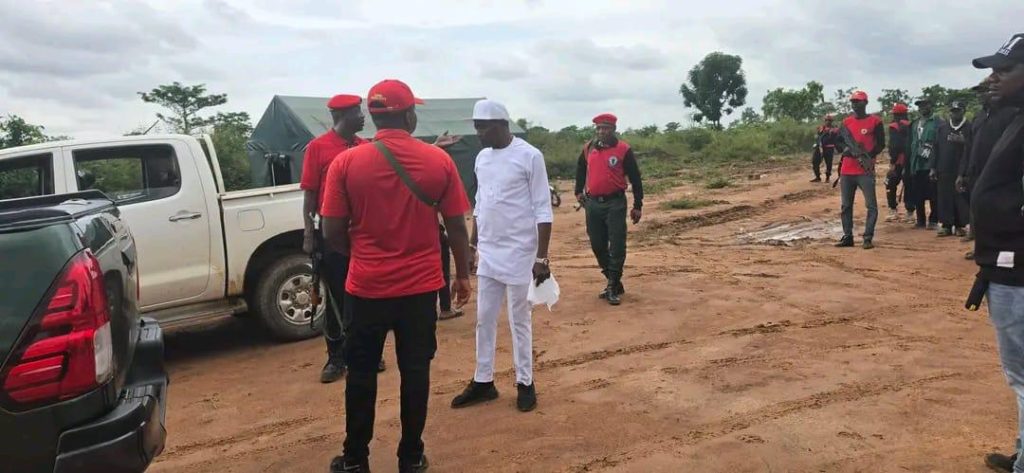
…….Threaten to Petition Olasoji, Ben Alukwu to NSA, Minister of Defence
Enugu youths under the aegis of Ugwuaji Youths for Peace have issued a 72-hour ultimatum to the Commander of the National Forest Guard in Enugu State, Dr. Akinbayo O. Olasoji, to explain the alleged presence of unknown gunmen wielding AK-47 rifles alongside his personnel in Ugwuaji forests. They also demanded explanations over his alleged repeated meetings in the forests with an NDC chieftain, Mr Ben Alukwu, whom they claimed was neither from Ugwuaji nor owned property in the area.
Reacting to a statement issued by the Public Relations Officer of the National Forest Guard, Enugu State Command, on October 17, 2026, the youths accused Olasoji of avoiding allegations of harassment, assault and involvement in land grabbing.
According to The counter-statement that was signed by Barr. Ogbodo Nwobodo on behalf of Ugwuaji Youths for Peace, it says“We have carefully read the press statement issued on 17 October 2026 by the National Forest Guard, Enugu State Command, in response to allegations of harassment, assault and involvement in land grabbing against the State Commander, Dr. Akinbayo O. Olasoji, and personnel under his command. We consider the statement an attempt to divert attention from the specific allegations raised against the Command. Rather than address the central issues, the Commander has chosen to recount previous security incidents and discuss the reasons for establishing a Forward Operating Base in the Ugwuaji–Obeagu forest area. While we recognise the need to protect residents against kidnapping and other criminal activities, security operations must not become an excuse for evading legitimate questions about the conduct of personnel.”
The youths demanded that Olasoji identify the individuals allegedly carrying AK-47 rifles alongside Forest Guard personnel in the Ugwuaji–Obeagu forest area and explain their official status, recruitment, training, authorisation and chain of command. They questioned the authority under which the individuals carried the weapons and demanded relevant deployment records and arms authorisations. The group also challenged the Commander to explain his alleged repeated presence in the forests with Mr. Alukwu, asking whether the NDC chieftain was a recognised security chief, an appointed Forest Guard officer or a member of another security agency authorised to participate in the operations. They insisted that the purpose of the alleged meetings, the identities of the participants and the official records supporting their presence should be disclosed.
“Dr. Olasoji must explain why unknown individuals alleged to be operating alongside his personnel in our forests are carrying AK-47 rifles. Who are these individuals? Are they duly recruited, trained and authorised members of the National Forest Guard? Under whose authority are they carrying such weapons, and where are their deployment records and relevant arms authorisations? We also challenge Dr. Olasoji to explain his alleged repeated presence in the forests with one Ben Alukwu. What official capacity does Alukwu occupy in these operations? Is Ben Alukwu, who is known to us as a member of the Nigeria Democratic Congress (NDC), a recognised security chief, a duly appointed Forest Guard officer or a member of any security agency authorised to participate in such deployments? If he holds an official position, the Commander should state it clearly and provide the basis for his involvement. If these encounters are legitimate security operations, there should be no difficulty in explaining who participated, the purpose of the visits, the authority under which they took place and the official records supporting them.”
The youths faulted the Commander for citing previous kidnapping incidents and an alleged attack on Forest Guard personnel without directly answering the allegations concerning the armed individuals and Alukwu’s alleged presence in the forests. They maintained that previous security threats which were lies ,still ,could not automatically justify every subsequent action by personnel and insisted that each statement made against the Command should be investigated on its own merits.
The group argued that residents and investors were entitled to question the activities of armed individuals in their environment and challenged Olasoji to refute any false allegations with verifiable evidence, identify authorised personnel through official channels and explain why unauthorised individuals were allegedly operating alongside his men.
“We find it troubling that the Commander’s statement discusses sugarcoated historical kidnapping incidents and an alleged attack on Forest Guard personnel but fails to provide direct answers to the concerns about AK-47-wielding individuals and Ben Alukwu’s alleged presence in the forests. Previous non existent security threats cannot automatically justify every subsequent action by forest Guard personnels. Each averment made against Enugu forest guard must be investigated on its own merits. Dr. Olasoji must understand that Ugwuaji residents and investors are entitled to ask questions about the activities of armed individuals operating in their environment. Demanding accountability is not an attack on security institutions, nor is it an attempt to undermine the fight against kidnapping as he alleged. We therefore challenge the Commander to explain why he would issue a lengthy statement that avoids the central questions instead of providing verifiable facts. If the allegations are false, he should refute them with evidence. If the individuals involved are authorised personnel, he should identify them through the appropriate official channels. If they are not, he must explain why they are operating alongside his men.”
The group gave Olasoji 72 hours from receipt of its statement to publicly address five issues: the identity, official status and authorisation of the alleged AK-47-wielding individuals; the legality of their deployment and arms authorisations; Alukwu’s identity, official capacity and role during the alleged forest meetings; whether he held any recognised appointment or authorisation within the National Forest Guard or another security agency; and the purpose of the alleged joint visits, including the official records establishing their legitimacy.
The youths also demanded clear and verifiable answers rather than another general statement about kidnapping, forest security or the establishment of a Forward Operating Base. They warned that failure to respond within the stipulated period would lead to a formal petition, accompanied by available supporting evidence, to the Office of the National Security Adviser (NSA), the Minister of Defence and other appropriate security and investigative authorities.
“Consequently, we hereby give Dr. Akinbayo O. Olasoji, the State Commander of the National Forest Guard, Enugu State Command, a 72-hour ultimatum from the receipt of this statement to publicly address the following: the identity, official status and authorisation of the individuals alleged to be carrying AK-47 rifles alongside Forest Guard personnel in the Ugwuaji–Obeagu forest area; the authority under which these individuals carry such weapons and whether their deployment and arms authorisations comply with the law; the identity, official capacity and specific role of Ben Alukwu during his alleged repeated presence with the Commander in the forests; whether Ben Alukwu holds any recognised appointment or authorisation within the National Forest Guard or any other security agency that permits him to participate in these operations; and the purpose of these alleged joint visits and the official records establishing their legitimacy. We expect clear, specific and verifiable answers, not another general statement about kidnapping, forest security or the establishment of a Forward Operating Base. Failure to address these questions within the stipulated period will compel us to submit a formal petition, together with any available supporting evidence, to the appropriate security authorities and other relevant investigative institutions for an independent investigation. We will also consider other lawful avenues for ensuring accountability and the protection of residents and investors.”
The youths reiterated their support for lawful security operations against kidnapping and other criminal activities but insisted that no security institution or public official should be exempt from scrutiny. They said they had prepared documents and evidence to be forwarded to the Office of the National Security Adviser and the Minister of Defence concerning the allegations against Olasoji and Alukwu.
The group maintained that the same accountability expected of residents should apply to security personnel and called for a thorough examination of the allegations, stressing that their demands were aimed at obtaining explanations and protecting residents and investors rather than undermining legitimate security operations.
“For the avoidance of doubt, we support every lawful effort to combat kidnapping and protect lives and property. However, no security institution or public official is above scrutiny. The same standards of accountability expected of residents must apply to those entrusted with public security. Ugwuaji is not a lawless territory, and its forests must not become places where armed individuals operate without transparent identification, lawful authority and accountability. We have put in place all the necessary documents and evidence that will be forwarded to the Office of the National Security Adviser (NSA) and Minister of Defence against Dr. Olasoji and Mr Ben Alukwu. We demand answers, not diversion. We demand accountability, not intimidation.”
News
Enugwu Agidi Election: Ebuka Onuorah Returns as President-General as 574 Votes Are Declared Valid

Hon. Ebuka Onuorah will continue as President-General of Enugwu Agidi following his re-election in the town union poll conducted on Saturday, October 17, 2026.
The election, organised by the Enugwu-Agidi Brotherly Union (EBU) Electoral Commission, was held at the EBU Secretariat in Enugwu-Agidi, Anambra State, after the exercise was earlier rescheduled.
The official result sheet recorded a total of 586 votes cast, out of which 574 were declared valid, while 12 votes were rejected.
Onuorah’s victory secures him a second term at the helm of the Enugwu Agidi Town Union, positioning him to continue overseeing the union’s activities and representing the interests of the community.
The election also featured contests for other key positions, including Vice President-General, Secretary-General, Assistant Secretary-General, Treasurer, Financial Secretary, Publicity Secretary, Chief Welfare Officer, Legal Adviser, Auditor-General and the various provost positions.
Barrister Anthony Chuka Nwogbo served as Chairman of the Electoral Commission, which supervised the voting process.
With the election concluded, attention now turns to the next phase of the town union’s administration and the responsibilities facing its leadership.
Onuorah’s second term offers an opportunity to sustain ongoing initiatives, strengthen cooperation among community members and address issues affecting the development and welfare of Enugwu Agidi.
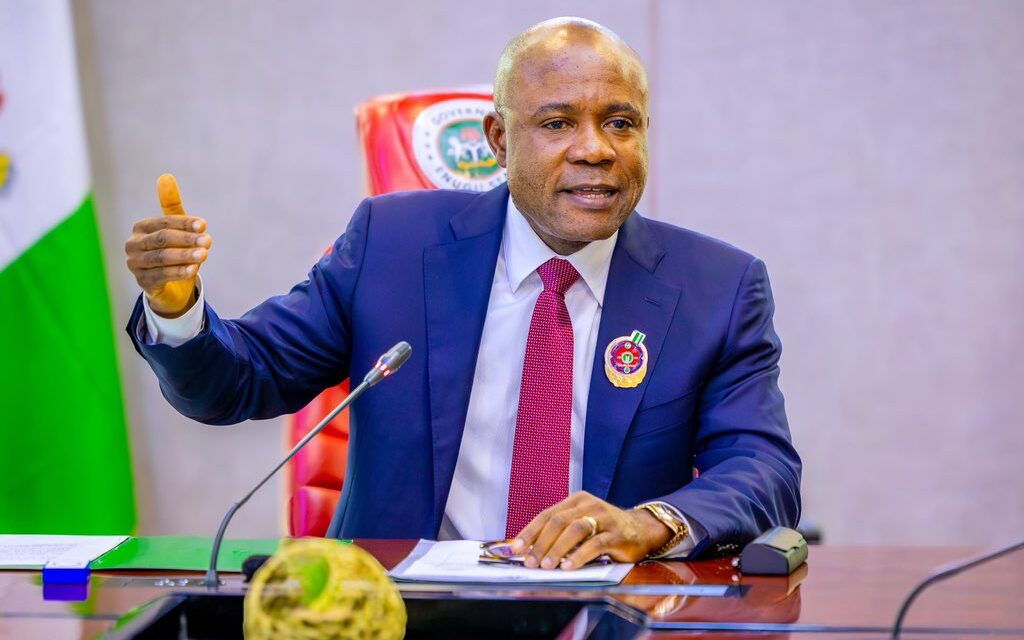
Enugu State Governor, Dr Peter Mbah, has reportedly relaxed the existingBREAKING: Mbah Extends Enugu Curfew to 10pm, Stops Ticketing of Keke Riders 9pm curfew in the state, extending the permitted movement time to 10pm for motorists and other road users.
The governor also directed an end to the ticketing of commercial tricycle operators, popularly known as keke riders, under the previous enforcement arrangement.
Mbah announced the decisions on Saturday, October 17, 2026, during the #OneMillionManMarch organised by the Tricycle Riders Union in Enugu.
The rally also witnessed the endorsement of Governor Mbah and President Bola Ahmed Tinubu by members of the union.
The latest directives are expected to ease movement restrictions, provide additional operating hours for commercial transporters and allow residents more time to conduct their legitimate businesses.
More details shortly…

-
 Politics3 days ago
UNPOPULAR? Abati Seeks Confirmation of Ebonyi Gov’s Name During Interview With Anyichuks
-
 Politics4 days ago
Ebonyi Students Endorse ANYICHUKS, Declare ‘We Won’t Support a Failure’
-
 News3 days ago
2027: APC, APGA Rift Deepens Over Support for Tinubu’s Re-election
-
 Politics4 days ago
Tinubu Inaugurates APC Presidential Campaign Council, Vows to Renew Covenant With Nigerians in 2027
-
 Politics4 days ago
I will be busy fixing Nigeria, will not attend all campaigns- Tinubu
-
 Politics4 days ago
2027: Kwashy and Friends For Peter Mbah Vows Landslide Victory for All APC Candidates
-

 News3 days ago
NCDMB Tasks Anambra Journalists on Local Content Advocacy, Accountability in Oil and Gas Sector
-
 News3 days ago
FG Reopens First Niger Bridge After 38 Days of Rehabilitation, Umahi Rallies Support for Tinubu’s Re-election