


News
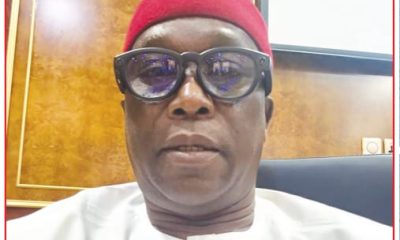
I’m committed, focused on capacity to govern Enugu — Dr Jeff Nnamani

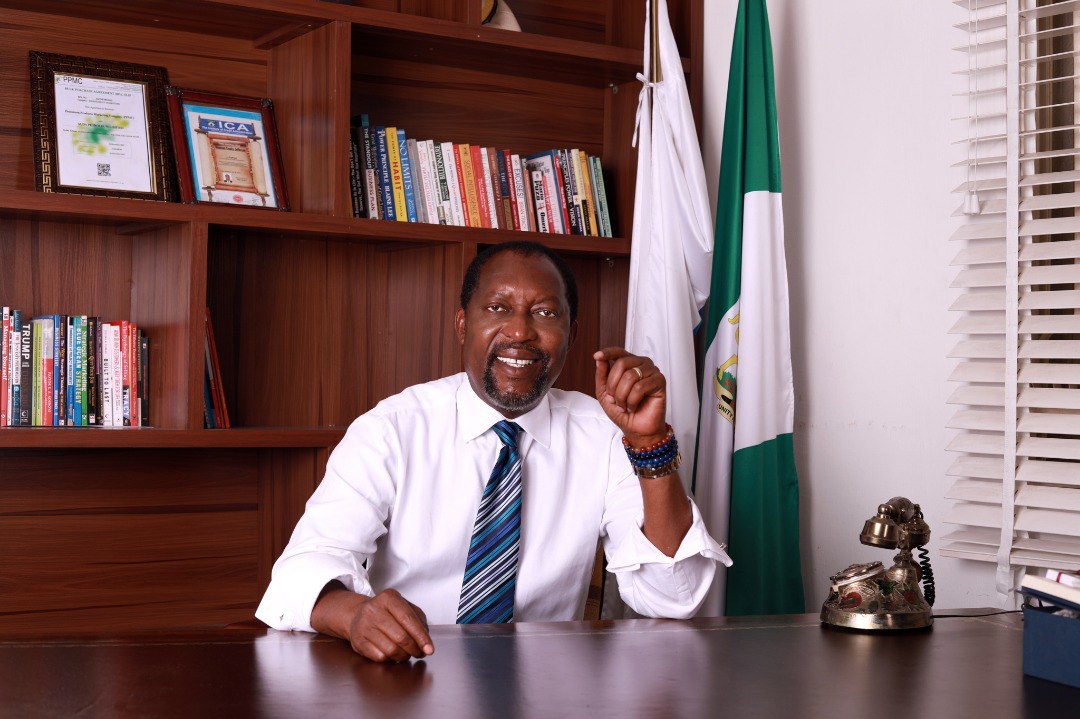

Dr. Jeff Nnamani who hails from Agbani in Nkanu West Local Government Area of Enugu State is in the race for the State’s 2023 Governorship Election as an aspirant on the platform of the All Progressives Grand Alliance (APGA). He fielded questions on sundry issues of importance to both the State and the nation in general. Excerpts…
Generally, you are perceived as a new player in the Enugu State political field. How correct is that perception and what does it imply for your current aspiration?
Really, I doubt if there is any political player of note in the State since 1999 to date that will tell you that Jeff Nnamani is unknown though I have, as a matter of principle, deliberately refrained from partisan politics until now. My coming on to the field now to vie for public office is equally deliberate. For so long, the state has been badly run. And I have come to the realization that most of those we have trusted in the past to lead our state have wrongly construed the meaning and implementation of what public service entails.
You said most of the Leaders the State has had since 1999 have wrong impression of what Public Service entails. Could you explain this opinion of yours better?
Unfortunately, Enugu State, in the last 23 years, has not been led well along the modern ethos of public service. How you serve people is different from people serving you; so that’s exactly why I decided to come and serve.
We want to bring in new era of governance. The old way is personal wealth acquisition using the instrument and facilities of State, and this old way is selfish. It is why our State has had arrested development while a callous and selfish set of government-facilitated power mongers have been holding the state down and keeping the people poor and subjugated. So, it is the need to do things differently and institutionalize a new approach to public service that’s making me offer myself in service.
So, in a nutshell, what is your mission?

My mission is to liberate Enugu state from the hands of people who believe that politics or power belongs to them because power truly belongs to the electorates, not the elected.
I need to let Ndi Enugu understand that our state needs to be rescued from sliding any further. There is massive youth unemployment, decaying infrastructure and despondency all over the state but those in power are amassing unbelievable wealth by diverting state resources.
But why is it taking you this long to come out with this Liberation Agenda?
I wouldn’t say it has taken too long. Rather, I would like to believe that we are coming at the right time, after having watched the players on the scene over an appreciable length of time and realized that none of them has the capacity to bring anything new and progressive to bear on the state. I am led to embrace my current mission because the end of the current governance culture is not looking good for the future of Enugu State that we desire collectively. For instance, the youths are getting more agitated. Government has failed them woefully. We are in the 21st century and people are getting wiser; the world is just a global market place now, so you cannot keep on personalizing government and think that it will continue forever. After a while, people will start asking questions and the consequence may not be good for all.
For me, this is the best time to let Enugu people know that there’s a better way to serve them, and this better way to serve them is that the leader has to be seen as the number one servant of the state.
What major ills of government of the day have you identified that require urgent corrections?
Governance in the state has for too long been run top to bottom with the leaders treating the people as beggars. The government has not been a listening government. Most of the things that made Enugu great in the 70s and 80s have been destroyed – the factories, the enterprising spirit of commerce, health facilities and many others. The last industrialization of the state was in the 80s and it was done by a man called Jim Nwobodo who is still alive. All investments that we are talking about today that’s moribund was done by him. The roads, health facilities, vibrancy of the civil service and so on have all been destroyed in the last 23 years of PDP in the state. Even at the local government level, it is pathetic. The most important tier of democracy is the local government; if you cannot empower the local government very well, liaise with them, follow their projects that benefit the people, then you are killing democracy.
What I am saying is that the resources that come into and from Enugu state must be prudently used for the betterment of the people. The people are being punished unnecessarily because people in government have failed to devise sound policies on strategic resource investment, deployment and management. 2023 is the right time to redefine public service to reflect the fact that when you talk about public service, you have to live life with integrity and accountability because you can never live above the people you serve.
Your campaign theme, and the brand identity you’ve been projecting so far have two concepts- 042 original and O be go. What do these two concepts mean and what do you want to give to the people through the concepts to answer their yearnings for good governance?
First of all, 042, on the surface, is a social identity of Enugu state. So, each time we refer to ourselves as 042, we believe we are passionate about it because we grew up in Enugu, we saw the good life in Enugu. We are proud Enugu people, and seeing Enugu deteriorate gradually to the point it is now, we have chosen to re-awaken our sense of pride and dignity. Look at Ebonyi and Anambra that were created out of the old Enugu State with 042 as the capital then; they are progressing while Enugu has been put in a retrogressive mode. So, the concept of me picking 042 original, I added the original because I’m an original 042, is to signal the resolve to rescue and restore Enugu to its original state of excellence.
And, what does O be go stand for?
O be go means it is over; it is enough; it has ended. So, when I say O be go, it means that whatever that is our problem in governance has ended. So, misrule has ended, mis-governance has ended, imposition has ended, embezzlement has ended, everything in Enugu that is bad has ended. However, it is only the ones that are bad that have ended, any other thing that is good will continue. So that’s why I say O Be Go, your yearnings have been heard. I’m coming out to ensure that all your yearnings will be answered to. O Be Go, it is time, enough of what is happening. So we can move forward to the future of Enugu state.
There is a growing call in the state that zoning should be respected in the choice of the next governor in 2023. What is your take on the idea of Zoning?
To be truthful, zoning has been okay for Enugu state people and anybody who is saying there should be no zoning is just trying to project a selfish idea. It has contributed tremendously to making the state relatively peaceful. In actual fact, if it wasn’t the turn of Enugu East where I come from, I would have tried to look for and support another like-minded aspirant with burning desire to drive this Liberation project.
But, there are those who argue that Zoning does not encourage competence…
Yes, I recognise there is a bit of a disadvantage to the State in the way the ruling party has corrupted the noble idea of Zoning which all well-meaning Enugu people love and embrace. That is why I cannot be in the party in government today because I have a different mindset that does not fit into their template of governance. I don’t believe that we should have one party in Enugu state. Competition brings results and where there’s no competition, it brings lethargy, meaning nobody is answerable to anybody. Once you come in, there’s a parlance they use in the ruling party, OJEBEGO and they have tried to impose it on the entire state. It means, it is gone so, even if the people have no trust in you but the party leadership and its caucus have anointed and selected you, they give it to you. So, if the people didn’t give you power, you can’t be answerable to them. That’s exactly why succession planning gotten wrong can also give you a bad result.
Zoning is good enough, but in the zoning, it’s not everybody that’s innately called to serve. We must separate those who love to use Zoning to oppress the people and those who genuinely embrace the idea because of pure public service. People who believe that they have to use public funds as if it is theirs, they are not innately called to serve.
There is also the view by some of the leaders in the state that the sitting governor has the right to pick his successor. How true is that and what’s your take on this view?
For me, it is a sign of impunity taken too far, and it’s because of the ruling party’s disrespect for the people, especially their democratic rights. If you’re a political party and you have your internal arrangement to impose candidates on your party members, it’s fine by you. But remember, when it comes to the polity itself, where you have other parties, where you have people who are independent minded, where you have people who want to vote for a very good candidate, you don’t tell them that the governor has a right to pick his successor. It is in bad taste and undemocratic.
The generality of Ndi Enugu abhor it. You can’t impose somebody on an entire state and tell me to vote that person because that is the person the governor brings. No, that’s not democracy, that’s not the politics we want to play. That’s why we in APGA are saying bring it on, just bring a candidate, let’s get to the field, and let’s subject ourselves to the people because the people have the right to ask what you want to do for them through the office you are vying for.
Why did you pitch your tent with APGA and not with the PDP or APC?
The decision was very simple and easy for me to make. When you try to change the mindset of some people towards public service, towards sacrifice and the best way to rule people, but you find out that it is highly impossible to do so on certain popular platforms based on some people using succession plan, based on expectations on succession plan, you can’t play in that field. In some of the so-called political parties, everybody believes money is the most important thing needed to become a leader. These leaders with money whose source of money cannot be cleanly explained are the same people who call themselves core politicians but they disregard the power of the people. You can be very rich, you can acquire all what you want to acquire personally but in the long run, it’s not service. And there’s no way I can get involved with such people, given my orientation and personal character. For me, what we are saying is we have to move from the level of personal wealth acquisition in governance to public service and public wealth creation and management. Ten people’s wealth is bigger than one man’s wealth.
So, you are saying APGA is better?
Sincerely, I believe that APGA resonates what governance is supposed to be; because after reading APGA’s constitution, I felt that this party can listen to the grassroots. They can govern very well; there will be accountability in this party; there will be integrity in this party; this party has a character of saying no, this is our pride, this is how we want to do this; and this party is starting from bottom to top. Taking all the foregoing together, I had no hesitation registering to be an APGA member; and in my time in APGA, I am happy to say the structure and culture have re-enforced the belief that we will try to play the politics of service, try to play the politics of respect for the people who vote. APGA believes that if people have trusted you to serve them, you have to serve them. You have to show what it is to be the number one servant of the state. I am totally at home with the ideology.
You said something earlier about government being a continuum. However, there is growing public outcry about the issue of public debt, especially debts being piled up by state governors. What’s your take on public debts, especially by state governors?
I think states borrowing is, in itself, not a bad thing. The issue is what are the debts for? Like I said, governance is a continuum, it’s a continuity of investment. If for instance, I’ve invested 400 billion, and I borrowed the money anyway and I invested it for my state and by the time I’m handing over there’s a debt of 250 billion left from what we have borrowed, I should be in the position to let the incoming governor see the debt profile and how we are paying these debts, and the investment we have made with the debt. If you have done that, reasonably the facts will speak for themselves.
A state is a consortium. It has to move on, everything you are doing is on behalf of the people, so the people must give you the power to do it. Your house of assembly must give you the power to borrow, and when you’re going to borrow, the people must also accept. And that’s why I keep on talking about letting people know what you want to do for them or asking them where are we? Or what are your needs? If we follow that process, then we will move as we should. That’s basically how to let people know that whatever you’re doing, they are part of it.
You came out ahead of other people in your party as the first person that the people of Enugu state heard to be interested in the governorship race on the platform of APGA. But after you, your party seems to be having influx. What stands you out amongst all the APGA aspirants today?
The good thing about the scenario you mentioned is that it is a very good revelation. I mean the revelation that in any political dispensation, there will always be political jobbers and genuine people who share the aspirations and yearnings of the masses. The field welcomes all, including those looking for opportunities to play politics to see what they can get personally and not to serve the people. For me, I joined the APGA party before the local government election because I knew it was the right time to join the party. Together with loyal APGA members all over the state, we did all we had to do to compete in the local government election. I knew the party needed muscle then. And I offered myself to team up with the party at that demanding time because I believe greatly in the ideology of the party. By the grace of God, it was a good outing for the party, regardless of what the ruling party and the electoral umpire connived to do. To me, it doesn’t matter. What matters is that we have tested the ground and we know that we are on ground. We know that people are actually queuing up behind APGA and that gives us so much joy. So, if after that positive outing of the party, other people start joining the stage, for me, the bigger, the merrier.
Are you saying the sudden influx of members of other parties defecting to APGA to declare governorship ambition does not affect you?
I am a disciplined, committed and focused person with great capacity to remain on track once I am convinced it is the right way to go. I don’t allow distractions into my life. The project I am pursuing is about the people and the future of a state I love dearly. It is not about my person because, by the grace of God, I am eminently contented with what God has made of me materially, professionally and even, spiritually. There are some people joining the party now and we know their plans are not in the interest of progress for the state. Some want to scuttle APGA; they want APGA to remain unseen. They want APGA not to have viable candidates to campaign, they want APGA to become part of a one party state. So these are the plans we know some have and these are the plans we learnt they’ve been having towards this particular party for some time. To those people, my advice is that this has to stop. You are doing a disservice to the founding fathers of APGA and to the thousands of loyal members who have built the party over the years with their resources, sweat and blood. You are doing a disservice to the average Igbo man. You are doing a disservice to our future generations to come because you have to bequeath alternatives for your children to pick from. If you don’t have alternatives, then it is about enabling a one man autocratic movement, and that is not democracy.
Anambra is Enugu’s neighbor and an APGA state. Any correlation between your dream and what is going on in Anambra now?
If a governor of APGA extraction assumes office in Enugu, the state will not remain as it is now. Just look at Anambra, watch the developmental performance of Anambra since it has been with APGA, starting with Peter Obi. It’s been fantastic. Go to Anambra, they are moving like lightening but Enugu is not moving that way because Anambra will have elections, you will see PDP, you will see LP and other parties competing. This is where democracy is being enjoyed. In Enugu, I do not see why somebody cannot criticize a sitting government. They are doing so much to tie down the state as a one party fiefdom. Competition and customer feedback are being destroyed by the party in power. And, if you don’t want to accept criticism, which is what we call customer feedback, you cannot improve.
For the first time since 1999, APGA fielded candidates in an election in all the 17 Local Government Areas of Enugu State without stepping down but actually going as far as contesting. What does that tell for 2023 and what went into achieving that feat in the February 23rd Local Government election?
Really, APGA has contested elections very well in the past and it was a very keen contest. I think it was after that election that the PDP perfected the wicked strategy of killing APGA. So, they infiltrated the party and made sure that come whatever, the APGA party will not see the light of the day. But, now we are coming back to say no, we have to make sure that this party is fully on ground; in the 260 wards of the state, the 17 local governments, everything. We have to have the structures put back in place, and we will nurture these structures with commitment. The APGA leadership, especially the current EXCO, have shown great bravery and commitment to the party ideals. So also the people at both ward and local government levels. And I am optimistic that we will all keep up this new found spirit of resilience. APGA needs to give the people an alternative voice. People are suffering, they don’t have alternative voice. Everything PDP gives Enugu state today, is as good as done; whether the people like, or they don’t like. People are not happy, but the ruling party doesn’t know or doesn’t care that people are not happy.
For the presidency, there is also agitations that it is the turn of the southeast. What’s your take on that?
If everyone is saying it is the turn of the southeast, we actually merit it. But the problem is, are the political parties sincere with keeping to the terms of agreements?
For the sake of the peace, unity and progress of the country, the political parties, if they are very sincere that it is the turn of the Igbos to bring a president, should all present presidential candidates from the Eastern part of the country and then let the candidates campaign across the whole country for the best to be chosen by the people. If we all agree it’s the turn of the Igbos, let’s see it at the primaries.
Finally, what other message do you have for your followers, for your party people and for Enugu citizens in general?
The power of a nation or a state is in the youths. So, the human capital development programme we want to put in place will see our young people aspiring to be the best they can be in every facet of life. Our socio-economic blueprint is detailed about what we have to do to harness our state’s talents and resources to ensure that our people live the quality life befitting the 21st century. So, I am praying that God will help our people to change their mindset to see that this N2,000, N3,000 crumbs the wicked politicians give to them to buy their votes is man’s inhumanity to man and wickedness of the highest order.
I wish the youths, the women, the retirees and the eligible voters, especially all Ndi Enugu who are above the age of 18 years could imagine the future and what we have in mind for them. Unfortunately, it’s only God that can direct people, and I’m praying to God to direct them to have the wisdom to listen and act right, for the sake of the future generation. It is unfortunate that our people have been impoverished to the extent that they see nothing wrong in worshipping money that comes from anywhere. But I wish they would trust us with regard to our plans, so we can bring out the best in every and all Ndi Enugu, starting from the youths.
——END—–
“If You Have Evidence Against Stanley Mbam, Charge Him; Otherwise, Release Him” — Oganiru Izzi
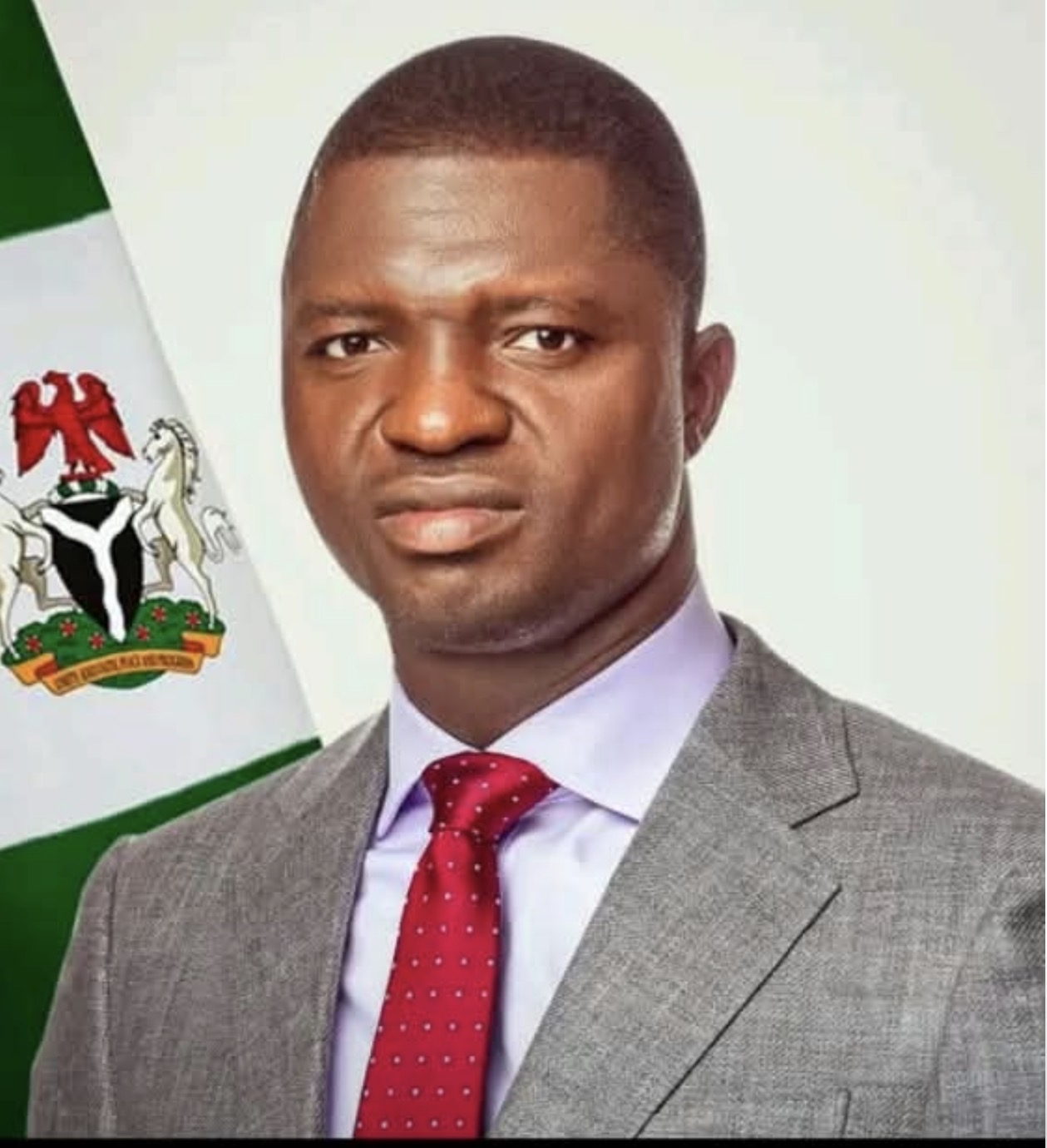
A socio-cultural organisation of Izzi extraction, Oganiru Izzi, has challenged Ebonyi State Governor, Chief Francis Ogbonna Nwifuru, to either release the state’s sacked Commissioner for Works, Mr Stanley Mbam, or charge him before a competent court if the government has credible evidence of wrongdoing against him.
The group said the continued detention of the former commissioner without a formal charge raises concerns about due process, constitutional rights and the rule of law.
The leader of Oganiru Izzi, Mr Godwin Mbam, made the demand while speaking with correspondents of National Issue Newspapers at the Crack Department of the Ebonyi State Police Command in Abakaliki.
Mbam condemned what he described as the prolonged detention of Stanley Mbam without allowing a court to determine whether he had committed any offence.
He challenged the state government to produce evidence if it believes the former commissioner committed a criminal offence.
“If there is credible evidence against him, charge him to court and let the court decide. If there is no case against him, he should be released,” Mbam said.
He also appealed to the Ebonyi State Police Command to uphold the Constitution and resist any pressure that could result in unlawful detention.
Vanco Flyover: “We Will Reveal the Full Details”
Mbam also issued a three-day challenge to Governor Nwifuru, declaring that if the former commissioner was not released or charged to court, his organisation would make public what it described as the “full details” of the Vanco Flyover project.
According to him, the proposed disclosure would address issues surrounding the project, including its funding, payments, contractual arrangements and other financial details.
“We will let the world know the full details of the Vanco Flyover and how the funds were utilised,” he warned.
He further challenged the state government to demonstrate transparency by making relevant documents concerning the project available to the public.
“What About the Alleged ₦1.5 Billion Forfeiture?”
The Izzi group also questioned what it described as the selective application of the state government’s anti-corruption campaign.
Mbam referred to allegations involving an account reportedly frozen by the Economic and Financial Crimes Commission (EFCC) and an alleged ₦1.5 billion forfeiture to the Federal Government.
He questioned why, according to him, the governor had allegedly not taken similar action if the facts surrounding the matter warranted it.
Mbam stressed that he was not opposed to the fight against corruption but insisted that any anti-corruption campaign must be comprehensive, transparent and applied equally.
“If Governor Nwifuru wants to fight corruption, let him fight it holistically. Nobody should be targeted while other serious allegations are ignored,” he said.
“If Nwifuru Says He Knows Nothing, We Will Produce the Facts”
Mbam further challenged Governor Nwifuru to publicly state whether he was aware of alleged corruption issues within the Ministry of Works.
“If Nwifuru publicly claims that he is unaware of corruption in the Works Ministry, I will make public the facts available to me. The facts will shock the state,” he declared.
He insisted that the matter should not degenerate into a political vendetta, arguing that the appropriate place to determine criminal liability is a court of law.
According to him, the people of Ebonyi State deserve clear answers concerning the Vanco Flyover and other issues involving public funds.
“Everybody Should Be Subject to the Law”
The Oganiru Izzi leader maintained that the controversy should be resolved through transparency, documentary evidence and due process.
“If there is a case, charge him. If there is no case, release him. The government cannot claim to be fighting corruption while abandoning the principles of justice and the rule of law,” he said.
Mbam warned that failure to address the issues could compel the organisation to make further disclosures concerning the Vanco Flyover and other matters it considers to be in the public interest.
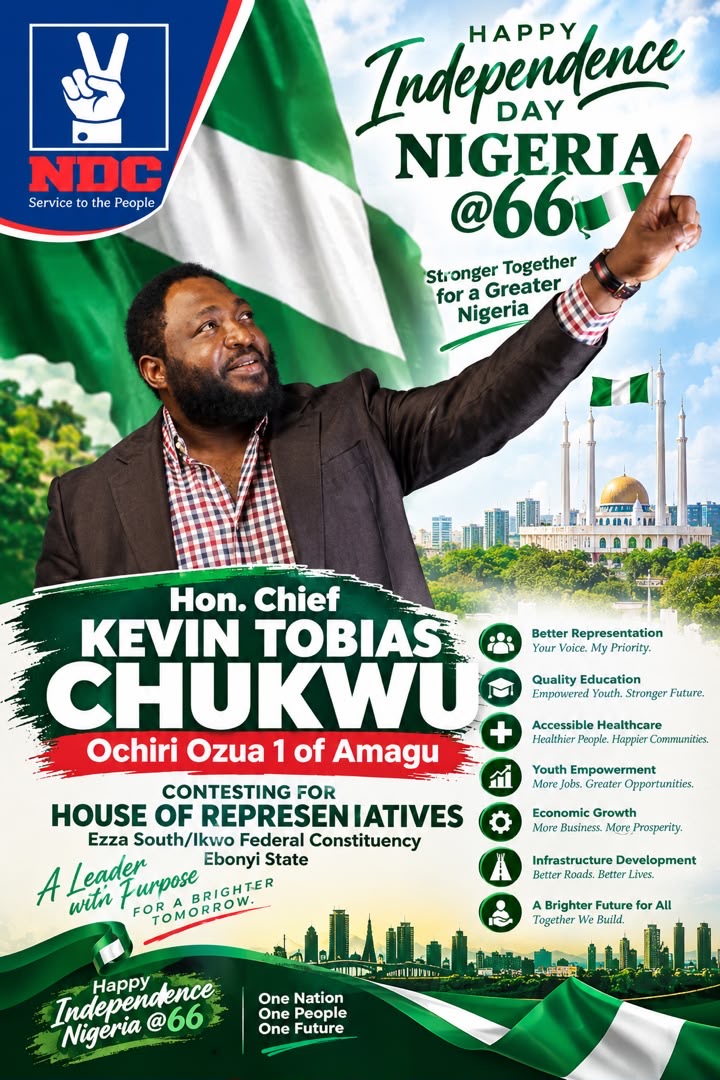
By Our Correspondent
As Nigeria celebrates its 66th Independence Anniversary, the candidate for the House of Representatives seat representing the Ezza South/Ikwo Federal Constituency, Hon. Chief Kevin Tobias Chukwu, has called on Nigerians to remain hopeful and committed to building a better country.
Chukwu, also known as Ochiri Ozua 1 of Amagu Ikwo, made the call in an Independence Day message to Nigerians, particularly the people of Ezza South/Ikwo Federal Constituency and Ebonyi State.
He described the anniversary as not only a moment for celebration but also an opportunity to reflect on the state of the nation and the responsibilities of leaders in building a Nigeria that meets the aspirations of its citizens.
According to him, Nigeria’s journey since independence has been marked by significant challenges, with millions of citizens currently facing economic hardship, while young people continue to search for opportunities and many communities contend with insecurity and uncertainty.
Despite these challenges, the Ebonyi politician said the resilience of Nigerians remained a source of hope for the country’s future.
“I believe in the resilience of our people. I believe in the ingenuity of our youths, the strength of our women, the wisdom of our elders and the determination of ordinary Nigerians who wake up every morning and refuse to give up on this country,” he said.
Chukwu, however, stressed that hope must be matched by responsible leadership, arguing that public office should be viewed as a responsibility rather than a privilege.
He called for leadership that prioritises the protection of lives, creation of economic opportunities, provision of infrastructure, strengthening of institutions and responsible management of national resources.
The candidate also emphasised the need to create an environment where young Nigerians can pursue successful lives within the country and where hard work, merit and enterprise are rewarded.
He said Nigeria had “come too far to surrender to hopelessness,” urging citizens and leaders alike to remain committed to the country’s progress.
“A better Nigeria is still possible, but it will require responsible leadership, accountable institutions and citizens who refuse to give up on their country,” he said.
Chukwu concluded by expressing optimism about Nigeria’s future, declaring: “Nigeria will rise. Nigeria must rise. And together, we must build the Nigeria we deserve.”
He also paid tribute to the nation’s past heroes, praying that their sacrifices would continue to inspire the country.
“May the labour of our heroes past never be in vain,” he said, as he wished Nigerians a happy 66th Independence Anniversary.
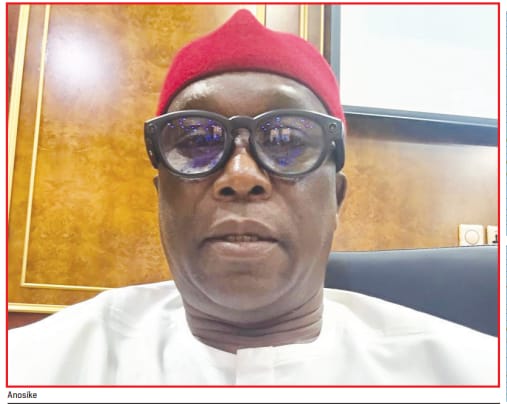
By Okey Maduforo, Awka
As Nigeria celebrates its 66th anniversary of independence from colonial rule, democracy in the country has continued to evolve and deepen, the Anambra State Chairman of the All Progressives Congress (APC), Senator Emma Anosike, has said.
Anosike made the observation in a message to mark Nigeria’s Independence anniversary, noting that despite the challenges the country had encountered since 1960, its democratic system had continued to improve under successive administrations.
According to him, since the return to democratic rule in 1999, Nigeria has witnessed relatively smooth transitions from one administration to another, while citizens have continued to exercise their fundamental rights to hold governments accountable for their performance.
“Before the return of the democratic process, it was indeed difficult and near taboo to challenge the leadership of the country, and those who may have attempted it in the past faced grave consequences.
“Similarly, we have had smooth transitions from one dispensation to another, producing five presidents through the ballot and not through the barrel of the gun. These elected presidents were produced by different political parties.”
Anosike said the administration of President Bola Ahmed Tinubu had sustained the country’s democratic principles and created an avenue for Nigerians, irrespective of tribe, race or religion, to express their views on government policies and programmes.
“Under the stewardship of President Bola Ahmed Tinubu, Nigerians have been enjoying the freedom to express themselves over issues, policies and programmes of government, and those expressions have been shaping and guiding the administration of Mr President,” he said.
The APC chairman said Nigeria’s 66th independence anniversary provided an opportunity for citizens to reflect on the country’s journey as a nation and the progress made since independence.
He said President Tinubu’s Independence Day broadcast had offered another opportunity for Nigerians to renew their hope for a greater and more prosperous country.
Anosike also commended what he described as the “enormous infrastructural development” taking place across the country under the Tinubu administration.
He urged Nigerians to continue to support and have faith in the administration as the country approaches the 2027 general elections.
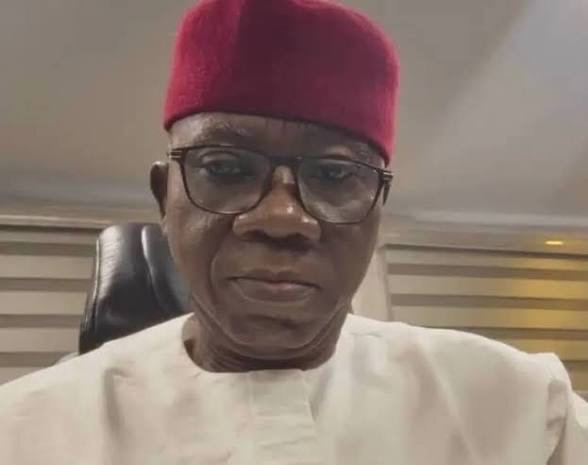
An Elder Statesman, Chief Hycienth Ngwu, has called on political leaders and policies formulators to ensure governmental policies and programmes directly touch lives of the people and reduce hardship in the country.
Ngwu, who is a prominent community leader in Enugu, urged Nigerians to maintain peace within neighbourhoods and communities, as no meaningful development can take place without peace.
The statesman made the call on Thursday in Enugu while reacting to the developmental efforts of Nigeria at its 66th Independence.
He said that previous and present administrations had put in place policies and programmes to reset the socioeconomic fabric of the nation.
Ngwu said that while the removal of fuel subsidy, and unification of the foreign exchange had good intentions, their impact is yet to reflect on the lives and livelihoods of vast majority of Nigerians.
He urged leaders to ensure that public resources were properly managed while citizens remained patient with reforms aimed at improving the socioeconomic status of the country.
The elder statesman noted that at 66th independence, the country was still struggling on keeping its peace and co-existence as a country; adding that the founding leaders of Nigeria envisaged a closely united, bonded and peaceful country.
He called for return to policies that promote local production, indigenous industries and entrepreneurship, arguing that excessive dependence on imports had continued to weaken the country’s productive capacity.
According to him, we are yet to achieve economic independence even as we needed to do more on non oil revenue earns as the greater part of the world is moving towards greener and clean energy.
“Greater emphasis should be on skills acquisition, creativity and entrepreneurship education system, as academic qualifications without practical skills could leave graduates dependent on scarce white collar jobs.
“We ought to be economically productive nation capable of producing and exporting goods while developing its human capital,” he said.
Ngwu noted that current insecurity and social instability could be partly attributed to poverty and ignorance, while calling for greater honesty and trust between leaders and citizens.
“Corruption, tribalism and selfishness must be addressed if Nigeria is to achieve peace and lasting progress,” he added.
He also called for the scrapping of state electoral commissions as they have not helped in deepening democracy at that level. The National Election body should take over that responsibility.

As Nigeria marks its 66th Independence Day, Macmaduson Concepts Limited, a leading provider of HVACR,industrial parts, sensors, electrical and plumbing materials, has extended warm Independence Day greetings to its customers, clients and business partners across the country.
In a goodwill message to mark the occasion, the company expressed appreciation to its valued customers for their continuous support, trust and partnership over the years.
Macmaduson Concepts Limited, which specialises in HVACR,Industrial Materials, sensors, air-conditioners, refrigerators, cold rooms, chillers, refrigerants, electrical materials and plumbing materials, said the occasion provides an opportunity to celebrate Nigeria and reflect on the nation’s journey.
The company wished Nigeria continued growth, unity, peace and prosperity, while expressing hope for a brighter future for all Nigerians.
The message from the company reads in part:
At Macmaduson Concepts Limited, we celebrate our great nation, Nigeria, and appreciate our valued clients for their continuous support, trust and partnership. May Nigeria continue to grow in unity, peace and prosperity.”
The company concluded its Independence Day message with the theme: “One Nation, One People, A Brighter Tomorrow.”
Happy Independence Day, Nigeria!
Happy 66th Independence Anniversary from Macmaduson Concepts Limited.

-
 Business3 days ago
No Bad Blood Over New Cement Factories, But Our Mining Rights Run Till 2045 — Ibeto Tells Ebonyi Govt
-
News3 days ago
Nigeria at 66: Macmaduson Concepts Limited Sends Independence Day Greetings to Clients
-

 Sports3 days ago
Enugu Speaker’s boxing talent hunt unearths 5 budding stars
-
 Crime4 days ago
Five Arrested By Police For Wearing ‘Tinubu Must Go’ T-Shirts
-
 Politics4 days ago
EBONYI 2027: The People, Not Individuals Will Decide Who Becomes Governor – Igwe
-
 News3 days ago
66th Independence: Elder statesman wants policies to reduce hardship, calls for peace
-
 Politics3 days ago
Ebonyi Guber: ‘Our People Deserve Better Government,’ Odii Insists
-
 News3 days ago
Nigeria @66: Democracy Evolving, Says Anambra APC Chairman Anosike