


News
Ex-Federal Permanent Secretary Commends Ugwuanyi on Community Development

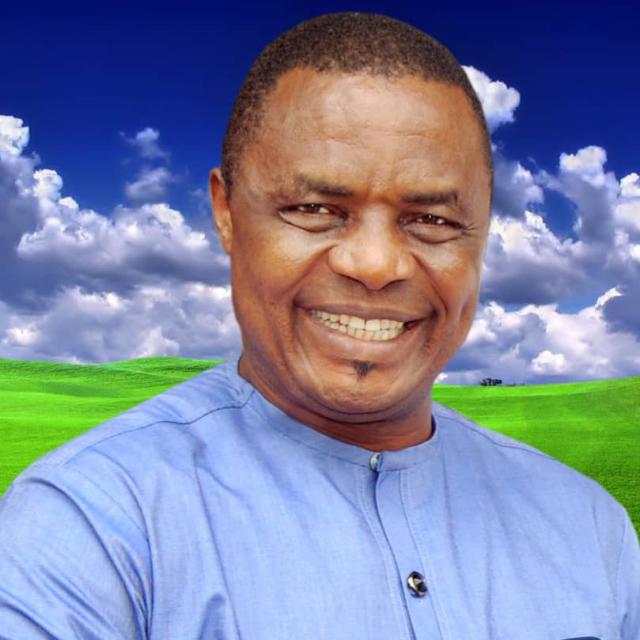

Odalije, Sir Chinyeaka Ohaa, the immediate past Permanent Secretary, Federal Ministry of Power, Abuja has commended the effort of Enugu state government led by His Excellency, Governor Ifeanyi Ugwuanyi, in introducing and sustaining what he called, “the novel idea of Basic Community Government, facilitating bottom-to-the-top approach to infrastructural development, as a paradigm shift from the previous governance structure in Enugu state.”
Speaking in a keynote address on the topic, Entitlement Expectation Bogeyman and the challenge of Basic Community Government in the 8th Edition of the Annual Conference of the Nigeria Political Science Association (NPSA) hosted by the Coal City University, Enugu, Sir Chinyeaka Ohaa took a brief look at the pre-independence Eastern Nigeria projected economic trajectory from 1955, which led to the erection of industrial estates or parks such as:
- Aba light industries which presently limps for reasons of subsequent failure of infrastructure. The Aba light industrial plan was designed, and it took off, as a corridor to coalesce with Port Harcourt in present day River State;
- Biotechnology industries for Umuahia (also presently limping);
- Steel, heavy industry and automation for Emene (now non-existent for failure of infrastructure);
- Cement and building material belt for Nkalagu, Calabar, Port Harcourt (largely surviving today on the wings of private enterprise);
- Commercial/retail trading emporium for Onitsha (which has remained a huge success despite several incidences of vast destructions by war and seasonal fire disasters);
- Dairies, holidaying, private, group and corporate tourism for Obudu;
- Vast spread of plantations: cashew, oil palm, cocoa, coffee, timber, etc, coordinated for Oghe (present Enugu State), Okigwe (present Imo State), Obudu, Akamkpa, Itumbenuzor (present Cross River State), and many others nursed and harvested in present day Abia, Rivers, Bayelsa, Anambra; and,
- For necessity of the right kind of manpower or expertise, the University of Nigeria, Nsukka, arrived as the first composite university in Nigeria, offering professional courses, as three new other specialist universities were planned out for Port Harcourt (Science & Technology), Nnewi (Medical Sciences), Omor/Uzouwani (Agriculture), Owerri (Education), Enugu (conglomeration of colleges), etc. These were to stand side-by-side with varieties of specialist institutes in the areas of Administration, Management, Arts, Culture, Law and Customs, etc.
“The Emene plan,” according to Sir Ohaa, “Was to be a 90 kilometre industrial corridor stretching from Emene in present Enugu State, through Abakaliki in Ebonyi State, to Ogoja in Cross River State. Perhaps, if it had not been interrupted, it would have been connecting with Bamenda in Cameroon.
These ambitious start-ups were to be serviced by coteries of feeder industrial and agricultural outlets which were to jut from, and through, some localities primed to form their own clusters. “
Continuing, he emphasised, “Of course, we know what adverse effect the civil war had on the entire plan. We are also conversant with General Gowon’s civil war strategic political development which split the geo-economic entity into minute but disparate entities, forced to chart entirely independent, if not hostile, politico-economic identities.”
“But if the war tragedy was the reason for the collapse of these beautiful ventures in old Eastern Region, could it have been the same with other regions, which were into the same gainful development frenzy as the East at the same time?,” he queried
“Not exactly, I think.

While it may be the same in the case of the political actions leading to multiple state system, the nexus, I hazard, was that Nigerians had quickly gotten over fed on the malaise identified by Professor Nnoli of UNN when he said, “Widespread expectation of benefits from public administration at little or no cost to the citizen … because there is a strong heritage of government involvement in many welfare functions … consequence of this great expectation is that the populace is not eager to calculate or make allowances for the cost of providing these amenities”
Sir Ohaa continued, “We had this vast blessing of petroleum and other natural resources, but, at the same time, we had unfortunately, and regrettably too, cultivated this massive relapse into indolent, indulgent, and suckling, expectation tradition, giving birth to a culture of entitlement mentality.
The arrival of the screaming petro-dollar wealth was supposed to impress greater strides on these. But it also speeded up the rise in urban population ambivalence, indulgence, indolence and shiftlessness.”
Taking a swipe on the role of Nigeria political scientists in post colonial Nigeria, he said, “Granted that the suddenness of its arrival, the vastness of the proceeds, and flamboyance of the time, were humungous; yet, socio-political science scholars should not have been off-guard their critical role of keeping post-colonial Nigeria leaders on their feet while the boom burst into a recipe for the present economic crisis pervading the nation. Regrettably, this has quickly bloated this “expectation community”, which props the bogeyman called “entitlement mentality.”
“Remember, having started on that framework where the citizens operate on the premise that there are rights to be provided for as is the case in welfare states, a great percentage of Nigeria population perennially hibernate in the “entitlement tradition” or “expectation” culture.
I read about Nigerian intellectuals and analysts insisting that the presence of this bogeyman or the culture of “entitlement mentality,” so called, was a creation of practicing politicians. Some even go as far as attempting to situate the argument that politics, as a career, does not exist outside the beggarly tradition, which is the full manifestation of the “entitlement mentality.”
Conversely, pro-system scholars have situated that this, having originated in the welfarist colonial political management pattern, was sustained by those Marxist-socialist intellectuals who hold that the State is irreversibly indebted to the citizen for every item needed for existence and sustenance. However, as a trained professional manager of scarce resources, my thought is that we are currently faced with severe challenges on how to contain this bogeyman, ‘entitlement mentality.’
We remember, even as Professor Nnoli holds this as colonial heritage, in the old Eastern Region, East-Niger Igbo areas, have had our strong socio-economic culture of consensus-communalism, which spares no bogeyman. It is a practice that sprouted from age old culture. In the past, it aided us in sponsoring our brilliant sons and daughters to the best universities in Europe and America. We also erected numerous Community Secondary Schools, providing the platforms for our young ones to access education and advance in careers.
Till date, it baffles me that having known, participated in, and understood, these practices, the socio-political scientists, who specialize in the Igbo socio-political and cultural systems, have not paid much attention in building, formulating and spreading the principles of these informal institutionalized community governments across the south east Igbo heartland and elsewhere.
Already, there have been attempts by some governments to infuse life into this, but we know that government alone cannot be everything for everybody, forever time, at the same time. The Enugu State government under the leadership of His Excellency, Rt. Hon. Dr. Ifeanyi Ugwuanyi, has since realized the gains of this, and has been propping its brand of Community Government System quite impressively. To underscore its serious attachment to this, the State Government has so far recognized elected Presidents-General of over 400 autonomous communities in the state as integral part of community government system, besides ensuring the pride of place for our Royal fathers as the rallying points in community administration. Each President-General is paid monthly stipend. Most importantly, through the community government system, the State government, in 2017, approved the sum of Ten Million Naira grant for each of the autonomous communities, out of which Five Million Naira has already been disbursed to each community in the state for rural infrastructure.
It was an opportunity for communities to brainstorm, conceived and prioritize their development plans and execute same without interference from the top, i.e. the state government. Some communities preferred to repair their boreholes, schools, health centers, local markets, etc. It was a rare privilege for every person, even at the lowest rung, to once in a life time, bear the burden of government, and have his date with the overbearing bogeyman.”
Sir Chinyeaka Ohaa droped a food for thought to political scientists as he enthused, “Please, permit me to now drop a challenge to our socio-political scientists who are supposed to be specialists in social organizations and political engineering to: conceptualize, outline, situate and dissect the principles of Community Based Governments (CBG) for the true activation of development in our communities; being also a panacea to pruning the edges of the bogeyman who, I dare hazard, is susceptible to being weaponized in the electoral and electioneering processes.
The urgency of now demands that we search for that which creates the institutional foundations on which the stability of the society is built, that which props sufficient platforms for the participation of the would-be disruptive bogeyman. Needless to emphasize that this can be found in retooling our community based government structures, which, no doubt, is the first line of understanding, percolation and defense of policies of government while, at the same time, exposing and training rising community leaders, and checking the dreaded “entitlement” bogeyman, in the working of government.
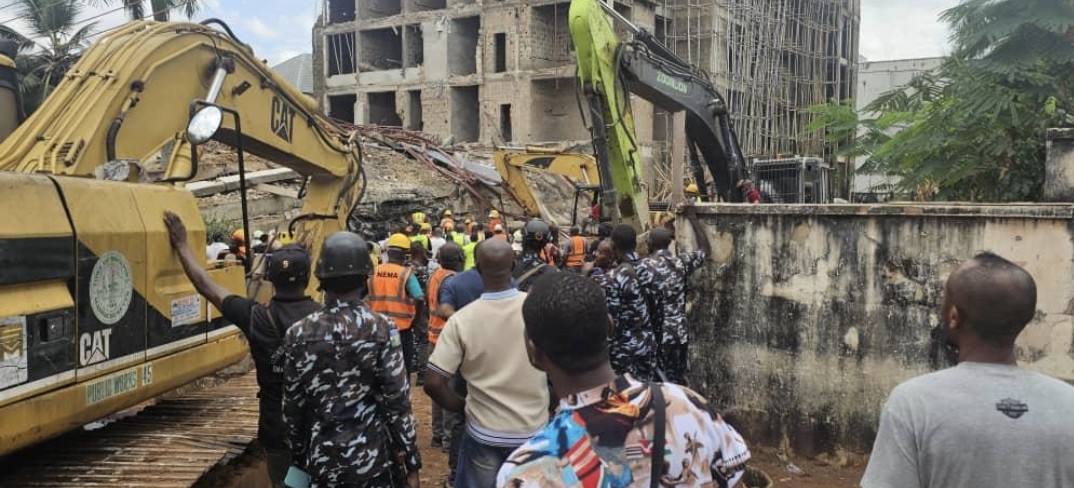
The Director of the Enugu State Fire and Rescue Service, Chief Okwudili Ohaa, has said the swift mobilisation of emergency resources by Governor Peter Mbah led to the rescue of five occupants trapped in a collapsed building in Enugu metropolis.
The uncompleted four-storey building, located along Ogbaru Street, by Alvan Ikokwu Street, Independence Layout, Enugu, collapsed in the early hours of Sunday.
Ohaa told newsmen on Sunday that all five occupants of the building, as confirmed by the security guard on duty, were successfully rescued.
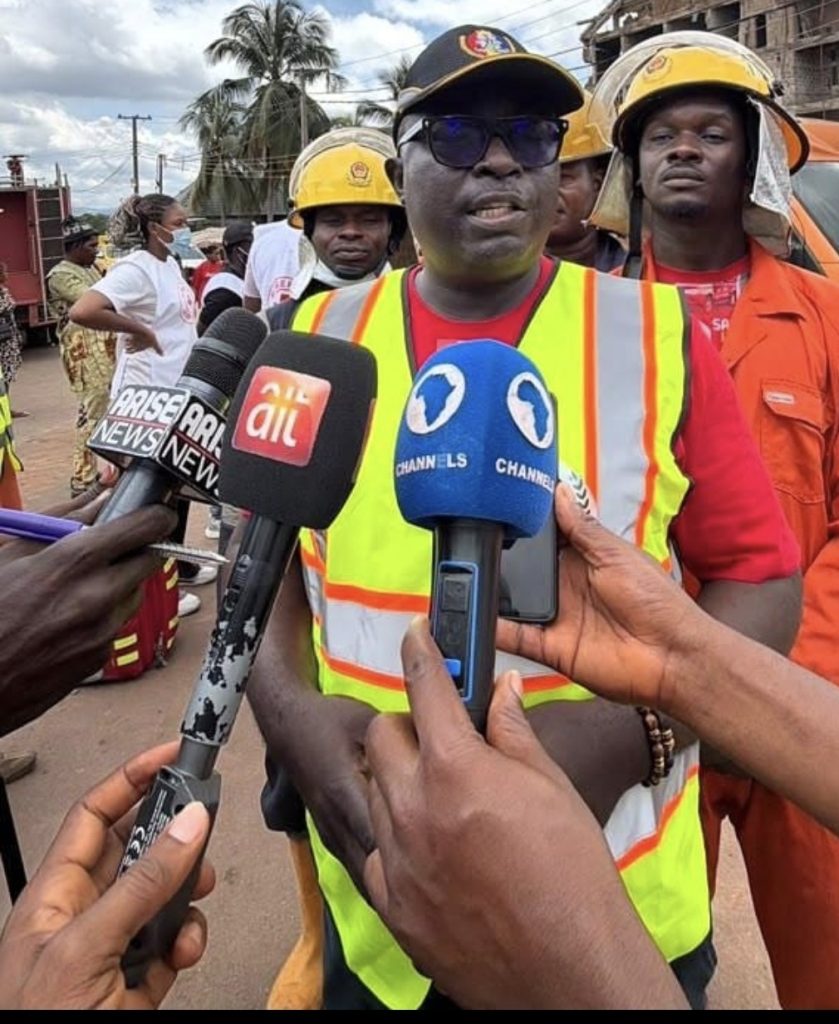
Ohaa
He said four of the occupants were rescued alive and conscious, although they sustained injuries, while the fifth person was rescued unconscious.
Ohaa commended Governor Mbah for his swift mobilisation of emergency response agencies, including the Red Cross, Enugu State Emergency Management Agency (SEMA), Enugu State Ambulance Services, the police and the Nigeria Security and Civil Defence Corps (NSCDC).
Other agencies and organisations at the scene included the National Emergency Management Agency (NEMA), Enugu Capital Territory Development Agency (ECTDA) and a Chinese construction company, which provided four heavy-duty cranes.
According to Ohaa, the governor alerted him about the incident early Sunday morning, prompting the immediate mobilisation of officers of the Enugu State Fire and Rescue Service to the scene with extrication equipment.
“His Excellency, Dr Peter Ndubuisi Mbah, must be commended for also mobilising adequate rescue equipment such as heavy-duty cranes, bulldozers and excavators, which ensured the rescue of the five persons,” he said.
Ohaa explained that rescue officers initially relied on information from the security guard to determine how many people were trapped in the building.
“As rescue officers, what we did was to ask the security man how many people were here. He said there were supposed to be six. One person had left before it happened.
“So, we were able at that initial time to rescue four persons. Out of the four, two sustained minor injuries and they were all rushed to a health facility for proper checks,” he said.
The Chief Fire and Rescue Officer said the fifth person was eventually recovered unconscious and taken to a health facility by the Enugu State Ambulance Services.
The NEMA Information Officer in Enugu, Mr Nnanyelugo Ezeani, also confirmed that five people were rescued.
He said the situation could have been worse because the state government had earlier sealed the construction site.
“One person among the six residing in the collapsed building was not on the site at the time of the incident, while five others were rescued and taken to the hospital,” Ezeani said.
Speaking on the incident, the Executive Chairman of the Enugu Capital Territory Development Agency (ECTDA), Mr Uche Anya, described the developer as one of those who failed to comply with building regulations.
Anya said the ECTDA had earlier taken regulatory action by sealing the site, which was originally approved in 2021.
“This property was approved in 2021 before the advent of this administration. But usually, we have a habit of stocktaking and checking on every construction at every stage.
“When I personally led the team that inspected here, we found out that there were serious integrity issues and non-compliance with their 2021 approval.
“I personally issued the first ‘stop-work order,’ which, due to the violation, resulted in our sealing the place over the last six months outrightly.
“So, I think within the last 30 to 40 days, the representative of the owner, whom they say lives abroad, has been interfacing with us to remedy the situation. This is the process that we are still trying to interface on, and it came down.”
Anya added that he had handed the owner’s representative over to the police to assist with the investigation.
“This is really a very unfortunate situation,” he said.

A four-storey building under construction in Enugu has collapsed, killing at least one person and trapping several construction workers beneath the rubble.
The incident occurred on Sunday morning at the uncompleted structure, reportedly being developed as a hotel, causing panic among residents and passersby.
According to authorities, six workers were believed to have been sleeping inside the building when it collapsed. Four workers have so far been rescued, while the body of one victim has been recovered.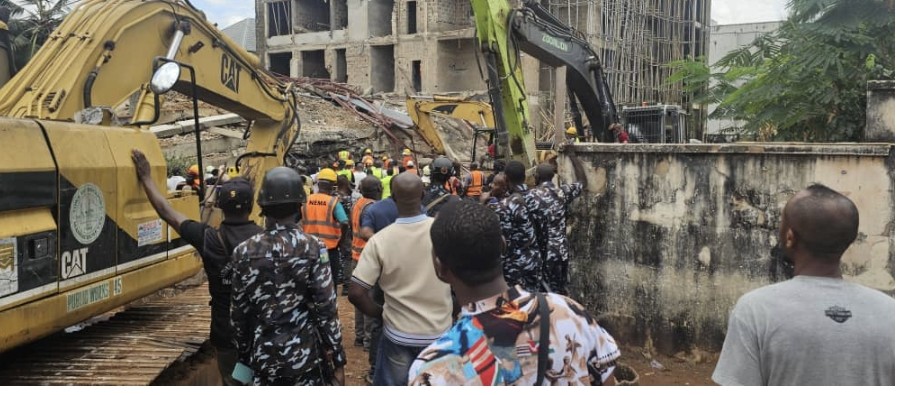
Authorities said one of the six workers reportedly left the site shortly before the collapse, raising hopes that fewer people may be trapped beneath the debris than initially feared.
The rescued workers were taken to the Enugu State Teaching Hospital for treatment.
Emergency responders, including the National Emergency Management Agency (NEMA), Nigerian Red Cross Society, Enugu State Emergency Management Agency (SEMA), Enugu State Capital Territory Development Authority and the police, are participating in the rescue operation.
The cause of the collapse has not yet been established, while rescue efforts continue at the scene.

The member representing Ikwo/Ezza South Federal Constituency in the House of Representatives, Chinedu Ogah, has called on the Economic and Financial Crimes Commission (EFCC) and other anti-graft agencies to investigate the financial activities and source of wealth of socialite and businessman, Paschal Okechukwu, popularly known as Cubana Chief Priest.
Ogah, who is Chairman of the House Committee on Reformatory Institutions, made the call on Thursday at a press conference in Abakaliki, Ebonyi State.
The lawmaker said the businessman’s financial dealings should be subjected to scrutiny regardless of his public profile.
“I am urging the EFCC to thoroughly investigate him, investigate his bank accounts, investigate all the things he does,” Ogah said.
He also accused Cubana Chief Priest of undermining President Bola Tinubu’s political fortunes in the South-East ahead of the 2027 general elections.
Ogah questioned the socialite’s claim to political influence in Ebonyi State and challenged him to make his membership card of the All Progressives Congress (APC) public.
The lawmaker further criticised recent comments attributed to Cubana Chief Priest on social media in which he reportedly called for the resignation of Ebonyi State Governor, Francis Nwifuru.
Ogah demanded that the comments be withdrawn and followed by an apology, warning that legal action could be taken if the businessman failed to comply.
“Who is Cubana Chief Priest? What is his address that gives him the impetus to speak against our governor, the most performing governor in Nigeria?” he asked.
According to Ogah, Cubana Chief Priest had no electoral mandate to speak on behalf of Ebonyi State or demand the resignation of its elected governor.
He also questioned the businessman’s political influence, noting that he had previously contested an election in Imo State but failed to secure the party’s primary ticket.
Ogah alleges plot against Nwifuru
The lawmaker further alleged that unnamed political actors were sponsoring campaigns aimed at discrediting the Nwifuru administration and weakening the APC ahead of the 2027 elections.
He defended the state’s security architecture, particularly the Commissioner of Police, Hope Okafor, against what he described as an orchestrated campaign for her removal.
Ogah urged the Nigeria Police Force, Department of State Services (DSS) and other relevant agencies to investigate those behind the alleged campaign and determine whether any law had been breached.
“All of us can attest to the peace and security we enjoy in Ebonyi State. The Army, the police, the Civil Defence and the DSS are doing marvellously well in Ebonyi State,” he said.
Lawmaker accuses Otu of mobilising protesters
Ogah also accused another critic of the state government, Charles Otu, of allegedly mobilising people from outside Ebonyi State to participate in a protest against the government in Abuja.
He claimed that some of those involved were presented as Ebonyians despite allegedly coming from other states.
Ogah said his lawyers had previously petitioned the DSS over allegations involving Otu and urged the agency to investigate the matter.
He also challenged Otu to substantiate allegations he allegedly made against him during an appearance on Arise Television.
“My own is that whosoever defaults the law, we take it legally. I cannot mention who I have not known. But when we get there, it is for the security agencies to investigate,” Ogah said.
Ogah lists Nwifuru’s achievements
Defending the Nwifuru administration, Ogah cited the state government’s scholarship programmes, school construction, road projects and other development initiatives as evidence of the governor’s performance.
He said hundreds of Ebonyi indigenes had benefited from postgraduate scholarships in Nigeria and abroad, while roads and schools were being constructed across the state’s 13 local government areas.
Ogah also praised Nwifuru for what he described as political tolerance, saying opposition parties had been allowed to operate freely in the state.
He argued that the people of Ebonyi should determine their political leadership through the ballot rather than through media campaigns and protests.
“Ebonyi people will choose who is their leader. They should stop using the media to castigate the governor,” he said.
Questions Nwifuru’s omission from Tinubu campaign council
The lawmaker also questioned the reported omission of Governor Nwifuru from President Tinubu’s campaign council, describing it as an error that should be corrected.
“How can a governor that has done much in APC not be included in the campaign council? How can a governor that is elected under the APC not be included?” Ogah queried.
He maintained that Nwifuru’s political influence and the APC’s electoral performance in Ebonyi made him an important stakeholder in Tinubu’s 2027 re-election campaign.
Ogah warned political actors against using the media to destabilise the state and urged all parties to pursue their grievances through legal and democratic channels.
The lawmaker, who is also the Ebonyi State Coordinator of the Tinubu Support Group (TSG), was accompanied by other members of the group at the press conference.
He reiterated his call for security agencies to investigate the various allegations raised and take appropriate action against anyone found to have violated the law.

The Federal Character Commission (FCC) has urged youths in Enugu State to disregard the belief that federal government jobs and other opportunities are already allocated before they are advertised.
FCC Executive Chairman, Hulayât Motunrayo Omidiran, gave the charge on Thursday at the International Conference Centre, Enugu, during the Peter Eze Enugu Youth Connect 2026.
Omidiran urged the youths to acquire relevant skills, embrace technology and actively pursue legitimate opportunities, stressing that federal character should promote both equity and merit.
She also warned against fraudulent recruitment schemes and advised applicants to authenticate employment opportunities before applying.
The Enugu State Deputy Governor, Ifeanyi Ossai, represented by the Secretary to the State Government, Prof. Chidiebere Onyia, challenged young people to prepare themselves for available opportunities.
Onyia said government could create opportunities, but individuals must develop the capacity to take advantage of them.
The FCC Commissioner representing Enugu State, Peter Ogbonna Eze, said the programme was designed to bridge the information gap preventing young people from accessing federal employment, scholarships, grants, fellowships and training opportunities.
Eze said many youths were discouraged from applying for federal jobs because of the misconception that such positions had already been shared among influential individuals.
He urged them to apply whenever legitimate opportunities were advertised, warning that nobody should pay money to secure a federal government job.
He also disclosed that five participants in the programme would be selected for a full scholarship opportunity.
Eze said the initiative would continue as a platform for connecting Enugu youths with credible opportunities and urged participants to become “ambassadors of opportunity” by sharing useful information with others.
The event brought together youths and stakeholders from across Enugu State to discuss federal representation, employment, education, skills development and other opportunities.
By Chinedu Sabastine
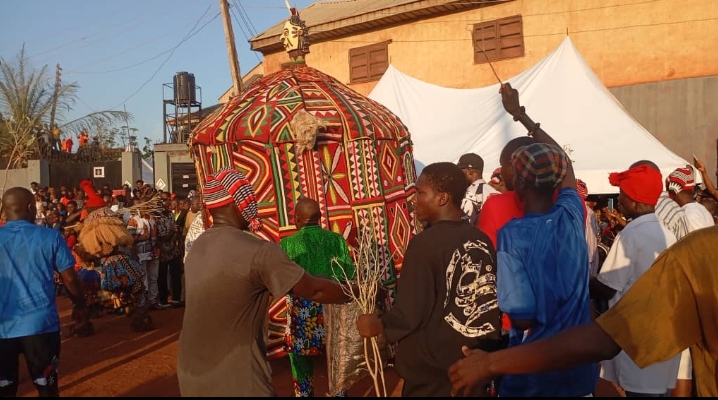
ENUGU — Umuchigbo Iji Nike Autonomous Community in Enugu East Local Government Area of Enugu State has fixed Sunday, September 13, 2026, for its annual New Yam Festival.
The cultural celebration, which is scheduled to commence at 3 p.m., is being organised under the leadership of the Executive Chairman of Umuchigbo, Hon. Chief Afam Joseph Ogbene, popularly known as Akirika Chioku 1, Na Nike Kingdom.
The festival is expected to showcase the rich cultural heritage and traditions of the people of Umuchigbo and Umuenwene in Iji Nike Autonomous Community, while promoting unity and communal bonding.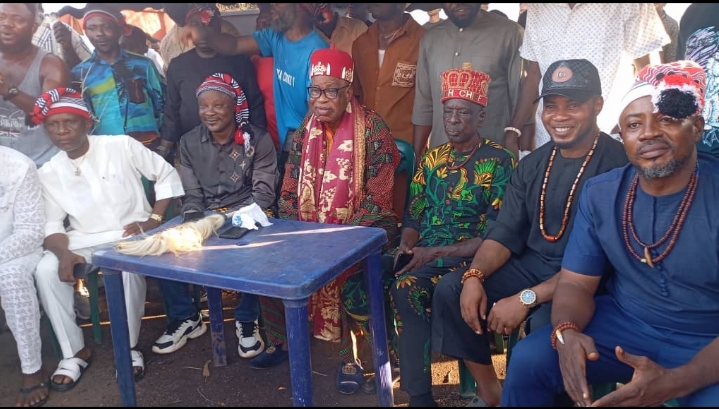
Ogbene, in an invitation to the festival, described the celebration as an opportunity for the people to preserve their cultural heritage, strengthen community ties and give thanks for the year’s harvest.
He said, “Our New Yam Festival is more than a cultural celebration. It is a time for us to come together as one people, appreciate our heritage and give thanks for the blessings of the year.”
According to him, the event will also provide an opportunity for sons and daughters of the community, as well as friends and well-wishers, to reconnect and celebrate together.
“We are inviting everyone to come and celebrate with us. It is a celebration of our culture, our community and thanksgiving for the new yam season,” he added.
According to the invitation, activities will commence at Ogbene’s residence on Akirika Chioku Avenue, Nome Ogba Aniji Road, Umuchigbo, before proceeding to Obodoeze Iji Village Square, Odangene, for the New Yam rites and masquerade display.
The event will also feature traditional cuisine, music and other forms of cultural entertainment.
The organisers urged sons and daughters of Umuchigbo, friends, well-wishers and members of the public to join the community in celebrating the festival.

-

 Crime4 days ago
Murder of Aiza Nwosu: Niece, 12 Suspected Cultists Arrested, Nephew at Large
-

 News4 days ago
Anambra Community Petitions Soludo Over Erosion Caused by Illegal Sand Mining
-
 News4 days ago
Major Generals to Receive Up to ₦25.91m Yearly as Tinubu Approves New Military Pension Structure
-
 Crime4 days ago
Anambra Police Deny N600,000 Bribe Demand, Explain Arrest of Suspected Cultist’s Sister
-

 Politics4 days ago
2027: Former Deputy Governor Resigns From APC
-

 Entertainment4 days ago
Davido Reveals How Dangote Drove His Mother Home
-

 News2 days ago
FCC Urges Enugu Youths to Prepare for Federal Job Opportunities
-
 Politics4 days ago
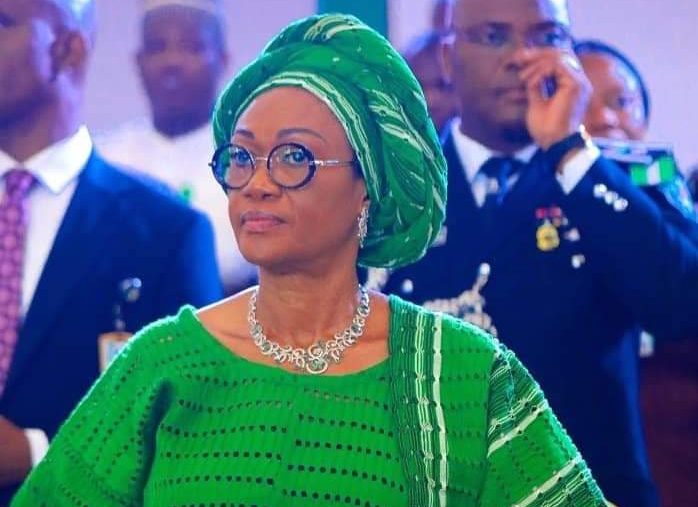
Anambra APC Sidelined Over First Lady’s Visit, Says Chairman Anosike