



Politics
Tinubu’s action in Rivers a Coup, should be removed, tried for treason – Kenneth Okonkwo

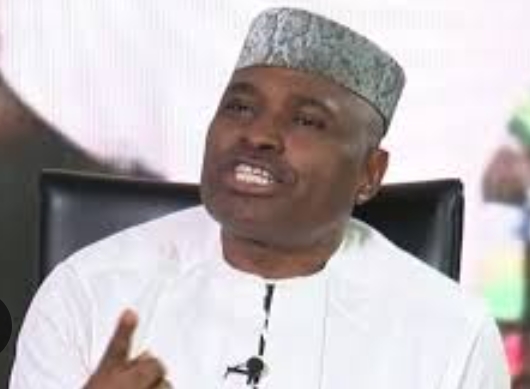

Veteran Nollywood actor, politician and activist Kenneth Okonkwo has called for the removal of President Bola Tinubu for for what he termed declaration of Martial Law in Rivers State.
What he did is a coup not a state of emergency as people erroneously call it
Okonkwo’s reaction to the recent events in Rivers State is contained in a podcast shared on YouTube which the actor personally availed everydaynewsngr.net.
Hear him:
People have been making a mistake as to what the president did in Rivers State. Tinubu did not declare state of emergency in Rivers State, the president declared a Martial law in Rivers State.

State of Emergency is recognised by our constitution. And has given the president the power to declare state of emergency under certain conditions.
The Nigerian Bar Association has made it clear that none of those conditions has been fulfilled to warrant the declaration of State of emergency. Meaning that the purported declaration is not a state of emergency.
The Supreme Court is very clear! In the case of Attorney General of Bendel State and Adeyo, It said any act of governance not covered under an enabling law is a nullity. So there is nothing like state of emergency in Rivers. What Bola Tinubu did is not a state of emergency because even when the situation has arisen it doesn’t include the removal of elected representatives of the people.
The constitution is very clear in Section 1(2) that Nigeria shall not be governed or any part thereof by any persons except in accordance with the constitution. Where is it in the constitution that Nigeria or any state shall be governed by a sole administrator. None.
So what the President did is akin to what the president of South Korea did when he declared martial law and wanted to remove the representatives of the people. The legislature moved in immediately.
Including members of the party of the president and removed the president himself. Declaring martial law to remove representatives of the people; that is a coup against the federation.
The president of South Korea is awaiting trial for doing that.
What the legislature is expected to be thinking about doing is removing Tinubu for declaring martial law on a state, federating unit and trying to rule that state through the military; through Sole administrator, not contemplated by our constitution.
Tinubu usurped the power to make law for that state; he said the sole administrator can make regulation – regulation is part of law. So he usurped it through a decree; not our law. That sole administrator can make law and he, Tinubu, and his cabinet will be the one to authorise the law. Usurping power of the legislature- that is treason. That is trying to govern Nigeria or a part of it in a manner not contemplated by the constitution.
Tinubu suspended numerous sections of the constitution in order to make his declaration. No state of emergency authorises the govt to suspend any provision of the constitution. But in declaring the martial law which Tinubu did he suspended Sections 1, 179,180, 188, 189, 120 and 121 including Section 117 and 110 of the constitution in order to make that declaration. That cannot be declaration of a state of Emergency.
What are these Sections talking, that you cannot govern Nigeria outside elected members of the representatives of the people. And these Sections enumerated the methods you can use to remove a member of the House of Assembly Or the Governor. One, by death, resignation, impeachment, by permanent incapacity and expiration of term. And for the House of Assembly member by recall. That’s the summary of the Sections I have enumerated.
So the president suspended these sections and wants to rule Rivers State by decree. Because he has already usurped the power of the legislature and that is why I am saying that what he declared was martial law, was a coup against the people of Rivers State.
Rivers State are the ones that elected the Governor and members of the Assembly. And even by interpretation act, it said, he that appoints is the only person that has the power to remove. So the President did not appoint the Governor, he did not appoint members of the Assembly, they were elected. The President has no right to remove them. And any govt in place on a democracy was instituted by laws; that’s why the Supreme Court say any act of governance that is not covered under an enabling law is a nullity.
Even the National Assembly that has the right, and I am talking now about the State of emergency, for us to know the difference between State of emergency and what Tinubu did. In state of emergency, Section 305 is very clear, you declare State of emergency when there is war, when there is imminent threat of invasion of Nigeria – that has not happened. Or when there is actual breakdown of public order and public safety as to warrant extra ordinary measure to correct the situation or where there is a danger that such a thing will happen or where there is a natural calamity of such that needs extraordinary measure to correct it or where there is a threat to the collapse of the federation of Nigeria. This is Section 305(3). Now, none of these has happened and the President came on TV to say there is a security report – security report Mr President is for you, it is not for Nigerians. So anything that Nigerians do not know should not know Nigerians. You that know your security report has not given you the right to remove elected representatives. So what the State of emergency actually is doing is that the president should empower the democratic forces to be able to overcome the danger even if it means using extraordinary measure. What is the extraordinary measure? The state of emergency that is talking about extraordinary measure is that you have the right to restrict the fundamental rights of Nigerians when you are taking away the extraordinary measure it does not mean removing elected representatives and it was stated in Section 45 of the constitution when they say that the provisions of the human rights cannot invalidate any law made by the National Assembly if that law is intended for the defense, public safety, public morality, public order or public health of the country and even that Section made it clear that the National Assembly has the power to make such law for the defense even if it affects the fundamental human rights. And in Section 11(4) the constitution made it clear that the making of the law by the National Assembly does not include the removal of the governor or the deputy. That is, even if the legislature is not functioning in that state. What does that tell you, that no law gives any right to any elected president to remove elected representatives of the people. Now let me tell you this catch, because the President is referring to one pipeline or two that was breached. During the regime of President Goodluck Jonathan the whole pipelines in Niger Delta were threatened; most of them were breached by the militants that had waged war against the federal Republic because of marginalisation of The Niger Delta. President Goodluck Jonathan…that was a situation that needed a state of emergency, he did not even declare a state of emergency because he didn’t believe there was anything extraordinary in what these people were doing which the security forces cannot contain. He simply made an order that security forces should restore order in that region and arrest the culprits and bring them to justice. That was what he did and the security forces moved in. No governor was affected, no assembly was affected and it led to the dialogue which resulted in the amnesty which brought peace to the region which we are enjoying today. When a competent president wants to make peace in any part of the country he goes by the way that Goodluck Jonathan, that Umar Y’adua did. You negotiate; you go into dialogue not going to support your appointee in order to destroy the state because you want to capture the state. That is why it is not a state of emergency he is doing because Y’Adua faced with problem in the entire Niger Delta which breached all the pipelines, which brought war against the federal government did not even declare a state of emergency and a president is telling you apprehension, there is tension not that there is something actual, no evidence, that is one. Secondly, when Goodluck Jonathan was faced with invasion, insurgency by a terrorist group called Boko Haram that had taken over local governments and three states were under threat, Goodluck Jonathan rightly declared a state of emergency and did not remove any governor and did not remove any representative of the people; why? Because he was not declaring any martial law he was declaring state of emergency and he took out that situation and in six weeks he wiped them out. Why he declared a state of emergency is to let the people know- your movement might be curtailed so don’t come and quote for us freedom of movement. You shouldn’t come out at so so time because stray bullet can catch you. And then if hit by stray bullet you can’t go to anyone and say the person was killed. That’s the essence of the state of emergency. Your fundamental human rights could be be involved.
Now, let’s go to Obasanjo because he was the only leader that removed some governors while declaring state of emergency which the courts now have ruled illegal. But one thing Obasanjo did; he didn’t use it as an instrument of power grab. Obasanjo never declared or removed any elected representatives in the opposition party; it was only PDP members, his own party he removed. And there was another governor that had security issues from another party, Obasanjo refused to remove him because he knew it would be interpreted as power grab. He wrote a letter of warning to that Governor.
When Tinubu was governor there were security problems in Lagos. Obasanjo restrained himself from declaring state of emergency in Lagos.
.. it is a coup to forcefully and with military remove elected representatives so that he can take over the state and administer it with military people that’s a coup.
Tinubu is the first President since 1979 that has used the instrument of State of emergency to usurp power from the opposition party. There was nothing in Rivers State that necessitated a declaration of State of emergency.
When they organised local government election in Rivers State secretaries were burned by people who were against the Governor. Somebody was caught with a bomb; he detonated it, it wounded him. They arrested him, what has happened to him till date, nothing. People committed arson; people loyal to appointees of the president. Burned down secretariats in open glare, nobody was arrested, why? No state of emergency was declared, why? And then, now you have peace you are saying you declared state of emergency.
I was really troubled When the president was mentioning Supreme Court judgement; Supreme Court said that appropriation act must be re submitted by the governor because the governor had submitted it to a legitimate House of Assembly and they were legitimate until the declaration of the Supreme Court.
They said he should re-present it to the 27 lawmakers. And the law is that no money of the state can be spent except it’s appropriated by the House of Assembly and that the Governor will present it for such appropriation.
Tinubu suspended the constitution because he wanted to go against the Supreme Court judgement which has ordered the governor to re-present the budget to the Assembly. This declaration is against the Supreme Court judgement and it is now Tinubu disobeying the Supreme Court judgement not the governor. The governor wrote to the Assembly; come let is discuss about the budget. What a good man. Why is he inviting them? Because the budget that contained only four members of the Assembly will not be the same as the budget that will contain 27 members. They refused. They gave him ultimatum. Ultimatum means we are waiting for you and you must come and present this within this time. The governor went to honour the ultimatum. They locked the gate against him and yet Tinubu is giving it as an example. And he is calling the governor who said he would obey the decisions of the Court and has obeyed all. And you are still calling him. That means you have a sinister motive to overthrow his government by force and that is exactly what he did, deploying the military which is against the judgement of the Supreme Court. It’s an impeachable offense for a President to go against the judgement of the Supreme Court.
The Supreme Court is very clear that no money should be spent. It even suspended the allocation. So saying that you will unilaterally make a law to overrule the Supreme Court and give Rivers State money to a Sole administrator who is not even from their State means that you want to use your power which is military power as Commander in chief of the Armed forces …if this is not military dictatorship tell me what it is…so what happened in Rivers State is coup and Nigerians must rise..like what happened in South Korea, Tinubu ought to be removed and ought to be facing trial for treason…”
…Alleges commissioner photographed vehicle before it was intercepted, burnt by gunmen
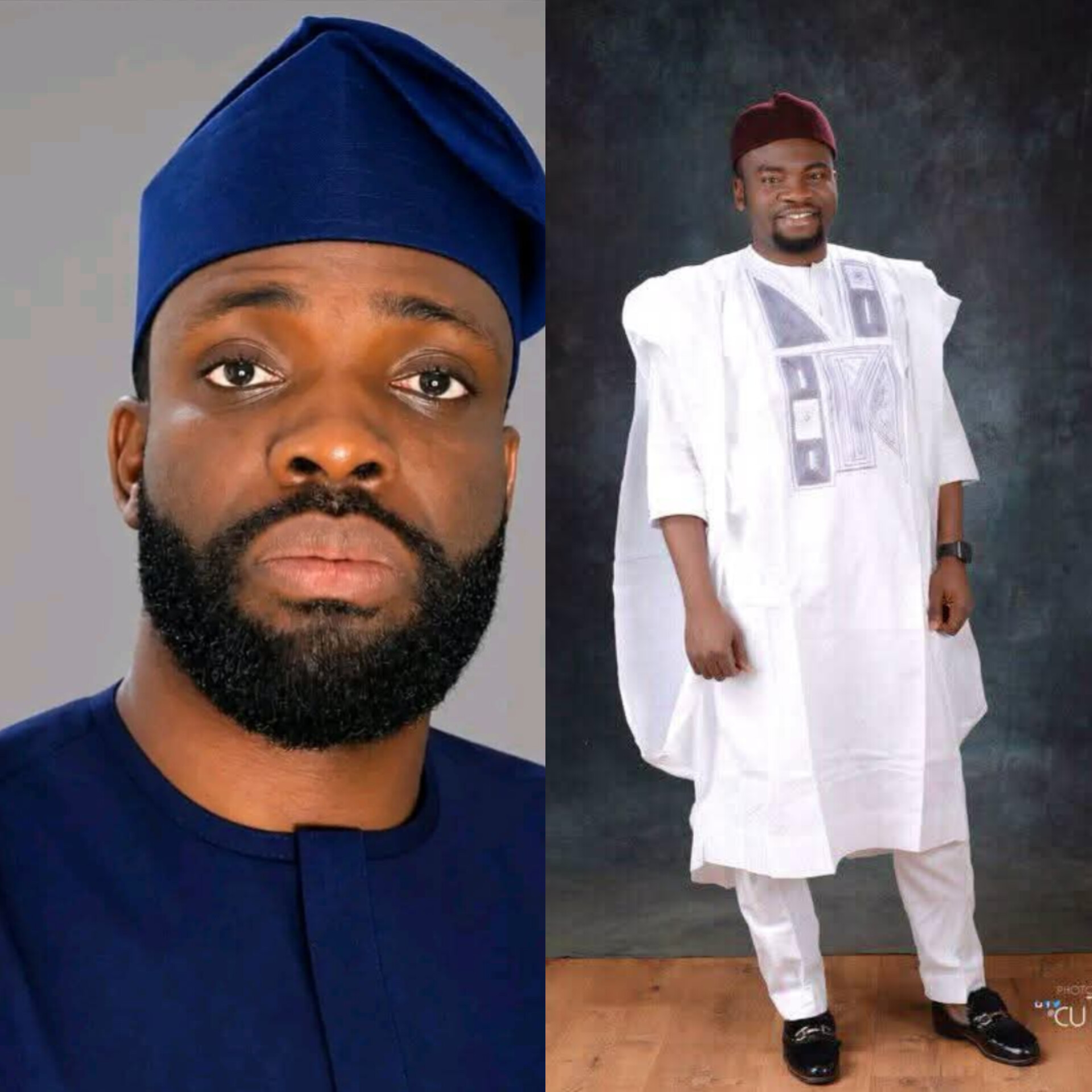
The National Democratic Congress (NDC) candidate for Ezza South State Constituency in the forthcoming Ebonyi State House of Assembly election, Barr. Rollins Ovu-unata Offia Nwali, has raised serious allegations against the state Commissioner, Oguzorkanu Offia-Nwali, over the recent armed attack on his campaign convoy.
Rollins alleged that the Commissioner, who is also his elder brother, had photographed his Toyota Hilux and circulated the picture among certain individuals before the same vehicle was intercepted and completely burnt during the attack.
In a strongly worded statement responding to the Commissioner’s reaction to the incident, the Assembly candidate called on security agencies to investigate whether the circulation of the vehicle’s photograph had any connection with the attack.
He disclosed that he ordinarily travelled in the affected Hilux but had, by what he described as divine intervention, chosen another vehicle on the day of the incident.
“Why was my vehicle photographed and its photograph circulated? To whom was the photograph sent? Was it intended to identify or mark my vehicle?” he queried.
The NDC candidate, however, acknowledged that his suspicions were not proof of complicity, insisting that the circumstances surrounding the incident deserved thorough investigation.
Giving further insight into the attack, Rollins wondered what could have emboldened the assailants to confront a heavily secured motorcade, allegedly firing and reloading their weapons without fear of the security personnel accompanying him.
He expressed gratitude to God for sparing his life and commended the security operatives who contained the attack and evacuated members of his entourage.
The Assembly candidate also accused the Commissioner of having previously intimidated his supporters and allegedly frustrated his political ambitions since 2022.
According to him, their political differences began when he first consulted the Commissioner about his intention to contest the All Progressives Congress (APC) primaries in 2022.
He alleged that despite initially promising support, the Commissioner secretly worked against his ambition and disclosed confidential information about his consultations to political opponents.
Rollins further claimed that a similar development occurred in 2026 when he informed the Commissioner of his intention to recontest the APC primaries.
He said he subsequently left the APC, joined the NDC and secured its House of Assembly ticket.
In another allegation, the candidate claimed that a young man who made a Facebook video supporting his candidacy in August was abducted, taken to the Commissioner’s residence in Ameka and assaulted.
He alleged that evidence submitted by his party to security agencies included footage purportedly showing the Commissioner physically stepping on the victim’s head.
The allegations have not been independently established.
Rollins also recalled a private meeting during which he allegedly appealed to the Commissioner to allow his supporters to exercise their political rights without intimidation.
He claimed that during the discussion, the Commissioner told him that Governor Francis Nwifuru had instructed him to ensure the victory of the incumbent Assembly member at all costs.
The candidate, however, said he immediately expressed disbelief over the alleged claim attributed to the Governor.
Speaking on the Commissioner’s reaction to the attack, Rollins expressed disappointment that his elder brother allegedly failed to contact him to ascertain his safety but instead publicly questioned the circumstances surrounding the incident.
He particularly faulted the Commissioner’s alleged description of the attackers as political associates armed with sticks and machetes.
Rollins questioned why young people should be encouraged to confront armed security operatives in the name of politics while those benefiting from their political activities remained away from the confrontation.
He also rejected suggestions that his political ambition was responsible for creating divisions between Kpakpaji and Izzikworo, maintaining that the people of Ezza South should be allowed to determine their representatives through the ballot.
According to him, no political appointee has the constitutional authority to determine who should contest an election or compel citizens to support a particular candidate.
“My constitutional rights are not privileges granted by anyone, and my political future is not subject to his or anyone else’s permission,” he declared.
In a particularly strong appeal, Rollins called on the Inspector-General of Police, Director-General of the Department of State Services and National Security Adviser to take note of his concerns about his personal safety and that of his family.
He urged the security agencies to investigate the Commissioner’s possible involvement in the attack and hold accountable anyone found to have sponsored, facilitated or participated in the incident.
The NDC candidate maintained that his political ambition should not become a death sentence, insisting that he was prepared to accept defeat at the polls if the electorate rejected him in a free contest.
He called for a comprehensive investigation into the attack, including the circumstances surrounding the alleged circulation of his vehicle’s photograph before it was burnt.
The allegations against Commissioner Oguzorkanu Offia-Nwali remain claims made by the candidate and have not been established by any investigative or judicial finding. His response to these specific allegations was not contained in the statement.
…Says Political Disagreements Must Not Lead to Loss of Lives
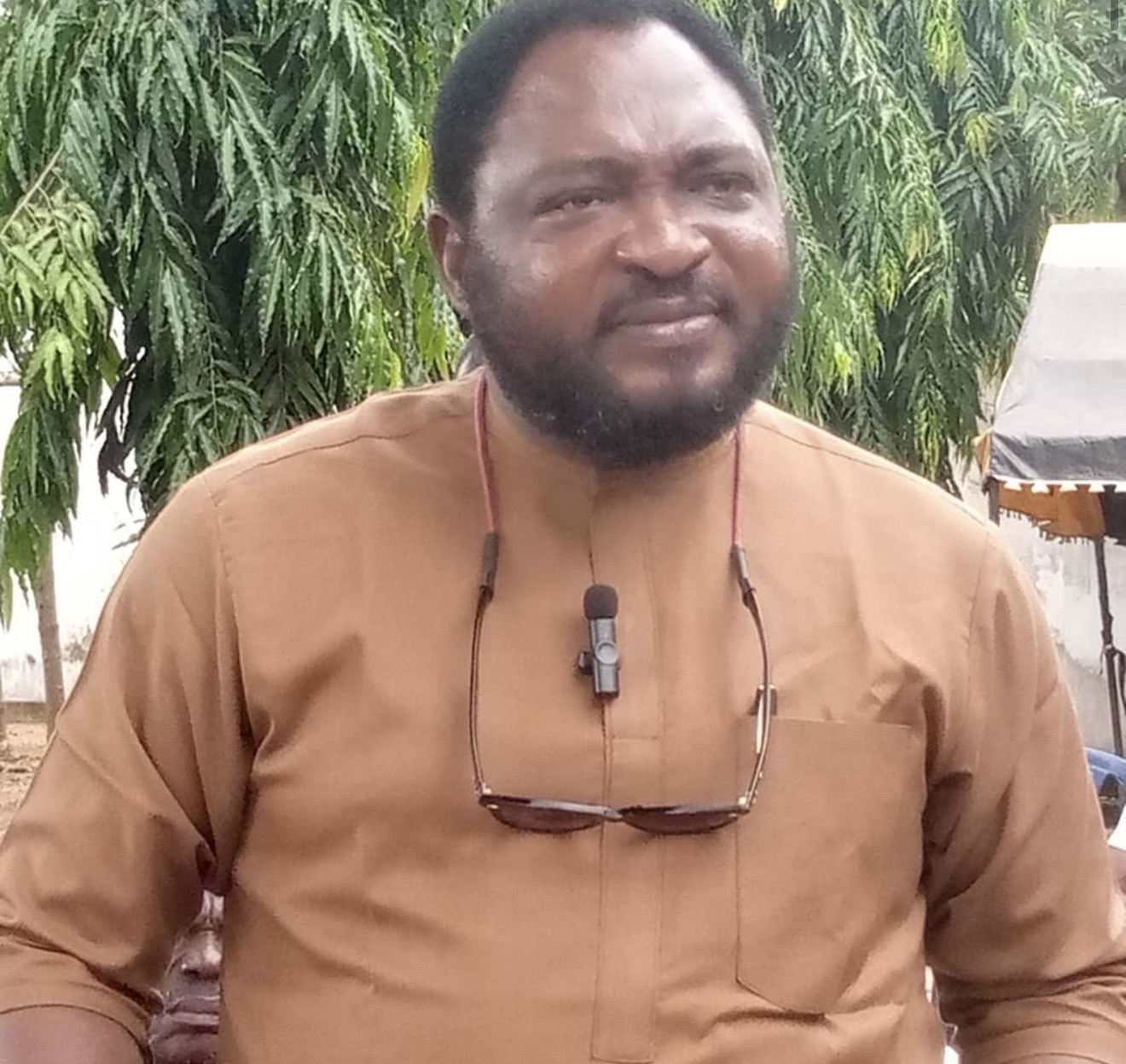
The National Democratic Congress (NDC) House of Representatives candidate for Ezza South/Ikwo Federal Constituency in Ebonyi State, Hon. (Chief) Kevin Tobias Chukwu, has called on security agencies to investigate the reported attack on the party’s State Assembly candidate for Ezza South, Barr. Rollins Ovu-unata Offia-Nwali.
Chukwu said the incident, which reportedly left one person dead, several others injured and a vehicle burnt, raised serious concerns about the safety of political actors and their supporters ahead of the 2027 general elections.
In a statement issued on Sunday, October 25, 2026, the federal constituency candidate condemned political intimidation and violence, insisting that residents must be allowed to participate in the democratic process without fear.
He expressed gratitude to God for the survival of Offia-Nwali and others who reportedly escaped the incident, while extending condolences to the family of the deceased and wishing those injured a speedy recovery.
“As the NDC House of Representatives candidate for Ezza South/Ikwo Federal Constituency, I consider this incident a matter of the utmost seriousness. It occurred within the federal constituency I seek to represent, and I cannot remain silent when the safety, freedom and constitutional rights of our people are threatened,” he said.
Chukwu maintained that Ezza South belonged to its people and should not be treated as the political territory of any individual, officeholder or party.
He stressed that every citizen had the constitutional right to contest elections, support candidates, associate freely and participate in political activities without intimidation.
The NDC candidate expressed concern that the incident had generated political exchanges and accusations rather than a united demand for truth, accountability and justice.
He noted that allegations raised by Offia-Nwali against the Commissioner, Oguzorkanu Offia-Nwali, reportedly involving intimidation of political supporters, an earlier assault on a supporter and circumstances surrounding the identification and subsequent destruction of a vehicle, required an independent investigation.
Chukwu, however, cautioned against treating the allegations as established facts before the conclusion of investigations.
“These allegations must be independently investigated. They should neither be dismissed because of the political positions of those involved nor accepted as established facts without evidence,” he said.
He called on the Inspector-General of Police, the Director-General of the Department of State Services (DSS) and the National Security Adviser to ensure a thorough investigation into the incident.
According to him, the investigation should establish the circumstances surrounding the reported death, identify those responsible for the attack and determine whether any individual or group planned, sponsored, encouraged or facilitated the violence.
“No political office should confer immunity from investigation, and no political disagreement should become a death sentence,” he added.
Chukwu also appealed to political leaders and stakeholders in Ezza South and Ikwo to discourage threats
…Accuses Ebonyi Governor of Poor Performance, Challenges Him to Public Debate
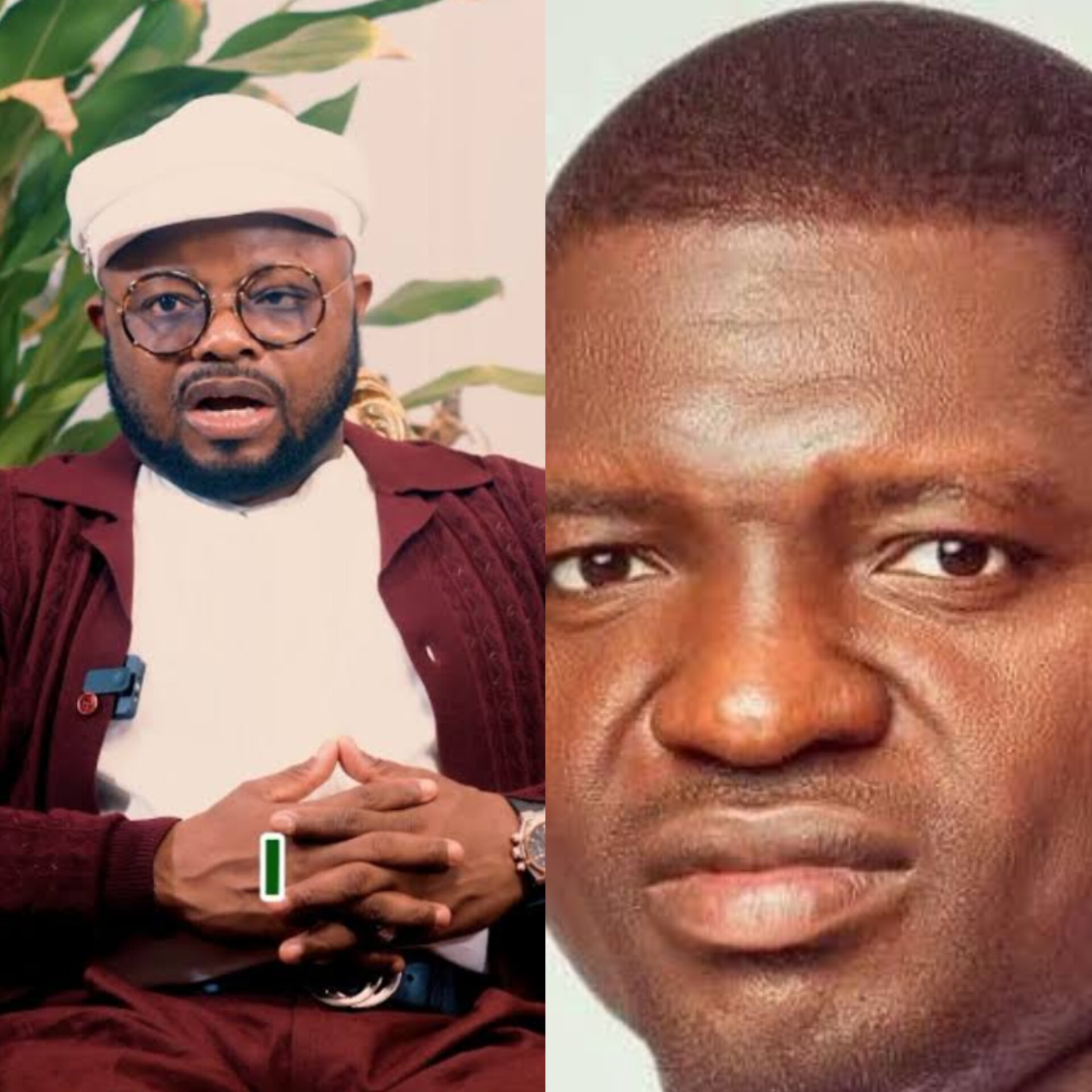
The campaign organisation of the Peoples Democratic Party (PDP) governorship candidate in Ebonyi State, Chief Ifeanyi Chukwuma Odii, has rejected calls for its principal to withdraw from the 2027 governorship race, insisting that Governor Francis Ogbonna Nwifuru should instead reconsider his re-election bid.
The organisation, known as Anyi Ga Eme Ya, described the call by former Commissioner for Information and State Orientation, Hon. Barr. Uchenna Orji, for Odii to step aside in the interest of zoning as misplaced.
It accused the Nwifuru administration of lacking direction and failing to deliver on its promises, challenging the governor to a public debate ahead of the 2027 election.
The campaign organisation made its position known in a statement reacting to Orji’s comments on zoning and the outcome of the Ebonyi State Leaders and Stakeholders Political Summit held on October 20, 2026.
It argued that the governor’s performance should be the primary consideration in determining who governs the state beyond 2027, rather than political arrangements allegedly designed to favour the incumbent.
According to the organisation, Ebonyi residents deserve leadership with a clear development agenda, accountability and a commitment to improving their welfare.
Questions Government Projects, Aircraft Purchase
The campaign organisation cited the Vanco flyover project as one of the issues it believes reflects the shortcomings of the current administration.
It also questioned the status of three aircraft which it alleged the state government announced it had purchased nearly two years ago, demanding clarification on their whereabouts and delivery.
On the proposed Ebonyi New Cement Company at Nkalagu, the organisation called on the government to provide verifiable information about the project’s status, including the relevant licences and preliminary technical assessments.
It argued that establishing a cement manufacturing plant requires extensive geological investigations and other technical evaluations, insisting that the government should clarify the level of progress made.
The organisation maintained that the electorate should assess the administration based on verifiable achievements and its handling of projects and commitments.
The claims and questions raised by the campaign organisation were not independently verified in the statement.
Rejects Zoning Argument, Faults Stakeholders’ Summit
Reacting to Orji’s argument that Odii should withdraw to respect the rotation of the governorship among Ebonyi North, Ebonyi Central and Ebonyi South senatorial zones, the campaign organisation dismissed the position as politically motivated.
It also described the October 20 stakeholders’ summit as a “kangaroo summit”, alleging that its organisers were seeking to secure support for Nwifuru’s second-term ambition.
The organisation accused Orji and other supporters of the governor’s re-election bid of placing political interests above the welfare and aspirations of ordinary residents.
It insisted that the choice of the next governor should be determined by leadership records, policy proposals, development priorities and the electorate’s decision.
The campaign team added that Odii remained committed to contesting the 2027 election and would not abandon his ambition in response to calls for his withdrawal.
Alleges Intimidation of Opposition
The Anyi Ga Eme Ya organisation also raised concerns about what it described as an atmosphere of intimidation against opposition politicians in Ebonyi State ahead of the 2027 general elections.
It alleged that Nwifuru had threatened to sack local government chairmen who failed to deliver their areas during the election, describing the alleged threat as an attempt to pressure council officials into supporting the governor’s political ambition.
The organisation further cited reported killings in Ohaukwu and attacks in Ezza South, Onicha and Ivo local government areas as issues requiring attention.
It also condemned a reported restriction on opposition parties’ campaigns in the state, arguing that political parties should be allowed to canvass for votes in accordance with democratic principles and the law.
The organisation called on the relevant authorities to protect political actors and their supporters, ensure the safety of residents and prevent political disagreements from escalating into violence.
It urged security agencies and other relevant institutions to ensure that political activities ahead of the election take place in a peaceful environment.
The allegations concerning threats against local government chairmen and restrictions on opposition campaigns were not independently verified.
Warns Against Misuse of Odii’s Name
The campaign organisation also cautioned individuals against using Odii’s name to seek government favour, political patronage or personal benefits.
It reaffirmed its commitment to what it described as an alternative leadership agenda focused on development, accountability and citizens’ welfare.
The organisation said the debate over zoning should not overshadow public scrutiny of the incumbent administration’s record and the policy proposals of candidates seeking to govern the state.
Challenges Nwifuru to Public Debate
As part of its response to calls for Odii’s withdrawal, the campaign organisation challenged Nwifuru to participate in a public debate with the PDP candidate ahead of the 2027 governorship election.
It said the proposed debate would provide both politicians with an opportunity to explain their records, present their policies and outline their plans for Ebonyi State.
According to the organisation, the engagement would enable voters to compare the candidates’ positions on governance and development before making their choices.
It maintained that the governor should be prepared to defend his administration’s record before the electorate rather than rely solely on political endorsements and zoning arguments.
The campaign organisation reiterated that Odii would continue to engage residents on his governorship ambition and urged them to participate in the electoral process without fear or intimidation.
The statement was signed by the Anyi Ga Eme Ya Campaign Organisation on behalf of Odii, the PDP governorship candidate in Ebonyi State.

The Ebonyi State Government has effectively restricted political campaigns and gatherings in Ezza South Local Government Area, directing political parties and groups to obtain prior approval from the council chairman before holding such events.
The directive, issued by the Chairman of Ezza South Local Government Area, Hon. Chinedu Mkpuma, follows a recent security breach in Amaezekwe community amid growing concerns over political violence ahead of the 2027 general elections.
In a statement made available to journalists in Abakaliki, Mkpuma expressed dismay over the security situation and said the measure was necessary to protect lives and property, maintain public order and prevent further security breaches.
He acknowledged the constitutional rights of citizens to freedom of association and peaceful assembly but warned that political gatherings in the local government area must henceforth receive prior approval from his office.
The chairman added that violations of the directive would attract appropriate action in accordance with the law.
Meanwhile, the Labour Party governorship candidate, Eze Oko, has condemned the reported killings and alleged attacks on opposition parties in the state, calling on political leaders to end violence and intimidation.
Oko questioned why opposition members were allegedly being targeted and urged youths to resist attempts by politicians to use them as instruments of violence.
He called for a level playing field for all political parties and candidates, insisting that political competition should be based on ideas, manifestos and records of performance rather than violence.
The LP candidate also cautioned political leaders against inflammatory statements capable of fuelling tension during the electioneering period.
He urged candidates seeking re-election to allow their achievements to speak for them instead of allegedly engaging political thugs to intimidate opponents.
Oko further appealed to youths to reject political thuggery and violence, while extending his condolences to the families of those reportedly killed in the incident.
The development comes as political activities begin to gather momentum ahead of the 2027 general elections, with renewed calls for security agencies to investigate reported attacks and ensure that all political parties can operate without intimidation.
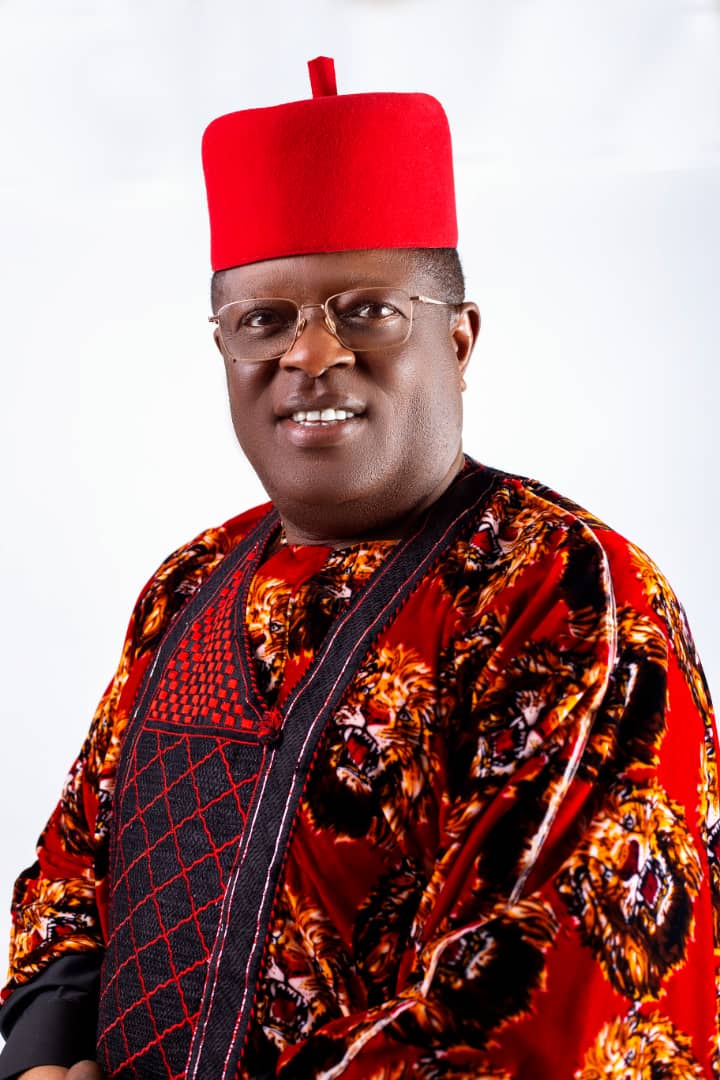
The Minister of Works and former Governor of Ebonyi State, Senator David Umahi, has declared that 2027 is not the South-East’s turn to produce Nigeria’s president, insisting that former Anambra State Governor, Peter Obi, is not the region’s best presidential candidate.
Umahi, who made the declaration during an interview with ARISE News on Friday, defended South-East political leaders supporting President Bola Tinubu’s re-election bid, maintaining that their political choices should not be interpreted as betrayal of the Igbo presidential ambition.
“Peter Obi is not the best of our finest in South East. He’s not the best, he can never be the best,” Umahi declared.
The minister faulted Obi’s approach to the 2023 presidential election, alleging that he failed to adequately consult governors and other influential political stakeholders in the South-East before pursuing his ambition.
“You cannot play politics in South East without consulting people like us,” he maintained.
According to Umahi, any presidential aspirant seeking to represent the collective aspirations of the region must first engage critical stakeholders and build the necessary political consensus.
He argued that Obi’s performance in the 2023 presidential election did not automatically make him the South-East’s most qualified presidential candidate, stressing that the region boasts several other capable political figures.
Umahi also questioned why Anambra State should be given preferential consideration whenever the opportunity arises for the South-East to produce Nigeria’s president.
Citing Nigeria’s first President, Dr Nnamdi Azikiwe, who hailed from the area now constituting Anambra State, the minister maintained that Ebonyi, Enugu, Abia and Imo states equally deserve consideration in future presidential arrangements.
On the growing support for Tinubu among South-East political leaders ahead of 2027, Umahi dismissed allegations that those backing the president had abandoned the region’s political interests.
He insisted that the South-East’s path to the presidency lies in strategic negotiations, consensus-building and alliances with other geopolitical zones rather than presenting loyalty to Obi as the ultimate test of commitment to the Igbo cause.
The former Ebonyi governor had earlier challenged comparisons between himself and Obi during a political engagement in Benin City in September, declaring that he saw no area in which the former Anambra governor was superior to him.
While expressing confidence that the South-East would eventually produce Nigeria’s president, Umahi maintained that the region’s opportunity had not yet arrived, insisting that “it is not yet our turn.”


-
 News4 days ago
Holy Ghost Transformation: How Enugu North Chairman Ibenaku Onoh Ended Years of Traffic Chaos, Roadside Trading
-
 Politics3 days ago
One Feared Dead, Several Injured as Thugs Attack Ebonyi NDC Assembly Candidate, Burn Campaign Vehicle
-
 News3 days ago
Onitsha North LG Boss Reads Riot Act to Traders, Residents Over Poor Sanitation
-

 Health3 days ago
Nigeria’s Ebola Patient Identified as Wife of Swiss Diplomat, Infection Traced to Uganda
-
 Entertainment3 days ago
Nollywood Thrown Into Mourning as Veteran Actor Francis Duru Dies at 57
-
 Politics3 days ago
2027: APGA, APC Set for Joint Meeting in Anambra to Mobilise Support for Tinubu’s Re-election
-
Politics3 days ago
2027: It’s Not South-East’s Turn, Obi Not Our Best Presidential Candidate – Umahi
-
 Politics3 days ago
2027: Minister Udeh to Unveil ‘ATM’ Political Group for Tinubu, Mbah’s Re-election