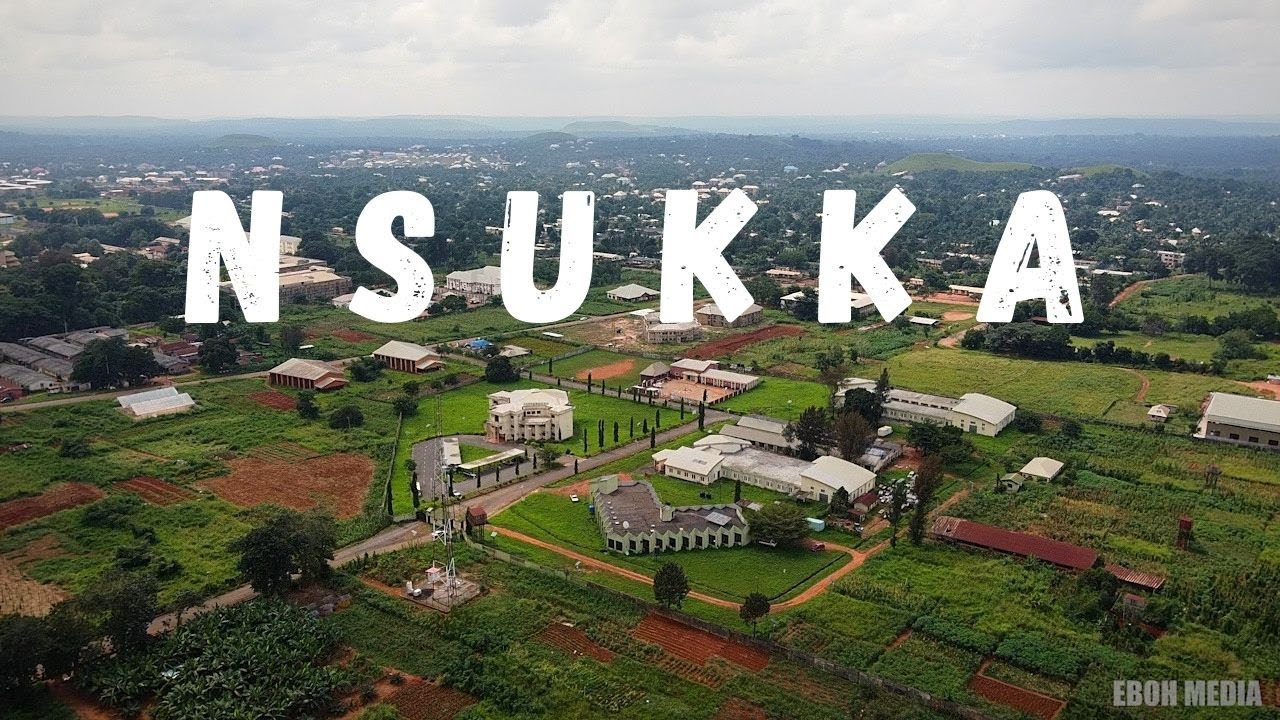
The planned Igweship election of Nru Nsukka Autonomous Community in Enugu State has been thrown into uncertainty following allegations of certificate and signature forgery in the community’s constitution.
The disputed constitution, reportedly adopted on March 9, 2021 and sworn to on March 29, 2021, carries the signatures of fourteen individuals out of seventeen listed signatories, including village heads, the traditional ruler, the oldest woman in the community, and the youth leader.
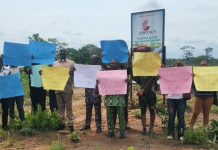
However, the document has come under intense scrutiny after some of the supposed signatories—both living members and relatives of deceased ones—claimed they were unaware of the constitution and did not sign it.
Dispute Over Igweship Rotation
At the centre of the controversy is Section 10 of the constitution, which states that the Igweship should rotate between the Ezema and Evonashi quarters of the community. It also provides that the selection of the traditional ruler should be based on merit rather than village seniority.
But elders and stakeholders in the community have rejected this provision, insisting that the traditional ruler should emerge according to the seniority of villages within the quarter whose turn it is to produce the Igwe.
Some elders accused members of the constitution drafting committee of disregarding long-standing cultural traditions.
“Our culture recognises seniority in everything,” one village head who requested anonymity said. “The eldest village in the quarter should produce candidates for the Igwe. But this constitution ignores that tradition and opens the contest to anyone with influence or money. We reject it.”
The elders also called on Peter Ndubuisi Mbah to intervene to prevent a possible breakdown of law and order.
Allegations of Forged Signatures
Concerns escalated when relatives of some listed signatories alleged that their signatures were forged.
Harrison Ezema, son of Elder Michael Ezema, the village head of Umashi, claimed his father never signed the document.
“My father cannot sign like that. He only uses thumbprints,” Harrison said. “We took him to the village square to ask about it, but nobody could explain who signed for him.”
Similarly, Mrs. Monica Ugwuanyi, the community’s oldest woman, was reportedly listed as a signatory, but her column was signed by a man identified as Obi Ishiwu. She said she had no knowledge of the constitution.
Calls for Dialogue
The traditional prime minister of the community, Onowu Sylvanus Okoro, has appealed for calm and urged stakeholders to resolve the issue through dialogue.
He noted that the constitution had existed for about five years without objection and suggested that the matter could be addressed during a general assembly.
“If it is true that the document was not properly signed, we can rectify it,” Okoro said. “What we want is peace. If we destroy ourselves over the Igwe position, who will the traditional ruler govern?”
Drafting Committee Defends Constitution
However, a member of the constitution drafting committee, Barrister Patrick Omeje, dismissed the allegations, insisting that the constitution was properly drafted and approved before it was submitted to the Enugu State Ministry of Rural Development.
He argued that the same constitution had recently been used to elect the community’s town union executives without any complaints.
“Those alleging forgery should go to court and prove it,” Omeje said. “The constitution is authentic and already recognised by the state government.”
On the controversy surrounding seniority, Omeje said the Igweship election must follow the rotational arrangement between Ezema and Evonashi quarters and be decided through an election, in line with the state’s traditional rulers’ law.
Historical Context
Nru Nsukka Autonomous Community was created during the administration of Chimaroke Nnamani from Nsukka Town, comprising Iheagu, Ezemanedem, and Umuoyo quarters.
While Ezemanedem and Umuoyo retained their names, Iheagu adopted the name Nru Nsukka Autonomous Community.
Some residents claim the controversial constitution was drafted unilaterally by the then town union leadership to influence leadership structures in the community.
Observers warn that the dispute, if not carefully handled, could deepen divisions within the community and further delay the planned Igweship election.
Credit: People’s Voice