By PETRUS OBI
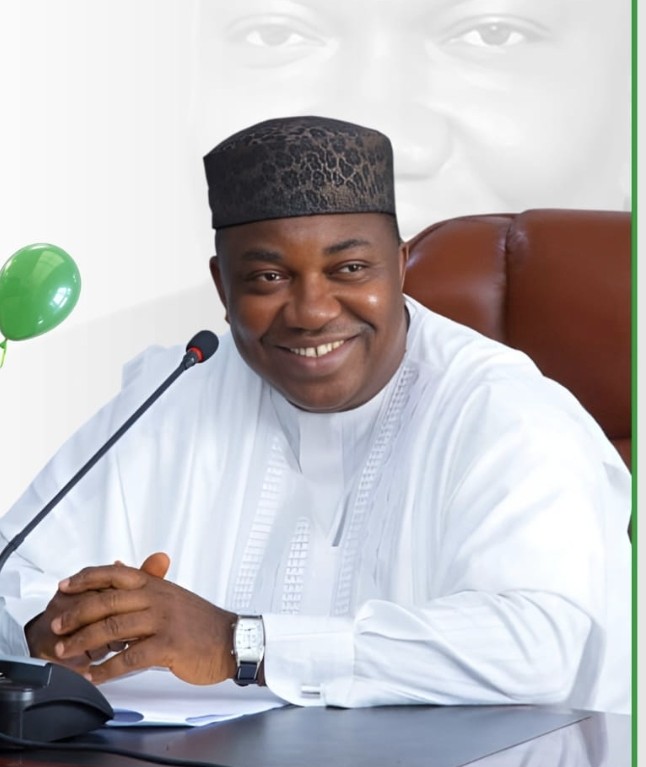
As former Governor of Enugu State, Ifeanyi Ugwuanyi, marks his 62nd birthday, reflections on his years in office continue to centre on a leadership style that stood out in Nigeria’s political landscape—defined not by flamboyance, but by quiet strength, accessibility, and a deeply human approach to governance.
Fondly called “Gburugburu,” a nickname that underscores his widespread grassroots appeal, Ugwuanyi governed Enugu State from 2015 to 2023, a period many observers describe as one marked by stability, inclusiveness, and deliberate efforts to bring governance closer to the people.
A Governor Within Reach
Perhaps the most enduring hallmark of Ugwuanyi’s administration was his open-door policy, which redefined the relationship between government and the governed in Enugu State. At a time when political leaders often appeared distant and insulated, Ugwuanyi chose a different path—one that prioritised accessibility and constant engagement.
Government House, Enugu, under his leadership, became a hub of interaction where traditional rulers, market women, youth groups, civil servants, and political stakeholders could seek audience without the rigid barriers typically associated with power. His regular presence at community events, religious gatherings, and social functions further reinforced the image of a leader who was not removed from the realities of his people.
This accessibility was not merely symbolic. It translated into policy responsiveness, as many decisions of his administration were shaped by direct feedback from citizens. In many instances, grievances brought personally to him received swift attention, strengthening public confidence in his leadership.
Compassion Beyond Politics
Ugwuanyi’s generosity became almost legendary during his time in office. Beyond formal government programmes, he was widely known for personal acts of kindness that touched countless lives. From offsetting hospital bills for indigent patients to supporting bereaved families, funding education for underprivileged children, and empowering small-scale traders, his interventions often came quietly, without publicity.
Widows, the elderly, persons living with disabilities, and rural dwellers frequently found in him an ally. His administration institutionalised some of these gestures through social support initiatives, but it was his personal involvement that left a lasting impression on many beneficiaries.
In a political climate where leadership is often measured in grand projects alone, Ugwuanyi’s emphasis on compassion and human connection set him apart, earning him loyalty that transcended party lines.
Peace and Stability as a Policy Priority
While infrastructure and economic growth remain key metrics of governance, Ugwuanyi placed significant emphasis on peace and security—an area in which Enugu State recorded relative calm during his tenure, even as parts of the country faced serious challenges.
Through consistent engagement with traditional institutions, religious leaders, youth organisations, and security agencies, his administration fostered a collaborative approach to conflict prevention and resolution. His ability to listen, mediate, and build consensus proved crucial in maintaining stability across communities.
Observers often note that his calm disposition and non-confrontational style contributed significantly to this atmosphere of peace, making Enugu one of the more stable states in the South-East during his years in office.
Infrastructure and Rural Development
Though often described as a “quiet achiever,” Ugwuanyi’s administration recorded notable progress in infrastructure, particularly in rural development. His government focused on opening up rural communities through road construction and rehabilitation, improving access to markets, healthcare, and education.
Several urban roads were also upgraded to ease traffic congestion and support economic activities within Enugu metropolis and other key towns. His rural electrification efforts, alongside water projects in underserved communities, contributed to improving living conditions for many residents.
In the education sector, his administration invested in the renovation of public schools, provision of learning materials, and support for teachers, aimed at strengthening the foundation of basic education. Similarly, the healthcare sector saw improvements through the upgrading of primary healthcare centres and increased attention to community-based health services.
Workers’ Welfare and Administrative Stability
Ugwuanyi maintained a relatively stable relationship with the workforce throughout his tenure. Enugu State under his leadership gained a reputation for the regular payment of salaries, even during periods when many states struggled to meet such obligations.
Pensioners, often among the most vulnerable, also benefited from efforts to address arrears and improve their welfare. This commitment helped to reduce labour unrest and foster a cooperative environment between government and workers.
Political Leadership and Party Stability
Within the political space, Ugwuanyi was widely regarded as a unifying figure. His consensus-driven approach to leadership helped to manage internal party dynamics and reduce conflicts, ensuring relative stability within the political structure of the state.
He was often seen as a bridge-builder, someone who prioritised dialogue over division, and this earned him respect not only among his allies but also among political opponents.
A Lasting Impression
As Ifeanyi Ugwuanyi celebrates his 62nd birthday, the reflections go beyond policies and projects. For many, his legacy lies in the tone he set—one of humility, patience, and genuine concern for the welfare of the people.
In an era where leadership is frequently associated with power and distance, Ugwuanyi’s tenure offered a different model—one where accessibility, empathy, and quiet service defined governance.
Years after leaving office, the stories persist: of a governor who listened, who showed up, and who, in the eyes of many, governed not just with authority, but with heart.