



News
Epileptic Power: Dangote, NNPCL, Total, 247 firms dump discos

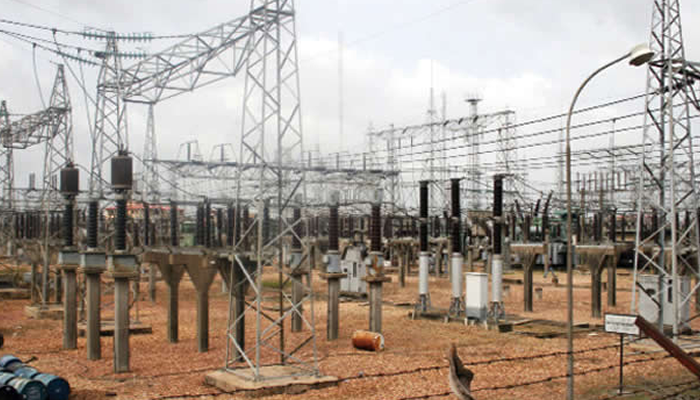

As the country battles incessant blackouts, about 250 manufacturers and academic institutions have abandoned their respective power distribution companies to generate their own electricity.
The organisations, many of whom are bulk electricity users, shunned the national grid to generate reliable electricity for themselves.
Health 360: Sickle Cell Disease
This is coming amid the high cost of electricity, fuel price hikes, incessant grid collapses, and line trippings.
In 2021, former President Olusegun Obasanjo dumped the national grid to unveil a two-megawatts solar power project at the Olusegun Obasanjo Presidential Library, Abeokuta, Ogun State.

The project, which cost about N2bn at that time, was described by the former President as a remarkably cost-effective investment.
Further findings by our correspondent indicated that these outlets got permits from the NERC to generate captive power. Some permits were issued as far back as 2010, 2016, 2020, and 2022.
It was learned that the request for captive power generation increased since 2023, especially after President Bola Tinubu signed the Electricity Act 2023
Captive power generation permits are issued to entities that intend to own and maintain power plants exclusively for their consumption. That means the entities are not allowed to sell electricity generated from the plant to any third party.
While some of the plants use gas as feedstock, many embrace the use of renewable energy sources like solar.
One of the biggest captive power generators is the Dangote Group.
Dangote Industries Limited has generated about 1,500MW of electricity, according to Aliko Dangote. The Dangote refinery alone has a 435MW power plant that can meet the total power requirement of the Ibadan Electricity Distribution Company.
“We don’t put pressure on the grid. We produce about 1,500 megawatts of power for self-consumption,” Aliko Dangote said last year at the Afreximbank Annual Meetings and AfriCaribbean Trade & Investment Forum in Nassau, The Bahamas.
According to data sourced from NERC, 249 firms and institutions were granted permits to generate captive power.
The quantum of power generated by these organisations is approximately 5,180MW.
When this is added to the 1,500MW generated by the Dangote Group, it would amount to over 6,500MW being generated by the companies and learning institutions.
According to NERC, Pure Flour Mills Limited in Rivers State got a permit to generate 546MW of electricity while Nigeria LNG generates 360MW.
United Cement Company of Nigeria Limited (Lafarge Africa Limited) generates 105MW; Total E & P Nigeria Limited, 174MW; Esso Exploration & Production Nigeria Limited, 76MW; First Global Commerce Solutions Limited, 77MW; Flour Mills of Nigeria Plc, 70MW; and Lafarge Cement Wapco Nigeria Plc, 90MW.
Some of the companies include MTN Nigeria, the Nigerian National Petroleum Company Limited, Shell, Nigerian Breweries Plc, Flour Mills of Nigeria Plc, Mobil Producing Nigeria Unlimited, Kaduna refinery, Warri refinery, Lafarge Cement Wapco Nigeria Plc, Procter and Gamble Nigeria Limited, and Bank of Industry Ltd.
Others include Seven-Up Bottling Company Plc, First Bank of Nigeria Plc, Dangote Cement Plc, Lekki Port LFTZ Enterprise Limited, Guinness Nigeria Plc, Chevron Nigeria Limited, Nestle Nigeria Plc, Total Upstream Nigeria Limited, Aluminium Smelter Company of Nigeria, De-United Foods Industries Limited, Sagamu Steel Nigeria Limited, British American Tobacco Nigeria Limited, Unilever Nigeria Plc, Total E & P Nigeria Limited, and Mikano International Limited.
They also include Federal Airports Authority of Nigeria, Airtel Networks Limited, Nogap Power Development Company Limited, Shell Exploration & Production Company Limited, Esso Exploration & Production Nigeria Limited (Usan OML 138), Indorama Eleme Petrochemicals Limited, Cadbury Nigeria Plc, Honeywell Flour Mills, Atlantic International Limited Refinery & Petrochemical Limited, Julius Berger Nigeria Plc, Okamu Oil Palm Company, PZ Cusson Nig Plc, among others.
Among the universities with captive power are the University of Lagos, Abubakar Tafawa Balewa University, Federal University Ndufu-Alike IKWO, Usmanu Danfodiyo University, Obafemi Awolowo University, Federal University of Petroleum Resources, Nnamdi Azikiwe University, Awka, Federal University of Agriculture, Makurdi, Bayero University, Kano, and University of Benin.
Others include University of Abuja, University of Calabar & Teaching Hospital, Cross River State, University of Agriculture Micheal Okpara, Umetuke, Abia State, University of Maiduguri & Teaching Hospital, Borno State, Federal University of Agriculture, Abeokuta Main Campus, Ogun State, and the Federal University Gashuwa, Yobe State.
The Nigerian Defence Academy, a military university based in Kaduna recently got NERC’s nod to generate 2.50MW of electricity.
Experts said the abandonment of the national grid by bulk users of electricity could spell doom for the paper sector.
FG laments
The Minister of Power, Adebayo Adelabu, recently decried the rate at which bulk electricity consumers abandon the national grid to generate their own electricity.
Adelabu emphasised that grid connection as a power source is more reliable than captive power plants currently being used by bulk electricity consumers.
He regretted that despite generating over 5,155MW of electricity, the power distribution companies were not taking the power allocated to them to avoid incurring debt due to low recovery.
He said, “The majority of bulk electricity users, such as industries, are off the grid due to a lack of trust and confidence in the past. They now have their own captive power plants in their industries, which is more expensive.”
According to him, the continued use of captive power rather than grid connection is more expensive.
“The average cost of producing captive power is about N350 to N400 per kilowatt-hour for those connected to gas lines. For diesel it’s about N950 or N1,000,” he said.
He stated that efforts would be made to encourage the bulk users to return to the national grid.
“Once consumers and industries see the trust, the confidence, and the stability we are giving, they would be encouraged and reconnect to the grid for a cheaper source of power.”
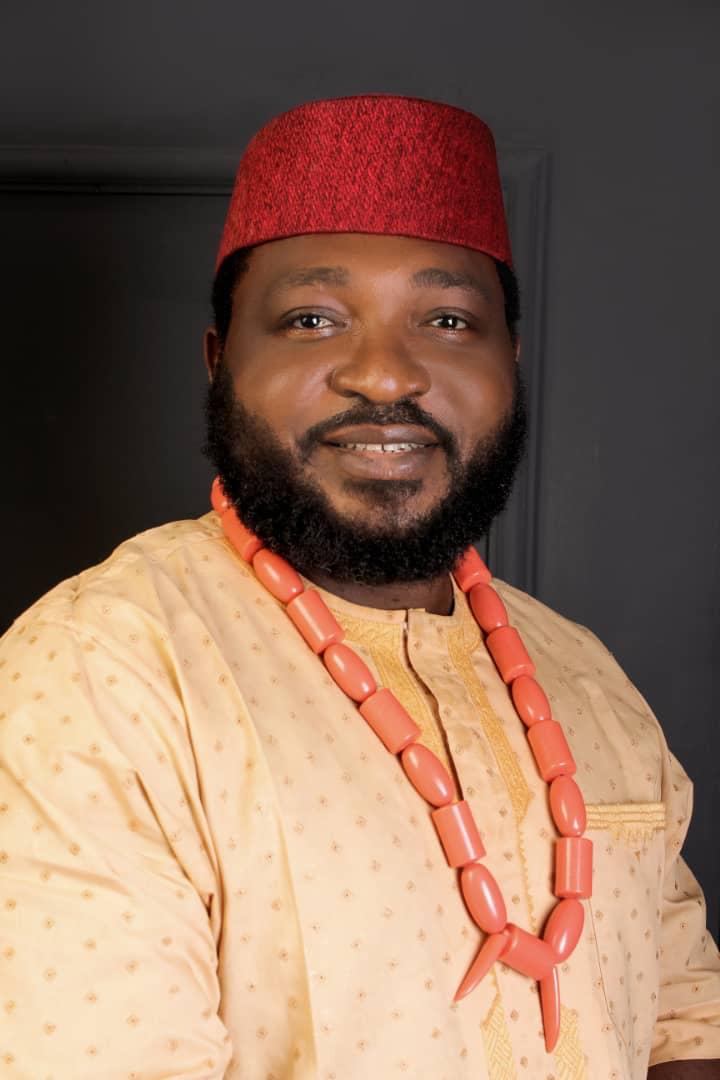
Hon. Chief Kevin Tobias Chukwu, the NDC candidate for the Ezza South/Ikwo Federal Constituency in the House of Representatives, has called on Nigerian leaders to rediscover the country by spending their vacations and leisure time within Nigeria.
Chukwu made the call while reacting to former Anambra State Governor and Labour Party presidential candidate, Peter Obi’s position that Nigerian presidents should spend their vacations in the country.
He said the issue should be viewed beyond partisan politics, arguing that leaders must demonstrate confidence in Nigeria if they expect citizens and investors to do the same.
According to him, frequent foreign vacations by political leaders send the wrong message to Nigerians, particularly when the government continues to encourage citizens to invest in the domestic economy.
“We cannot continue to export our wealth and import our enjoyment while asking Nigerians to believe in Nigeria,” he said.
Chukwu suggested that a president could choose to spend holidays in tourist destinations such as Obudu, Yankari, Lagos, Enugu, Ebonyi, Plateau and Akwa Ibom, among others.
He said such visits would boost local businesses, including hotels, restaurants, transport operators, farmers, artisans and other small businesses, while also increasing public confidence in Nigeria’s tourism potential.
The NDC candidate also highlighted the security implications, saying a president who can comfortably spend time in different parts of the country would send a strong signal about the safety and viability of those areas.
“This should go beyond Peter Obi and beyond party politics. It is about a new culture of leadership,” Chukwu said.
He added: “If we truly want Nigerians to believe in Nigeria, those who lead Nigeria must demonstrate that belief themselves. Charity, they say, begins at home.”
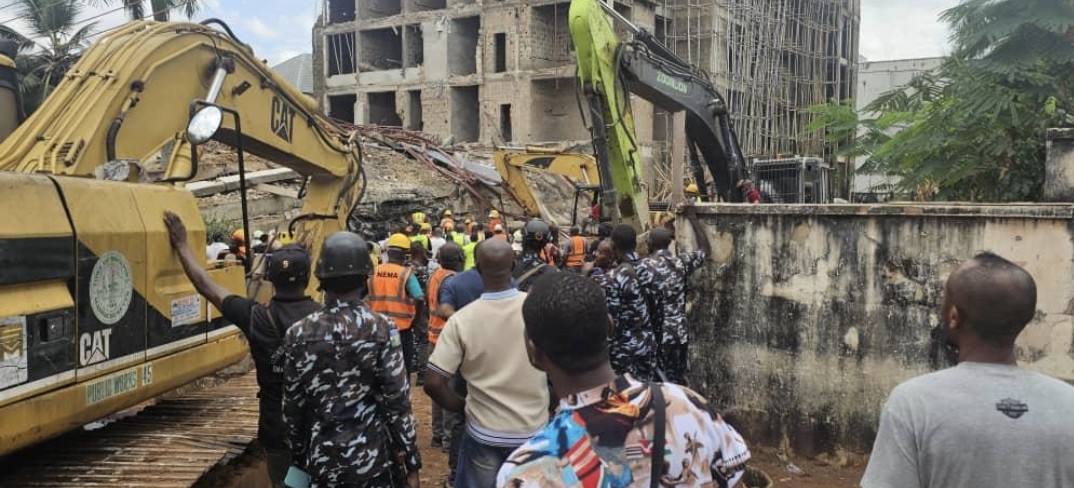
The Director of the Enugu State Fire and Rescue Service, Chief Okwudili Ohaa, has said the swift mobilisation of emergency resources by Governor Peter Mbah led to the rescue of five occupants trapped in a collapsed building in Enugu metropolis.
The uncompleted four-storey building, located along Ogbaru Street, by Alvan Ikokwu Street, Independence Layout, Enugu, collapsed in the early hours of Sunday.
Ohaa told newsmen on Sunday that all five occupants of the building, as confirmed by the security guard on duty, were successfully rescued.
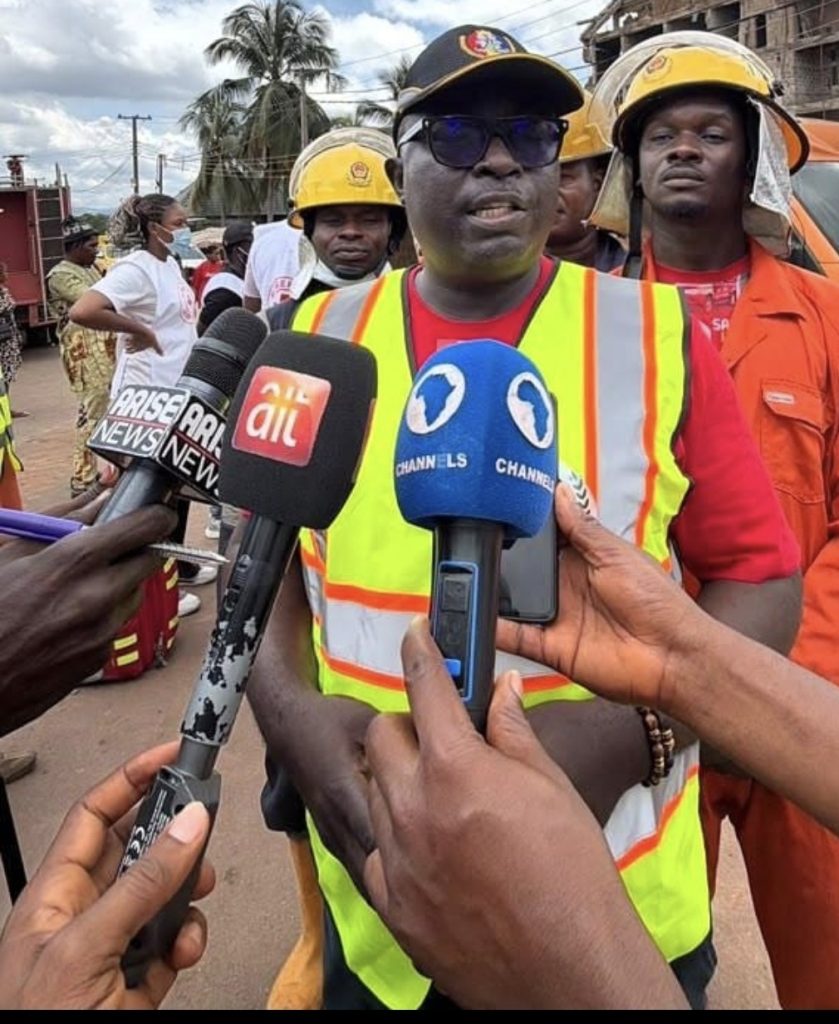
Ohaa
He said four of the occupants were rescued alive and conscious, although they sustained injuries, while the fifth person was rescued unconscious.
Ohaa commended Governor Mbah for his swift mobilisation of emergency response agencies, including the Red Cross, Enugu State Emergency Management Agency (SEMA), Enugu State Ambulance Services, the police and the Nigeria Security and Civil Defence Corps (NSCDC).
Other agencies and organisations at the scene included the National Emergency Management Agency (NEMA), Enugu Capital Territory Development Agency (ECTDA) and a Chinese construction company, which provided four heavy-duty cranes.
According to Ohaa, the governor alerted him about the incident early Sunday morning, prompting the immediate mobilisation of officers of the Enugu State Fire and Rescue Service to the scene with extrication equipment.
“His Excellency, Dr Peter Ndubuisi Mbah, must be commended for also mobilising adequate rescue equipment such as heavy-duty cranes, bulldozers and excavators, which ensured the rescue of the five persons,” he said.
Ohaa explained that rescue officers initially relied on information from the security guard to determine how many people were trapped in the building.
“As rescue officers, what we did was to ask the security man how many people were here. He said there were supposed to be six. One person had left before it happened.
“So, we were able at that initial time to rescue four persons. Out of the four, two sustained minor injuries and they were all rushed to a health facility for proper checks,” he said.
The Chief Fire and Rescue Officer said the fifth person was eventually recovered unconscious and taken to a health facility by the Enugu State Ambulance Services.
The NEMA Information Officer in Enugu, Mr Nnanyelugo Ezeani, also confirmed that five people were rescued.
He said the situation could have been worse because the state government had earlier sealed the construction site.
“One person among the six residing in the collapsed building was not on the site at the time of the incident, while five others were rescued and taken to the hospital,” Ezeani said.
Speaking on the incident, the Executive Chairman of the Enugu Capital Territory Development Agency (ECTDA), Mr Uche Anya, described the developer as one of those who failed to comply with building regulations.
Anya said the ECTDA had earlier taken regulatory action by sealing the site, which was originally approved in 2021.
“This property was approved in 2021 before the advent of this administration. But usually, we have a habit of stocktaking and checking on every construction at every stage.
“When I personally led the team that inspected here, we found out that there were serious integrity issues and non-compliance with their 2021 approval.
“I personally issued the first ‘stop-work order,’ which, due to the violation, resulted in our sealing the place over the last six months outrightly.
“So, I think within the last 30 to 40 days, the representative of the owner, whom they say lives abroad, has been interfacing with us to remedy the situation. This is the process that we are still trying to interface on, and it came down.”
Anya added that he had handed the owner’s representative over to the police to assist with the investigation.
“This is really a very unfortunate situation,” he said.

A four-storey building under construction in Enugu has collapsed, killing at least one person and trapping several construction workers beneath the rubble.
The incident occurred on Sunday morning at the uncompleted structure, reportedly being developed as a hotel, causing panic among residents and passersby.
According to authorities, six workers were believed to have been sleeping inside the building when it collapsed. Four workers have so far been rescued, while the body of one victim has been recovered.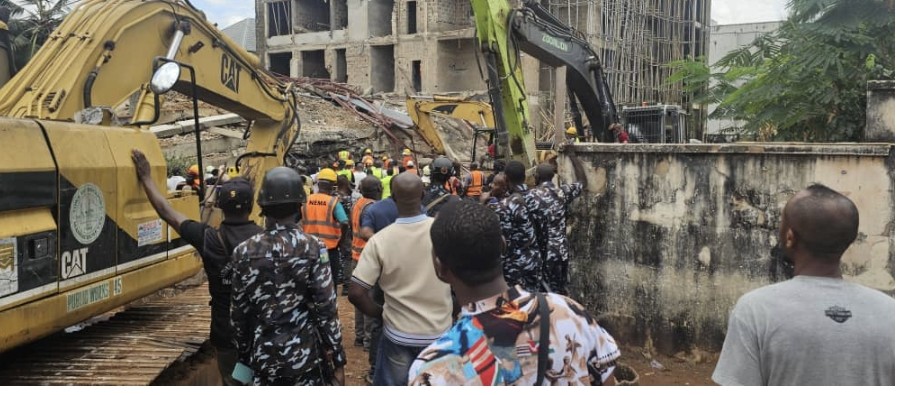
Authorities said one of the six workers reportedly left the site shortly before the collapse, raising hopes that fewer people may be trapped beneath the debris than initially feared.
The rescued workers were taken to the Enugu State Teaching Hospital for treatment.
Emergency responders, including the National Emergency Management Agency (NEMA), Nigerian Red Cross Society, Enugu State Emergency Management Agency (SEMA), Enugu State Capital Territory Development Authority and the police, are participating in the rescue operation.
The cause of the collapse has not yet been established, while rescue efforts continue at the scene.

The member representing Ikwo/Ezza South Federal Constituency in the House of Representatives, Chinedu Ogah, has called on the Economic and Financial Crimes Commission (EFCC) and other anti-graft agencies to investigate the financial activities and source of wealth of socialite and businessman, Paschal Okechukwu, popularly known as Cubana Chief Priest.
Ogah, who is Chairman of the House Committee on Reformatory Institutions, made the call on Thursday at a press conference in Abakaliki, Ebonyi State.
The lawmaker said the businessman’s financial dealings should be subjected to scrutiny regardless of his public profile.
“I am urging the EFCC to thoroughly investigate him, investigate his bank accounts, investigate all the things he does,” Ogah said.
He also accused Cubana Chief Priest of undermining President Bola Tinubu’s political fortunes in the South-East ahead of the 2027 general elections.
Ogah questioned the socialite’s claim to political influence in Ebonyi State and challenged him to make his membership card of the All Progressives Congress (APC) public.
The lawmaker further criticised recent comments attributed to Cubana Chief Priest on social media in which he reportedly called for the resignation of Ebonyi State Governor, Francis Nwifuru.
Ogah demanded that the comments be withdrawn and followed by an apology, warning that legal action could be taken if the businessman failed to comply.
“Who is Cubana Chief Priest? What is his address that gives him the impetus to speak against our governor, the most performing governor in Nigeria?” he asked.
According to Ogah, Cubana Chief Priest had no electoral mandate to speak on behalf of Ebonyi State or demand the resignation of its elected governor.
He also questioned the businessman’s political influence, noting that he had previously contested an election in Imo State but failed to secure the party’s primary ticket.
Ogah alleges plot against Nwifuru
The lawmaker further alleged that unnamed political actors were sponsoring campaigns aimed at discrediting the Nwifuru administration and weakening the APC ahead of the 2027 elections.
He defended the state’s security architecture, particularly the Commissioner of Police, Hope Okafor, against what he described as an orchestrated campaign for her removal.
Ogah urged the Nigeria Police Force, Department of State Services (DSS) and other relevant agencies to investigate those behind the alleged campaign and determine whether any law had been breached.
“All of us can attest to the peace and security we enjoy in Ebonyi State. The Army, the police, the Civil Defence and the DSS are doing marvellously well in Ebonyi State,” he said.
Lawmaker accuses Otu of mobilising protesters
Ogah also accused another critic of the state government, Charles Otu, of allegedly mobilising people from outside Ebonyi State to participate in a protest against the government in Abuja.
He claimed that some of those involved were presented as Ebonyians despite allegedly coming from other states.
Ogah said his lawyers had previously petitioned the DSS over allegations involving Otu and urged the agency to investigate the matter.
He also challenged Otu to substantiate allegations he allegedly made against him during an appearance on Arise Television.
“My own is that whosoever defaults the law, we take it legally. I cannot mention who I have not known. But when we get there, it is for the security agencies to investigate,” Ogah said.
Ogah lists Nwifuru’s achievements
Defending the Nwifuru administration, Ogah cited the state government’s scholarship programmes, school construction, road projects and other development initiatives as evidence of the governor’s performance.
He said hundreds of Ebonyi indigenes had benefited from postgraduate scholarships in Nigeria and abroad, while roads and schools were being constructed across the state’s 13 local government areas.
Ogah also praised Nwifuru for what he described as political tolerance, saying opposition parties had been allowed to operate freely in the state.
He argued that the people of Ebonyi should determine their political leadership through the ballot rather than through media campaigns and protests.
“Ebonyi people will choose who is their leader. They should stop using the media to castigate the governor,” he said.
Questions Nwifuru’s omission from Tinubu campaign council
The lawmaker also questioned the reported omission of Governor Nwifuru from President Tinubu’s campaign council, describing it as an error that should be corrected.
“How can a governor that has done much in APC not be included in the campaign council? How can a governor that is elected under the APC not be included?” Ogah queried.
He maintained that Nwifuru’s political influence and the APC’s electoral performance in Ebonyi made him an important stakeholder in Tinubu’s 2027 re-election campaign.
Ogah warned political actors against using the media to destabilise the state and urged all parties to pursue their grievances through legal and democratic channels.
The lawmaker, who is also the Ebonyi State Coordinator of the Tinubu Support Group (TSG), was accompanied by other members of the group at the press conference.
He reiterated his call for security agencies to investigate the various allegations raised and take appropriate action against anyone found to have violated the law.

The Federal Character Commission (FCC) has urged youths in Enugu State to disregard the belief that federal government jobs and other opportunities are already allocated before they are advertised.
FCC Executive Chairman, Hulayât Motunrayo Omidiran, gave the charge on Thursday at the International Conference Centre, Enugu, during the Peter Eze Enugu Youth Connect 2026.
Omidiran urged the youths to acquire relevant skills, embrace technology and actively pursue legitimate opportunities, stressing that federal character should promote both equity and merit.
She also warned against fraudulent recruitment schemes and advised applicants to authenticate employment opportunities before applying.
The Enugu State Deputy Governor, Ifeanyi Ossai, represented by the Secretary to the State Government, Prof. Chidiebere Onyia, challenged young people to prepare themselves for available opportunities.
Onyia said government could create opportunities, but individuals must develop the capacity to take advantage of them.
The FCC Commissioner representing Enugu State, Peter Ogbonna Eze, said the programme was designed to bridge the information gap preventing young people from accessing federal employment, scholarships, grants, fellowships and training opportunities.
Eze said many youths were discouraged from applying for federal jobs because of the misconception that such positions had already been shared among influential individuals.
He urged them to apply whenever legitimate opportunities were advertised, warning that nobody should pay money to secure a federal government job.
He also disclosed that five participants in the programme would be selected for a full scholarship opportunity.
Eze said the initiative would continue as a platform for connecting Enugu youths with credible opportunities and urged participants to become “ambassadors of opportunity” by sharing useful information with others.
The event brought together youths and stakeholders from across Enugu State to discuss federal representation, employment, education, skills development and other opportunities.

-

 Entertainment5 days ago
Davido Reveals How Dangote Drove His Mother Home
-

 News3 days ago
FCC Urges Enugu Youths to Prepare for Federal Job Opportunities
-
 Crime5 days ago
Mob Burns Suspected Motorcycle Thief to Death
-
 News5 days ago
Nigerian Army Announces Major Reshuffle, Appoints New Theatre Commander
-
 Politics5 days ago
Anambra APC Sidelined Over First Lady’s Visit, Says Chairman Anosike
-
 Crime5 days ago
Woman Recounts Rape By Nigerian Jailed 17 Years In UK
-
 News5 days ago
Enugu: Iji Nike Sets Sept 13 For New Yam Festival
-
 News5 days ago
More than 24 feared dead in suspected poisoning incident in Ondo