



Politics
2027: PDP govs, Obi, NNPP mull alliance to stop Tinubu

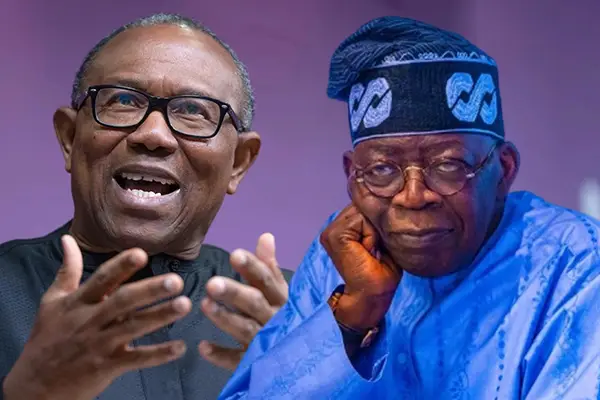

The Chairman of the PDP Governors’ Forum and Bauchi State Governor, Bala Mohammed, confirmed the development after a closed-door meeting with Obi at the Bauchi Government House on Thursday.
He expressed his readiness to work with the former LP presidential candidate to give the country purposeful leadership.
The Bauchi meeting comes a few days after a former Kaduna State Governor, Nasir El-Rufai, vowed to mobilise opposition figures towards unseating Tinubu in the 2027 election.
El-Rufai stated this on Monday after switching to the Social Democratic Party from the APC.

“I will focus on engaging with and persuading other opposition leaders and parties to join us and congregate under a unified democratic platform to challenge the APC in all elections and by-elections,” El-Rufai stated.
Speaking to journalists after the meeting with the ex-presidential candidate, the Bauchi governor said he and the PDP respected and admired Obi’s political style.
“We have a lot of respect and admiration for him because of his style of politics, his statesmanship, his versatility, his deep knowledge of the economy, and his understanding of the country. Of course, he also has a clear vision of where politics and politicians should be in terms of promoting good governance, impacting the people, and uniting the country,” he said.
Mohammed emphasised that it would be a delight to work with the former Anambra State governor, adding that they had earlier met on the way forward.
“It is a delight to work with him and listen to him. His deep knowledge, statistics and so on. And we in the PDP, as chairman of my colleagues, we have always admired him and we have always shown interest because, behind the scenes, I have been meeting with him.
“This is not the first time we met. In fact, I met him in Abuja, and I was going to meet him. But out of his normal humility, he decided to come here and we’ve discussed so many issues.
“We discussed step-by-step challenges like the challenges in Rivers State. And I feel highly appreciative of what he is doing as a leader of the opposition. Because whether we like it or not, he is the leader of the opposition now in Nigeria.”
Speaking on his plans, the governor noted, “I want to say at this level, not to make some of those doubting Thomases and curious minds to pre-empt what we are doing, that myself as a person, I am ready to work with Peter Obi.
“And to make sure we come together, close ranks, and bring good governance to the country. We will give a vibrant opposition, with knowledge, with timelines, with vision in such a manner that we would rescue and recover our country from the mediocre parading themselves as leaders.”
The former Federal Capital Territory minister said the time had come for the opposition to work together to achieve their objectives.
“Definitely, the time has come when we must step out and do things with sincerity and focus. I think our coming together is a message and the message is going to resonate because all our colleague governors are behind this kind of journey because it’s a transcendental one,” he said.
Speaking earlier, Obi explained that he was consulting with Mohammed “as a critical person in Nigerian politics.”
He said the situation in Nigeria necessitated him to visit the governor to discuss the future of the country, hinting that more such meetings would be held.
“So, it’s just a consultation and discussion meeting that will continue to go on as we talk about the future of this country. All of you are aware of where we are today, what is happening, our country and everything.
“And if we have to discuss that, we have to discuss issues happening in the North. Like I have told the governor today, that the North is a critical component if we are going to get it right in this country.”
Obi further stated, “When people talk about the criminality in Nigeria, especially when people talk about the North, I said no, there’s poverty in Nigeria. You have to deal with the issue of poverty. Until you solve poverty, you can’t solve criminality.”
He said the government needed to invest in critical areas such as education and agriculture to lift Nigerians out of poverty and address criminality.
“But as you can see in the political space now, we’re not discussing all this. What we are discussing in political space are budget padding, and sexual harassment, whereas our people are hungry. We need to discuss hunger, we need to discuss poverty, we need to discuss education and health,” he added.
Obi revealed that the Thursday meeting was a precursor to other meetings with Mohammed as they planned to engage further about the country’s future.
Meanwhile, El-Rufai has disclosed that he had the consent of former President Muhammadu Buhari to dump the APC.
Speaking in an interview with BBC Hausa service, the ex-minister stated, “I left the APC with his full knowledge. I visited him on a Friday and informed him of my decision to leave the party because I was involved and consulted with him on all my matters.”
He recalled how as governor, he submitted the list of his commissioner-nominees to Buhari to screen them and see if any of them had ever insulted him (Buhari).
“After going through the list, he nodded his approval and offered prayers. I consult with him in all I do,” he added.
El-Rufai claimed he knew individuals who paid for ministerial appointments in Tinubu’s cabinet.
“Did I seek to be a minister? I know people who paid to get ministerial appointments,” El-Rufai responded when asked whether he anticipated that people might believe he left the APC because he was not appointed as a minister.
He stated that it would have been easier for him if the party had sacked him, as that would have saved him from the stress of explaining his exit.
The former FCT minister insisted he did not leave the APC, arguing that the party abandoned him and its original ideals.
He said those who worked for the party were not recognised or rewarded.
Asked if he had any political godfather, El-Rufai said, “I have those I consult with in everything I do. I inform them of anything I intend to do, and when they demand that I keep off, I do. My first godfather is Muhammadu Buhari. For the rest, I will not mention them because if I do, they’ll be pressured.”
Against the backdrop of insinuation that former President Buhari gave El-Rufai the nod to leave the party, the former president, on Thursday, stressed that he remained loyal to the APC and would keep working to “popularise” the party.
“I am an APC member, and I like to be addressed as such. I will try to popularise the party by all means,” Buhari declared in a statement signed by his spokesman, Garba Shehu.
When asked if he regretted supporting Tinubu, the ex-Kaduna governor replied, “I haven’t regretted it, but I have been taken by surprise.
“Why I don’t regret supporting him is that some Yoruba leaders from the southwest had visited Kaduna and informed me that the Muslims of their region were being politically marginalised. That was the first reason I supported Tinubu.
“The second reason is this: We agreed that the 2023 presidential seat would be zoned to the Southern part of Nigeria for fairness, balance and justice in the country.”
The NNPP National Publicity Secretary, Ladipo Johnson, confirmed that the party and its 2023 presidential candidate, Rabiu Kwankwaso, were engaging in consultations with other parties to unseat Tinubu.
Johnson stated that the party was being cautious in its coalition efforts, noting that announcements would be made at the appropriate time.
He stated, “Well, as you know, the electoral space is very wide, just like Nigeria. What I can confirm is that the party, and even the leader, Senator Rabiu Kwankwaso, have been in talks with various people, and groups and are still reaching out and being reached out to by different interest groups in the country.
“It is clear to most of us in the opposition that the people of the country are suffering, and that we must come together in one way or another to ensure that we end this mismanagement of our economy and other issues.
“Now, what I am saying is that not all opposition parties may be in the same vehicle, but we are working to ensure that a critical mass of opposition politicians in the country will be in one vehicle and will provide leadership for others who will come around to ensure that, politically speaking, we defeat the incumbent administration.”
He noted, “I cannot say whether we will or will not see it. But I can confirm the willingness of the NNPP to talk to others. That is already happening—talking to groups, individuals, or perhaps some parties.
“But at this stage, tactically speaking, we tend not to say who we are talking with as a party. But the party itself is very strategic, making sure that its steps are circumspect in what we do.
“At the right time, you will receive announcements and updates. But we are in the loop, we are consulting and being consulted.”
The Coalition of United Political Parties also confirmed the move by the opposition political parties to form a coalition ahead of the 2027 presidential election.
The National Secretary of CUPP, Peter Ahmeh, stated that only a proven southern candidate could defeat Tinubu.
But the Peoples Democratic Party described its platform as the strongest to host other opposition parties in the fight for power against the ruling APC.
Former Vice President Atiku Abubakar has also repeatedly stressed the importance of unity among the opposition parties.
On March 8, the 2023 PDP presidential candidate revealed that he was working to unite opposition parties in a coalition to remove the APC from power.
“Atiku is advocating a robust coalition that would accommodate all opposition parties – the PDP inclusive,” he stated in a statement by his media aide.
In an interview, the CUPP scribe confirmed that consultations regarding a coalition were ongoing but added that an agreement had yet to be reached on the chosen platform.
He stated, “Yes, consultations and conversations about a coalition of opposition political parties to defeat Tinubu in 2027 are ongoing.
“The opposition parties need to come together, and they must also take into consideration that there is a quiet agreement between the South and the North that power shall continue to rotate.
“I am very sure 100 per cent that if a northern candidate appears in this coalition, Tinubu will win the election before noon. So, the South should be allowed to spend eight years and they should also consider other candidates from other parts.
“We have to look at candidates with records. We must also make sure that the parties come together for the benefit of the masses, especially the suffering masses of this country.”
The CUPP secretary, who identified Obi as the only southern candidate capable of defeating Tinubu, urged the northerners involved in the coalition discussions to select credible running mates from their region.
He continued, “It was a personal decision for El-Rufa’i to join the SDP, which is within his right as a free citizen of this country. But that is not where the decision of the opposition coalition lies.
“Maybe he’s trying to bring the SDP to the table as part of the opposition coalition.
“But the issue with the 2027 election is that the opposition must take it very seriously because I know that, yes, the APC itself has been disarrayed, but it’s not something we should take for granted.
“The APC is the one that currently controls the apparatus of the state. So, the stronger the opposition, the better for the opposition to achieve this objective, the better for all in the end.
“If we have a coalition that brings in more northern leaders, it can bring in more interested people who can galvanise voters, encourage voters, and have their own voter base and support base.
“If the intent and purpose of those who are discussing the coalition today is to defeat Tinubu, they have only one choice: a southern candidate, that is Obi. So, the North should come up with a running mate.”
The PDP Deputy National Youth Leader, Timothy Osadolor, said the opposition political parties must set aside their egos and form a coalition against the APC.
The party chieftain expressed concerns that selecting a presidential candidate might be a risky move for the coalition and urged other parties to adopt the PDP as the platform for the coalition.
He said, “There are two sides to every issue. On both sides of the screen, you have a coalition, which in itself seems like a good thing because it brings most of the key actors together on the same page.
“But the danger lies in that level of cooperation and agreement—who will settle for which role, and who will agree to step down for the sake of the desperate politicians?
“I am not against the PDP bridging the coalition, but I am against people who should only be contesting for governorship or Senate positions in their states, in the name of the coalition, yet want to run for President.
“If we can truly understand what fits us, how to address that, and align our actions accordingly, there wouldn’t be too much of a quarrel.”
He urged those leading the coalition to be honest, stressing that the PDP was open to discussions and willing to accommodate all coalition interests.
The LP National Publicity Secretary, Obiora Ifoh, said the party’s National Working Committee was, however, not involved in any coalition discussions with individuals or other parties.
He described the LP as a powerful party and expressed doubts that coalition talks would be pursued by the party leadership, noting that Obi’s actions were driven by his interests.
He stated, “Our presidential candidate in the 2023 election, Peter Obi, can, in his capacity, mingle and discuss with like-minded individuals because it’s all about politics, and every politician is looking ahead to the next election.
“As you can see, many people are meeting each other and talking on an individual basis.
“However, on a party level, I have not seen any party, as of today, that has come forward to discuss coalition or anything merger with LP.
“Nigerian political parties are not run by individuals; they are run by a collective group of elected NWC and National Executive Committee members who sit down to decide the affairs and the next steps the party must take.
“As I speak to you now, the Labour Party has not brought up such matters in the National Working Committee. Therefore, it has not been discussed, and I doubt it will be.”
Buhari reaffirms loyalty
Former President Buhari, in a statement titled “I Am APC Member, I Like To Be Addressed As One – Buhari,” debunked notions that he was working against the party, stating that he would never abandon a party that gave him the platform to serve as Nigeria’s leader for two consecutive terms.
The statement read, “Without referring to any individual, a cast of characters, or issues, principles and ideals currently being discussed by party leaders at various levels, the former President, Muhammadu Buhari, has reiterated what he said times without number that he is member of the All Progressives Congress and would like to be addressed as a loyal member of the party.
“He says he wants to leave no one in doubt that he would never turn his back on the party that gave him two terms of office and would do whatever he can to popularise it.
“I am an APC member and I like to be addressed as such. I will try to popularise the party by all means.”
Buhari noted that at present, he had nothing but gratitude for the support that the party gave him before and during his tenure as president, which he considered as the highest honour, and would never ask for anything more.
He further stated that the pains taken by the founding fathers to establish a strong party to protect the constitution and democracy as a system of government were worthy sacrifices that should be cherished and nurtured.
…Says Political Disagreements Must Not Lead to Loss of Lives
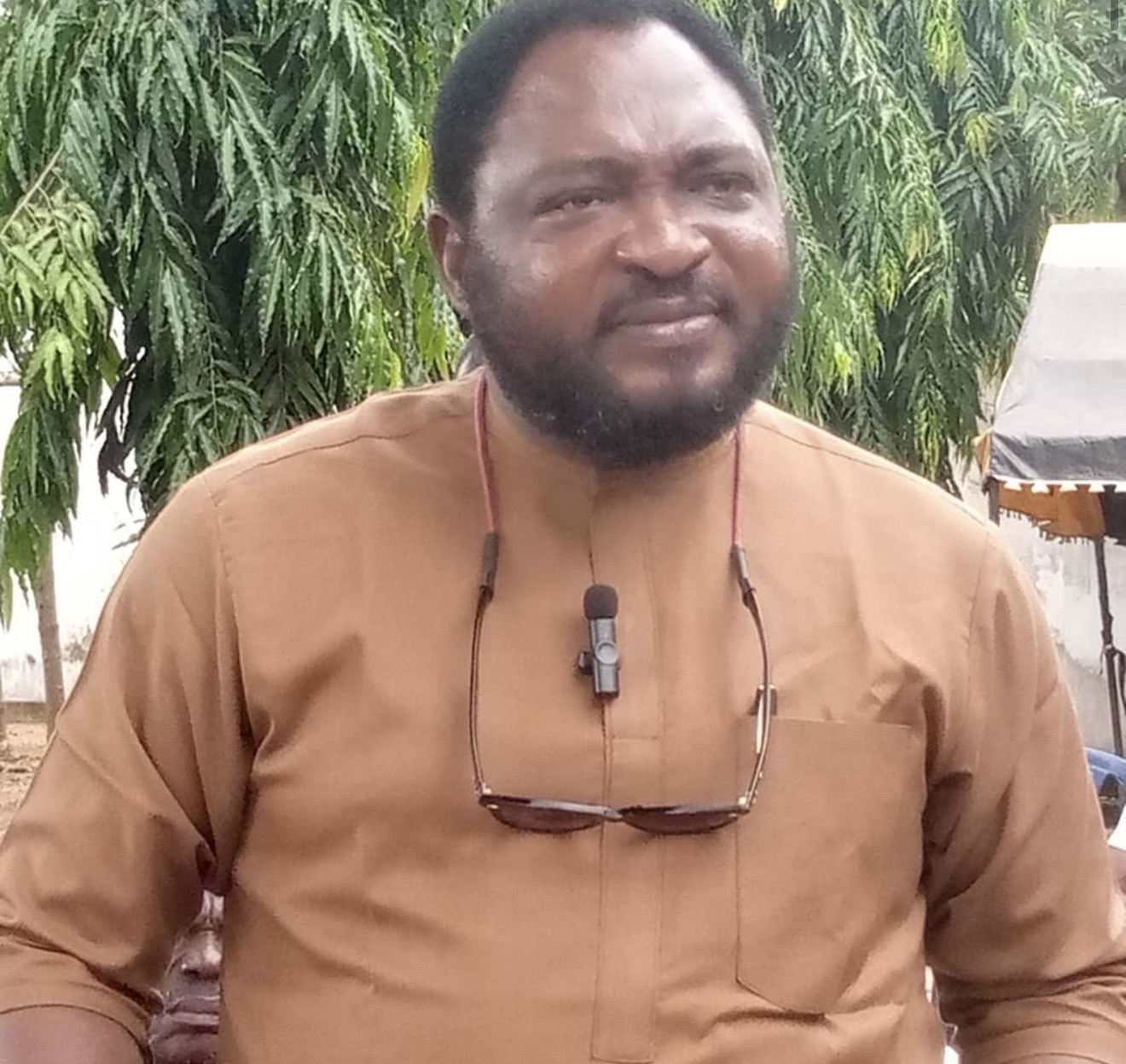
The National Democratic Congress (NDC) House of Representatives candidate for Ezza South/Ikwo Federal Constituency in Ebonyi State, Hon. (Chief) Kevin Tobias Chukwu, has called on security agencies to investigate the reported attack on the party’s State Assembly candidate for Ezza South, Barr. Rollins Ovu-unata Offia-Nwali.
Chukwu said the incident, which reportedly left one person dead, several others injured and a vehicle burnt, raised serious concerns about the safety of political actors and their supporters ahead of the 2027 general elections.
In a statement issued on Sunday, October 25, 2026, the federal constituency candidate condemned political intimidation and violence, insisting that residents must be allowed to participate in the democratic process without fear.
He expressed gratitude to God for the survival of Offia-Nwali and others who reportedly escaped the incident, while extending condolences to the family of the deceased and wishing those injured a speedy recovery.
“As the NDC House of Representatives candidate for Ezza South/Ikwo Federal Constituency, I consider this incident a matter of the utmost seriousness. It occurred within the federal constituency I seek to represent, and I cannot remain silent when the safety, freedom and constitutional rights of our people are threatened,” he said.
Chukwu maintained that Ezza South belonged to its people and should not be treated as the political territory of any individual, officeholder or party.
He stressed that every citizen had the constitutional right to contest elections, support candidates, associate freely and participate in political activities without intimidation.
The NDC candidate expressed concern that the incident had generated political exchanges and accusations rather than a united demand for truth, accountability and justice.
He noted that allegations raised by Offia-Nwali against the Commissioner, Oguzorkanu Offia-Nwali, reportedly involving intimidation of political supporters, an earlier assault on a supporter and circumstances surrounding the identification and subsequent destruction of a vehicle, required an independent investigation.
Chukwu, however, cautioned against treating the allegations as established facts before the conclusion of investigations.
“These allegations must be independently investigated. They should neither be dismissed because of the political positions of those involved nor accepted as established facts without evidence,” he said.
He called on the Inspector-General of Police, the Director-General of the Department of State Services (DSS) and the National Security Adviser to ensure a thorough investigation into the incident.
According to him, the investigation should establish the circumstances surrounding the reported death, identify those responsible for the attack and determine whether any individual or group planned, sponsored, encouraged or facilitated the violence.
“No political office should confer immunity from investigation, and no political disagreement should become a death sentence,” he added.
Chukwu also appealed to political leaders and stakeholders in Ezza South and Ikwo to discourage threats
…Accuses Ebonyi Governor of Poor Performance, Challenges Him to Public Debate
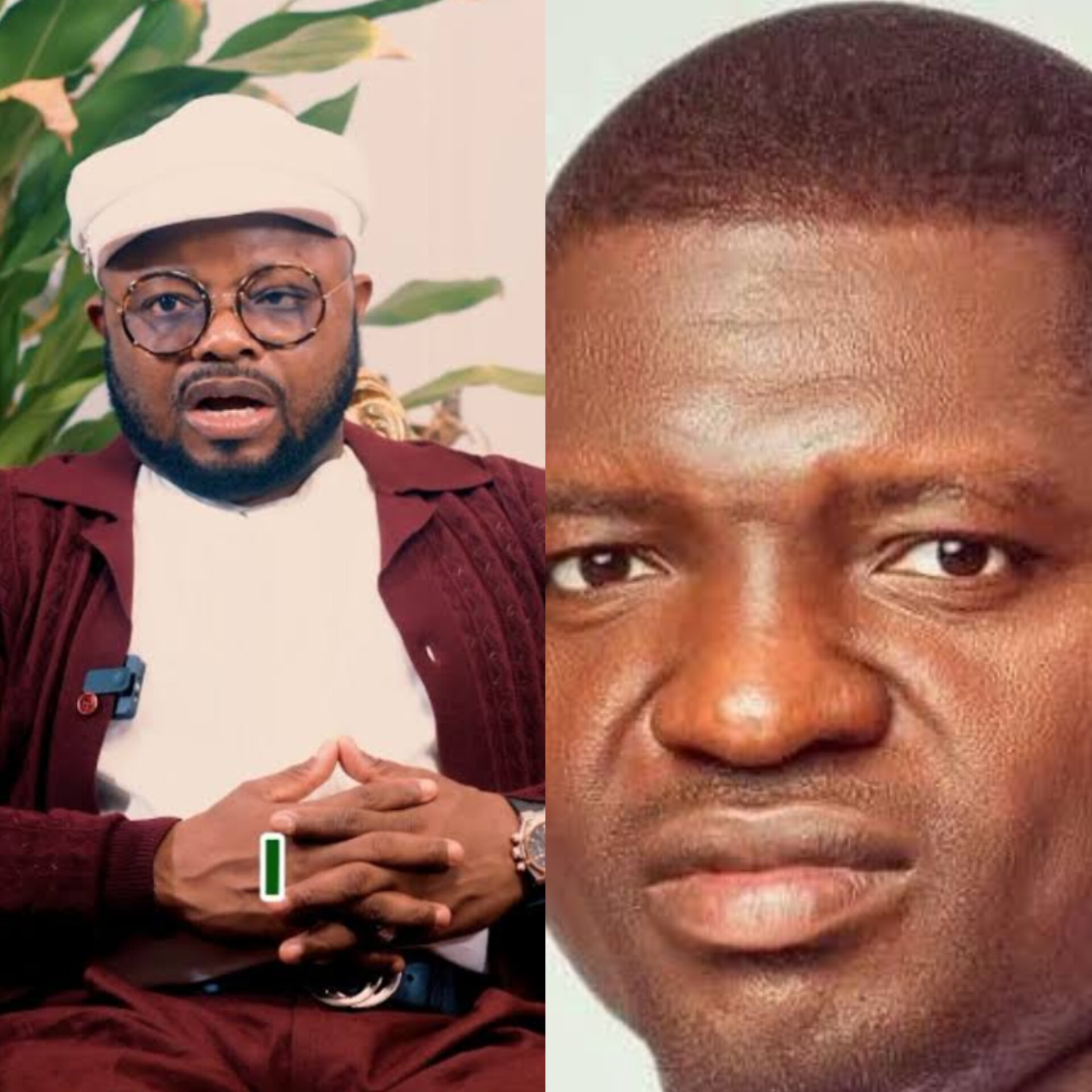
The campaign organisation of the Peoples Democratic Party (PDP) governorship candidate in Ebonyi State, Chief Ifeanyi Chukwuma Odii, has rejected calls for its principal to withdraw from the 2027 governorship race, insisting that Governor Francis Ogbonna Nwifuru should instead reconsider his re-election bid.
The organisation, known as Anyi Ga Eme Ya, described the call by former Commissioner for Information and State Orientation, Hon. Barr. Uchenna Orji, for Odii to step aside in the interest of zoning as misplaced.
It accused the Nwifuru administration of lacking direction and failing to deliver on its promises, challenging the governor to a public debate ahead of the 2027 election.
The campaign organisation made its position known in a statement reacting to Orji’s comments on zoning and the outcome of the Ebonyi State Leaders and Stakeholders Political Summit held on October 20, 2026.
It argued that the governor’s performance should be the primary consideration in determining who governs the state beyond 2027, rather than political arrangements allegedly designed to favour the incumbent.
According to the organisation, Ebonyi residents deserve leadership with a clear development agenda, accountability and a commitment to improving their welfare.
Questions Government Projects, Aircraft Purchase
The campaign organisation cited the Vanco flyover project as one of the issues it believes reflects the shortcomings of the current administration.
It also questioned the status of three aircraft which it alleged the state government announced it had purchased nearly two years ago, demanding clarification on their whereabouts and delivery.
On the proposed Ebonyi New Cement Company at Nkalagu, the organisation called on the government to provide verifiable information about the project’s status, including the relevant licences and preliminary technical assessments.
It argued that establishing a cement manufacturing plant requires extensive geological investigations and other technical evaluations, insisting that the government should clarify the level of progress made.
The organisation maintained that the electorate should assess the administration based on verifiable achievements and its handling of projects and commitments.
The claims and questions raised by the campaign organisation were not independently verified in the statement.
Rejects Zoning Argument, Faults Stakeholders’ Summit
Reacting to Orji’s argument that Odii should withdraw to respect the rotation of the governorship among Ebonyi North, Ebonyi Central and Ebonyi South senatorial zones, the campaign organisation dismissed the position as politically motivated.
It also described the October 20 stakeholders’ summit as a “kangaroo summit”, alleging that its organisers were seeking to secure support for Nwifuru’s second-term ambition.
The organisation accused Orji and other supporters of the governor’s re-election bid of placing political interests above the welfare and aspirations of ordinary residents.
It insisted that the choice of the next governor should be determined by leadership records, policy proposals, development priorities and the electorate’s decision.
The campaign team added that Odii remained committed to contesting the 2027 election and would not abandon his ambition in response to calls for his withdrawal.
Alleges Intimidation of Opposition
The Anyi Ga Eme Ya organisation also raised concerns about what it described as an atmosphere of intimidation against opposition politicians in Ebonyi State ahead of the 2027 general elections.
It alleged that Nwifuru had threatened to sack local government chairmen who failed to deliver their areas during the election, describing the alleged threat as an attempt to pressure council officials into supporting the governor’s political ambition.
The organisation further cited reported killings in Ohaukwu and attacks in Ezza South, Onicha and Ivo local government areas as issues requiring attention.
It also condemned a reported restriction on opposition parties’ campaigns in the state, arguing that political parties should be allowed to canvass for votes in accordance with democratic principles and the law.
The organisation called on the relevant authorities to protect political actors and their supporters, ensure the safety of residents and prevent political disagreements from escalating into violence.
It urged security agencies and other relevant institutions to ensure that political activities ahead of the election take place in a peaceful environment.
The allegations concerning threats against local government chairmen and restrictions on opposition campaigns were not independently verified.
Warns Against Misuse of Odii’s Name
The campaign organisation also cautioned individuals against using Odii’s name to seek government favour, political patronage or personal benefits.
It reaffirmed its commitment to what it described as an alternative leadership agenda focused on development, accountability and citizens’ welfare.
The organisation said the debate over zoning should not overshadow public scrutiny of the incumbent administration’s record and the policy proposals of candidates seeking to govern the state.
Challenges Nwifuru to Public Debate
As part of its response to calls for Odii’s withdrawal, the campaign organisation challenged Nwifuru to participate in a public debate with the PDP candidate ahead of the 2027 governorship election.
It said the proposed debate would provide both politicians with an opportunity to explain their records, present their policies and outline their plans for Ebonyi State.
According to the organisation, the engagement would enable voters to compare the candidates’ positions on governance and development before making their choices.
It maintained that the governor should be prepared to defend his administration’s record before the electorate rather than rely solely on political endorsements and zoning arguments.
The campaign organisation reiterated that Odii would continue to engage residents on his governorship ambition and urged them to participate in the electoral process without fear or intimidation.
The statement was signed by the Anyi Ga Eme Ya Campaign Organisation on behalf of Odii, the PDP governorship candidate in Ebonyi State.

The Ebonyi State Government has effectively restricted political campaigns and gatherings in Ezza South Local Government Area, directing political parties and groups to obtain prior approval from the council chairman before holding such events.
The directive, issued by the Chairman of Ezza South Local Government Area, Hon. Chinedu Mkpuma, follows a recent security breach in Amaezekwe community amid growing concerns over political violence ahead of the 2027 general elections.
In a statement made available to journalists in Abakaliki, Mkpuma expressed dismay over the security situation and said the measure was necessary to protect lives and property, maintain public order and prevent further security breaches.
He acknowledged the constitutional rights of citizens to freedom of association and peaceful assembly but warned that political gatherings in the local government area must henceforth receive prior approval from his office.
The chairman added that violations of the directive would attract appropriate action in accordance with the law.
Meanwhile, the Labour Party governorship candidate, Eze Oko, has condemned the reported killings and alleged attacks on opposition parties in the state, calling on political leaders to end violence and intimidation.
Oko questioned why opposition members were allegedly being targeted and urged youths to resist attempts by politicians to use them as instruments of violence.
He called for a level playing field for all political parties and candidates, insisting that political competition should be based on ideas, manifestos and records of performance rather than violence.
The LP candidate also cautioned political leaders against inflammatory statements capable of fuelling tension during the electioneering period.
He urged candidates seeking re-election to allow their achievements to speak for them instead of allegedly engaging political thugs to intimidate opponents.
Oko further appealed to youths to reject political thuggery and violence, while extending his condolences to the families of those reportedly killed in the incident.
The development comes as political activities begin to gather momentum ahead of the 2027 general elections, with renewed calls for security agencies to investigate reported attacks and ensure that all political parties can operate without intimidation.
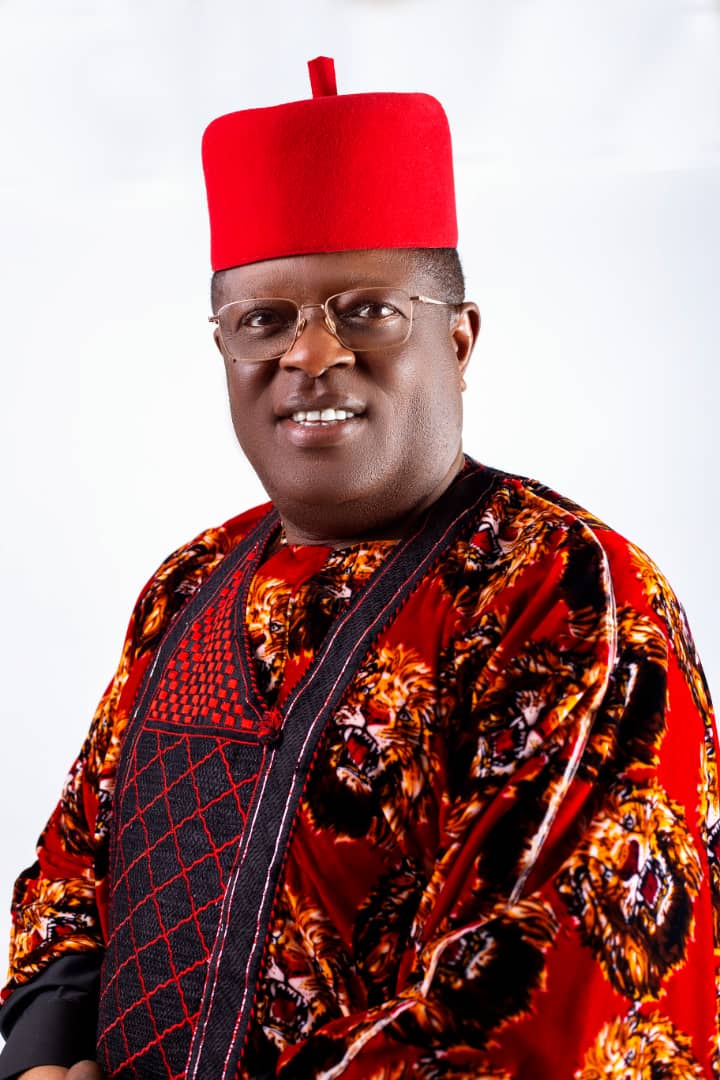
The Minister of Works and former Governor of Ebonyi State, Senator David Umahi, has declared that 2027 is not the South-East’s turn to produce Nigeria’s president, insisting that former Anambra State Governor, Peter Obi, is not the region’s best presidential candidate.
Umahi, who made the declaration during an interview with ARISE News on Friday, defended South-East political leaders supporting President Bola Tinubu’s re-election bid, maintaining that their political choices should not be interpreted as betrayal of the Igbo presidential ambition.
“Peter Obi is not the best of our finest in South East. He’s not the best, he can never be the best,” Umahi declared.
The minister faulted Obi’s approach to the 2023 presidential election, alleging that he failed to adequately consult governors and other influential political stakeholders in the South-East before pursuing his ambition.
“You cannot play politics in South East without consulting people like us,” he maintained.
According to Umahi, any presidential aspirant seeking to represent the collective aspirations of the region must first engage critical stakeholders and build the necessary political consensus.
He argued that Obi’s performance in the 2023 presidential election did not automatically make him the South-East’s most qualified presidential candidate, stressing that the region boasts several other capable political figures.
Umahi also questioned why Anambra State should be given preferential consideration whenever the opportunity arises for the South-East to produce Nigeria’s president.
Citing Nigeria’s first President, Dr Nnamdi Azikiwe, who hailed from the area now constituting Anambra State, the minister maintained that Ebonyi, Enugu, Abia and Imo states equally deserve consideration in future presidential arrangements.
On the growing support for Tinubu among South-East political leaders ahead of 2027, Umahi dismissed allegations that those backing the president had abandoned the region’s political interests.
He insisted that the South-East’s path to the presidency lies in strategic negotiations, consensus-building and alliances with other geopolitical zones rather than presenting loyalty to Obi as the ultimate test of commitment to the Igbo cause.
The former Ebonyi governor had earlier challenged comparisons between himself and Obi during a political engagement in Benin City in September, declaring that he saw no area in which the former Anambra governor was superior to him.
While expressing confidence that the South-East would eventually produce Nigeria’s president, Umahi maintained that the region’s opportunity had not yet arrived, insisting that “it is not yet our turn.”
Politics
2027: APGA, APC Set for Joint Meeting in Anambra to Mobilise Support for Tinubu’s Re-election

By Okey Maduforo, Awka
The All Progressives Grand Alliance (APGA) and the All Progressives Congress (APC) in Anambra State have scheduled a joint meeting for November 1 to strengthen collaboration and mobilise support for President Bola Ahmed Tinubu’s re-election bid in 2027.
The planned meeting comes amid claims that the two parties are not working together in the state to advance Tinubu’s second-term ambition.
The meeting, convened by Anambra State Governor, Professor Chukwuma Charles Soludo, in his capacity as the state coordinator for Tinubu’s re-election campaign, is expected to bring together leaders and members of both parties, including serving and former political officeholders and members of their respective national and state working committees.
The APC State Chairman, Senator Emma Anosike, also confirmed the meeting, telling reporters that he would lead members of his party to attend the gathering.
The development is expected to counter claims of disunity between the two parties over the president’s re-election project in Anambra State.
According to an announcement dated October 22 and signed by Dr Ben Nwankwo, Chief of Staff to the Governor and Coordinator of the Secretariat for the Presidential Campaign Council in Anambra State, the meeting will take place at the International Convention Centre, Awka.
Proceedings are scheduled to begin at 1 p.m., while accreditation will commence at 10 a.m. Participants have been directed to arrive early, as the doors will be closed once the meeting begins.
Attendance is restricted to duly accredited invitees drawn from designated categories of political officeholders, party officials and other stakeholders who remain members of APGA or APC.
Those invited include serving and former governors and deputy governors of Anambra State; members of the national, zonal and state working committees of both parties; and serving and former members of the National and State Assemblies from the state.
All APGA and APC candidates for the 2027 general elections who are members of either party have also been invited.
Other participants expected at the meeting include serving and former political appointees in the state and federal governments, members of the PBAT/APC Presidential Campaign Council from Anambra State, as well as serving and former elected local government chairmen, mayors and transition committee chairmen affiliated with either party.
The invitation list also covers current and former members of the boards of trustees of APGA and APC from Anambra State, coordinators of Tinubu support groups, and serving local government chairmen, secretaries, women leaders and youth leaders of the two parties.
Elected councillors, ward chairmen of APGA and APC, as well as members of the state working committees of the Accord Party and the Peoples Democratic Party (PDP), are also listed among the invitees.
The announcement further stated that selected stakeholders nominated by the state chairmen of APGA and APC, alongside individuals nominated by the state coordinator of the Presidential Campaign Council, would attend the meeting.
It explained that the notice was intended to ensure that all eligible stakeholders were informed of the gathering, adding that anyone who falls within the specified categories would be deemed invited.
The joint meeting is expected to provide a platform for the two parties to coordinate their political activities in Anambra State ahead of the 2027 presidential election.
Strengthen the headline and opening
Trim the lengthy invitation list
Make the report more neutral

-
 News4 days ago
C’RIVER 2027 BUDGET: GOV OTU PRESENTS ₦987.8bn ESTIMATES TO ASSEMBLY
-

 EverydayNews Telescope5 days ago
Enugu East Senate: The Dark Side of Ada Ogbu, NDC Candidate
-
 News4 days ago
Holy Ghost Transformation: How Enugu North Chairman Ibenaku Onoh Ended Years of Traffic Chaos, Roadside Trading
-
 EverydayNews Telescope5 days ago
Ebonyi 2027: The People’s Quest For ODII Vs Compromised Stakeholders
-
 Politics3 days ago
One Feared Dead, Several Injured as Thugs Attack Ebonyi NDC Assembly Candidate, Burn Campaign Vehicle
-
 Politics5 days ago
2027: Tinubu Has No Hand in Alleged Assassination Plot Against Atiku – APC
-
 Health4 days ago
Abuja Ebola case: Enugu Govt strengthens surveillance, puts health officials on alert
-
 Crime5 days ago
N8m Fraud: Job Racket Lands Enugu Businesswoman in EFCC Net