
Features
Lagos death trap where people die weekly; latest victim is 15-yr-old girl

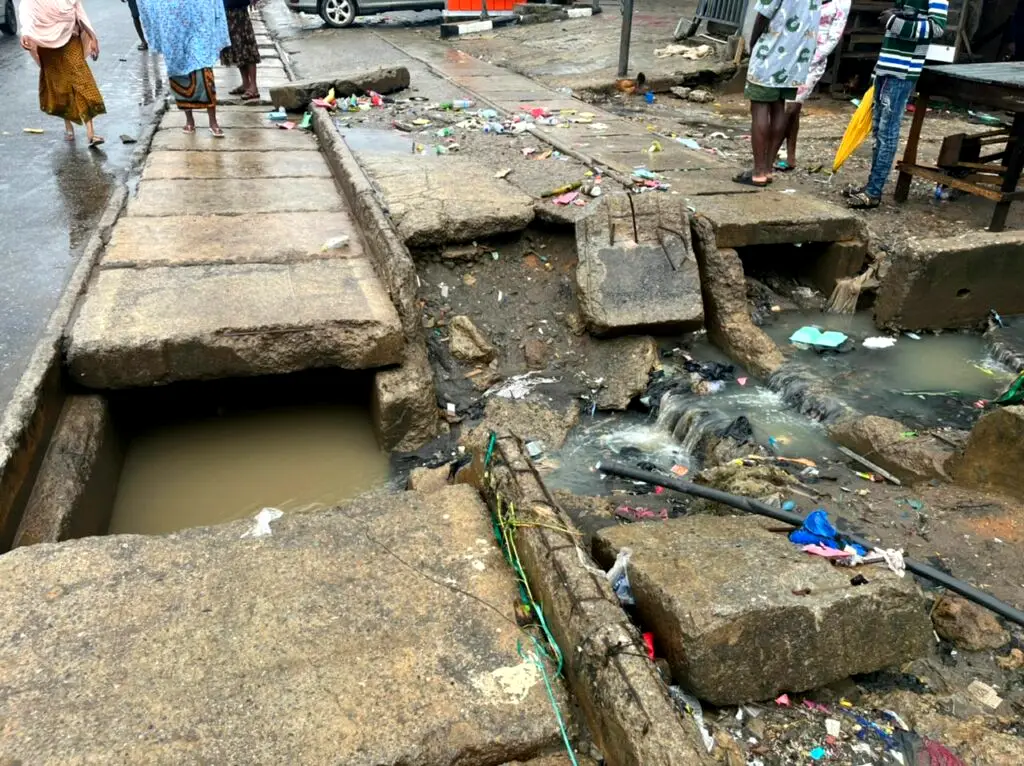
Surprisingly, most of the victims are ignorant of, not just the depth of the drain, but its actual location, especially after it rains.
The 15-year-old student, Erinle Moturayo Mary, was a student of Ajigbeda Girls High School, Surulere. She was on her way back from school on a Friday afternoon, after a downpour, and fell into the drain.
All efforts to rescue her failed, as she was found dead by some mechanics, 12 kilometers from the Idi-Oro Bus stop, from where her bloated body was picked up.
An eyewitness, Oluwasesan Bamuya, an Okada rider, said that he witnessed the pathetic incident.
According to him: “This is not the first time this kind of ugly incident is occurring at this bus stop. It happened two months ago and claimed the lives of a family man and a young lady, although I heard they were more than two. However, what I witnessed last month was two.
Giving detailed account of how the schoolgirl lost her life, he continued: “I overheard the traders telling the little girl to turn back when I was dropping a passenger at Idi-Oro, unknown to me that she was already inside the drain.
“When I got there to rescue her, I saw her bag and I picked it up. Unfortunately, she had gone deep into the drain and was swept away.
“We started searching her bag to see if we can find something to identify her. A lady among us, who fries akara at the bus stop, saw the name written on her book and confirmed that she knew the little girl.
“An hour later, we heard that her body was found on the other side of the drain, which is Idi-Araba.”
The Chairman of Okada riders in Idi-Oro, Ayodele Davies, also asserted that the canal has taken not just one soul, but three.
According to him: “When Tijani, the 50-year-old man, was found dead in the drain, they reported to the chairman of the local government and he came with an entourage to take pictures and, till this very moment, nothing has been done.
“The government should please intervene, else more lives would be lost because the road is usually quiet at night and, as the major route that leads to the nooks and crannies of the street, strangers are usually the victims because there might be nobody at night to direct them properly.”
At the home of the late Erinle Motunrayo Mary, located at Number 13, Igbehinadun, Idi-Oro, Mr. Erin, Mary’s father, said there was nothing to say other than that the government has failed his daughter.
Meanwhile, residents of the area and angry traders, as well as commercial motorcyclists plying the ever-busy road where the drain is situated, are threatening to hold a peaceful protest if the state government refuses to do something about it.
They alleged that both the state and local government have woefully failed to re-construct the drain and make it safer for hundreds of people that pass through it daily.
“Rather, they are waiting for more people to die before fixing the drain or closing it up entirely.”
Vanguard

By Okey Maduforo
From the boundaries of Awka and Enugu State across the Ezu River, through the swamp rice fields of Awba–Ofemili, and from the borders of Igbariam in Anambra East to Achalla, the headquarters of Awka North Local Government Area, the story was once the same: ten communities largely abandoned and resigned to fate.
Predominantly agrarian, Awka North for decades presented the picture of rustic settlements struggling for basic infrastructure. Before the creation of the old Anambra State, many communities could not boast of electricity, while pockets of development recorded in a few areas were largely due to their proximity to Awka, the state capital.
Successive administrations at the local government level made attempts to stimulate development, but the scale of neglect meant that critical projects continued to beg for attention.
The ThankGod Anagu Intervention
In just 14 months since the emergence of the Mayor of Awka North Local Government Area, Chief ThankGod Anagu, the narrative has begun to change. His administration has pursued what many describe as a coordinated and people-centred delivery of social infrastructure, repositioning the once-forgotten council area and highlighting its vast socioeconomic potential.
Under his watch, a total of 39 classroom blocks have been renovated and fully equipped, significantly improving the learning environment across communities. In addition, more than 12 roads have either been constructed or attracted through his administration, easing movement and boosting economic activities.
To address insecurity, the Anagu administration installed security surveillance cameras across strategic communities, a move that has strengthened crime prevention and enhanced public safety.
The Achalla Local Government Secretariat, previously a shadow of itself, has also received a comprehensive facelift. Renovation works covered the main administrative building, the conference hall, and the Rt. Hon. Justice P.K. Nwokedi Hall, restoring dignity and functionality to the council complex.
Tackling Flooding and Erosion
Communities along river lines that had long suffered perennial flooding and erosion have not been left out. Erosion control projects executed in Ebenebe and neighbouring towns have helped protect over 36,000 buildings and vast farmlands, preserving livelihoods and preventing further environmental degradation.
Agricultural Outreach and Empowerment
As an agrarian society, Awka North has also benefited from targeted agricultural interventions. Through collaboration with the Anambra State Government, farmers have been empowered via outreach programmes such as the Farming to Feed initiative and the Palm Revolution, both of which have accelerated agricultural productivity and rural economic growth.
As Chief ThankGod Anagu continues to chart a new course for Awka North, many indigenes believe that with more time, the council area could fully consolidate its developmental gains and evolve into a modern, smart local government with agriculture, security, and infrastructure as its pillars.

On Sunday, the 4th of April, history stirred quietly beneath the ancient hills of Nike as we — alongside the CEO of Landmark Africa, Dr Paul Onwuanibe and others ; the custodians of the iconic Nike Lake Resort — stepped into a journey that promises to reshape the landscape of tourism in Enugu State.
Guided by the visionary momentum of His Excellency, Governor Peter Ndubuisi Mbah, we traced the green spine of the Nike-Ohum Tourism Corridor — a corridor not merely of geography, but of destiny. From the rhythmic whispers of the Nike caves to the majestic gaze of the Udi escarpment, the land told stories waiting to be heard by the world.
This wasn’t just a site visit. It was a pilgrimage into promise, a handshake between heritage and opportunity. It signaled that Mbuluoweje, once a hidden jewel in the hills, is now poised to become a beacon of eco-tourism, cultural revival, and sustainable prosperity.
We went, not just with eyes open — but with hearts aligned to a future already unfolding. For indeed, tomorrow is no longer a distant horizon. It has arrived, dressed in the colors of innovation, investment, and inclusive growth.
The Governor’s transformative tourism blueprint — forged with intentionality earlier this year — is no longer ink on paper. It is spirit on terrain. And in that spirit, we walked. We envisioned a world-class tourism ecosystem — resorts nestled in nature, trails that tell stories, and villages turned vibrant through the power of shared culture and commerce.
This visit will be remembered not just as a meeting of minds, but as a turning of keys — unlocking Mbuluoweje Zone to the world.
To the people of Nike, to the youth, to investors, and to dreamers across Nigeria: prepare for the unveiling. The world is coming to Enugu, and the hills are ready to sing.
Ozo Ossy Onuko the MD Awka Capital Territory Development Authority ACTDA writes from China where he is currently on a working visit and takes a look of ine the hospitalities and culture of the Asian Tiger.
As I sit calmly in my 26th-floor hotel room, overlooking the beautiful city of Changsha, glancing through my new book – Chimamanda’s masterpiece, “Dream Count,” I’m immersed with thoughts, kind thoughts I must say about the emerging new world order – CHINA. I’m reminded of China’s remarkable journey. Some 45 years ago, China opened itself to the rest of the world, ready to deal. After undergoing significant disruptive economic and administrative reforms, a new China emerged from the rubble of numerous wars including the 2nd World War and the Cold War that followed.
I was shocked to learn that in 1839 Britain/Europe brutalised China in a war for refusing the sale of opium to its citizens by the British government in a bid to balance China/Europe’s trade deficit… opium a hard drug with strong addiction tendencies impacted the youth population of China, in other words, Britain was pushing hard drugs to China – keep pondering on that as I continue.
The superior military advantages enjoyed by European forces led to several easy victories over the Chinese military, with the consequence that China was compelled to sign unequal treaties to grant favourable tariffs, trade concessions, reparations and territory to Western powers. One of which was ceding Hong Kong to Britain.
China a poor country, now with a 1.4 Billion population, almost negligible in global affairs then contributed less than 1% to global GDP and in 1978, the year China began to open and reform its economy its GDP increased to 149.5 billion dollars, accounting for 1.7% of the world economy.
Since then, GDP growth has averaged over 9 per cent a year, and almost 800 million people have been lifted out of poverty.
Today, China’s GDP stands at 18.5 trillion US dollars accounting for 19.6% of the global economy. Generally far higher than the contribution of the entire European countries and particularly a far cry from the UK’s 2.0% contribution to global GDP.
China is projected to contribute 22.5% of the global GDP by 2030 and “economic marabouts” prophesy that China will surpass the United States in ten years to become the world’s largest economy and that if that happens, it will be impossible for the US to catch up given the speed of their growth.
Now one wonders less why Donald Trump shouts America First at the top of his voice…it could be that the marabouts have also leaked these things to him. His man Friday, Elon Musk was once amazed at China’s growth, so astonished that he tweeted thus, “China’s progress in advanced infrastructure is more than 100 times faster than the US” – Elon Musk, 27th Feb 2018.
The US is the world’s economic powerhouse, with a GDP of 29 trillion US dollars, contributing approximately 26.3% of the global GDP, its continued economic dominance is threatened by this emerging new world order…the future of the United States lies solely on the ongoing economic reforms under President Trump. While various opinions continue to trial Trump’s reforms, the global magazine The Economist published an article on April 10th, 2025, with the topic “Trump’s incoherent trade policy will do lasting damage”. Whichever way it goes, the jury is out.
Still savouring the bliss of Changsha – the Capital City of Hunan Province of China. Changsha has a population of 10 million people and occupies 11,819 km² space, which is more than five times the size of New York.
This morning, I flew for two hours from Beijing to Changsha, my guide, the delightful and ever-smiling Vivi ( not her real name, you know Chinese names rumple tongues), told me a lot about the history and development of Changsha especially the fact that it is the shoppers delight, as it’s notable amongst many guides they emphasize on shopping areas believing that foreigners have a lot of shopping appetite.
If she had not told me the City was more than 3,000 years old, I would have passed it as a newly emerging green city of China, I was thrilled by the urban regeneration that has transformed a 3000-year-old city into a modern infrastructural masterpiece, the type I have not seen anywhere else.
Can one ever overemphasize the friendly nature of the Chinese, especially those not familiar with blacks? When we walk the streets of urban areas of China, we can be called celebrities. Chinese – couples, students, old and young grapple to either say a cheering and sincere “Ni hao” (hello or hi China), or a selfie photo with you.
We don’t often get that treatment in the West where there’s an overbearing sense of dominance of whites over blacks. Permit me to posit a hypothesis and let our scholars put it to the rigourous test…” blacks are tolerated in the West but celebrated in China”.
As I retire to sleep tonight, it will be unfair not to mention a young Chinese I met at one of the Macdonalds in Chengsha.
When I rushed to grab lunch today, I was greeted with so much warmth and given endearing attention by this McDonald’s staff in a manner I have not experienced anywhere else, regardless of the language barrier between us, we related seamlessly. He would bring out his translator to interpret every word I speak or translate his. But mentioning him here is simply to highlight the National Culture Consciousness I observed in China amongst its teaming youth population.
Because of how cordial the young man was with me, I mistook him for an adult and asked him for a pub where I could ease off. The young man cheerful replied to me and said he’s a minor and by law, he’s not allowed to have such discussions with me…I froze, I just had to.
To make my new foreign friend happy, I would in his shoes simply point at the bars around, but that was not him, he knew the law and didn’t want to flout it. Then again I offered him a tip after my meal, tips elsewhere are a ritual almost like a compulsory part of a bill, he also declined and told me in clear terms that in China, my satisfaction mattered more to him than my tip, that it is their culture.
While I cannot generalise with this isolated case in McDonald in Changsha, it is a strong indication of a strong national orientation anchored on shared values and rooted in excellence where hard work and diligence take priority over rent-seeking and frivolity, a similar social orientation promoted in Nigeria by Prof. Charles Chukwuma Soludo CFR, Executive Governor of Anambra State.
Did I mention that there’s an emerging zinger in China now? Your guess is as good as mine…”America second!”
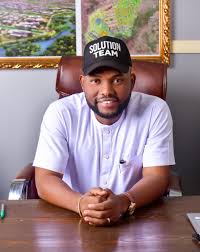
Ozo Ossy Onuko the MD Awka Capital Territory Development Authority ACTDA, wrote from China.
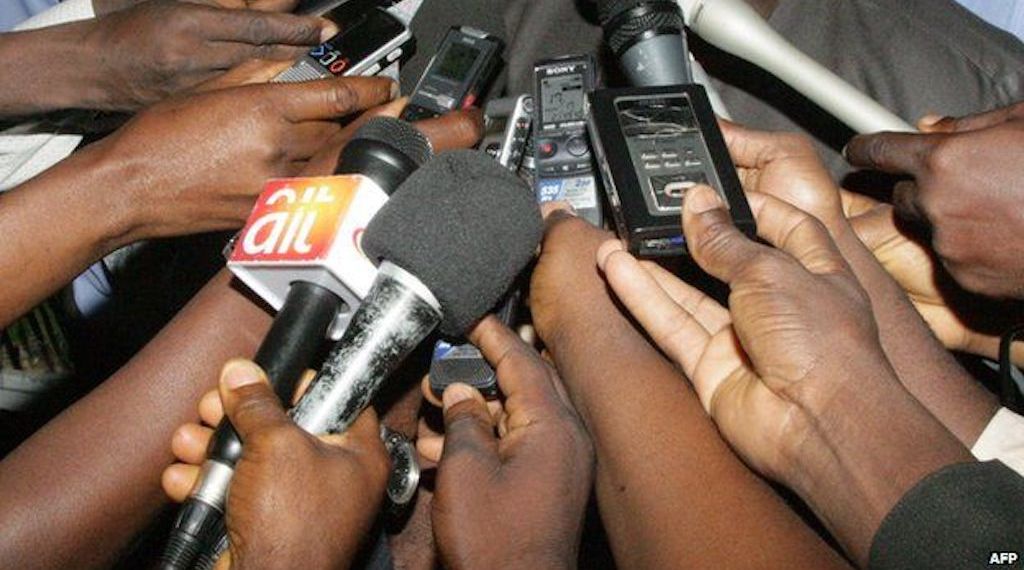
By Shu’aibu Usman Leman,
As we commemorate the 70th anniversary of the Nigeria Union of Journalists – NUJ from 15th March 1955 to 15th March 2025, it is imperative that we pause to acknowledge and honour our fallen colleagues, tragic victims of impunity. Every act of violence against journalists – be it intimidation, harassment, or murder – constitutes a fundamental assault on the very principles of democracy and freedom of expression that we hold dear.
As the esteemed journalist and advocate for press freedom, Anna Politkovskaya, astutely observed, “Without journalism, there are no freedoms.” The courageous pursuit of truth by journalists, alongside their unwavering commitment to exposing corruption and injustice, must not be forgotten or overlooked.
The deafening silence surrounding these appalling acts emboldens those who seek to suppress dissent and obscure the truth. Therefore, we stand resolutely in solidarity with the families of those who have lost their lives in the line of duty, and we must collectively demand justice. Our commendation also extends to the fortitude of survivors, who bear the scars of impunity yet continue their vital work.
It is crucial that we advocate for enhanced protections, accountability, and a culture of safety for journalists. Unless we confront and dismantle this culture of impunity, the future of journalism in Nigeria hangs precariously in the balance. We must remember the sacrifices made and reaffirm our unwavering commitment to upholding their legacy in the fight for truth and justice.
According to the report “State of Media Freedom in Nigeria” by the Media Foundation for West Africa and the Nigeria Union of Journalists, for the period from 2016 to 2020, Nigeria recorded some of the highest levels of violence targeting journalists. These statistics serve as an indictment of the deficient record on democracy and the rule of law in Nigeria, where a lack of transparency, corruption, and the politics of exclusion frequently culminate in frustrations and violent rivalries, creating perilous environments in which journalists become easy targets for powerful forces intent on suppressing dissent.
Acts of impunity against journalists in Nigeria manifest in diverse forms, from murder to harassment and intimidation. The following outlines some of the most concerning instances of acts of impunity perpetrated against members of the press in Nigeria:
*Minere Amakiri: A reporter then for the Nigerian Observer, the former Bendel State newspaper, had his head forcibly shaved with broken glass in Port Harcourt. This was done on the orders of Alfred Diette-Spiff, the Military Governor of Rivers State. His ‘offence’ was reporting on the 30th of July, the Governor’s 31st birthday regarding the grievances of local teachers( 1973).
* Chris Okolie : Chris Okolie, the founder of the defunct New Breed magazine, frequently encountered opposition from the country’s military leaders. In 1977, following the publication of an article deemed unacceptable by the authorities, he was detained. Thousands of copies of the magazine were confiscated, and a publication ban was imposed in June 1978. After a nine-year hiatus, publication resumed.
* Jonathan Ishaku: He was Editor of The Nigerian Standard in Jos, and later it’s General Manager. He was dismissed, at the instance of the Federal Military Government seven days to his wedding for the newspaper’s unrelenting criticisms of the Military President- General Ibrahim Babangida’s Administration (1985).
* Dele Giwa : Dele Giwa, a prominent Nigerian journalist and founding editor of Newswatch magazine, was renowned for his incisive investigative reporting, which exposed corruption and human rights abuses during General Ibrahim Babangida’s military regime. He was killed by a parcel bomb detonated at his Lagos home. It is widely believed that Giwa’s murder was orchestrated by the military government. Nearly four decades later, no one has been charged or convicted for this heinous act. The shocking nature of his death resonated throughout Nigeria’s media and human rights communities, marking a pivotal moment in the ongoing struggle for press freedom and democracy in the country. His legacy continues to inspire journalists and activists both in Nigeria and internationally(1986).
* The Liberian Tragedy : In a stark reminder of the perilous conditions faced by journalists, four Nigerian reporters were tragically killed in Liberia in 1990 while covering the civil conflict. They were Tayo Awotunsin and Krees Imodibe of The Guardian, Sunny Taylor ( of the then Channels), and George Onyemobi (affiliation unspecified). These journalists were victims of violence inflicted by Charles Taylor’s National Patriotic Front of Liberia (NPFL) forces. Their untimely deaths underscore the grave risks that reporters encounter, particularly in conflict zones, and highlight the urgent need for enhanced safety measures and protections for those who courageously report on the realities of war(1990).
* The News Magazine Founders: The News magazine, established in January 1993, played a critical role in Nigeria’s struggle for democracy during the military regimes of Generals Ibrahim Babangida and Sani Abacha. The publication was spearheaded by Bayo Onanuga (Editor-in-Chief), Dapo Olorunyomi, Babafemi Ojudu, Kunle Ajibade, and Seye Kehinde. These journalists risked their safety and livelihoods to reveal the abuses and injustices of the military government. Their committed reporting and resolute editorial stance incited the ire of the authorities, leading to harassment, intimidation, and detention. Despite the considerable obstacles they faced, The News magazine remained steadfast in its commitment to truth and democracy, continuing to publish impactful stories at significant personal risk. Their bravery not only motivated others to join the fight against military rule but also contributed to the eventual transition to democracy in Nigeria(1993).
* Tell Magazine Editors : Further illustrating the suppression of press freedom during Nigeria’s military regime, the police raided the offices of Tell magazine and arrested Editor-in-Chief Nosa Igiebor and Editors Kola Ilori, Onome Osifo-Whiskey, and Ayo Akinkuotu, holding them for 12 days .Tell magazine was recognised for its investigative reporting, which consistently exposed the military government’s abuses and excesses. The detention of its senior editors represented a blatant effort to intimidate and silence the publication, aiming to stifle press freedom in Nigeria(1993).
* The Nigerian Standard 7 : Emma Gogwim Kayi (twice editor), Gideon Mitu, Cyril Ogah, Harris Dawurang, Wilson Yale, Usman Abu, and Danjuma Abah resigned in protest after writing a front-page commentary entitled “This Is Our Stand” against the annulment of the 12th of June 1993 election. The commentary called upon the government to safeguard the democratic process from forces seeking to destabilise the nation. The seven were later reinstated after a year(1993).
* Bunmi Aborisade : Bunmi Aborisade is a well-known Nigerian journalist, author, and activist who played a key role in the struggle surrounding the annulled 12 June 1993 presidential election. As editor of June 12 Magazine, he championed the validation of the election results. His courageous journalism led to his arrest and detention during this period. Following his release, he fled Nigeria and sought refuge in Ghana. However, the Rawlings regime expelled him, forcing him to relocate to the United States. While in exile, Aborisade continued to advocate for democracy and human rights in Nigeria, leading Nigerian Journalists in Exile and the US-based Nigeria Democratic Liberty Forum. Tragically, his mother, Emily Omope Aborisade, was attacked with acid in Ado-Ekiti in 2002 and died from her injuries in 2003. Aborisade has received numerous awards for his journalism, including the 2000 awards for Profile Writing and International News Reporting from the New York Association of Black Journalists. He has also authored several books, including “The Citizen Reporters” and “Everybody Say Ye’ Ye”: An organic novel on Fela’s Communication with humour(1993).
* Founding Editors of Newswatch Magazine: Ray Ekpu, Dan Agbese, and Yakubu Mohammed were arrested in connection with an article based on an interview with a retired senior military officer. The article described General Abacha’s coup as a “putsch against democracy”. They were charged with “sedition and criminal intent to cause fear and alarm to the public and disturb the public peace”. General Abacha later ordered that the charges be dropped, advising journalists to exercise “discretion and self-restraint” in future(1994).
* Bagauda Kaltho : Bagauda Kaltho was imprisoned and tortured under the Abacha regime. He is believed to have been killed in detention for publishing critical reports about the government. His experience exemplifies the courage of Nigerian journalists who faced considerable dangers in their pursuit of truth during a repressive regime. Kaltho’s story serves as a stark reminder of the necessity of safeguarding press freedom and advocating for human rights, both in Nigeria and beyond( 1995).
* The Treason Decree : Kunle Ajibade- The News, Chris Anyanwu- Classique Magazine, George M’bah- TSM, and Ben Charles-Obi- TSM. The Treason and Treasonable Offences Decree No. 29 of 1993, enacted during Nigeria’s military era, broadened the definition of treason, targeting any actions or views deemed disruptive to the nation’s fabric. This decree was used to convict the four Nigerian journalists for reporting on an alleged coup plot. They were accused of being “accessories after the fact to treason” and sentenced to 15 years’ imprisonment, although they were subsequently released by General Abdulsalam Abubakar following the death of General Sani Abacha. The decree, part of a broader strategy by the military government to silence dissent and stifle opposition, faced widespread condemnation from human rights organisations and press freedom advocates, who viewed it as a blatant attempt to muzzle the media and suppress criticism of the government. The case of these four journalists highlights the inherent risks media professionals faced in Nigeria during this oppressive era and underscores the vital need for press freedom and the rule of law to protect citizens’ rights(1995).
* Osa Director: Osa Director, the Kano Correspondent for Dateline, a sister publication of Tell magazine, was arrested after publishing a story entitled “Buhari, Abacha at war over oil money”. Director was held in solitary confinement in Kano. He was charged in Kano after 34 days in detention, appearing before the magistrate in leg irons and handcuffs. He was charged with inciting discontent by publishing “false reports” contrary to sections 416 and 418 of Nigeria’s Penal Code. He was denied bail until October 1995. When bail was granted, he was ordered to report to the State Investigation and Intelligence Bureau’s office monthly and prohibited from publishing any material that could embarrass the government(1995).
* Godwin Agbroko: Godwin Agbroko, Chairman of ThisDay newspaper’s editorial board, and former editor for Newswatch and ThisWeek magazines, was arrested and briefly detained twice in 1995 for his editorial work. In December 1996, he was apprehended by State Security Service members and detained for five months. He was released shortly after receiving the PEN/Barbara Goldsmith Freedom to Write Award in 1997. He was fatally shot in his car in Lagos by unknown assailants (2006).
* Ladi Olorunyomi: Ladi Olorunyomi, a staff member of The News and the wife of Dapo Olorunyomi, was arrested at her home by armed military intelligence agents. She was questioned about the whereabouts of her exiled husband and her boss, Bayo Onanuga(1997).
* Tunde Oladepo: Tunde Oladepo, the Ogun State bureau chief for The Guardian, was assassinated in his home by masked gunmen. The targeted nature of the attack, carried out in front of his family, strongly suggests that his murder was related to his extensive coverage of political affairs in Ogun State(1998).
* Fidelis Ikwuebe: Fidelis Ikwuebe, a freelance journalist contributing to The Guardian, was abducted and murdered while reporting on the clashes between the Aguleri and Umuleri communities in Anambra State(1999).
* Ben Adaji: He was the Taraba Correspondent of The News/TEMPO magazine, who was apprehended following a manhunt for a story detailing a factional conflict in Taraba State. He was also arrested again and detained for his critical reporting (1997& 2003).
*Cyril Mbah: Security Service (SSS) agents escorted Cyril Mbah, a correspondent for “The Monitor” newspaper based at Aso Rock, Nigeria’s seat of government, from the presidential villa. No explanation was provided by the SSS for this action. However, it is believed to be linked to Mbah’s column of 14 September, entitled “OBJ Compels Ministers to Pray”, which was perceived to be critical of the president (2003).
* Tunde Akinleye: The case of Tunde Akinleye provides a stark illustration of the dangers faced by journalists in Nigeria. Akinleye, a photojournalist with the Daily Independent, was brutally assaulted by 12 mobile police officers from Vice-President Atiku Abubakar’s security detail in Abuja. The attack rendered Akinleye unconscious, highlighting the risks journalists encounter when reporting on sensitive issues or powerful individuals (2003).
* Funmi Komolafe and Rotimi Ajayi: Funmi Komolafe, a labour editor, and Rotimi Ajayi, a reporter, both from The Vanguard newspaper, were assaulted by police officers during a protest rally in Abuja (2003).
*Ogun Six : Six journalists tragically lost their lives along the Abuja-Lokoja Highway while returning from official duties with the former Governor of Ogun State, Gbenga Daniel. They were: Doyin Sokoya, Wole Adebari, Deji Onajobi, Sola Bakare, Semiu Oyetunji and Adesina Durosomo (2003).
*The Plateau Eight: Eight journalists perished in a catastrophic accident while travelling in a convoy with the then Governor of Plateau State, Chief Joshua Dariye, namely: Musa Nuhu (News Agency of Nigeria, NAN), Isaac Agbo (The Nation), Judith Adama (New Nigerian), Chiwo Avre (Leadership), Emmanuel Adinoyi (African Independent Television), Reuben Emeje (Federal Information), Sudan Lar (Nigeria Television Authority), and Moses Ezulike (The Daily Champion). The accident was attributed to the poor condition of the bus tyres, which was owned by the Plateau State Government. Those who survived with various degrees of injury are Audu Ojogbane- Daily Independent, Agada Okopi – AIT, Seriki Adinoyi – ThisDay, Asile Abel – Reality Newspaper, Andrew Agbese – Daily Trust , Aminu Manu – Voice of Nigeria , Monday Goteng – NAN and Solomon Gujor of the State Information. This tragic incident highlights the risks and sacrifices made by journalists in Nigeria (2007).
*Adamu Abubakar Gwarzo: A journalist with Radio France Internationale (RFI), he was detained by the Economic and Financial Crimes Commission (EFCC) and charged to Court for Sedition against the State. He was discharged and acquitted by FCT High Court 5 for lack of Jurisdiction. Gwarzo’s arrest and subsequent detention stemmed from a report he authored, which was critical of the EFCC and its then-chair, Farida Waziri.Gwarzo’s predicament was however widely perceived as an attempt to suppress journalistic criticism(2009).
* Akin Orimolade (National Life ): Abducted and detained for eight days on the orders of the Bayelsa State Governor over a news article, which the Governor felt uncomfortable with (2009.)
*Gbenga Aruleba (African Independent Television) and Rotimi Durojaiye (Independent newspaper). The two journalists, were held by the State Security Service and faced up to two years’ imprisonment if convicted. They were detained over a report concerning a presidential aircraft (2009).
*Bayo Ohu: He was an assistant news editor with The Guardian, who was brutally murdered at his Lagos home. He was shot by assailants who gained entry by knocking on his door. While a laptop and cell phone were taken, the prevailing belief among his colleagues and family was that he was targeted for his investigative reporting, particularly his work on alleged fraud within the Nigerian Customs Service. This sensitive investigation likely placed him in the crosshairs of powerful individuals. The subsequent police investigation and trial were heavily criticised for their perceived shortcomings. In May 2012, three suspects were acquitted due to insufficient evidence, leaving Ohu’s murder unsolved and further eroding public trust in the justice system. The case highlighted the dangers faced by journalists investigating corruption and the persistent issue of impunity(2009).
*Lagos Journalists Abducted : Four journalists from the Lagos State Council of the Nigeria Union of Journalists (NUJ) were abducted by armed men in Abia State. They were: Wahab Oba, Chairman , Adolphus Okonkwo, Zonal Secretary, Sylvester Okereke, Secretary , Sola Oyeyipo,Lagos-based journalist and Azeez Abdul Rauf, the driver. They were seized on their return journey from a union conference in Uyo, Akwa Ibom State. The conference had focused on matters pertaining to the state of the union, with particular emphasis on the safety and security of journalists. They were held captive for five days(2010).
*Nathan S. Dabak, deputy editor, and Sunday Gyang Bwede, a reporter for the Church of Christ in Nations(COCIN) monthly newspaper, The Light Bearer were brutally murdered in Jos, Plateau State. They were on assignment, attempting to interview a national Parliamentarian regarding the escalating violence between Muslim and Christian communities. While traveling by motorcycle, they were attacked and fatally stabbed by a militia group. Jos had become a battleground for sectarian conflict, and the journalists’ deaths underscored the extreme risks faced by those reporting from the region. The violence in Plateau state created a hostile environment for journalism, making it extremely dangerous to report the facts(2010).
* Lemmy Ugbegbe (The Guardian): Handcuffed and threatened
by a Magistrate, Zainab Bashir in Abuja , who had insulted and ordered journalists out of her court, after which she singled out Ughegbe for arrest for allegedly not moving out immediately. She consequently ordered her police orderly to handcuff Lemmy Ughegbe and ruled that he be committed to prison. It took the intervention of some lawyers to make her have a change of heart (2010).
* Muhammad Abdulkadir (NTA Abuja): Endured numerous near-fatal encounters as a defence correspondent embedded with troops in counter-terrorism operations in the North East (2010-2016).
* Lawal Ogienagbo, Dapo Olufade, Yusuf Alli, Yomi Odunuga (The Nation): These Journalists were arrested and detained over a cover story concerning a letter from former President Obasanjo to the then President, Goodluck Jonathan( 2011).
* Zakariya Isa, a reporter and cameraman for NTA Maiduguri was killed in Maiduguri, Borno State. Boko Haram claimed responsibility for his murder, alleging that he was “spying” for Nigerian security forces. Isa’s death occurred during the height of the Boko Haram insurgency, a period of extreme violence and instability in northeastern Nigeria. The group’s statement served as a chilling reminder of the dangers faced by journalists reporting on the conflict, where they were often caught between warring factions. His death added to the growing list of journalists killed by the terrorist organisation(2011).
* Desmond Utomwem (FreshNEWS/CABSOJA): He was assaulted by the police and Staff of GTB Abuja. He then sought redress in Court in Abuja and was awarded the largest legal settlement in a Nigerian journalist case (N100 million) for that incident, with the court ruling police violated his human rights. Again the Police CID in Area 10 Garki, Abuja, arrested and detained Desmond , at the instance of a then serving Customs officer, Inspector Umaru Faru. Desmond was working on a story which allegedly was critical of the said officer. He was released following the intervention of the then Police AIG Usman Shehu who received a complaint from the NUJ. The Union demanded for a thorough investigation by the customs of the alleged corruption by Umaru Faru, but to no effect( 2009&2017).
* Enenche Akogwu : Enenche Akogwu, a journalist with Channels Television, was tragically killed during a terrorist attack amidst a Boko Haram offensive in Kano. This account underscores the ongoing sacrifice of journalists committed to uncovering the truth, even when confronting formidable challenges(2012).
*Lagos/Ibadan Disaster: Three officials from the Nigeria Union of Journalists (NUJ) were killed in a tragic road traffic accident. The incident, which also resulted in ten injuries, took place on the Ilesha-Ibadan Expressway. A blow-out on the rear tyre of the bus transporting the journalists to Ibadan and Lagos caused the vehicle to veer off the road and overturn multiple times before coming to a halt in the bushes. This heartbreaking incident shocked the nation as the journalists were returning from a meeting at the Union’s National Secretariat in Abuja, where discussions had centred on journalists’ welfare. The deceased were: Adolphous Okonkwo of VON and the National Financial Secretary of the Union, Olatunde Ojenike of FRCN and Chairman of FRCN Ibadan Network Centre Chapel and Kafayat Odunsi of the NTA Channel 7 Lagos. Nine other journalists and the bus driver survived the crash, with various degrees of injuries. They included : Abdulkareem Fatimah, National Treasurer of the NUJ, Deji Elumoye, Chairman of Lagos State Council and staff of ThisDay newspaper, Gbenga Opadotun, Chairman of Oyo State Council and staff of the Nigerian Tribune, Silva Okereke, Secretary of Lagos State Council and staff of the Champion newspaper, Bimbo Oyetunde, Chairperson of FRCN Lagos Network Centre Chapel, Momoh Adamson of Voice of Nigeria Lagos, Banji Oluwalana of NTA, Victoria Island Lagos, Uzogbu Christopher of Voice of Nigeria Lagos and Bolaji Akeem of NTA, Channel 7 Lagos(2013).
*Ebere Wabara: An Associate Editor with The Sun newspaper, he was arrested by the police from Abia State who stormed his house in Lagos and abducted him to Umuahia, Abia State. He was held, then released on bail after the Inspector General of Police intervened. Wabara was ordered to report back to Abia police. He was arrested based on a petition against him, claimed the police. Colleagues believed he was arrested and detained at the instance of Abia State Governor who was not comfortable with Ebere’s writings (2014).
*Ubale Musa: He was the Correspondent of Deutche Welle Radio attached to the State House Abuja whose accreditation was withdrawn. Ubale was expelled from the State House for asking the visiting Chadian President,Idris Derby a question on the relationship between the Multinational Joint Task Force fighting Boko Haram and South African mercenaries fighting with the Force(2015).
*Yomi Olomofe: The Executive Director and Chairman of the Editorial Board of Badagry Times, was brutally beaten and left for dead by customs-assisted smugglers for daring to investigate a story. This grievous incident occurred within the premises of the Nigeria Customs at Seme Border Command(2015).
*Chizoba Ogbeche (Blueprint): Manhandled and detained for her report at the Police Force Headquarters and Garki Police Station Abuja (2016).
* Friday Ogungemi (Policy and Law Magazine): Arrested and detained by the State Security Service at the instance of the Kogi State Governor over an editorial(2016).
*Charles Otu: The Publisher of Peoples CONSCIENCE Newspaper in Abakaliki, was violently attacked by thugs allegedly sponsored by certain agents of the Ebonyi State Government. He was later rescued from Kpirikpiri Police Station in Abakaliki by sympathisers, where he had been abandoned by his attackers and falsely accused of mischief. Otu had thereafter received multiple threats from thugs and government agents( 2017).
*Luka Binniyat: He faced arrest and detention in Kaduna over a piece he wrote in the Vanguard Newspaper which did not go down well with the Kaduna State Government . He was subjected to stringent bail conditions by the court and remained incarcerated for 83 days until those conditions were relaxed by the Court (2017).
* Emmanuel Ogbeche ( Editor, Abuja Inquirer): He was physically attacked and arrested following the publication of a story deemed detrimental by a lawyer (2017).
* Ikechukwu Ibe (Daily Trust): He was attacked and had his camera seized by an army captain in Abuja for daring to take pictures (2017).
* Jacob Onjewu (New Nigerian): Assaulted by soldiers while covering a polo tournament in Kaduna, (2017).
* Lawal Mohammed (NTA Kaduna): Beaten and his camera damaged by political thugs at the NUJ Press Centre, Kaduna, during a Press Conference (2017).
* Emmanuel Antswen (NAN): Arrested and detained at the behest of the Benue State Commissioner of Water Resources over a report on Internally Displaced Persons- IDPs, in Makurdi (2017).
* Sunday Nwakanma (Daily Times), Chidi Asonye (Authority), Boniface Okoro (Oracle Today): Attacked by soldiers for covering military operations during Operation Python Dance in Umuahia, Abia State (2017 ).
* Moses John Akwashi (Blueprint): Detained by police (2007), assaulted by security operatives (2008), and detained again for taking photos of a police raid (2017).
* Midat Joseph (Leadership/kakaakireporters.com): Arrested at the instance of Kaduna State Government and detained over alleged comments on a WhatsApp group and taken to court but case dismissed due to lack of diligent prosecution (2017).
* Olalekan Adetayo (The Punch): Expelled from the State House Abuja for reporting on President Buhari’s health, (2017).
*Dapo Olorunyomi, Evelyn Okakwu (Premium Times): They were arrested by police the following a complaint from the Chief of Army Staff, Tukur Buratai. This action came after PREMIUM TIMES refused the army’s demand to retract articles concerning the Army and its operations (2017).
* Adebola Brookslyn Sunday (NTA): Attacked by a religious group while covering a protest in Abuja, (2018).
* Samuel Ogundipe (Premium Times): Harassed and arraigned by police in Abuja over a news article, (2019).
*Jones Abiri: The Editor and Publisher of the Weekly Source newspaper, was re-arrested by armed men while meeting with six colleagues at the Bayelsa Federated Newspaper Publishers Association, Yenogoa. Abiri had previously endured two years of detention without trial by the Department of State Services (DSS), facing allegations of connections to rebels in the Niger Delta and claims of threatening oil companies(2019).
*Obinna Don Norman: The Publisher of Realm News was arrested and detained in prison on the orders of a Magistrate. Don Norman was charged in Umuahia Under the 2015 Cybercrime act. He was alleged to have defamed and harassed Senator Theodore Orji (2019).
*Agba Jalingo, the publisher of CrossRiverWatch, was arrested over a report alleging the diversion of N500 million belonging to Cross River State by Governor Ben Ayade. The Cross River State government had taken over the prosecution of Jalingo’s case from the police. He was granted bail after spending an arduous 174 days in detention across both police custody and Calabar prison ( 2019).
*Precious Owolabi: He was a reporter with Channels Television, who was killed while covering a protest by members of the Islamic Movement of Nigeria (IMN). The peaceful demonstration demanding the release of their leader, Sheik Ibrahim El-Zakzaky, turned violent, prompting the police to open fire indiscriminately. Tragically, Owolabi succumbed to bullet wounds sustained during the protest. The identity of the individual who fired the fatal shots remains uncertain ( 2019).
*Pelumi Onifade: He was a 20 year old Trainee Journalist with Gboah TV, an online broadcast platform who was found dead in a morgue in Lagos, six days after being shot during a protest he was covering in Lagos. Those responsible for his death have never been identified( 2020 ).
*Alex Ogbu: A reporter with Regent African Times, he was struck and killed by a stray bullet fired by police during a clash between the Islamic Movement of Nigeria (IMN), and the police in Abuja( 2020).
* Jaafar Jaafar: The editor of the Daily Nigerian, Jaafar Jaafar, fled Nigeria after publishing a video allegedly showing Kano State Governor Abdullahi Ganduje accepting bribes. He relocated to the United Kingdom due to reported threats to his life (2021).
* Adekola Bamgbala: Bamgbala, a street photographer, was detained for eight months following a fatal incident during a joint operation with the Lagos State Traffic Management Agency (LASTMA). Despite having no involvement, he was arrested after a traffic stop resulted in a driver’s death. The NUJ Lagos Council provided legal and financial support, securing his release (2022).
* Gabriel Idibia (Daybreak Newspapers): Idibia was arrested and charged with defamation, intimidation, and inciting religious contempt over a report on the Kaduna Hajj camp. He was later granted bail.
Additionally police officers in Kaduna, arrested Gabriel Idibia, while he was photographing officers herding cattle across a road(2023 & 2024).
* Godwin Tsa (The Sun): Tsa was arrested by Federal Capital Territory Administration security officers while reporting on a protest against shop demolitions in Abuja. He was detained, his phone was seized, and he was coerced into deleting protest footage. The Nigeria Union of Journalists (NUJ) FCT Council secured his release ( 2023 ).
* Tayo Ikujunni (News Agency of Nigeria): An Assistant Editor-in-Chief, Ikujunni was physically assaulted by Ondo State Commissioner for Youths and Sports Development, Saka Yusuf Ogunleye, while covering the APC governorship primary. At Eji-Oba High School, Yusuf Ogunleye punched Ikujunni, seized and discarded his mobile phone, and ordered thugs to confiscate his tablet after Ikujunni enquired about electoral materials. Yusuf Ogunleye verbally abused Ikujunni, before security personnel intervened(2024).
*Jide Oyekunle: A Photojournalist with the Daily Independent newspaper, and Kayode Jaiyeola, a Photojournalist with Punch newspaper, were arrested in Abuja by Police as they covered protests (2024).
The Enduring Legacy of Valiant Journalists:
These accounts, while not comprehensive, underscore the profound sacrifices made in the tireless pursuit of truth and justice. As we commemorate those journalists tragically lost in the course of their duties, and those who have endured various forms of impunity, we must reaffirm our unwavering commitment to safeguarding press freedom.
It is imperative that we pursue accountability for those who perpetrate violence against journalists. Only through dedicated and persistent endeavours can we truly honour the legacy of our fallen colleagues, ensuring their sacrifices serve a meaningful purpose. The Nigeria Union of Journalists must resolutely uphold its mission to defend journalists and champion the fundamental principles of a free and independent press.
Let us unite, inspired by their fortitude, as we strive towards a future where equity prevails and truth is vigorously protected. As we mark this pivotal milestone in the NUJ’s history, let it serve as a rallying call for all stakeholders in Nigeria—journalists, media organisations, civil society, and the government—to pledge to safeguard journalists’ rights, ensure their safety, and foster an environment conducive to free expression and responsible reporting. Through concerted action, we can pave the way for a more just and equitable Nigeria, where the pursuit of truth is recognised as a fundamental right for all citizens. This is a salute to men and women of courage.
Shu’aibu Usman Leman,
National Secretary,
Nigeria Union of Journalists,
November 2002 – April 2024
Yahoo Mail: Search, Organize, Conquer
By Ejeh Josh
When in April 2024, a syndicate – faculty and participants in the Executive Intelligence Management Course 17 of the National Institute of Security and Strategic Studies (NISS) drawn from 26 agencies of 5 African countries; Nigeria, Ghana, Gambia, Chad and Rwanda – visited the Southeast zone to understudy the state of security affairs and draw strategic comparisons with their experiences (past and present), the West Africa security chiefs left some indelible impressions consequent upon the observation in Enugu.
Led by the directing NISS staff and syndicate supervisor, Bolarinwa Adekunle, the security team gave a graphic disconcerting observation of the situation of security affairs in 2022 and what it was in April 2024 – less than a year after Governor Peter Mbah assumed office as the state’s security chief. Blending a panoramic imagery of a radical shift from the dreadful state of the past where renegade non-state actors held sway, unleashed reign of terror and laid siege on the nooks and crannies of the east to a state of freedom, Adekunle had this to say;
“I came to Enugu in 2022 as a participant of this prestigious course. We arrived in Enugu on a Sunday, and on Monday, we were made to stay in our hotel. We could not go anywhere. But, today, the situation is not the same.” Simple as the terse statement might appear, the coming of Mbah into office as governor was a defining moment not just among residents of Enugu State but the span of the Southeast enclave.
The ante Mbah administration witnessed a state under suffocation and under the jugular of criminals who dictated the way of life of the people. It was an excruciating experience that the memory continues to haunt survivors. Life was shut down. Government appeared to have lost the grip of authority to the rampaging marauders. Schools were under lockdown. The once burgeoning economy – market, industry, tourism – got smothered. People lived in perpetual fear. It’s a nightmare that even the relics of the Biafra war would not compare. And then came in quick succession the deafening silence of the inglorious sit-at-home where citizens and residents were forced to shudder and crouch under their bed for safety.
The situation seemingly appeared irredeemable dotted with daily gunshots. Hundreds of innocent civilians and operatives were abruptly cut short. Authorities were undermined and even cringed in cowardice for safety across the East. Regardless, sit-at-home orders were issued at the draconian whims and caprices of criminals; some of whom issued these orders from faraway foreign lands. Paralysed with fears, residents could only blow muted trumpets while maintaining unquestionable obedience to the dictates of the miscreants. Across the cities, towns and streets were the trail of the felons – silent streets deserted like ghost towns where war had consumed every breathing flesh. In his 1920’s The Second Coming, the Irish poet, W.B Yeats, painted the gory atmosphere that bedeviled the East. “Things fall apart; the centre cannot hold; mere anarchy is loosed upon the world.”
It was in this state of confusion and anarchy that Mbah came in as governor. Dismayed by the reigns of terror, he proclaimed as unacceptable the continuous mortgage of lives of the citizens. He was resolute and committed to flourishing out the hydra-headed monster and put an end to their rampage. But like people long subjugated and mentally coerced by their tormentors, the decision to wrestle and “escort” the monsters out of the state and by extension, the Southeast zone, was resisted. They had accepted their fate of continuous whimpering. Mbah’s decision was very unpopular and the road he had decided to tread was the road less traveled.
In 1915, Robert Lee Frost, an American poet, published his well celebrated poem, The Road Not Taken, where he narrated how sojourners defined their journey of life. Competing and often conflicting choices are presented amidst uncertainty. The average human being is known to take the easy and popular path that resonates with peers and countrymen often borne out of rave of the moment. In Mbah’s governing philosophy, he is known as an unapologetic – unrepentant, rightly added, nonconformist who defied conventions in his uncanny path to dismantling traditions of inefficiency through his disruptive innovation mantra. In May 2023, Mbah mounted the rostrum as a new governor offering inaugural speech, and one take away on the lips of every listener and watcher was the “business unusual” phrase.
When he commenced the radical architectural departure which began to disrupt the webs of underdevelopment, the conservative society was befuddled, questioning and grappling to unravel the riddles the administration was demonstrating. Months later, the recondite administrative reforms began to set the pace for an unprecedented optimism. With the security restructuring, enabled by the deployment of technology to preempt, thwart and eliminate crime the state escorted criminal renegades out of the state. Sit-at-home became a memory consigned to the past. Life burgeons again! Economy, education, investment, infrastructure, and most importantly, emancipation from psychological slavery all became a dream fulfilled. That was the road less traveled taken by Mbah. A sacrifice only few would make in the country.
On Sunday, 16 March, I was at the Holy Trinity Catholic Church, Independence Layout, Enugu, for the Holy Mass. During the homily, the priest announced the communique issued by the Catholic Bishops’ Conference of Nigeria at its 1st Plenary held between 8 and 14 March in Abuja. The communique made some consequential observations on the state of the nation and called on the governments at all levels to prioritise security and safety of the citizens. Of interest was the tacit commendation of Enugu State over its security re-engineering which led to the deployment of high technology to fight crimes and guarantee life of the people. When the governor embarked on this journey, which today had attracted several states to Enugu to understudy the security infrastructure, it was, for many, a tall dream. Importing the American modern security system which is tech-driven and AI-enabled in gathering intelligence was probably the height of the road less traveled and which would never been taken by many leaders. Mbah did. That was daring audacity of courage.
Born March 17, 1972, Mbah, has continued to receive encomiums from Nigerians, especially among his people, as he marks 53rd birthday anniversary. His life-transforming projects are now left to speak for themselves.
Different sections of the society are pouring in their tributes, describing the young governor as a man of many qualities, shattering the barriers of leadership and doing the seemingly impossible through his mantra of disruptive innovation which he introduced into governance.
“He has done it before. He did it in the private sector, where he disrupted the supply chain of the downstream sub-sector of the oil and gas industry. It was an unimaginable feat, and when he embarked on the journey, many of us who were already established players in that sector thought such uncanny idea would end up into a cesspit of nightmare and tale of failure.
“He, however, pulled the plug. From 14 days to 24 hours. He displaced the inefficiencies, consigned the waste and singlehandedly saved the nation of costs – environment, human health, that ephialtes called demurrage, and made the process more efficient for Nigerians. That almost eliminated the tortuous riddle of fuel scarcity.
“So, when he promised disruptive innovations in the public space during his campaign, I knew he had a lot to offer, but not to the extent of what we are seeing today. There is almost a 360-degree turnaround in what used to be the notion behind public leadership – and the governor has laid that foundation, the state has rapidly taken off on its development trajectory, and you start wondering if this was the Enugu we used to know few years ago,” Engr. Rafiu Briggs, a major dealer in the oil and gas industry had reeled out the testimony about Mbah.
Mr Briggs’ immersive impression of the governor was only one out of many. Only recently, a former senator from Enugu North senatorial district, Chuka Utazi, had narrated how he lost his way in the state as a result of the sudden shift in the development process which realigned the state’s landscape. The state of infrastructure was swamped with decay arising from years of leadership droughts and mismanagement. There was a great hue and cry among the residents of the state calling for intervention on the decaying state of infrastructure and total relapse of the economy.
In less than two years, the magic was done. This rather was a magical moment, used figuratively to describe the science behind the disruption witnessed in the governance model that shattered that leadership ceiling in the state. Across the 260 electoral wards of the state, landmark projects worth billions of naira are on top gear. The state transitioned from its static stature of a stunted adult to one setting a giant pace in the country. Enugu became the beautiful bride where analysts and Nigerians point to as a rallying point for good governance.
That is a quick reminder of Ruchir Sharma’s “The Rise and Fall of Nations” which highlighted key indicators he called rules of thumbs to understanding a nation’s economic trajectory and the intentionality of triggering a shift from the cobwebs of established traditions to something novel and innovative. While the journey to disrupting the “incremental development process” became increasingly unpopular among the political leeches rationalised by their conservative prejudices was ongoing, Mbah’s will to recalibrate the state from a state belonging to a cartel of parasites to people-oriented society gives Enugu the shape it has taken in recent months.
From restoration of security confidence to re-tooling the economy, infrastructure, human capital development, youths’ upskilling and education, Enugu shot itself into the moon, becoming a new beacon of hope; a city on the hill. Today, Enugu has maintained that reference point for good governance as people travel from other states to behold its magnificent sites and sweeping vistas made possible by the emerging governance model. Only a leader who is not just competent and disciplined but uncannily financially prudent can muster the courage to pick a state wobbling from years of abuse and neglect and remodel it within months to the envy of its contemporaries.
In describing the governor’s selfless service, the President-General of Enugu State Development Association, Igwe Abel Nwobodo, an elder statesman, referred to the inspiring transformation the state is experiencing under the current dispensation. Moving Enugu from a public service status to private-driven economy appeared insane an idea to conceive looking at the incompatibility it posed. But Mbah had not only shown its possibility, Enugu state is priding itself as an investment hub with opportunities for local and international investors.
While those from the private and public sectors have something warm and positive to say about the governor from the prisms of his commitment and dedication to service, public servants – teachers, civil servants, retirees, local governments’ workers are not left out. They have found their voices through the governance structure set up by the Mbah administration to help them fulfill their dreams and live meaningful life. That’s the society where inclusion, equity, equality and justice reign.
Promotions of workers as at when due, salaries and emoluments, pensions and gratuities, including other incentives are now taken for granted under Mbah’s leadership. While not stopping there, the governor marshalled what is now known as, “Rural Dwellers’ Allowance” for teachers as a way of encouraging quality education among people in rural communities.
With the Smart Green Schools, the primary healthcare system and other social services going on across all the electoral wards in the state – the first in the history of Nigeria – the coast to birthing a new smart state positioned as one of the future largest economies in Africa is a matter of time.
*Happy 53rd Birthday to the Sheriff of Good Governance.*

-
 News19 hours ago
“Go and Verify”: How Sunday Umeha Is Redefining Representation in Ezeagu/Udi
-
 Politics4 days ago
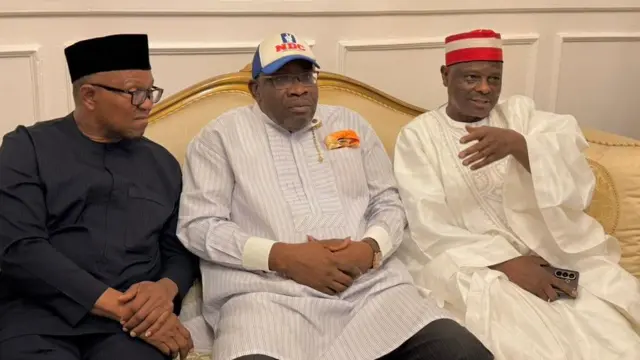
Mass exodus: Obi, Kwankwaso exit rocks ADC, 18 lawmakers join NDC
-
News1 day ago
Chief Sir Paul Chukwuma Lays His Beloved Sister to Rest
-
 News5 days ago
Awka Monarchy Tussle: Ndigwe Denounces Claim as Eze Uzu III, Dismisses Social Media Reports
-
 Politics2 days ago
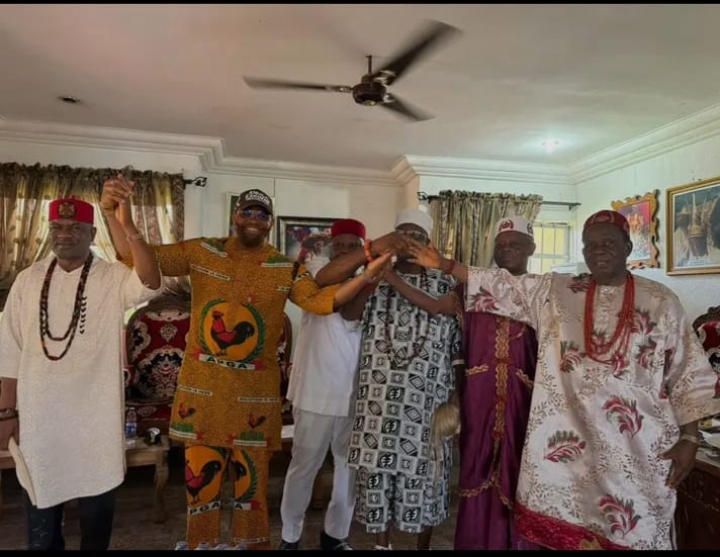
Anambra Communities Boil As Group Carpets Traditional Rulers Over Zoning
-
 News5 days ago
Enugu Govt Disowns Group Accused of Defrauding Traditional Medicine Practitioners
-
 News3 days ago
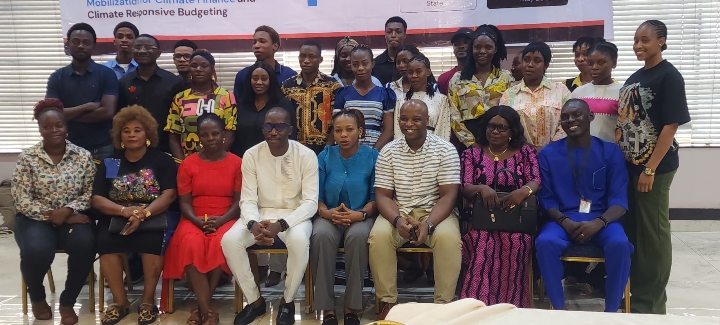
Enugu, SSDO advance domestic resource mobilisation for climate responsive budgeting
-
 Crime3 days ago
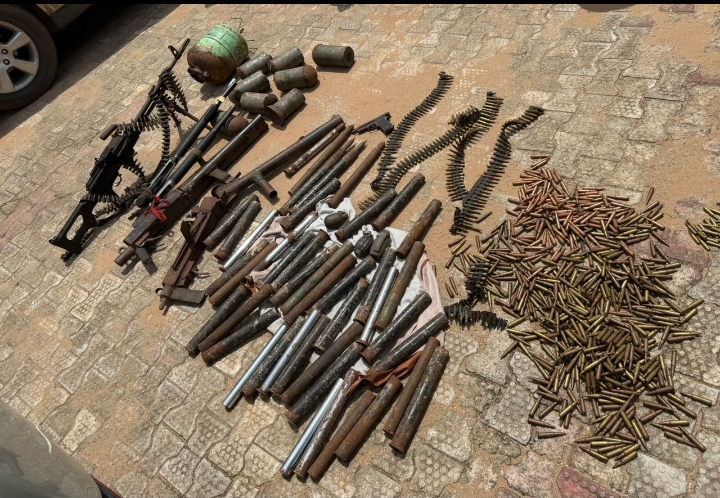
Anambra Police Burst Gunmen Armoury in Orumba