
News analysis
Pre paid meter for sale in Enugu as EEDC collects N20,000 from customers


Bail is free. That’s what the law says. But wait until you get behind the counter in any police station.
It is a similar situation in Enugu today where the demand for pre paid meter has continued to rise due to outrageous bills by EEDC for those not yet lucky to get the pre paid meter.
The recent case involving a Micro Finance Bank is a tip-of-the-iceberg. If an institution like a bank could be so treated, what happens to millions of customers who have no voice?
The bank had earlier made a complaint to the NERC Forum file a Complaint NO: NERC/05/CA/FO/EN/21/1259.
“Wherein it complained of refusal by Enugu Electricity Distribution Company (EEDC), to install Prepaid meter for the bank despite the application for installation of meter made to the company since 2019, and arbitrary, excessive electricity bills calculated based on estimated billing.
“…after the complaint was filed the company in annoyance brought a punitive bill of N368,790 :71K, contrary to the bill of N67,535 :42K, earlier brought by the marketer for the same month of April 2021.”
EEDC reportedly invaded the bank, in a ‘barbaric’ fashion disrupting transactions, to carry out the unlawful disconnection.
The Bank in a petition expressed surprise that the Electricity Distribution Company could flagrantly disobey the verdict of the Enugu forum of the Nigeria Electricity Regulatory Commission NERC.
This is a little picture of what power consumers are passing through in the hands of EEDC.
They have refused to provide the meter preferring the primitive estimation billing system with which they ‘criminally’ rip off the poor.
EverydayNews went to town and can reliably report that in their desperation to get pre paid meter Enugu residents now pay N20, 000. This is called registration fee.
The amount is however, negotiable for buildings where a landlord requires more than one meter.
Without this registration fee, your application for a meter is as good as not written. This is what Ohha Community Bank is suffering.
Who says meter is free?
Some of the victims who spoke to us said they had to pay to save themselves from.the agony of outrageous bills.
“They will only tell you to make some payment so that you won’t be disconnected. Yet the bills keek increasing by the day. .my brother we were advised to pay the N20k and in less than three weeks the meter was installed.”
While concerned Nigerians await the outcome of the current faceoff between the EEDC and Ohha Community Bank Enugu, the authorities must save power consumers under the EEDC from this wickedness.
The bank is demanding N50M as damages and are threatening to go to court.
Also calling the bluff of NERC, the regulatory body speaks volumes and raises so many questions.
EEDC’s impunity is getting out of hand and something MUST be done before we have another ‘EndSARS’ in our hands.
Except the noise that pre paid meter is free is another Government magic to deceive the people.
The issue of metering and outrageous bills are just part of the many atrocious complaints against an ill equipped EEDC.
Something must be done and fast.

News analysis
Threat to Life: How Enugu North LGA Chair’s Actions Triggered a Crisis—and Why Gov. Mbah Must Intervene


The allegations by a developer, Mr. Michael Aniagboso Aka, that his life is under threat following a dispute with the Enugu North Local Government Council raise serious governance, legal and investor-confidence concerns. While the claims remain allegations pending investigation, the issues highlighted in the dispute point to several areas where the local government leadership, particularly the Council Chairman, Dr. Ibenaku Onoh, appears to have made critical mistakes that now threaten public trust and investment climate in Enugu State.
Failure to Respect an Existing BOT Agreement
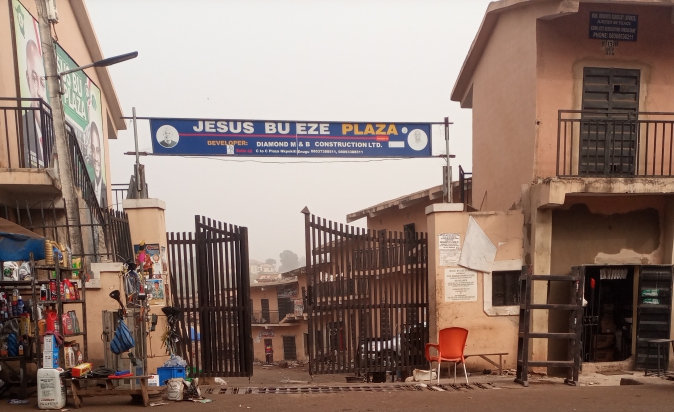
At the heart of the crisis is a Build, Operate and Transfer (BOT) contract reportedly signed in 2020 between Diamond M & B Construction and the Enugu North Local Government Council. Under this agreement, the developer was to manage the “Jesus Bu Eze Plaza” for 25 years before transfer to the council.
If, as alleged, the council unilaterally took over revenue collection less than a year after commissioning the project, such action amounts to a breach of contract. A BOT arrangement is legally binding, and any dissatisfaction by a new administration should be addressed through renegotiation, arbitration or the courts—not unilateral takeover. This alleged action creates the impression of policy inconsistency and contractual instability.
Ignoring Legislative Intervention and Advice
Aniagboso claims that the Speaker of the Enugu State House of Assembly intervened and advised the chairman to adhere strictly to the agreed 70:30 revenue-sharing formula and the original Memorandum of Understanding (MOU). The refusal to heed this intervention suggests a disregard for institutional conflict-resolution mechanisms.
In a democratic system, local government authorities are expected to respect the advisory and oversight roles of the legislature, especially in disputes that could escalate into security and reputational crises.
Lack of Transparency in Revenue Management
One of the most troubling allegations is that revenues were allegedly directed into personal or unofficial accounts rather than a properly constituted joint account with mandated local government signatories.
If true, this represents a serious governance failure. Public revenue must be paid into transparent, traceable accounts in line with financial regulations. Any deviation not only exposes officials to legal risk but also fuels suspicion, mistrust and accusations of impropriety.
Poor Handling of Security and Subcontractor Dispute

The developer’s account of repeated harassment by a subcontractor, despite a court restraining order, raises questions about the council’s response to security threats within its jurisdiction. More concerning is the allegation that the local government chairman failed to act decisively after being notified of assaults on workers and threats to life.
A chairman’s primary responsibility includes ensuring safety of lives and property. Downplaying or ignoring such complaints—especially when court orders are allegedly being flouted—can be seen as abdication of duty.
Escalation Instead of Mediation
Rather than de-escalate tensions, the alleged decision to announce a takeover of the project and stop the developer from collecting revenue appears to have worsened the conflict. In investment-related disputes, government officials are expected to prioritize dialogue, mediation and legal clarity.
By allegedly opting for forceful takeover, the council risks being perceived as hostile to private investors—an image that directly contradicts Enugu State’s broader investment-friendly narrative.
Investor Confidence and State Image at Risk
Perhaps the most far-reaching implication of this dispute is its effect on investor confidence. BOT and Public-Private Partnership (PPP) projects rely heavily on trust that agreements will survive changes in political leadership.
Allegations of contract breach, intimidation and threats to life—whether eventually proven or not—send a chilling message to potential investors. This undermines the efforts of the state government to attract private capital for infrastructure and market development.
Conclusion
While all parties deserve the right of reply and allegations must be properly investigated, the issues raised by this dispute point to avoidable governance lapses. Respect for contracts, transparency in revenue management, adherence to legislative and legal processes, and proactive security intervention are non-negotiable responsibilities of public office.
The situation calls for urgent, impartial investigation by the Enugu State Government. Resolving the matter in line with the law—either by enforcing the BOT agreement or ensuring fair compensation—will not only address the developer’s claims of threat to life but also reaffirm Enugu State’s commitment to rule of law and investor protection.
Until then, the controversy remains a cautionary tale of how administrative missteps at the local government level can escalate into a full-blown crisis with human, legal and economic consequences.

By Austin Okolie
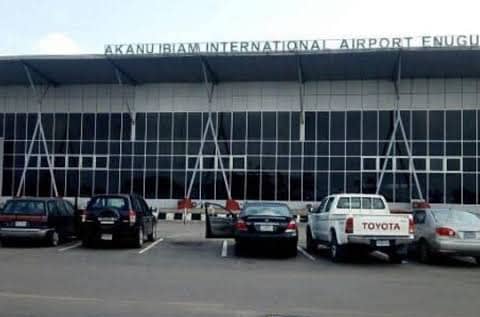
In recent weeks, discussions have swirled around the proposed concession of the Akanu Ibiam International Airport (AIIA), Enugu. These conversations reflect the emotional, cultural, and economic importance of the airport to the people of the South East region. For many, the Enugu Airport is beyond just a transit point, but an emotional symbol of regional identity, global access, and long-overdue inclusion in Nigeria’s international aviation landscape.
Put another way, given the peculiar history, especially the post war history of Ndigbo, the airport can be likened to the status that Rangers International Football Club of Enugu holds in the hearts of the people of South Easterners. This is given the fact that the region was the last to get an international airport among the all the six geopolitical zones, despite the fact that they are business people and travellers, but also given the protracted struggles of many years that eventually birthed the designation of the airport as an international aviation facility by the Musa Yar’Adua Administration. Since then, it has witnessed the affirmation of this international status, award of the initial contract for the facility upgrade by the Federal Executive Council meeting presided by former President Goodluck Jonathan on October 19, 2010, legislative intervention by the Enugu State Caucus of the 6th National Assembly to augment funds for the airport upgrade from constituency funds (budgetary envelop) meant for the state, major work on the runway by the Muhammadu Buhari Administration, and of course several obstacles, some of which bothered on wilful sabotage.
Therefore, given the significance of this infrastructure, it is only natural that questions have arisen around the current concessioning effort by the Federal Government: Is the airport being sold off? Are private interests taking over? What does this mean for the South East? Who is behind the project? Is the South East losing its only international airport? These are valid concerns – and they deserve clear, factual, and honest answers.
Unequivocally speaking, the airport is not being sold. What is being proposed is a Public-Private Partnership (PPP) concession, a well-established global model that allows for private investment in public infrastructure while preserving public ownership and regulatory oversight. In this case, the concession allows a credible private partner to invest in, operate, and maintain the airport over a fixed term, while government agencies—federal and state—retain full supervisory authority. This is not privatization. It is a strategic investment arrangement.
It is also natural for concerned persons to wonder, why the concessioning? The reality is that no single tier of government can single-handedly carry the financial and operational burden of sustaining, upgrading, and expanding critical infrastructure like an international airport. AIIA is a prime example.
Despite its designation as one of Nigeria’s five international airports, Akanu Ibiam International Airport (AIIA) remains only partially completed and is not yet fully operational to international standards. Key infrastructure components are either incomplete or require significant upgrades. Operational efficiency is constrained, and the runway, arguably the most critical safety and performance asset recently experienced a shutdown due to emergency repairs, further underscoring the urgent need for substantial capital investment.
Ndigbo, therefore, remain grateful to the President Bola Tinubu and the Hon. Minister of Aviation and Aerospace Development and the Federal Airports Authority of Nigeria (FAAN) for their responsiveness and continued collaboration in addressing these challenges. The ongoing efforts by the federal authorities to prioritize AIIA within national aviation development plans serve as a strong foundation for the proposed concession – one that will unlock the airport’s full potential for the Southeast and the nation at large.
The inclusion of the runway in the concession scope is actually the major factor behind the various longer term concession proposals being considered, but yet to be finalised. Agreed that globally, airport concessions typically range from 25 to 30 years, but this is for fully completed, operational airports. AIIA demands not only significant capital for full development, but also long-term runway maintenance and performance guarantees. Therefore, the proposed terms account for the scale of investment, the long asset recovery cycle, and the need to ensure consistent, high-quality service delivery over time. This is not an arbitrary number – it is based on global benchmarks and justified by the scale of the work required.
Again, one of the most transformational components of the AIIA concession is the development of a dedicated cargo terminal, which will be built from scratch. This greenfield development is expected to open a new frontier for the South East, unlocking vast economic potential in export logistics, agro-processing, pharmaceutical shipments, e-commerce, and light manufacturing.
This cargo terminal is a fresh, ground-up development that will bring the region into alignment with global air cargo standards. It will serve businesses across the five Southeast states and beyond – positioning AIIA as a hub for both passengers, and for regional trade and industrialization.
Understandably, many have equally asked: Who exactly is behind the project? Who is the concessionaire and technical partner? The concessionaire is backed by Arise Integrated Industrial Platforms (Arise IIP) – a Pan-African infrastructure developer with a strong track record across the continent in logistics, transport, and industrial ecosystems. Arise IIP is not a speculative or anonymous group. Their performance and potential have been evaluated by relevant regulatory bodies, including the Federal Ministry of Aviation, FAAN, and the Infrastructure Concession Regulatory Commission (ICRC), all of whom conducted due diligence visits to their flagship projects.
Their involvement brings with it technical credibility, financial capacity, and global best practices to ensure that the project is a deliverable, bankable, and accountable project.
The other question is: what is Enugu’s role in all of this? Is Enugu a Spectator or strategic driver? As the host state and the promoter, Enugu State is certainly not a bystander. The Enugu State Government has been deeply involved in shaping this project from the onset. Under the leadership of Governor Peter Ndubuisi Mbah, the State is not only safeguarding regional interests, but aligning the concession with its broader Multimodal Transport Vision.
This vision includes launching Enugu Air, a state-supported airline to boost regional connectivity; deploying a modern CNG bus fleet (200) to ease urban mobility, completed construction of multimodal transport terminals at Holy Ghost, Nsukka, Gariki and Abakpa, building logistics hubs, trailer parks, and vehicle assembly plants as well as initiating a regional rail development framework in collaboration with other Southeast states. Within this framework, the AIIA concession is not an isolated transaction. It is a strategic anchor in a much larger plan to position Enugu and the South East as a logistics and connectivity powerhouse for West Africa and even Africa.
Consequently, while some concerns and healthy discourse are quite welcome, it is also imperative to separate fact from fear. This is not a backdoor sale. It is not a loss or the end of our regional pride, AIIA. It is, in fact, the beginning of a better, bolder era for Southeast aviation – one that ensures the airport finally works for our people, our businesses, and our future. It is about regional prosperity, job creation, trade enablement, and infrastructure transformation.
AIIA belongs to the South East; and this concession is how to ensure it finally takes off – sustainably, professionally, and economically.
_Okolie, PhD, a Management Consultant, is a former State Director, National Orientation Agency_

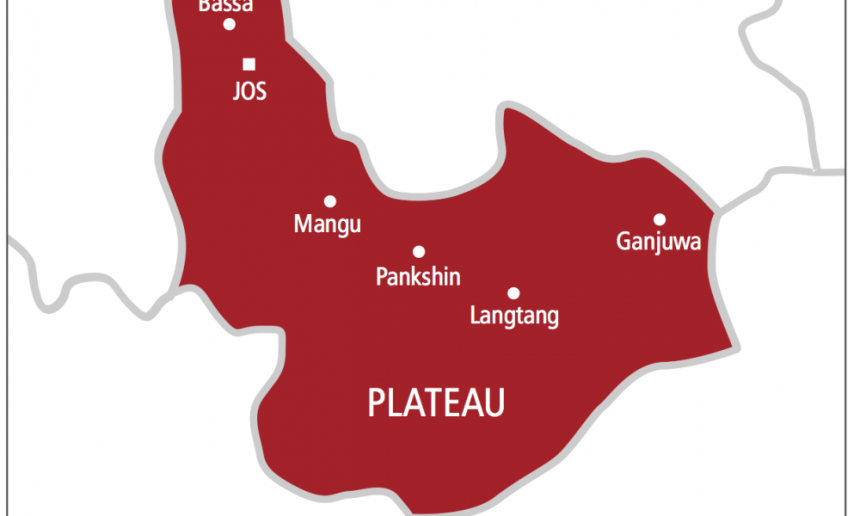
In what seems like a brewing religious crisis, the Church of Christ In Nations (COCIN) has been set ablaze in Plateau State, North-Central, Nigeria.
According to SaharaReporters the rampaging armed men are currently torching church buildings and attacking those perceived to be Christians in Mangu, Plateau State.
A resident of the area told SaharaReporters that the assailants, suspected to be herdsmen came from the surrounding bushes.
She said there is pandemonium in Mangu town as residents are scampering to safety.
The resident who pleaded anonymity said, “As we speak the COCIN Church near Sabon Kasuwa is on fire and they are advancing towards other churches in town.”
When contacted to confirm the incident, the Plateau State spokesperson for the police, DSP Alabo did not answer a call to his mobile phone and did not reply to a text message sent to him.


“Go and Verify”: How Sunday Umeha Is Redefining Representation in Ezeagu/Udi
Chief Sir Paul Chukwuma Lays His Beloved Sister to Rest

2027: Anambra ADC Intact Despite Obi, Kwankwaso Departure – Guber Candidate






-
 News5 years ago
Uncompleted structures in Enugu to undergo integrity test – Authority
-
 News4 years ago
BREAKING: FG to release Nnamdi Kanu tomorrow, fixes emergency hearing
-
 News2 years ago
BREAKING: Former Anambra Governor is Dead
-
 Entertainment4 years ago
Chrisland School Girl’s Online Activities Leak [Video]
-
 Social event4 years ago
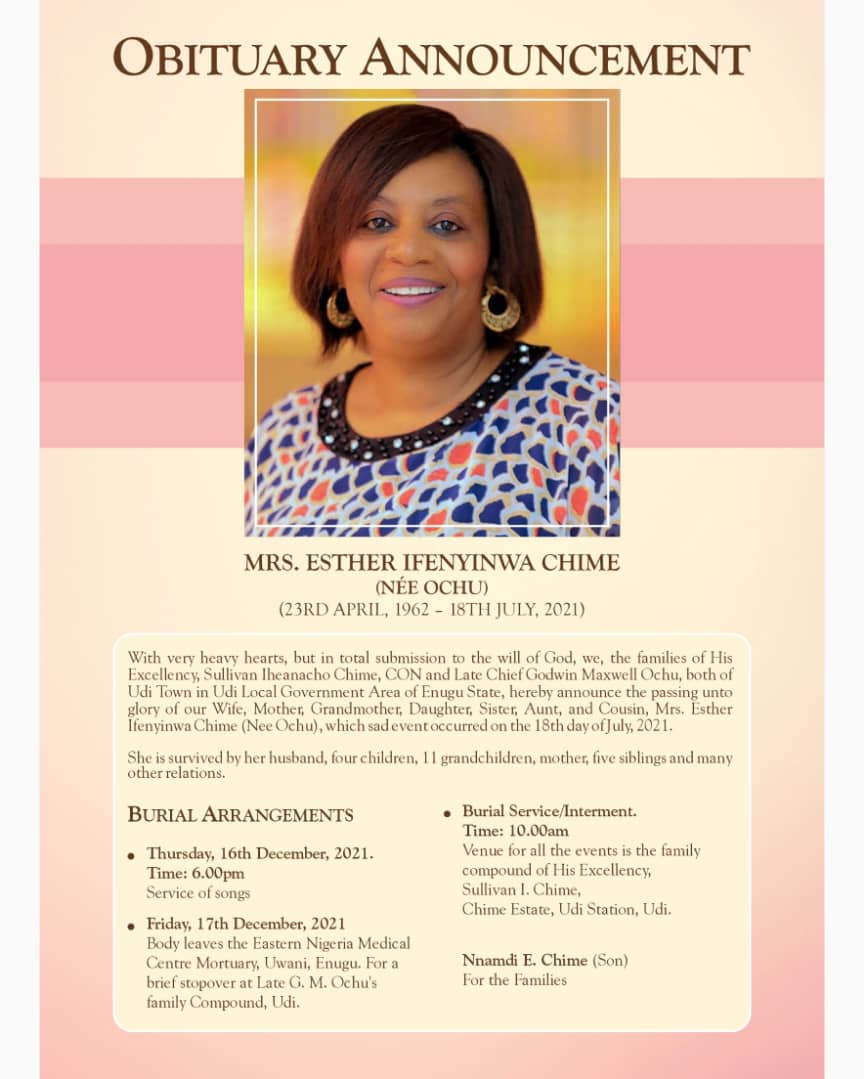
Ex-Enugu governor, Sullivan buries wife December 17
-
 Politics2 years ago
Enugu spends the least as 30 govs burn N968.64bn on refreshments, others in 3 months
-
 Foreign2 years ago
Denmark announces visas for, welders mechanics, bricklayers, others
-
 Crime5 years ago
BREAKING! Sit-at-home: Vehicle conveying tomatoes, set ablaze in Enugu


