
Education
JAMB scraps use of email for UTME, direct entry registration

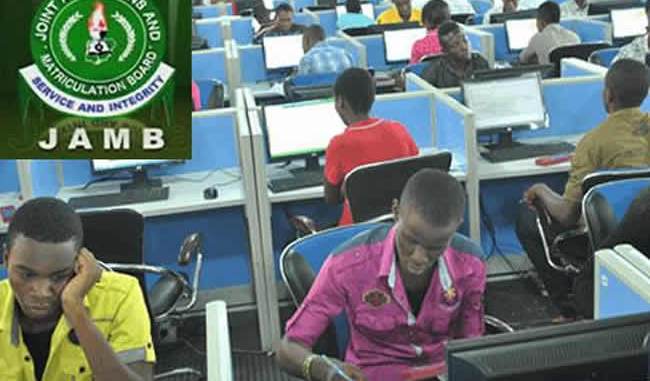
The Joint Admissions and Matriculation Board has announced that the use of email would no longer be required for the processing of registration for the Unified Tertiary Matriculation Examination and Direct Entry.
The Registrar and Chief Executive of JAMB, Prof Is-haq Oloyede, said this while speaking with journalists on Tuesday evening.
According to him, email would only be requested at the successful completion of the registration exercise by candidates to access information on the examination.
He said, “As from Thursday, April 15, 2021, candidates will no longer be required to provide any email address during registration.
“Consequently, candidates will have the following options to access their profile during or after registration.
“i. Mobile APP on the candidates’ phone

ii. On the 55019 option (being designed) for example admission status checking, acceptance of admission etc on their profile.
“Printing of examination slip (Notification) or Result notification slip or ticketing can be done anywhere using the candidates JAMB registration number only.
“At the conclusion of the 2021 UTME/DE registration exercise, candidates will provide their email addresses only after the 2021 UTME/DE registration exercise has been declared closed by JAMB through (a) Mobile APP on his/her registered phone
(b) Sending the word email (space then the email address) on his /her registered phone to 55019.
“The email is typed twice for correctness (Email addresses will be entered twice for validation and prevention of typographical errors.”
Oloyede said the new system was to ensure candidates’ information are not exposed to dubious cyber cafe operators and other criminal elements who in the course of UTME/ Direct Entry registration steal email passwords to perpetrate fraud.
He said an individual’s mobile phone now remains the only major tool to carry out all the registration processes.
The JAMB CEO said the organization has phased out the use of cash for any transactions in the Computer-Based Test centres owned by JAMB but Automated Teller Machine cards.
He said the move was to frustrate the antics of touts who hang around JAMB CBT centres as well as prevent illegal charges.
Oloyede said candidates who are only keen on using cash can visit privately owned centres for their registration and other activities.
Earlier, a final year student of the University of Abuja, Adegoke Justina, exposed how she was lured to hand over her email details to a cyber cafe staff, who posed as JAMB staff.
Adegoke had visited the JAMB CBT centre in the Kogo-Bwari area of Abuja, to rectify issues with her admission when she was accosted by a young man who promised to help do necessary applications, only for him to be issuing threats and demanding money days later after taking over the student’s email address.
Moses Peter, the cyber cafe operator, nabbed by police over the incident, however, identified the perpetrator of the crime as David Ahmad, a student of Federal Polytechnic, Auchi, who sometimes works in the cafe.

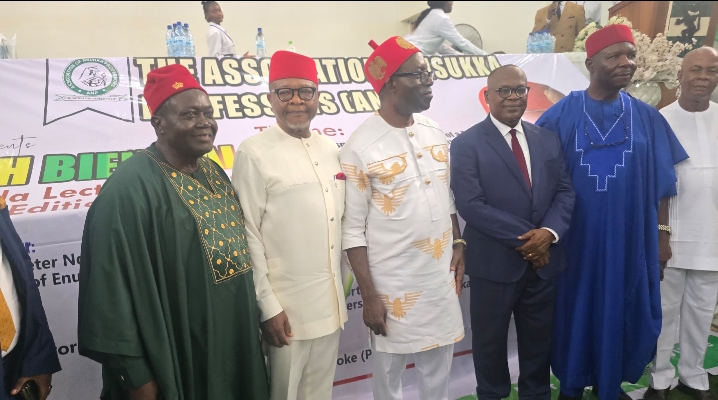
By Okey Maduforo Awka .
Governor Charles Soludo of Anambra state has lamented lack of research in public policy making contending that academic research with positive impact on governance is sterial.
He further challenged the academic community to step up it’s intellectual works towards solving contending issues that shape the wellbeing of the immediate society.
The Governor who delivered a lecture at the 6th Biennial Adada Lecture Series 2026 convened by Association of Nsukka Professors noted that gone are those days when intellectual works end up at the University book shelf without transforming the socioeconomic needs of any given society.
Soludo observed that the “fusion of thought and action” remains the only bridge to a national rebirth.
Soludo questioned why academic discussions have seemingly lost their authority in national life. Despite producing thousands of professors and journals, he noted a “severed link” between academic research and public policy.
“If you have 200 Professors as members, how is the Adada zone not a first world?” he asked, challenging the audience to move beyond the walls of the university. “We produce journal articles, but how many have become policies? Intellectualism without activism is sterile.”
The Governor further advocated for “Productive Intellectualism,” where critical thinking guides public purpose. Drawing from his first tenure as Governor over the last four years, Governor Soludo highlighted how he has attempted to bring intellectualism to governance through “sacrificial volunteerism” and how he succeeded in laying the foundation for the African Dubai-Taiwan-Silicon Valley.
He emphasized that nations do not develop by resources alone, but by ideas that precede institutions; citing historical giants like Isaac Newton, Nnamdi Azikiwe, Obafemi Awolowo, Kwame Nkrumah, Ahmadu Bello, and a host of others, as examples of a shared pattern of logical thinking that yield ideas and then built.
“This is a challenge to the intellectuals and the wider academic community: to multi-task, as the modern intellectual must be both a thinker and a doer, Question the Status Quo which remains a fundamental element of true intellectualism”
“Standing akimbo is too expensive,” Soludo warned. “We don’t just live; we live to matter. It is time to get back to basics and drive the African renaissance through active participation.”
Speaking earlier, Professor Osita Ogbu, presiding as Chairman, observed that the true benchmark of academic excellence is not found in the complacency of achievement, but in an unyielding hunger for discovery and the courage to apply that knowledge to real-world challenges. He asserted that intellectuals are never satisfied, they keep working.
Also speaking, the Vice Chancellor of the University of Nigeria, Nsukka, Professor Simon Ortuanya, framed the gathering as a significant homecoming for Governor Soludo. He offered a glowing tribute to the Governor, commending his transformative contributions to the Nigerian state and his broader dedication to the service of humanity.
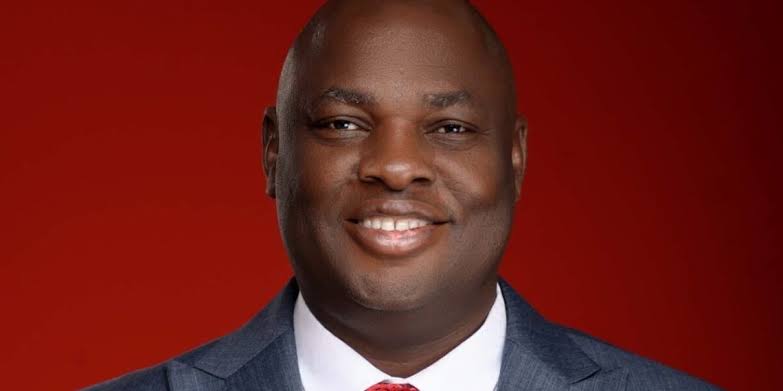
Enugu East Local Government Area has formalised a strategic partnership with David Umahi Federal University of Medical Sciences following the signing of a Memorandum of Understanding (MoU) aimed at strengthening human capital development in the council area.
The agreement, signed during a high-level meeting between officials of the council and the university’s management, is expected to open new opportunities in medical education, training, and healthcare capacity building.
Speaking at the signing ceremony, the Executive Chairman of Enugu East LGA, Engr. Pst. Beloved-Dan Obi Anike, described the partnership as a major step toward building a healthier and more prosperous society through deliberate investment in education.
He noted that the initiative aligns with the broader development agenda of the Enugu State Government under Governor Peter Ndubuisi Mbah, particularly in the area of human capital development.
As part of the agreement, the council unveiled plans to sponsor 100 students from Enugu East to study medical-related courses at the university, a move aimed at addressing manpower gaps in the health sector while empowering local youths.
“This partnership is not just about education; it is about securing the future of our people. By investing in medical training, we are building a foundation for sustainable healthcare delivery in Enugu East,” Anike said.
In his remarks, the Vice Chancellor of the university, Jesse Uneke, commended the council for its forward-thinking approach, describing the MoU as a mutually beneficial arrangement that would enhance both academic excellence and community impact.
He assured that the institution would provide the necessary support to ensure the success of the scholarship programme and other areas of collaboration captured in the agreement.
The MoU is also expected to cover research collaboration, capacity building, and possible medical outreach programmes within Enugu East communities.
Stakeholders say the partnership marks a significant milestone in the council’s drive to improve access to quality education and healthcare, while positioning Enugu East as a model for grassroots-driven development.
Implementation of the agreement is expected to commence in the coming weeks, with both parties set to outline detailed modalities for its execution.
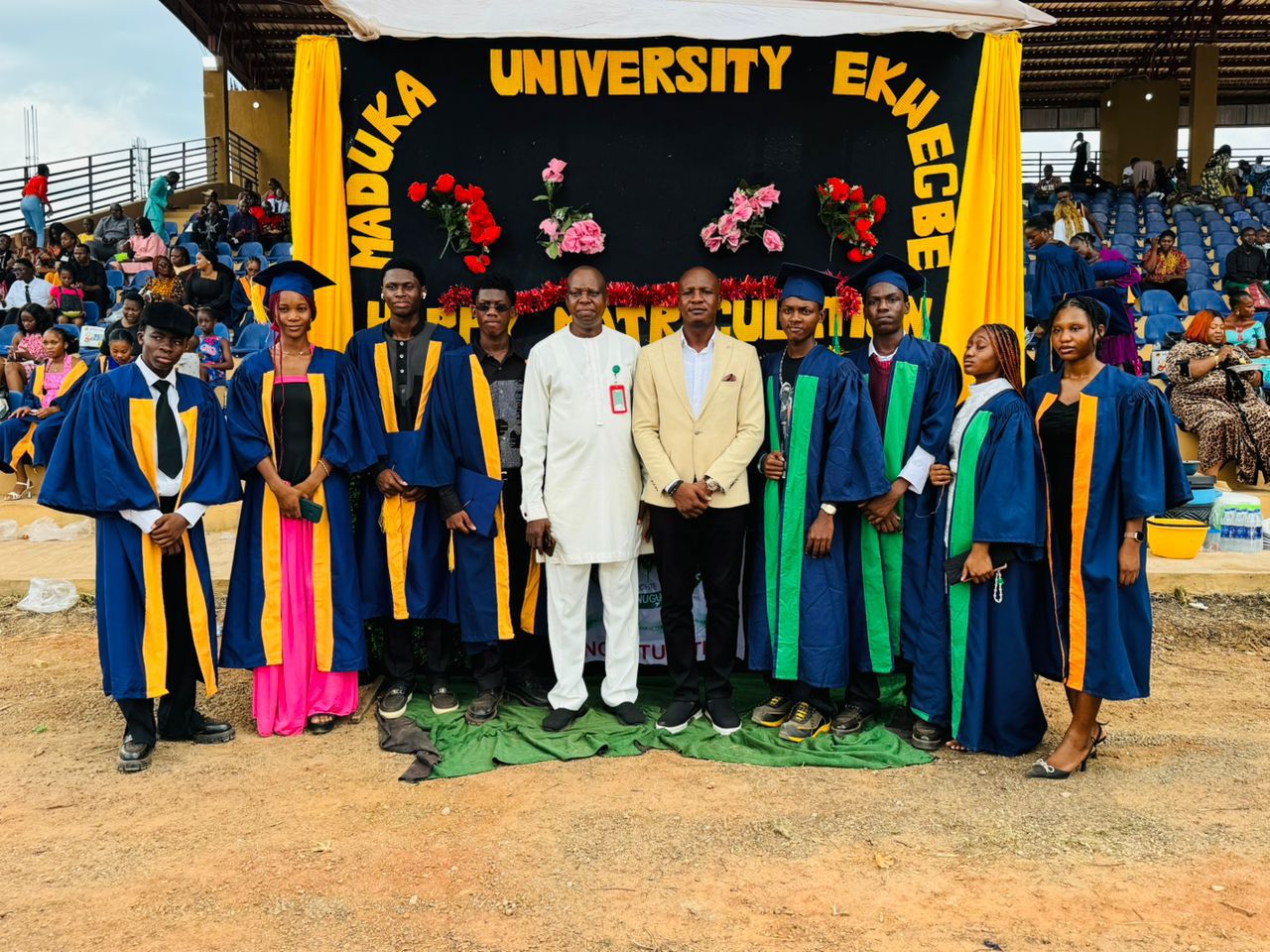
Fifteen students from Enugu East Local Government Area who were awarded scholarships to study medicine and engineering at Maduka University have officially matriculated, marking a major milestone in their academic journey.
The scholarship initiative, driven by the Enugu East Local Government Council under the leadership of Engr. Pst. Beloved-Dan Obi Anike, is part of efforts to boost human capital development through strategic investment in education.
The council facilitated admission for the beneficiaries into high-demand professional courses, positioning them to become future leaders in medicine, engineering, and related fields.
The matriculation ceremony was attended by key government representatives, including Barr. Uche Mbaeke, Secretary of Enugu East LGA, and Pst. Polycarp Ugwu, Secretary of the Enugu East Human Capital Trust Fund, who represented the council at the event.
The ceremony signals the beginning of a new academic chapter for the students, who are expected to make meaningful contributions to their community and beyond.
The initiative has been widely commended as a bold step toward youth empowerment and sustainable development in Enugu East.

A lecturer at Kogi State Polytechnic, Lokoja, Mr. Anslem Ojodomo, has died after collapsing in class while teaching.
The Rector of the polytechnic confirmed the incident in a statement issued on Friday in Lokoja by the Acting Coordinator, Directorate of Public Relations, Mr. John Onimisi, describing the development as a “deep personal shock.”
The tragic incident has sent shockwaves across the institution, coming just a month after another lecturer, Dr. Barnabas Akuba, passed away shortly after completing his PhD programme.
Ojodomo’s death has sparked concern among staff and students, with many questioning the circumstances surrounding the sudden losses.
Student eyewitnesses, who spoke to journalists on condition of anonymity, said Ojodomo collapsed while addressing his class. Despite efforts to save him, he was pronounced dead at a nearby hospital.
The polytechnic community has been left in a state of uncertainty, having lost two lecturers in quick succession.
Meanwhile, the Rector, Prof. Salihu Avidime, extended heartfelt condolences to the institution and the family of the deceased, noting that Ojodomo was a lecturer in the Department of Public Administration.
Avidime recalled meeting Ojodomo just hours before his death, where they exchanged pleasantries.
He described the late lecturer as a dedicated and humble academic committed to excellence.
“The Polytechnic community is mourning the loss of a promising academic and dependable colleague who embodied scholarship, service, and character,” he said.
“Ojodomo’s contributions as Deputy Dean, Student Services, and lecturer were impactful and inspiring.”
Anselm Victory Ojodomo (October 5, 1992 – March 27, 2026) held a Master’s degree from Prince Abubakar Audu University, Anyigba, where he had recently defended his PhD proposal.
He joined Kogi State Polytechnic in 2021 and served on several committees.
The polytechnic community commiserated with his family and the people of Igalamela/Odolu, praying for his soul to rest in peace.

By Okey Maduforo, Awka
Governor Charles Soludo has ordered the suspension of several civil servants in Anambra State following an unannounced visit to the State Secretariat in Awka.
The governor reportedly stormed the Secretariat at about 10:00 a.m. on Thursday, locked the main entrance gate, and carried out an on-the-spot inspection of offices within the complex.
During the visit, Soludo expressed shock that many workers had not resumed duty as of the time of his arrival.
“What would a civil servant be doing at this time, by 10 a.m., when he is supposed to be in the office?” the governor queried.
Following his observations, Soludo directed that a list of staff present at work be compiled, stating that those absent would face suspension. 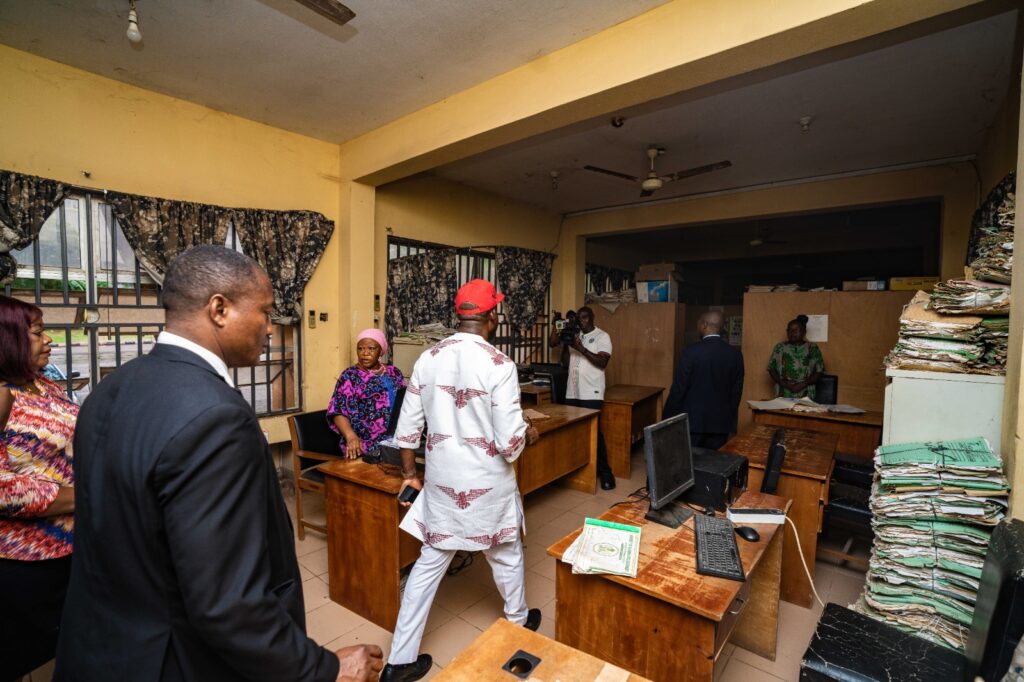
Confirming the development, the Chief Press Secretary to the governor, Christian Aburime, said the unscheduled visit was aimed at assessing staff punctuality, discipline, and overall commitment to public service.
“The unscheduled visit was conducted to evaluate staff conduct, punctuality, and overall dedication to public service,” Aburime said.
He added that during the inspection, the governor interacted directly with workers across ministries and departments to assess the prevailing work culture.
Providing an overview of the visit, Soludo described his findings as a mix of “the good, the bad, and the ugly.”
He, however, commended diligent workers who consistently uphold professional standards and adhere strictly to official working hours, describing them as critical to the success of his administration.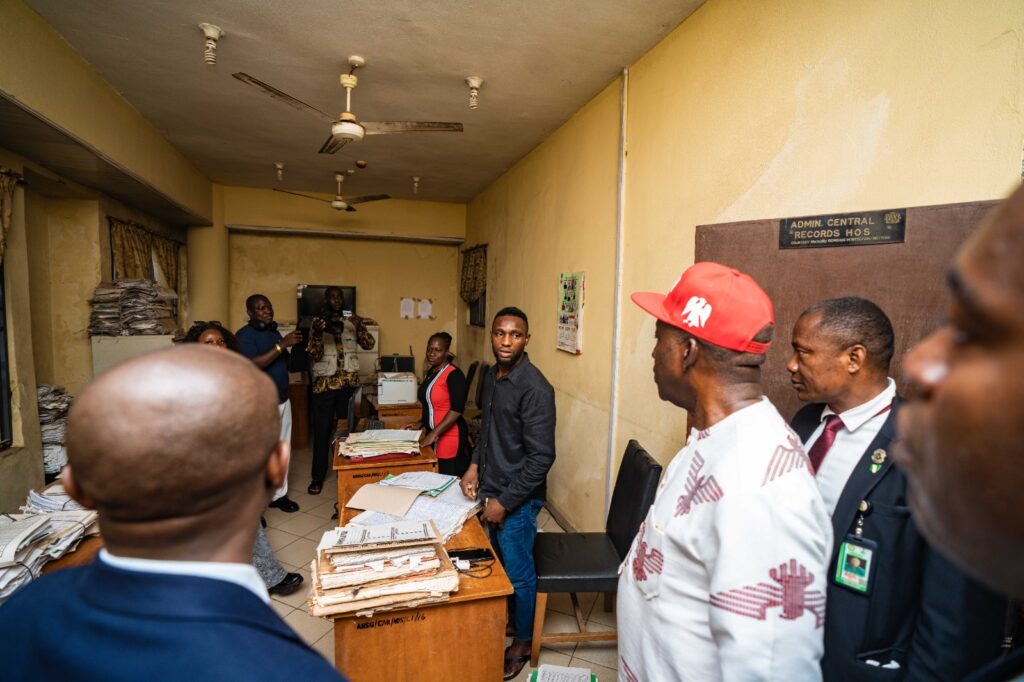
In a stern warning, the governor stated that underperforming staff who fail to align with his administration’s vision “will be shipped out.”
Addressing absenteeism and lateness, he stressed that those who violate time-keeping standards “will be pinned off,” declaring an end to indiscipline and poor work ethic in the civil service.
Soludo reiterated his commitment to building an efficient and results-driven civil service, anchored on key reforms including the deployment of technology, strengthened supervision and evaluation mechanisms, and continuous improvement of infrastructure at the Secretariat.
“We have invested quite a bit in this place,” the governor noted, referencing ongoing upgrades at the facility, while urging workers to reciprocate government’s efforts with improved productivity.
He emphasized that the visit signals a renewed push to transform the state’s bureaucracy into a high-performance system capable of delivering effective governance to the people of Anambra.
-
 News22 hours ago
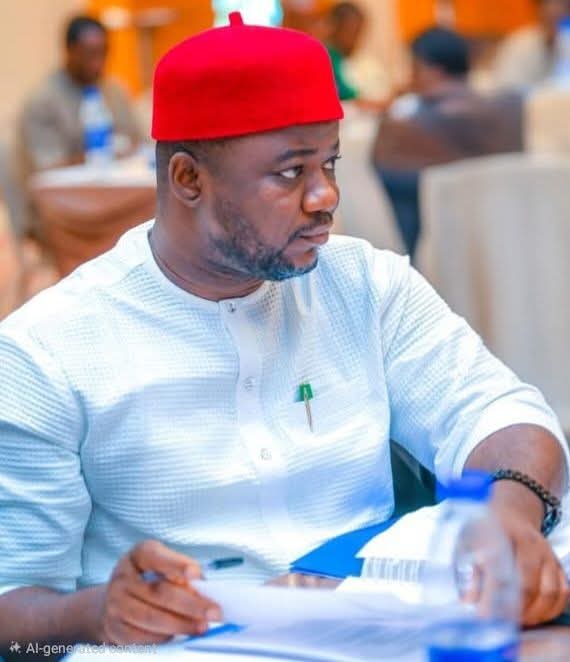
“Go and Verify”: How Sunday Umeha Is Redefining Representation in Ezeagu/Udi
-
 Politics4 days ago
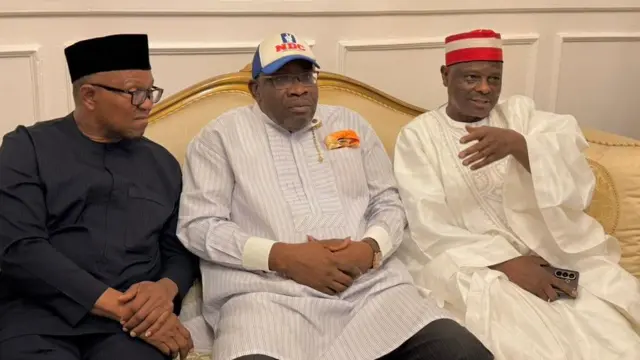
Mass exodus: Obi, Kwankwaso exit rocks ADC, 18 lawmakers join NDC
-
News1 day ago
Chief Sir Paul Chukwuma Lays His Beloved Sister to Rest
-
 Politics2 days ago
Anambra Communities Boil As Group Carpets Traditional Rulers Over Zoning
-
 News5 days ago
Enugu Govt Disowns Group Accused of Defrauding Traditional Medicine Practitioners
-
 News3 days ago
Enugu, SSDO advance domestic resource mobilisation for climate responsive budgeting
-
 Politics4 days ago
2027: Akpabio Moves to Block Ex-Governors from Contesting for Senate President
-
 Crime3 days ago
Anambra Police Burst Gunmen Armoury in Orumba